
The kettlebell swing, a cornerstone of functional fitness, is far more than just a simple ballistic movement. It’s a dynamic exercise that engages the entire kinetic chain, building power, improving cardiovascular health, and fostering a more resilient physique. In today’s technologically advanced landscape, our understanding and execution of this fundamental exercise are being revolutionized. From the granular insights provided by wearable sensors to the sophisticated feedback mechanisms of AI-powered applications, technology is transforming how we approach, perform, and benefit from kettlebell swings. This exploration delves into the multifaceted ways technology intersects with the kettlebell swing, revealing how digital tools are not merely augmenting our workouts but are fundamentally redefining the potential of this powerful exercise.

Understanding the Biomechanics: A Technological Deep Dive
The efficacy of the kettlebell swing lies in its intricate biomechanics, a complex interplay of muscles and joints that, when executed correctly, generates significant force and confers numerous physiological benefits. Traditionally, understanding these mechanics relied on expert observation and textual descriptions. However, technological advancements have opened unprecedented avenues for dissecting and analyzing this movement with a precision previously unimaginable.
Kinematic and Kinetic Analysis Through Wearables
The advent of sophisticated wearable sensors has ushered in a new era of biomechanical analysis for kettlebell swings. These devices, ranging from accelerometers and gyroscopes embedded in smartwatches and dedicated fitness trackers to more advanced motion capture suits, can capture an astonishing amount of data during each swing.
- Tracking Movement Patterns: Wearable sensors meticulously record the trajectory of the kettlebell, the speed of the swing, and the angular velocity of the body segments. Algorithms then process this data to identify deviations from optimal movement patterns, such as insufficient hip drive, excessive arm involvement, or an overly vertical swing path. This allows for objective assessment of technique, moving beyond subjective interpretation.
- Quantifying Force Production: By analyzing acceleration and velocity data, technology can estimate the force generated during the hip extension, the primary driver of the kettlebell swing. This provides quantifiable metrics for progress, enabling users to track improvements in explosive power over time. Features like peak velocity and rate of force development can become key performance indicators.
- Identifying Imbalances and Compensations: Advanced sensors, particularly those that track multiple body segments, can reveal subtle imbalances or compensatory patterns that might otherwise go unnoticed. For instance, a slight asymmetry in hip extension or shoulder stability could be highlighted, prompting corrective exercises and preventing potential injuries. This granular feedback is crucial for fine-tuning technique.
- Heart Rate Variability and Cardiovascular Load: Integrated heart rate monitors within wearables provide crucial data on the cardiovascular demand of kettlebell swings. Beyond simple heart rate tracking, some advanced devices offer heart rate variability (HRV) analysis, which can offer insights into recovery status and the overall physiological stress placed upon the body. This allows for more intelligent programming of workout intensity and rest periods, ensuring optimal training stimulus without overtraining.
Visual Feedback and Real-time Coaching
While sensors provide objective data, visual feedback remains a powerful tool for technique refinement. Technology has enhanced this aspect significantly, offering immersive and interactive coaching experiences.
- Pose Estimation and AI-Powered Form Correction: Emerging technologies leverage computer vision and artificial intelligence to analyze video recordings of kettlebell swings in real-time or post-workout. Pose estimation algorithms can break down the body into key skeletal points and track their movement throughout the swing. AI then compares these movements against ideal biomechanical models.
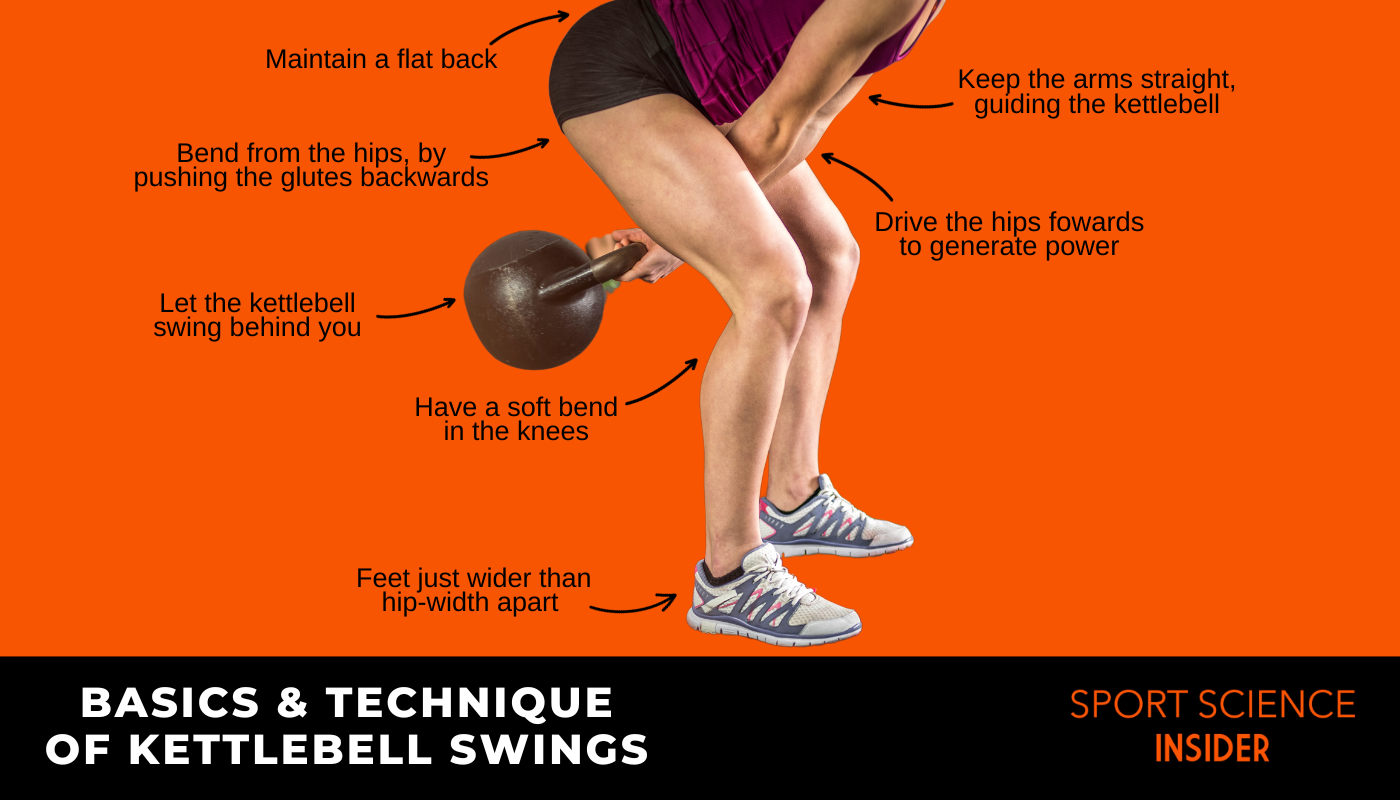
- Automated Cueing: Applications can provide instant verbal or visual cues to correct form, such as “drive your hips forward,” “keep your back flat,” or “engage your glutes.” This immediate feedback loop is incredibly effective for learning and reinforcing proper technique, especially for individuals who do not have access to a live coach.
- Detailed Movement Analysis Reports: Post-workout, AI-driven platforms can generate comprehensive reports detailing the quality of each swing, highlighting areas of improvement, and offering personalized drills to address specific weaknesses. These reports often include visual overlays on the user’s video, demonstrating correct and incorrect movement patterns side-by-side.
- Virtual Reality (VR) and Augmented Reality (AR) Training Environments: While still nascent for specific exercises like kettlebell swings, VR and AR technologies hold immense potential. Imagine a VR environment where a virtual coach demonstrates proper form, or an AR overlay on your smartphone camera guiding your body positioning in real-time. These immersive experiences could offer a highly engaging and intuitive learning curve for mastering the kettlebell swing.
Optimizing Performance and Programming with Digital Tools
Beyond the fundamental analysis of movement, technology plays a pivotal role in how we structure, track, and optimize our kettlebell swing workouts for maximum efficacy and consistent progress. This involves intelligent training platforms, data-driven insights, and personalized adaptation.
Smart Workout Platforms and Progression Tracking
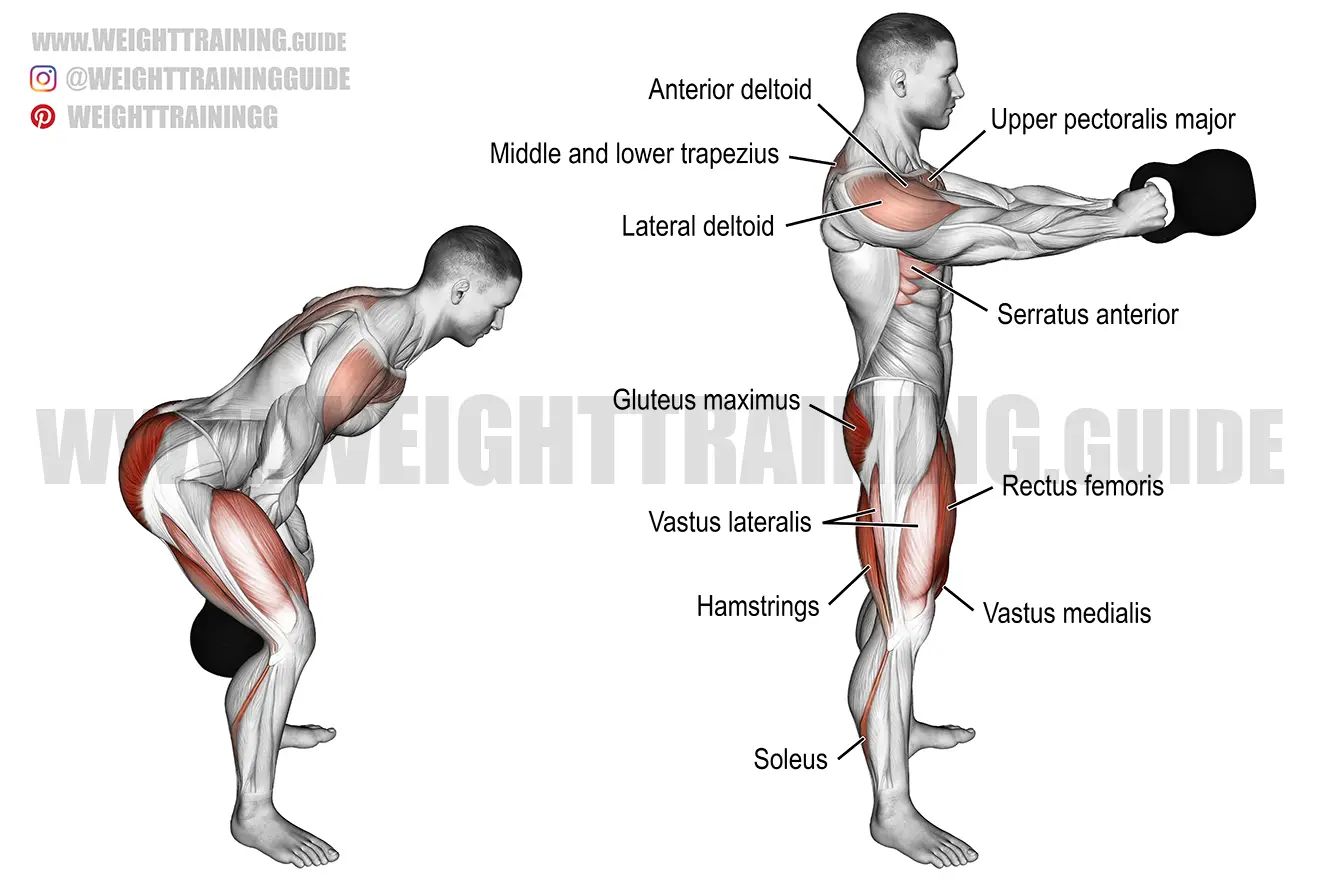
The days of scribbled workout logs are rapidly becoming obsolete, replaced by sophisticated digital platforms designed to manage and enhance training regimens.
- Personalized Workout Generation: AI-powered fitness apps can analyze a user’s current fitness level, goals, and available equipment to generate tailored kettlebell swing programs. These platforms can intelligently vary rep ranges, sets, rest periods, and even introduce different kettlebell swing variations (e.g., single-arm, clean and press) to ensure continuous challenge and prevent plateaus.
- Data Aggregation and Trend Analysis: These platforms act as central hubs for all workout data. By aggregating information from wearables and manual input, they can identify trends in strength, endurance, and skill acquisition. Users can visualize their progress over weeks, months, and even years, providing powerful motivation and a clear understanding of what training strategies are most effective for them.
- Progressive Overload Automation: A fundamental principle of strength training is progressive overload. Smart platforms can automate this by suggesting increases in weight, reps, or sets based on past performance and pre-defined progression models. This ensures that users are consistently challenged and continue to adapt and improve.
- Integration with Other Fitness Data: Many platforms can integrate data from other sources, such as nutrition tracking apps or sleep monitors. This holistic approach allows for a more comprehensive understanding of how various lifestyle factors impact kettlebell swing performance, enabling more informed adjustments to training and recovery.
Skill Acquisition and Technique Refinement Tools
Mastering the kettlebell swing requires not only physical conditioning but also a high degree of proprioception and motor control. Technology offers innovative solutions for accelerating skill acquisition.
- Interactive Tutorial Modules: Digital platforms are increasingly offering interactive tutorials that go beyond static videos. These might include 3D anatomical models demonstrating muscle activation, guided practice sessions where the app prompts specific actions, or gamified challenges that reward correct technique.
- Feedback Loops for Specific Cues: Technology can create targeted feedback loops for specific technical cues. For example, if a user consistently fails to achieve full hip extension, an app might specifically track this parameter and provide targeted drills or visual reminders until the movement is corrected.
- Virtual Coaching and Community Support: While not solely technological, the digital space facilitates access to coaching and community. Online coaching platforms allow users to submit videos for expert review, while online forums and social features within fitness apps connect individuals with similar training goals, fostering shared learning and accountability.
Enhancing Safety and Preventing Injury with Smart Monitoring
The kettlebell swing, while highly effective, can pose a risk of injury if performed with improper form or excessive load. Technology is increasingly being deployed to proactively identify and mitigate these risks, ensuring a safer and more sustainable training journey.
Real-time Injury Risk Assessment
The data captured by wearable sensors and motion analysis systems can be used to predict and prevent injuries.
- Identifying Biomechanical Faults Associated with Injury: Specific movement patterns are known to increase the risk of certain injuries. For instance, a rounded lower back during a kettlebell swing is a significant risk factor for spinal injury. AI algorithms can be trained to detect these patterns and alert the user or coach.
- Monitoring Fatigue and Overtraining: Prolonged or excessive training can lead to fatigue, which in turn compromises form and increases injury risk. Wearables that track metrics like HRV, sleep quality, and even movement smoothness can provide indicators of fatigue. Platforms can then suggest rest days or reduced intensity sessions when risk factors are elevated.
- Load Management and Recovery Recommendations: Technology can help manage the cumulative stress placed on the body. By tracking the volume and intensity of kettlebell swings, alongside other training modalities, smart systems can provide recommendations on optimal recovery strategies, such as stretching, foam rolling, or active recovery sessions, to ensure the body is adequately prepared for subsequent workouts.
Predictive Analytics for Injury Prevention
Looking beyond immediate risk, technology is beginning to offer predictive analytics for injury prevention.
- Longitudinal Data Analysis: By analyzing long-term training data from large cohorts of users, AI can identify subtle biomechanical changes or training patterns that, over time, correlate with a higher incidence of injury. This allows for the development of predictive models that can flag individuals at risk before an injury occurs.
- Personalized Prehab and Rehabilitation Protocols: Based on identified movement deficiencies or historical injury data, technology can recommend personalized prehabilitation exercises designed to strengthen vulnerable areas and rehabilitation protocols to aid recovery. These protocols can be dynamically adjusted based on ongoing performance and feedback.
- Objective Performance Benchmarking: Technology allows for objective benchmarking of performance against established norms or an individual’s own historical data. Deviations from expected performance, especially in power output or movement efficiency, could serve as early warning signs for potential issues.
By embracing these technological advancements, practitioners can move beyond simply performing kettlebell swings to intelligently understanding, optimizing, and safely integrating them into a comprehensive fitness strategy. The synergy between this foundational exercise and cutting-edge technology promises a future where fitness is more precise, effective, and personalized than ever before.
aViewFromTheCave is a participant in the Amazon Services LLC Associates Program, an affiliate advertising program designed to provide a means for sites to earn advertising fees by advertising and linking to Amazon.com. Amazon, the Amazon logo, AmazonSupply, and the AmazonSupply logo are trademarks of Amazon.com, Inc. or its affiliates. As an Amazon Associate we earn affiliate commissions from qualifying purchases.