
In the world of corporate identity and marketing, a name is rarely just a label; it is a vessel for brand equity, a promise of performance, and the primary touchpoint for consumer engagement. While most sports enthusiasts know the fast-paced, high-flying game played on beaches and in Olympic arenas today as “volleyball,” few realize that the sport began its life under a much less evocative moniker: Mintonette.
The transition from Mintonette to Volleyball is not merely a piece of sports trivia. It represents one of the earliest and most successful examples of a “brand pivot.” By analyzing why the original name failed and why the new name catalyzed global expansion, modern brand strategists can glean vital lessons on nomenclature, market positioning, and the importance of descriptive branding.
1. The Identity Crisis of 1895: Why “Mintonette” Failed the Brand Test
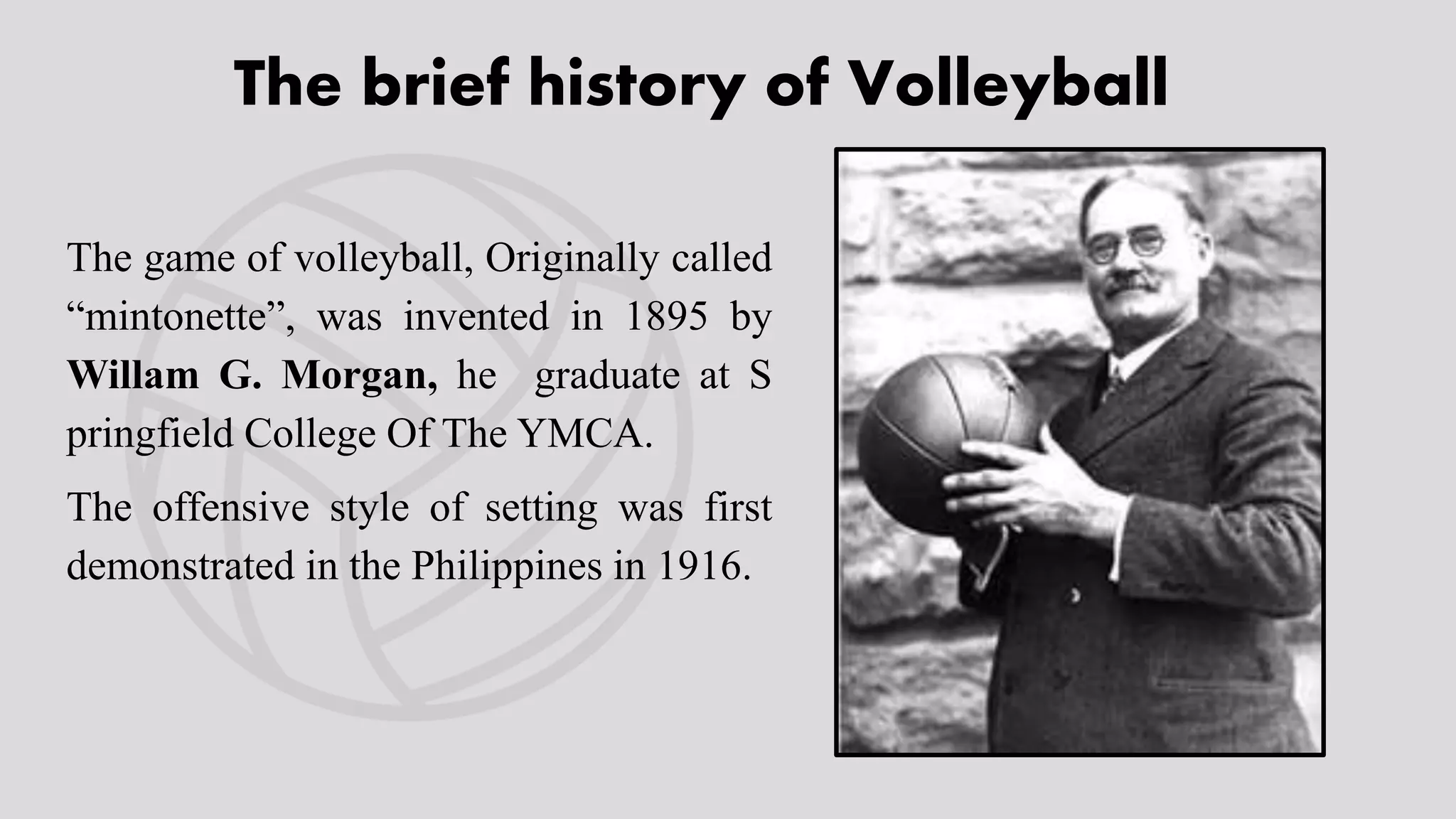
In 1895, William G. Morgan, a physical education director at the YMCA in Holyoke, Massachusetts, sought to create a new game for businessmen who found basketball—invented just four years prior—to be too strenuous. He combined elements of tennis, handball, and baseball to create a sport he called “Mintonette.”
The Origins of the Name
The name “Mintonette” was derived from “badminton,” a sport that served as a primary inspiration for Morgan’s new creation. From a branding perspective, this was a derivative strategy. By appending a diminutive suffix to an existing product name, Morgan inadvertently positioned his invention as a “lesser” or “niche” version of something else. In modern brand strategy, this is often a fatal error; it limits the brand’s perceived value and fails to establish a unique identity.
Linguistic Friction and Market Confusion
“Mintonette” suffered from significant linguistic friction. It was soft, decorative, and lacked the kinetic energy associated with athletic competition. For a product designed to promote health and vigor, the name was rhythmically stagnant. Furthermore, it failed to describe the “user experience.” In an era where sports were rapidly professionalizing, a name that sounded like a parlor game or a delicate fabric (reminiscent of “minuet” or “mousseline”) created a disconnect between the brand promise and the actual physical activity.
2. The Strategic Pivot: How Descriptive Naming Catalyzed Global Adoption
The turning point for the sport came in 1896 during a demonstration at the International YMCA Training School (now Springfield College). Dr. Alfred Halstead, an observer and professor, noted that the players seemed to be “volleying” the ball back and forth over the net. He suggested that “Volleyball” would be a far more appropriate name.
The Power of the Verb-Based Brand
Dr. Halstead’s suggestion shifted the brand from a derivative noun (Mintonette) to a descriptive verb-based compound (Volleyball). In branding, descriptive names reduce the “cost of acquisition” for the consumer’s mind. You do not need to explain what the sport is; the name provides the manual. This immediate clarity allowed the sport to transcend local YMCA gymnasiums and enter the global market with minimal marketing friction.
Why “Volleyball” Resonated with the Target Audience
The rebranding worked because it aligned with the “core product benefit.” The essence of the game is the flight of the ball and the act of keeping it in the air. By naming the sport after its most exciting action, the brand became synonymous with movement and energy. This is a strategy used by iconic brands today—think of “Netflix” (movies via the net) or “PayPal” (paying your pals). It grounds the brand in its utility, making it accessible to a wide demographic regardless of cultural or linguistic background.
3. Brand Architecture: Standardizing the Product Experience

A successful name is only the beginning. For Mintonette to truly become the global brand of Volleyball, the “product” required standardization. Just as a franchise must ensure consistency across locations, the YMCA and early organizers had to codify the rules to ensure that the brand experience was identical whether played in Massachusetts or Manila.
Visual Identity and Equipment Branding
The early brand evolution of volleyball included the development of specialized “hardware.” Originally, players used the bladder of a basketball, which was too light, or a basketball itself, which was too heavy. In 1900, Spalding—a name that would become a titan in sports branding—created the first official volleyball. This partnership between the sport and a premium equipment manufacturer provided the “brand validation” necessary for the sport to be taken seriously on a professional level.
The Role of the YMCA as a Global Distributor
The YMCA served as the “corporate headquarters” for the Volleyball brand. Leveraging their international network, they exported the game to Canada, Asia, and the Southern Hemisphere. Because the name “Volleyball” was easy to translate and understand, it avoided the “lost in translation” pitfalls that often plague brands moving into international markets. By 1916, the brand had enough equity to partner with the NCAA, further solidifying its position in the “educational and athletic” market segment.
4. Scaling for Longevity: The Olympic Stage and Beyond
The ultimate goal of any brand is to achieve “Legacy Status.” For a sport, this means Olympic recognition. The transition from a recreational YMCA activity to an Olympic mainstay required a sophisticated approach to brand management, focusing on aesthetics and spectator engagement.
Modernizing the Brand Persona
As the sport evolved, so did its sub-brands. The introduction of “Beach Volleyball” in the mid-20th century is a classic example of “Brand Extension.” It took the core mechanics of the parent brand (Volleyball) and repackaged them for a different lifestyle segment (outdoor, sun, youth culture). This allowed the overarching Volleyball brand to capture a larger “market share” of the sports world, appealing to both traditionalists and a newer, more casual audience.
The Digital Era: Enhancing Brand Visibility
Today, the Volleyball brand utilizes technology to maintain its market position. High-definition broadcasting, “Monster Block” sound bites, and social media engagement have turned the sport into a high-production-value entertainment product. The name “Volleyball” continues to serve as a perfect anchor—short, punchy, and highly searchable in a digital-first world.
5. Lessons for Modern Brand Managers from the Mintonette Rebrand
The history of volleyball provides a blueprint for contemporary brand strategy, particularly for startups and companies looking to rename or pivot their identity.
Prioritizing Function Over Founder Ego
William G. Morgan was humble enough to accept Dr. Halstead’s suggestion. Often, founders are too attached to their original “Mintonette” because of sentimental reasons. True brand leadership requires the ability to recognize when a name is a barrier to growth and the courage to adopt a name that serves the market rather than the creator.
The “Simplicity Scales” Rule
If you cannot explain your brand in one word or a simple compound phrase, you will struggle to scale. Mintonette required an explanation; Volleyball provided an invitation. In an over-saturated market, simplicity is the ultimate sophistication. When developing a brand identity, ask: Does this name describe the value, or does it require a manual?
Building a Consistent Ecosystem
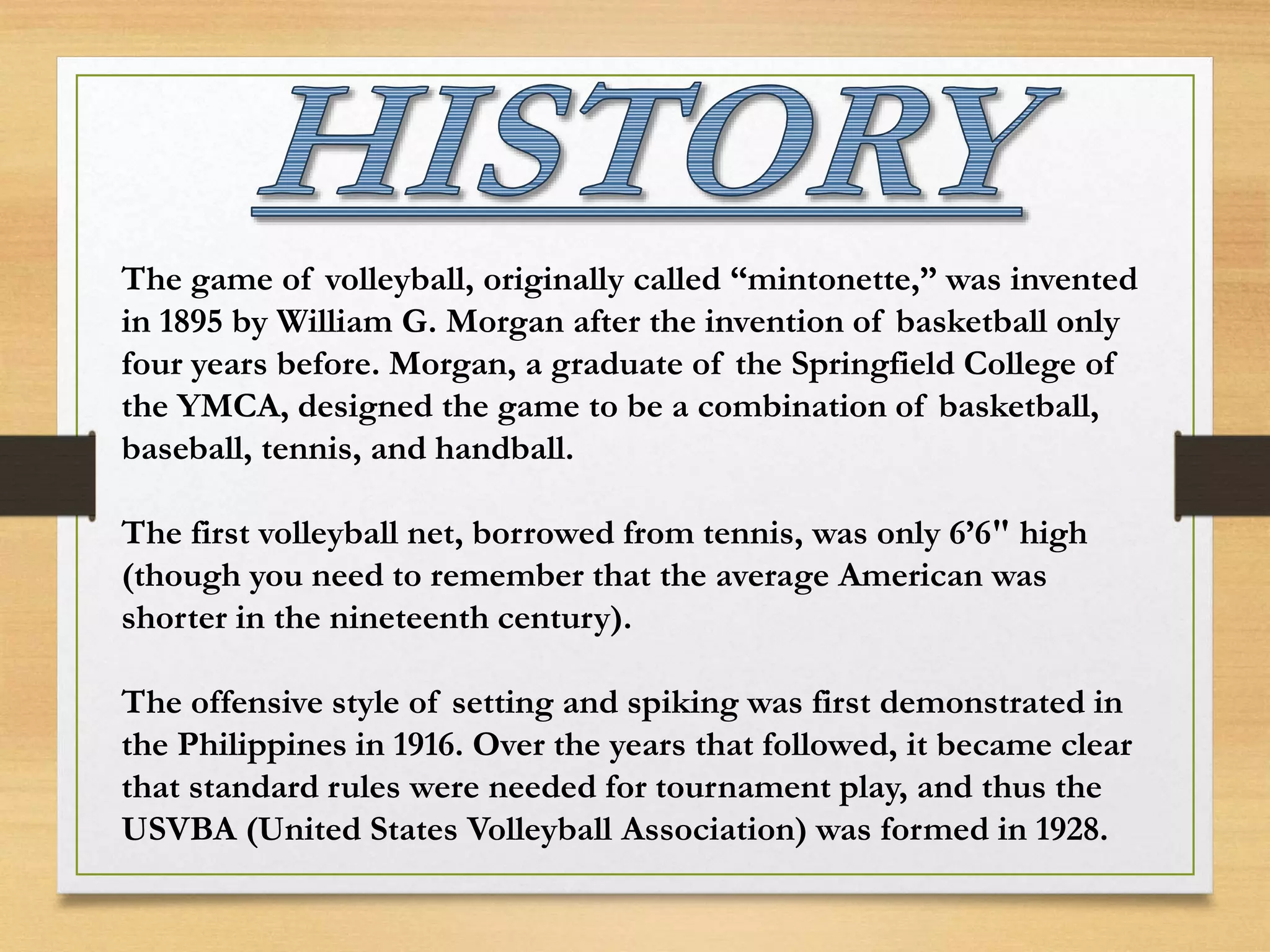
Volleyball’s success wasn’t just the name; it was the “brand ecosystem”—the official ball, the specific net height, the set number of players. For modern brands, this translates to consistent UI/UX, unified messaging, and reliable product delivery. A great name might get a customer through the door, but the standardized “rules of play” keep them coming back.
In conclusion, the journey from Mintonette to Volleyball is a testament to the power of strategic rebranding. It serves as a reminder that even the best products can be held back by poor nomenclature. By choosing a name that was descriptive, energetic, and scalable, the pioneers of the sport ensured that what started as a modest YMCA exercise would grow into a multi-billion dollar global industry. Whether you are launching a tech startup or a new consumer product, the lesson remains: Don’t just name it—brand it for the world you want to conquer.
aViewFromTheCave is a participant in the Amazon Services LLC Associates Program, an affiliate advertising program designed to provide a means for sites to earn advertising fees by advertising and linking to Amazon.com. Amazon, the Amazon logo, AmazonSupply, and the AmazonSupply logo are trademarks of Amazon.com, Inc. or its affiliates. As an Amazon Associate we earn affiliate commissions from qualifying purchases.