
The roar of an engine, the aggressive stance, and a badge that immediately signifies power and prestige – for automotive enthusiasts, the “SS” on a Chevrolet isn’t just a random set of letters. It stands for “Super Sport,” a designation that has adorned some of the most iconic and high-performance vehicles in Chevrolet’s illustrious history. More than just an acronym, SS represents a lineage of vehicles meticulously engineered for thrill and designed to captivate. It’s a hallmark that has transcended generations, embodying a commitment to peak automotive capability, a potent brand identity, and a significant financial proposition for both buyers and collectors.

In an era defined by rapid technological advancements, evolving brand strategies, and dynamic financial markets, understanding the true essence of “SS” for Chevy goes beyond merely knowing its literal meaning. It’s about appreciating how this performance moniker has integrated cutting-edge technology, cultivated an aspirational brand image, and carved out a unique financial footprint, making it a compelling subject not just for car enthusiasts, but for anyone interested in the intersection of automotive excellence with technology, branding, and smart finance.
The Legacy of “Super Sport”: More Than Just Letters
The “SS” badge didn’t just appear overnight; it evolved from Chevrolet’s ambition to offer accessible performance to the American public. Its introduction marked a pivotal moment, signaling a shift towards a more performance-oriented vehicle lineup that would resonate deeply with car buyers looking for something extra.
A Dive into Automotive History: Birth of an Icon
The year was 1961, and Chevrolet was looking to inject some excitement into its popular Impala model. The Impala SS was born, not just as a trim package, but as a statement. It wasn’t merely about aesthetic upgrades; it was about performance enhancements – beefier suspensions, more powerful brakes, and, crucially, a range of potent engine options, including the legendary 409 cubic inch V8. This initial foray set the precedent: an SS model wasn’t just a looker; it was a performer.
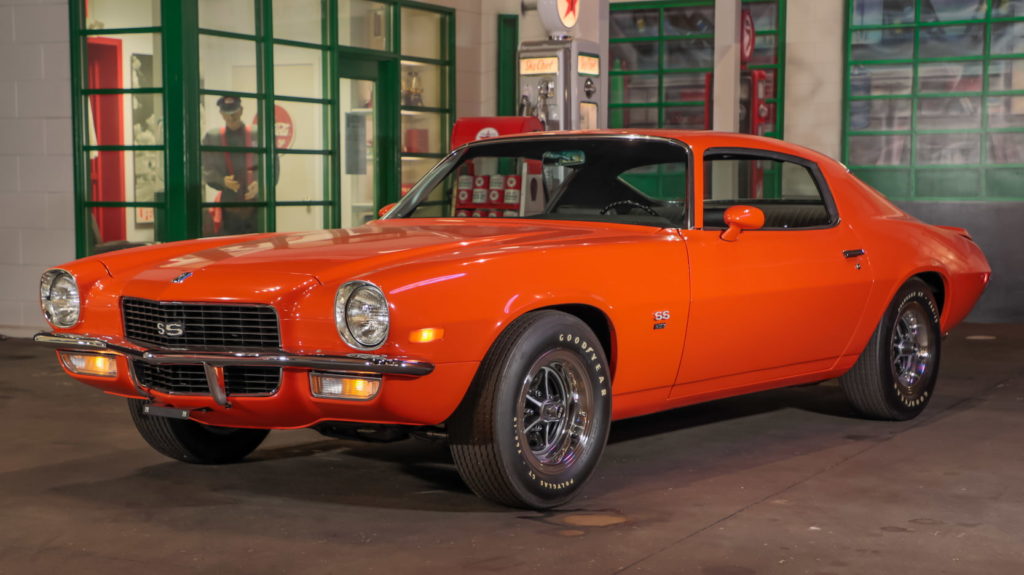
Following the Impala’s success, the SS designation quickly spread across Chevrolet’s lineup, gracing models that would become legends in their own right. The mid-1960s saw the birth of the Chevelle SS, a quintessential muscle car that combined stunning looks with immense power, often featuring big-block V8 engines. The Camaro SS, introduced in 1967, became an instant icon, a direct competitor in the burgeoning pony car segment, offering exhilarating performance wrapped in a sporty, aggressive package. Even the more compact Nova received the SS treatment, proving that high performance wasn’t exclusive to larger vehicles. Each of these models, through their SS variants, carved out a distinct niche, solidifying the idea that an SS Chevy represented the pinnacle of performance within its class. This historical journey wasn’t just about selling cars; it was about defining an era of American automotive prowess and creating a lasting legacy that would influence future generations of performance vehicles.
Evolving Performance: From Raw Power to Refined Engineering
While the early SS models were largely defined by their sheer engine displacement and raw horsepower, the evolution of the “Super Sport” badge mirrors the broader advancements in automotive technology. The gas crisis of the 1970s and stricter emission standards forced a temporary hiatus for some of the more extreme SS configurations, but the spirit of performance never truly died. When SS models began to re-emerge in force in the late 1980s and 1990s, notably with models like the 1994 Impala SS, the approach was markedly different.
This new generation of SS vehicles, while still prioritizing power, began to integrate more sophisticated engineering. Gone were the days of simply dropping the biggest engine into a frame. Modern SS vehicles started showcasing advancements in areas like fuel injection, computer-controlled engine management systems, aerodynamics, advanced suspension geometries, and improved braking systems. For instance, the later generations of the Camaro SS and Corvette SS (if designated as such, though typically the top-tier Corvette models have their own specific badging like Z06 or ZR1, the spirit of “Super Sport” aligns with their performance ethos) incorporated advanced traction control, stability control, and more aerodynamic designs, which were direct outcomes of technological progress. This transition highlights a continuous effort to blend brute force with precision, moving from pure muscle to a more comprehensive performance package that leveraged evolving engineering disciplines, reflecting the broader “Tech” theme of our digital age website. The SS badge thus became a symbol of not just power, but of engineered performance, optimized through sophisticated design and electronic control.
The “SS” Brand: Forging an Icon of Performance and Desire
Beyond the metal and mechanics, “SS” functions as a powerful sub-brand within the larger Chevrolet empire. It’s a designation that evokes specific emotions, aspirations, and a sense of belonging among enthusiasts. This brand strategy has been meticulously cultivated over decades, creating a reputation that is instantly recognizable and deeply valued.
Crafting a Performance Identity: Visuals and Values
The “SS” badge itself, often rendered in bold, distinctive typography, is a critical element of its brand identity. It’s not just placed on any Chevrolet; it’s reserved for models that meet a certain threshold of performance and sportiness. This exclusivity elevates its status. Visually, SS models often feature unique styling cues: aggressive body kits, distinctive wheels, performance-oriented tires, special badging, and interior enhancements like sport seats and specific gauge clusters. These visual differentiators communicate the vehicle’s purpose and performance capabilities long before the engine is even started.
However, the SS brand identity extends beyond aesthetics. It’s built upon core values:
- Performance: Uncompromising speed, handling, and power.
- Heritage: A connection to a storied past of muscle cars and racing success.
- Exclusivity: A sense of owning something special, a cut above the standard.
- Passion: Tapping into the emotional drive of car enthusiasts who crave excitement.
- Accessibility (relatively): Historically, providing high performance at a price point more attainable than many exotic sports cars.
By consistently adhering to these values and reinforcing them through design and engineering, Chevrolet has built a brand identity for “SS” that is both robust and enduring, directly addressing the “Brand” aspect of our website’s focus. It’s a classic example of how a sub-brand can significantly enhance a parent brand’s overall market position and appeal.
Marketing the Muscle: Engaging Enthusiasts
The marketing of SS vehicles has always leaned heavily on their performance credentials and emotional appeal. Advertisements frequently showcased the vehicles in dynamic driving scenarios, emphasizing speed, agility, and the thrill of the open road. Campaigns often highlighted racing heritage or celebrated the car’s powerful engine specifications, using language that spoke directly to the desires of performance-minded buyers.
Beyond traditional advertising, Chevrolet has leveraged brand loyalty by fostering communities around SS models. Car clubs, enthusiast forums, and automotive events dedicated to classic and modern SS vehicles are thriving. These communities aren’t just consumers; they are ambassadors, perpetuating the brand’s mystique and attracting new enthusiasts. The proliferation of digital platforms and social media has amplified this effect, allowing fans to share their passion, customize their cars, and connect globally, further cementing the SS brand’s presence in the collective consciousness. This organic, community-driven engagement is a powerful testament to effective brand strategy, where the product itself becomes a focal point for a lifestyle and a shared passion, echoing the ‘Brand Strategy’ and ‘Reputation’ themes.
SS in the Digital Age: Brand Resonance Beyond the Road
In today’s interconnected world, the “SS” brand’s resonance extends far beyond dealerships and car shows. The digital landscape plays a crucial role in maintaining its appeal and reaching new audiences. Online communities dedicated to Chevy SS models, forums discussing modifications and performance tips, and social media groups sharing photos and videos of these powerful machines are abundant. This digital ecosystem reinforces the brand’s identity and creates a global network of enthusiasts.
Furthermore, the brand is kept alive through digital content such as video game appearances, automotive review channels on YouTube, and blogs discussing classic muscle cars. These platforms allow younger generations to discover and appreciate the heritage and performance of SS vehicles, ensuring that the brand remains relevant and exciting. Chevrolet itself utilizes digital marketing, leveraging social media campaigns, interactive online configurators, and virtual reality experiences (where available) to showcase the latest SS offerings, blending traditional brand storytelling with modern “Tech” tools to engage consumers. The digital realm has become an essential battleground for brand visibility and engagement, and SS has successfully transitioned its storied legacy into this new frontier, demonstrating impressive adaptability in corporate identity and marketing within a rapidly evolving digital landscape.

The “SS” in the Digital Age: Tech Driving Performance and Experience
The performance characteristic of “SS” is intrinsically linked to technological advancement. From rudimentary mechanical systems to sophisticated digital controls, the evolution of SS models is a direct narrative of automotive engineering progress.
Under the Hood: The Technology of Speed
The essence of “Super Sport” has always been superior performance, which today is inextricably tied to sophisticated technology. Modern SS models, such as the Camaro SS, are marvels of engineering. Their engines, while still powerful V8s, are not just about raw displacement. They incorporate advanced fuel injection systems, variable valve timing, cylinder deactivation technology (for improved efficiency under light loads), and sophisticated engine control units (ECUs) that constantly monitor and adjust performance parameters. These aren’t just mechanical beasts; they are precisely tuned, computer-controlled powerplants.
Beyond the engine, SS vehicles boast advanced chassis and suspension technologies. Magnetic Ride Control, for instance, available on some performance Chevys, uses an electrically charged fluid to instantly adjust damping rates, providing optimal ride comfort and handling dynamics. High-performance braking systems, often developed in collaboration with leading manufacturers like Brembo, utilize multi-piston calipers and larger, ventilated rotors to ensure confident stopping power. Aerodynamics, once an afterthought, are now meticulously sculpted through computational fluid dynamics (CFD) simulations to minimize drag and enhance downforce, improving stability at high speeds. Even the materials used in construction – from lightweight alloys to advanced composites – are carefully selected to reduce weight and increase structural rigidity, all contributing to the overall performance envelope of an SS vehicle. This holistic approach to performance engineering showcases the deep integration of “Tech” into the very core of what “SS” represents.
Beyond Horsepower: Smart Systems and Connectivity
The modern “SS” experience extends far beyond the traditional metrics of horsepower and torque. Contemporary SS vehicles are equipped with an array of “smart” technologies that enhance both the driving experience and safety. Infotainment systems, complete with large touchscreens, smartphone integration (Apple CarPlay, Android Auto), navigation, and premium audio, transform the cabin into a connected hub. Drivers can access performance metrics, track data, and customize vehicle settings with intuitive interfaces, making these cars not just fast, but intelligent.
Advanced Driver-Assistance Systems (ADAS) are also increasingly integrated, offering features like adaptive cruise control, blind-spot monitoring, lane-keeping assist, and automatic emergency braking. While performance purists might initially view these as distractions, their integration in high-performance vehicles improves safety and can even enhance track performance by providing real-time data and safety nets. Telematics systems, offering remote vehicle access, diagnostics, and emergency services, further highlight the blending of automotive performance with digital security and connectivity. These technologies underline how “SS” models, while celebrating traditional power, are simultaneously at the forefront of automotive digital transformation, embodying elements of “AI Tools,” “Apps,” and “Gadgets” within the Tech domain.
The Future of SS: Electrification, AI, and Autonomous Performance
Looking ahead, the “SS” designation is poised to evolve further, adapting to the inevitable shifts in the automotive landscape. The move towards electrification presents both a challenge and an opportunity. While traditionalists might mourn the potential loss of the V8 rumble, an electric SS could offer unprecedented instant torque, silent, blistering acceleration, and sophisticated battery management systems that redefine performance. Chevrolet has already signaled its intent with electric muscle car concepts, indicating that performance, under the SS banner, will continue, albeit through different means.
Furthermore, artificial intelligence (AI) and advanced software will play a significant role. AI could optimize power delivery, suspension settings, and even predict driver inputs to pre-adjust vehicle dynamics for peak performance. Autonomous driving capabilities, while seemingly antithetical to a “Super Sport” ethos, could be integrated for highway cruising or even for pre-programmed track laps, allowing drivers to focus purely on the sensation of speed in controlled environments. The “SS” of the future will likely be a hybrid marvel, combining electric power with advanced AI and connectivity, pushing the boundaries of what “performance” truly means, all while remaining true to the spirit of “Super Sport.” This forward-looking perspective directly aligns with “Technology Trends” and the potential of “AI Tools” on our website.
The Financial Equation: Investing in the “SS” Experience
Beyond the thrill and the technology, the “SS” badge carries significant financial implications, touching upon aspects of personal finance, investment, and the broader economic impact of performance vehicles.
The Cost of Thrills: Purchase, Ownership, and Resale Value
Acquiring an SS model, whether new or used, represents a significant financial commitment. The initial purchase price is often higher than standard models due to the performance upgrades and enhanced features. Beyond the sticker price, potential owners must consider the cost of ownership, which can be substantial for performance vehicles. Insurance premiums tend to be higher due fuel consumption (for gasoline models), the specialized maintenance required for high-performance components, and the increased likelihood of encountering spirited driving conditions. Fuel costs, especially for powerful V8 engines, can also add up significantly.
However, the “SS” designation can also positively impact resale value. Well-maintained SS models, particularly those with desirable options and a clean history, often command a premium in the used car market compared to their non-SS counterparts. Limited edition SS models or those from particularly popular generations can even appreciate in value over time, becoming attractive assets for collectors. This duality – higher initial costs and running expenses balanced by potentially stronger resale value – makes the “SS” a fascinating case study in “Personal Finance” and “Business Finance.”
SS as an Investment: Collectibles and Future Value
For some, an SS Chevrolet isn’t just a car; it’s an investment. Classic SS models, especially those from the golden era of muscle cars (1960s and early 70s), have proven to be appreciating assets. A meticulously restored 1969 Chevelle SS or a first-generation Camaro SS can fetch astronomical prices at auction, far exceeding their original purchase price adjusted for inflation. This phenomenon highlights a niche but vibrant segment of the “Investing” market, where tangible assets with cultural significance hold significant value.
Even modern SS vehicles, particularly those produced in limited numbers or special editions, can hold their value well and potentially become future collectibles. Factors such as engine provenance, rarity, and historical significance contribute to their investment potential. Understanding these market dynamics requires keen insight into automotive trends, economic cycles, and the passions of collectors, making “SS” a relevant topic for discussions around “Investing” and “Financial Tools.”
The Ecosystem of Performance: Aftermarket and Economic Impact
The existence of a vibrant SS market also fuels a substantial aftermarket industry. Businesses specializing in performance parts, cosmetic upgrades, restoration services, and tuning for SS models thrive. From exhaust systems and superchargers to custom wheels and interior refinements, a vast array of products and services caters to SS owners looking to personalize or enhance their vehicles. This aftermarket ecosystem generates significant economic activity, creating jobs and fostering innovation within the automotive sector.
Furthermore, events like car shows, races, and rallies centered around performance vehicles, including SS models, contribute to local economies through tourism, hospitality, and event services. This broader economic impact, driven by the passion for “Super Sport” vehicles, demonstrates how a specialized automotive segment can contribute to “Business Finance” and even inspire “Side Hustles” for entrepreneurs within the enthusiast community, reflecting the diverse financial dimensions highlighted on our website.
In conclusion, “SS” for Chevy unequivocally stands for “Super Sport,” but its meaning extends far beyond a simple acronym. It represents a rich historical tapestry woven with raw power and technological innovation, a meticulously crafted brand identity that evokes passion and prestige, and a significant financial proposition for individuals and industries alike. From the roaring V8s of the past to the potential electric and AI-driven performance machines of the future, the “SS” badge remains a dynamic symbol of automotive excellence, constantly adapting to new technologies, reinforcing its iconic brand, and continuing to shape the economic landscape of the performance car world. It is a testament to enduring appeal, a masterclass in brand building, and a fascinating subject for anyone exploring the intricate connections between vehicles, technology, and finance.
aViewFromTheCave is a participant in the Amazon Services LLC Associates Program, an affiliate advertising program designed to provide a means for sites to earn advertising fees by advertising and linking to Amazon.com. Amazon, the Amazon logo, AmazonSupply, and the AmazonSupply logo are trademarks of Amazon.com, Inc. or its affiliates. As an Amazon Associate we earn affiliate commissions from qualifying purchases.