
The title “What do CNAs do at nursing homes?” might conjure images of purely hands-on, personal care. While that remains the core of their vital role, the modern nursing home environment is far more complex and dynamic. Today, Certified Nursing Assistants (CNAs) are not just providing physical comfort; they are increasingly interacting with technology, influencing the perceived “brand” of the facility, and navigating a financial landscape that impacts their profession. This article delves into the multifaceted responsibilities of CNAs in nursing homes, exploring how technological advancements, the facility’s brand perception, and the financial realities of the healthcare sector shape their daily work and career trajectory.
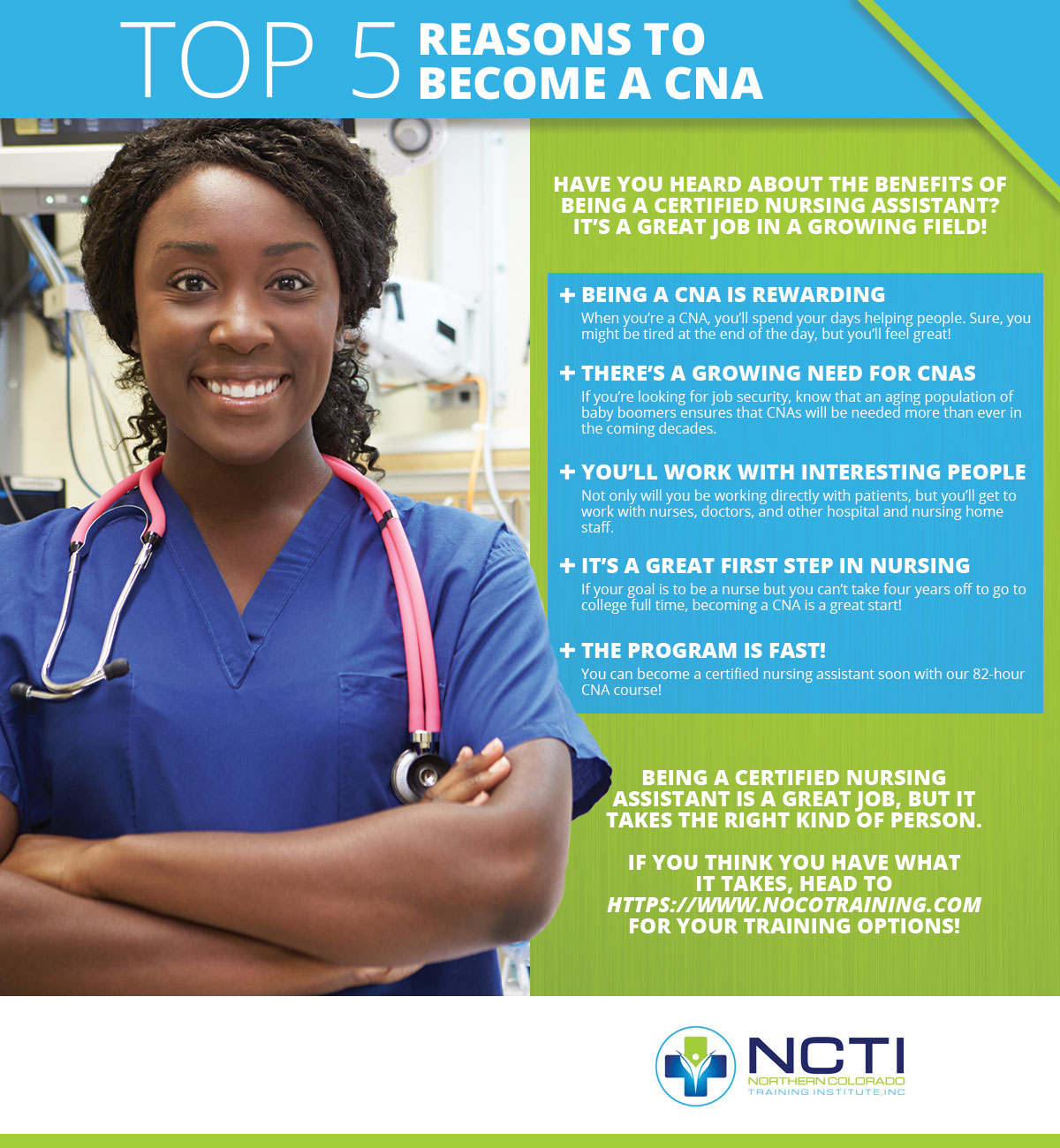
The fundamental role of a CNA is to assist residents with their Activities of Daily Living (ADLs). This encompasses a broad spectrum of personal care tasks. However, what might not be immediately apparent is how these basic functions are being augmented and, in some cases, transformed by the surrounding ecosystem of technology, brand strategy, and financial considerations. Understanding these layers provides a more comprehensive picture of the CNA profession today.
The Evolving Role of the CNA: From Bedside to Digital Touchpoints
The core responsibilities of a CNA in a nursing home remain steadfast in their commitment to resident well-being. Yet, the tools and context within which they operate are undergoing significant evolution.
Essential Care and Resident Well-being
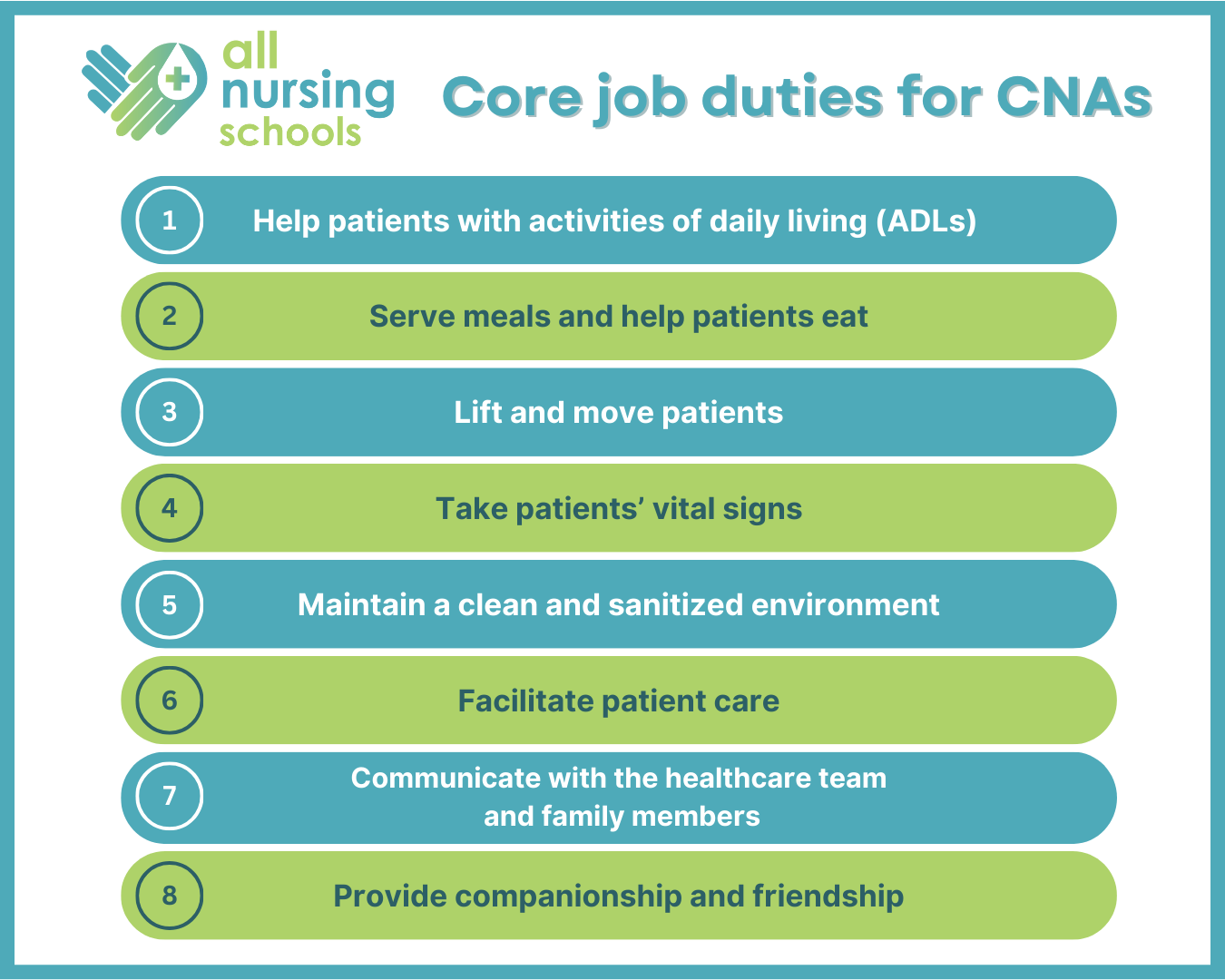
At its heart, a CNA’s job is to provide direct, hands-on care to residents who may have chronic illnesses, disabilities, or cognitive impairments. This includes:
- Personal Hygiene: Assisting with bathing, showering, oral care, grooming, and dressing. This is often a highly personal and intimate aspect of care, requiring sensitivity, patience, and respect for resident dignity. CNAs are the frontline in ensuring residents feel clean, comfortable, and presentable, which significantly impacts their self-esteem and overall mood.
- Mobility and Transfers: Helping residents move from their beds to wheelchairs, assisting with walking, and repositioning them in their chairs or beds to prevent pressure sores. This requires physical strength, proper body mechanics, and an understanding of safe transfer techniques to protect both the resident and the CNA.
- Nutrition and Hydration: Assisting with feeding, ensuring residents are drinking enough fluids, and monitoring for any swallowing difficulties or changes in appetite. This is crucial for maintaining resident health and preventing dehydration and malnutrition.
- Toileting: Assisting with using the toilet, bedpans, or commodes, and maintaining proper hygiene after use. This is a sensitive task that requires discretion and a non-judgmental attitude.
- Vital Signs Monitoring: Taking and recording vital signs such as temperature, pulse, respiration rate, and blood pressure. These measurements are critical for tracking a resident’s health status and alerting nurses to any changes.
- Observation and Reporting: CNAs spend the most direct time with residents, making them invaluable observers of subtle changes in their physical and mental condition. They are responsible for reporting any concerns, such as pain, changes in behavior, skin breakdown, or decreased appetite, to the nursing staff promptly. This early detection can be critical in preventing serious health complications.
- Emotional Support: Beyond physical care, CNAs provide companionship, listen to residents’ concerns, and offer emotional support. They often become trusted confidantes, fostering a sense of connection and reducing feelings of loneliness and isolation.
Integrating Technology into Daily Care
The digital revolution is not bypassing the nursing home environment, and CNAs are increasingly on the front lines of this technological integration. While the technology might seem less glamorous than the latest AI gadgets, its impact on care delivery and efficiency is profound.
Digital Record-Keeping and Communication Tools
- Electronic Health Records (EHRs): Many nursing homes have transitioned from paper charts to EHR systems. CNAs are often responsible for inputting data directly into these systems, such as vital signs, intake and output, and observations. This requires basic computer literacy and the ability to navigate software interfaces.
- Mobile Devices and Tablets: CNAs may use tablets or mobile devices to access resident care plans, log observations in real-time, and receive electronic task assignments. This streamlines communication and ensures that care is documented accurately and promptly.
- Communication Apps: Secure messaging apps or internal communication platforms can facilitate quick communication between CNAs, nurses, and other care team members, improving coordination and response times.
Assistive Technologies and Monitoring Devices
- Wearable Sensors: In some advanced facilities, residents might wear wearable devices that monitor activity levels, sleep patterns, or even fall detection. CNAs play a role in ensuring these devices are properly fitted and functioning, and in responding to alerts.
- Smart Beds and Pressure Monitoring: Advanced beds can monitor resident positioning and alert staff to the need for repositioning to prevent pressure ulcers. CNAs are key in responding to these alerts and implementing the necessary interventions.
- Telehealth Integration: While less common for direct CNA tasks, CNAs might assist residents in preparing for or participating in telehealth appointments, ensuring they are positioned correctly and have access to necessary technology.
Challenges and Training in Tech Adoption
The adoption of new technologies presents both opportunities and challenges. CNAs may require ongoing training to effectively use new software and devices. Resistance to change, technical glitches, and the need for reliable Wi-Fi infrastructure are all factors that influence the successful integration of technology. However, when implemented effectively, these tools can reduce administrative burden, improve accuracy, and ultimately enhance the quality of resident care.
The CNA as a Brand Ambassador: Shaping Perceptions and Experiences
The “brand” of a nursing home extends far beyond its marketing materials. It’s built on the daily experiences of its residents, their families, and indeed, its staff. CNAs are often the most visible and consistent point of contact for residents and their loved ones, making them unintentional yet powerful brand ambassadors.
The Direct Impact on Resident and Family Satisfaction
- First Impressions: For families touring a facility or new residents arriving, the interactions they have with CNAs can significantly shape their initial perception of the care quality and overall atmosphere. A warm, respectful, and efficient CNA can create a positive first impression that lingers.
- Ongoing Relationship Building: CNAs spend a significant amount of time with residents, fostering relationships built on trust and familiarity. The quality of these relationships directly influences the resident’s sense of comfort, safety, and belonging, which are core components of a positive brand experience.
- Communication with Families: CNAs are often the first point of contact for families with questions or concerns about their loved one’s daily well-being. How they communicate, their attentiveness, and their ability to relay information accurately contribute to the family’s perception of the facility’s transparency and responsiveness – critical elements of its brand.
- Advocacy for Residents: When a CNA advocates for a resident’s needs, whether it’s a request for a specific comfort item or a concern about their health, they are not only acting in the best interest of the resident but also reinforcing the facility’s commitment to personalized care, a key brand differentiator.
Contributing to the Facility’s Reputation
- Word-of-Mouth Marketing: Satisfied residents and their families are the most powerful marketing tool. Positive experiences, often directly attributable to the compassionate and skilled care provided by CNAs, lead to strong word-of-mouth referrals, which are invaluable for a nursing home’s reputation and occupancy rates.
- Online Reviews and Testimonials: In the digital age, online reviews and testimonials play a significant role in how potential residents and families choose a facility. The collective experiences shared by residents and families, heavily influenced by their interactions with CNAs, directly contribute to these reviews.
- Internal Culture and Morale: A positive and supportive work environment, where CNAs feel valued and empowered, translates into better morale and job satisfaction. This, in turn, often leads to more engaged and compassionate care, further enhancing the facility’s brand reputation. A nursing home that invests in its CNAs is often perceived as a better place to live and work.
The CNA’s Role in Maintaining and Enhancing Brand Standards
While not explicitly responsible for marketing campaigns, CNAs embody the brand’s promise of quality care. Their adherence to facility policies, commitment to resident dignity, and professional conduct are all crucial in upholding the facility’s identity and reputation. This includes understanding and contributing to initiatives that promote a positive living environment, such as engaging residents in activities or ensuring clean and welcoming common areas.
The Financial Landscape of CNA Work: Impacting Retention and Resources
The financial realities of the healthcare industry have a profound impact on the CNA profession, influencing compensation, staffing levels, and the overall resources available for resident care. This, in turn, affects the quality of care provided and the sustainability of the CNA workforce.
Compensation, Benefits, and Career Progression
- Wage Structures: CNAs are typically hourly wage earners, and their compensation can vary significantly based on geographic location, facility type (non-profit vs. for-profit), and experience. Low wages can be a major barrier to attracting and retaining qualified CNAs, leading to understaffing.
- Benefits Packages: The availability and quality of benefits, such as health insurance, paid time off, and retirement plans, are critical factors for CNAs when considering employment. Comprehensive benefits can improve job satisfaction and reduce turnover.
- Opportunities for Advancement: While the core role of a CNA is well-defined, there are pathways for career growth, such as becoming a certified medication aide, a restorative aide, or pursuing further education to become a licensed practical nurse (LPN) or registered nurse (RN). The financial investment required for such advancements, however, can be a hurdle for many.
Staffing Ratios and Resource Allocation
- Impact of Reimbursement Rates: Government reimbursement rates (e.g., Medicare and Medicaid) significantly influence how much nursing homes can afford to spend on staffing and resources. Lower reimbursement rates can lead to pressure to reduce staff, which directly impacts the CNA-to-resident ratio.
- Understaffing and Burnout: Inadequate staffing levels mean that CNAs are often stretched thin, juggling multiple residents’ needs simultaneously. This can lead to increased stress, burnout, and a diminished capacity to provide the high level of care that residents deserve. It can also impact the ability of CNAs to engage in tasks that contribute to the facility’s brand beyond essential care.
- Budgetary Constraints and Quality of Care: Limited budgets can affect the availability of essential supplies, up-to-date equipment, and ongoing training opportunities for CNAs. This can compromise the quality of care and the overall living environment for residents.
Financial Incentives and Workforce Development
- Loan Forgiveness Programs and Scholarships: Initiatives aimed at providing financial assistance for CNA training or offering loan forgiveness for working in underserved areas can help attract individuals to the profession.
- Performance-Based Incentives: Some facilities may explore performance-based bonuses or incentives tied to specific quality metrics or resident satisfaction scores, which can motivate CNAs and align their efforts with the facility’s goals.
- Advocacy for Better Reimbursement: Professional organizations and advocacy groups often work to influence policy decisions regarding reimbursement rates for long-term care, aiming to ensure that facilities have the financial capacity to adequately staff and care for residents, which directly benefits the CNA workforce.
In conclusion, the role of a CNA in a nursing home is far more expansive than often perceived. Beyond the fundamental and compassionate provision of daily care, CNAs are increasingly navigating a landscape shaped by technological advancements that enhance efficiency and care delivery. They are integral to building and maintaining the reputation and brand of their facilities through their daily interactions. Furthermore, the financial structures of the healthcare industry directly influence their working conditions, opportunities for growth, and the overall quality of care they can provide. Understanding these interconnected elements is crucial for appreciating the vital and evolving contribution of CNAs to the well-being of our elderly population.
aViewFromTheCave is a participant in the Amazon Services LLC Associates Program, an affiliate advertising program designed to provide a means for sites to earn advertising fees by advertising and linking to Amazon.com. Amazon, the Amazon logo, AmazonSupply, and the AmazonSupply logo are trademarks of Amazon.com, Inc. or its affiliates. As an Amazon Associate we earn affiliate commissions from qualifying purchases.