
In the intricate world of physics, engineering, and everyday applications, understanding how pressure is measured is fundamental. Among the myriad units used to quantify this pervasive force, “KPA” emerges as a crucial and widely adopted standard. So, what exactly does KPA stand for in pressure? KPA is an abbreviation for kilopascal, a metric unit of pressure. It is derived from the Pascal (Pa), which is the International System of Units (SI) derived unit of pressure, stress, Young’s modulus, and tensile strength. One kilopascal is equivalent to one thousand Pascals (1 kPa = 1000 Pa). This unit helps us express a substantial amount of pressure in a more manageable figure, making it a cornerstone for professionals across diverse industries – from automotive engineers monitoring tire pressure to meteorologists forecasting weather patterns, and from HVAC technicians optimizing building climate control to medical device manufacturers ensuring patient safety. Understanding the kilopascal is not just about knowing an abbreviation; it’s about grasping a critical measurement that underpins technology, influences brand reputation, and impacts financial decisions globally.

Decoding KPA: The Metric of Force
To truly appreciate the significance of the kilopascal, we must first delve into its origins and understand the fundamental concept of pressure itself. Pressure is defined as the force applied perpendicular to the surface of an object per unit area over which that force is distributed. Imagine pushing a thumb tack: the small area of the pin’s tip concentrates the force, creating high pressure. Similarly, a wide surface distributing the same force would result in much lower pressure. This simple principle governs everything from the air in our tires to the structural integrity of skyscrapers.
Understanding Pascals and Kilopascals
The Pascal (Pa) is named after the French mathematician and physicist Blaise Pascal, whose pioneering work in hydrodynamics and hydrostatics laid the groundwork for our modern understanding of pressure. One Pascal is defined as one newton per square meter (1 Pa = 1 N/m²). A newton (N) is the SI unit of force, while a square meter (m²) is the SI unit of area. While the Pascal is the base unit, it’s a relatively small amount of pressure for many practical applications. For instance, the atmospheric pressure at sea level is approximately 101,325 Pascals. Expressing this in kilopascals simplifies the number significantly: 101.325 kPa. This conversion from Pascals to kilopascals (by dividing by 1000) makes KPA a much more convenient and commonly used unit for a wide range of measurements, making calculations and communication more efficient in technical and scientific fields.
Common Pressure Units and Conversion
While KPA is a standard in the metric system, it’s important to recognize that other units of pressure are still prevalent, particularly in countries adhering to imperial measurements or specific industry traditions. The most common alternatives include:
- Pounds per Square Inch (PSI): Predominantly used in the United States, especially for tire pressure, water pressure, and some industrial applications.
- Bar: Roughly equivalent to atmospheric pressure at sea level (1 bar = 100 kPa), often used in industrial settings, particularly in Europe.
- Millimeters of Mercury (mmHg) / Torr: Historically used in medical applications (blood pressure) and vacuum measurements.
- Atmosphere (atm): A non-SI unit, often used as a reference point for comparing pressure to average atmospheric pressure at sea level.
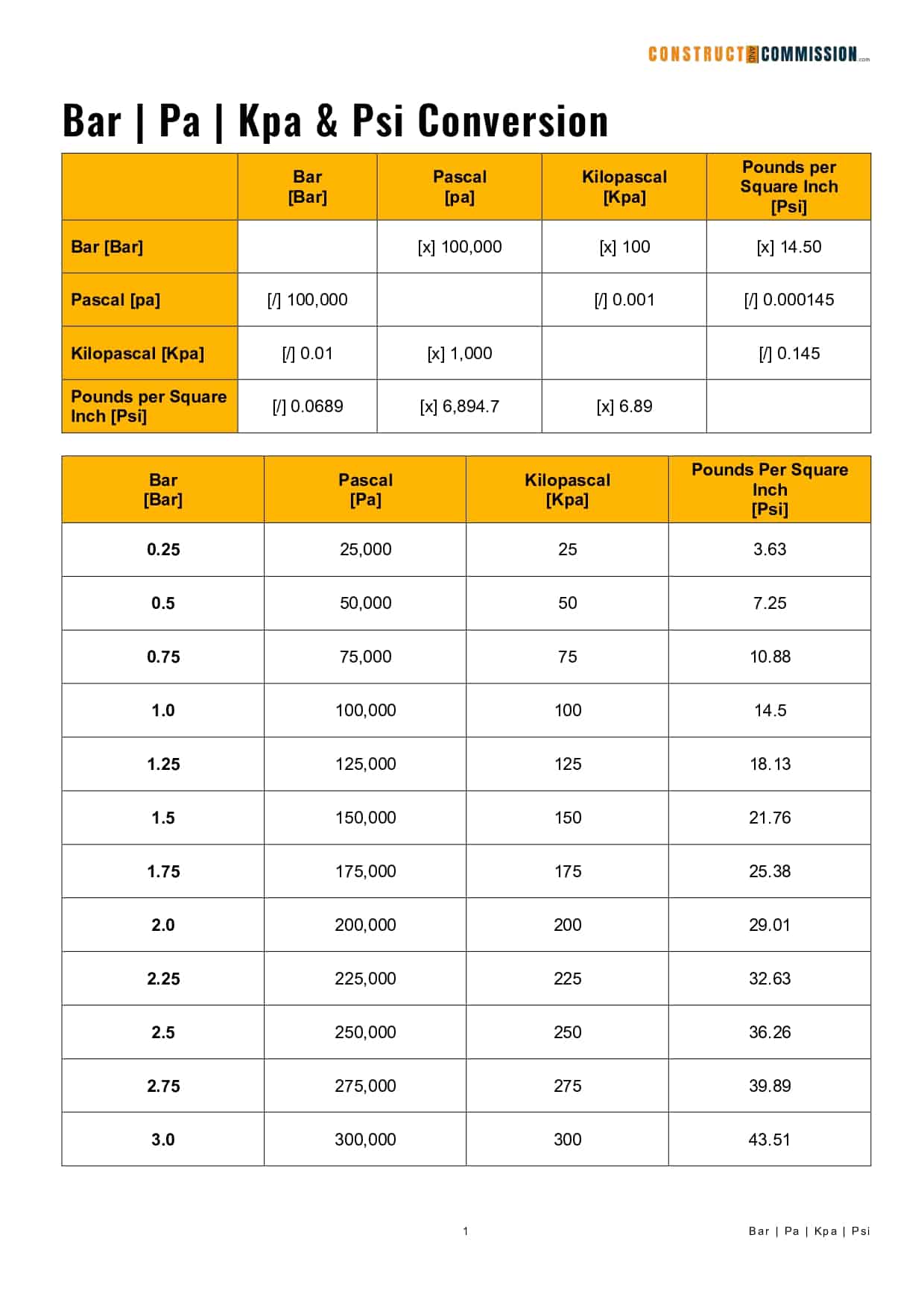
Understanding the conversion between these units is vital for global collaboration and interoperability in tech and manufacturing. For example, 1 PSI is approximately 6.895 kPa, and 1 bar is exactly 100 kPa. The SI system’s logical derivation and global adoption make KPA a preferred unit in many modern contexts, simplifying data exchange and reducing errors across international projects and digital platforms.
KPA in the Digital Age: Tech Applications and Innovation
The relevance of KPA extends far beyond theoretical definitions; it is an integral component of modern technology, driving innovation and efficiency across countless sectors. As technology advances, our ability to measure, monitor, and react to pressure changes becomes increasingly sophisticated, often leveraging KPA as the standard unit for data capture and analysis.
From Sensors to Smart Systems: KPA in Technology
Pressure sensors are ubiquitous in today’s technological landscape, forming the backbone of smart systems and automated processes. These devices translate physical pressure into electrical signals, which are then interpreted as KPA values. Their applications are incredibly diverse:
- Automotive Industry: Tire pressure monitoring systems (TPMS) are a prime example. These systems continuously measure tire pressure in KPA (or PSI), alerting drivers to underinflated tires, which can be a significant safety hazard and impact fuel efficiency. Beyond tires, KPA sensors monitor engine oil pressure, brake fluid pressure, and even exhaust gas pressure, all critical for vehicle performance and safety.
- HVAC and Building Management: KPA measurements are crucial for optimizing heating, ventilation, and air conditioning systems. They monitor differential pressure across filters to indicate when they need replacement, manage refrigerant levels, and ensure proper airflow, contributing to energy efficiency and occupant comfort.
- Medical Devices: From blood pressure monitors (often displaying mmHg but internally converting to KPA) to sophisticated ventilators and infusion pumps, precise pressure measurement in KPA is critical for patient care and safety.
- Industrial Automation: Manufacturing plants rely heavily on KPA sensors to monitor hydraulic and pneumatic systems, process control in chemical plants, and maintain optimal pressure in pipelines and storage tanks. Deviations in pressure can indicate equipment malfunctions, potential leaks, or inefficient operations.
- Consumer Electronics: Even in everyday gadgets, KPA plays a role. Barometers in smartphones and smartwatches use KPA to estimate altitude and track weather patterns, enhancing user experience and providing valuable environmental data.
- Internet of Things (IoT): The proliferation of IoT devices means KPA readings from countless sensors are being integrated into vast networks. Smart homes monitor water pressure, smart farms track irrigation system pressure, and smart cities deploy sensors for environmental monitoring, all contributing to a more connected and data-driven world.
Software, AI, and Predictive Analytics with Pressure Data
The digital age has transformed how we use KPA data. It’s no longer just about reading a gauge; it’s about harnessing vast datasets of pressure readings to inform intelligent systems.

- Data Acquisition and Visualization Software: Specialized software platforms collect real-time KPA data from multiple sensors, displaying it in user-friendly dashboards. These tools allow engineers and operators to monitor trends, set alerts for critical thresholds, and perform historical analysis.
- AI and Machine Learning for Predictive Maintenance: By feeding continuous KPA data into AI algorithms, systems can learn normal operating patterns and detect subtle anomalies that might indicate impending equipment failure. For example, a gradual, consistent drop in hydraulic pressure (measured in KPA) might signal a pump wearing out, allowing for proactive maintenance rather than costly reactive repairs. This shift from reactive to predictive maintenance significantly reduces downtime and operational costs.
- Process Optimization and Efficiency: AI-driven analytics can identify optimal pressure settings for industrial processes, reducing energy consumption and material waste. In HVAC systems, KPA data combined with environmental factors allows AI to dynamically adjust pressure and airflow, maximizing energy efficiency while maintaining desired climate conditions.
- Digital Twins and Simulation: KPA data helps create “digital twins” of physical assets – virtual replicas that behave identically to their real-world counterparts. Engineers can then simulate various pressure scenarios without risking physical equipment, optimizing designs and operational strategies before deployment.
- Cybersecurity for Pressure Systems: As KPA data becomes more integrated into networked systems, securing these data streams and control mechanisms is paramount. Protecting against unauthorized access or manipulation of pressure readings is a critical aspect of digital security in industrial and critical infrastructure environments.
The Brand and Business Impact of Precise Pressure Measurement
In a competitive global marketplace, precision, reliability, and safety are not just technical specifications; they are powerful brand differentiators. The accurate measurement and management of pressure, quantified in KPA, directly influence a company’s reputation, product quality, and market position.
Building Trust: Pressure Accuracy and Brand Reputation
For any brand involved in manufacturing, engineering, or service delivery where pressure is a factor, accuracy is paramount. Inaccurate pressure measurements can lead to a cascade of negative consequences that severely damage a brand’s trust and credibility:
- Safety and Regulatory Compliance: In industries like automotive, aerospace, medical devices, and oil & gas, precise KPA readings are often mandated by stringent safety regulations. A failure to comply, potentially due to faulty pressure sensors or inaccurate calibration, can result in product recalls, costly fines, and, most critically, endanger lives. A brand associated with safety failures quickly loses consumer and industry trust.
- Product Quality and Performance: For manufacturers of products like tires, pumps, or industrial machinery, accurate pressure specifications directly relate to product performance and longevity. A tire manufacturer promoting optimal performance at a certain KPA value needs to ensure their products consistently meet and maintain that pressure. Deviations impact efficiency, wear, and overall customer satisfaction.
- Customer Loyalty: When customers rely on a product or service where pressure is a key factor (e.g., a home HVAC system, a car’s braking system), their experience is directly tied to the accurate functioning of pressure-related components. Brands that consistently deliver reliable performance build strong customer loyalty, while those with frequent pressure-related issues face widespread dissatisfaction and negative reviews.
- Corporate Identity and Social Responsibility: Companies committed to environmental sustainability often use KPA data to optimize processes, reduce energy consumption, and minimize emissions. This commitment becomes part of their corporate identity, showcasing responsible practices and enhancing their brand image among environmentally conscious consumers and investors.
Marketing and Branding in the Pressure Measurement Industry
Companies that produce pressure measurement devices, sensors, and related software solutions also employ sophisticated branding and marketing strategies to highlight their expertise and product superiority.
- Highlighting Precision and Reliability: Brands like Wika, Honeywell, and Endress+Hauser emphasize the extreme accuracy, durability, and reliability of their KPA-reading pressure sensors. Their marketing often focuses on certifications, adherence to international standards, and rigorous testing protocols to assure clients of data integrity.
- Innovating with Smart Solutions: With the rise of IoT and AI, companies market not just pressure sensors but integrated solutions. They brand themselves as providers of “smart pressure monitoring systems,” “predictive maintenance platforms,” or “digital pressure management tools,” showcasing how their technology goes beyond simple measurement to deliver actionable insights in KPA.
- Specialization and Niche Markets: Some brands focus on highly specialized pressure applications, such as ultra-high-pressure sensors for deep-sea exploration or miniature KPA sensors for medical implants. Their branding targets specific industries, emphasizing their deep understanding of unique challenges and compliance requirements.
- Educational Content and Thought Leadership: Many industry leaders engage in content marketing, publishing white papers, tutorials, and webinars that explain concepts like KPA, discuss industry best practices, and highlight their solutions. This establishes them as thought leaders, building credibility and influencing purchasing decisions.
- Case Studies and Success Stories: Demonstrating how their KPA measurement solutions have helped clients achieve significant operational efficiencies, cost savings, or enhanced safety is a powerful branding tool. These case studies provide tangible evidence of value and reinforce a brand’s reputation for delivering results.
The Financial Equation: KPA, Efficiency, and Investment
The precise understanding and application of KPA extend directly into the financial health of businesses, personal finance, and the broader investment landscape. From optimizing operational costs to identifying lucrative market opportunities, KPA plays a silent yet significant role in financial outcomes.
Optimizing Costs and Maximizing Returns with KPA Data
The financial benefits derived from accurate KPA measurements are substantial and pervasive:
- Energy Efficiency: In industrial settings, HVAC systems, and even personal vehicles, optimal pressure levels (measured in KPA) directly correlate with energy consumption. Underinflated tires, for instance, lead to increased fuel consumption. Suboptimal pressure in a factory’s pneumatic system wastes compressed air, a significant energy cost. By monitoring and maintaining correct KPA values, businesses and individuals can drastically reduce utility bills and fuel expenses, translating to direct savings and improved profit margins.
- Preventative Maintenance: As discussed, KPA data, especially when analyzed by AI, enables predictive maintenance. Instead of costly breakdowns that halt production and require emergency repairs, maintenance can be scheduled proactively based on early indicators of pressure deviation. This minimizes downtime, extends equipment lifespan, and avoids the exorbitant costs associated with unforeseen failures. This directly impacts a company’s business finance by reducing capital expenditure on new equipment and minimizing operational losses.
- Waste Reduction: In chemical processes or manufacturing, maintaining precise KPA values is often critical for product quality. Deviations can lead to spoiled batches, material waste, and the need for rework, all of which incur significant financial losses. Accurate KPA monitoring ensures consistent quality, reducing waste and enhancing resource efficiency.
- Safety and Insurance Costs: Avoiding accidents caused by pressure-related failures (e.g., ruptures in pipelines, explosions in pressurized tanks) has immense financial benefits. Beyond the human cost, accidents lead to expensive property damage, legal liabilities, increased insurance premiums, and reputational damage. Investing in reliable KPA monitoring systems is an investment in safety, ultimately reducing long-term financial risks.
- Regulatory Compliance and Fines: Many industries face heavy fines for non-compliance with pressure-related safety and environmental regulations. Accurate KPA record-keeping and monitoring help businesses avoid these penalties, safeguarding their financial standing.
Investment Opportunities and the Pressure Technology Market
The criticality of pressure measurement translates into a robust and growing market for related technologies, presenting attractive investment opportunities.
- Growth in Sensor Technology: The demand for highly accurate, miniature, and robust KPA sensors is booming across all sectors. This includes MEMS (Micro-Electro-Mechanical Systems) pressure sensors for consumer electronics, industrial-grade sensors for harsh environments, and specialized medical sensors. Investors can look at companies innovating in sensor design, materials science, and manufacturing processes.
- IoT and Smart System Integration: Companies that develop platforms and software integrating KPA data from numerous IoT devices into comprehensive smart systems are highly attractive. This includes firms specializing in data analytics, cloud infrastructure for sensor data, and AI-driven predictive maintenance solutions. The growth of the IoT sector directly fuels the demand for sophisticated pressure monitoring.
- Specialized Calibration and Maintenance Services: As pressure sensors become more complex and critical, the need for expert calibration, maintenance, and repair services grows. Businesses offering these specialized services, often leveraging advanced calibration equipment and digital tools, represent stable investment opportunities.
- Sustainable Technologies: With a global push towards sustainability, technologies that use KPA for energy efficiency (e.g., optimizing HVAC, smart grids, renewable energy systems) are becoming increasingly important. Companies focused on these “green tech” solutions, where pressure management plays a role, align with long-term investment trends.
- Personal Finance and Side Hustles: While less direct, understanding pressure can even inspire personal financial ventures. For example, individuals with technical expertise might offer independent calibration services for small businesses, or develop apps that help users monitor and optimize tire pressure for fuel savings, turning technical knowledge into online income or a lucrative side hustle.
In conclusion, the kilopascal (KPA) is far more than just a unit of measurement. It is a fundamental concept that bridges the gap between raw physical force and the sophisticated technological systems that define our modern world. From enabling smart devices and predictive analytics in the tech sector to safeguarding brand reputation through precision and reliability, and from driving substantial financial efficiencies to opening avenues for lucrative investment, KPA is an invisible yet indispensable force shaping our interconnected lives. A thorough understanding of KPA is therefore not just for engineers and scientists, but for anyone seeking to navigate the complexities of our technologically advanced, financially driven, and brand-conscious society.
aViewFromTheCave is a participant in the Amazon Services LLC Associates Program, an affiliate advertising program designed to provide a means for sites to earn advertising fees by advertising and linking to Amazon.com. Amazon, the Amazon logo, AmazonSupply, and the AmazonSupply logo are trademarks of Amazon.com, Inc. or its affiliates. As an Amazon Associate we earn affiliate commissions from qualifying purchases.