
The squash plant, a beloved denizen of gardens across the globe, is far more than just a source of delicious vegetables. It’s a botanical marvel, a testament to nature’s diverse forms, and surprisingly, a fascinating case study when viewed through the lenses of technology, branding, and finance. From its sprawling vines to its vibrant fruits, understanding its visual characteristics offers a deeper appreciation for its role in our lives, our economies, and even our digital futures.
The Anatomy of Abundance: Unveiling the Squash Plant’s Visual Charm
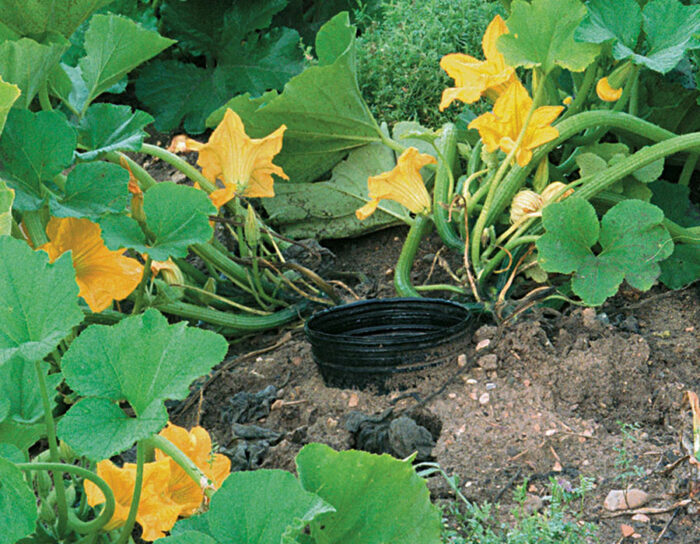
Before delving into the broader implications, let’s anchor ourselves in the fundamental question: what does a squash plant look like? It’s a creature of impressive vitality, evolving from a tiny seed into a prolific producer of one of the world’s most versatile food crops. Its appearance varies significantly between varieties, from compact bush types to vigorous vining forms, but certain core features unite them.
From Seedling to Sprawling Vine: A Growth Journey
The life cycle of a squash plant begins humbly, with the emergence of two embryonic leaves, known as cotyledons, pushing through the soil. These initial leaves are often small and rounded, distinct from the plant’s true leaves that soon follow. As the plant matures, its stem rapidly elongates, developing into one of two primary growth habits:
- Bush Varieties: These squash plants, often preferred by home gardeners with limited space, maintain a more compact, upright form. Their stems remain relatively short, and the plant doesn’t spread extensively. Examples include certain types of zucchini and yellow squash. Visually, they form a dense mound of foliage from which flowers and fruits emerge close to the central stem.
- Vining Varieties: The quintessential image of a squash plant often involves its trailing, often aggressive vines. These varieties produce long, flexible stems that can stretch for many feet, sometimes even tens of feet, across the garden. These vines are typically covered in small, prickly hairs and equipped with tendrils—delicate, coiling structures that help the plant cling to supports or other vegetation, allowing it to climb. This vining habit is common among pumpkins, butternut squash, and many winter squash types, demanding significant garden real estate.
Regardless of their growth habit, squash stems are robust, designed to support heavy foliage and the substantial weight of their fruits. Their texture is often slightly ribbed and can range from light green to a deeper, more mature green.
Leaves of Life: Function and Form
The foliage of a squash plant is one of its most defining visual features. Squash leaves are generally large, broad, and palmate, meaning they are lobed in a way that resembles an open hand. The number and depth of the lobes can vary, giving each variety a subtly different leaf shape. Their color is typically a rich, deep green, though some varieties might exhibit lighter green or even variegated patterns.
A distinctive characteristic of squash leaves, and indeed many parts of the plant, is their texture. They are often covered in fine, bristly hairs, giving them a slightly rough or sandpaper-like feel. These hairs serve a protective function, deterring pests and reducing water loss. The sheer size of the leaves allows for efficient photosynthesis, harnessing ample sunlight to fuel the rapid growth of both the plant and its fruits.
Golden Blooms and Future Harvests: The Squash Flower
Before the edible squash appears, the plant adorns itself with striking flowers. Squash plants are monoecious, meaning they produce both male and female flowers on the same plant. These blossoms are typically trumpet-shaped, vibrant yellow or golden-orange, and often quite large, making them a beautiful sight in any garden.
- Male Flowers: These usually appear first and are more numerous. They are borne on slender stalks and primarily function to produce pollen. Visually, they lack any swelling at their base.
- Female Flowers: These are identifiable by a miniature, unpollinated squash fruit at the base of the flower, directly behind the petals. This small swelling indicates the ovary, which, if successfully pollinated, will develop into the mature fruit.
Pollination, often carried out by bees and other insects, is crucial for fruit set. Observing these distinct flowers helps gardeners understand the plant’s reproductive cycle and can even offer clues about potential harvesting success.
The Prized Fruit: A Kaleidoscope of Shapes and Colors
Finally, we arrive at the star of the show: the squash fruit itself. This is where the visual diversity of the squash family truly shines. Broadly categorized into “summer squash” and “winter squash,” their appearance, texture, and harvest times differ considerably.
- Summer Squash: These are harvested when immature, meaning their skin is tender and edible, and their seeds are soft. They come in a dazzling array of forms:
- Zucchini: Typically long and cylindrical, ranging from dark green to pale green, sometimes striped.
- Yellow Squash: Often comes in straight-neck or crook-neck varieties, characterized by bright yellow skin.
- Pattypan Squash: Distinctive for its saucer-like or scallop-edged shape, often white, yellow, or green.
- Winter Squash: Harvested when mature, these have hard, tough rinds, and their seeds are fully developed. They are known for their excellent storage capabilities.
- Butternut Squash: Pear-shaped with smooth, tan skin and dense, orange flesh.
- Acorn Squash: Resembles an acorn, with dark green, ridged skin that often develops an orange patch where it touches the ground.
- Spaghetti Squash: Oval-shaped with pale yellow skin; its cooked flesh separates into spaghetti-like strands.
- Pumpkins: Perhaps the most famous, pumpkins range from small decorative types to massive giants, typically round and orange, but also found in white, green, and multi-colored varieties.
The fruits hang from the robust vines or emerge from the bush’s center, often nestled beneath the large leaves, protected from direct sun until they mature. Their sheer variety in shape, size, color, and texture makes them visually captivating and endlessly fascinating to grow.
Beyond the Garden Bed: Squash in the Digital Age (Tech Integration)
While a squash plant might seem like a purely organic entity, its cultivation and the broader agricultural landscape are increasingly intertwined with technology. From optimizing growth to protecting yields, tech solutions are revolutionizing how we interact with these humble plants.
Smart Gardening: Cultivating with IoT and AI
The era of smart gardening is upon us, and squash plants are benefiting directly. Imagine a garden where sensors are constantly monitoring the precise needs of each plant:
- IoT Sensors: Tiny Internet of Things (IoT) devices can be embedded in the soil to measure moisture levels, nutrient content (N-P-K), pH, and even ambient temperature and humidity. These sensors transmit real-time data to a central system or your smartphone, eliminating guesswork from irrigation and fertilization. For a squash plant, which demands consistent moisture, this precise control prevents both overwatering and drought stress, leading to healthier growth and better yields.
- Automated Irrigation Systems: Linked to IoT sensors, smart irrigation systems can automatically deliver the exact amount of water needed, at the optimal time. This conserves water, reduces labor, and ensures the squash plants receive ideal hydration for robust fruit development.
- AI for Plant Health and Yield Prediction: Artificial intelligence is stepping into the garden with advanced capabilities. AI-powered image recognition software can analyze photos of squash leaves to detect early signs of pests, diseases (like powdery mildew, a common squash ailment), or nutrient deficiencies, often before they are visible to the human eye. Furthermore, AI algorithms can process data from sensors, weather forecasts, and historical yield data to predict harvest times and potential crop yields with remarkable accuracy, helping commercial growers and even avid home gardeners plan more effectively.

Apps and Digital Tools for the Modern Grower
Beyond hardware, a host of software applications and digital tools are making squash cultivation more accessible and productive for everyone.
- Gardening Apps: Numerous mobile applications exist that help users identify squash varieties, provide detailed care instructions (planting depth, spacing, watering schedules), offer pest and disease troubleshooting guides, and even track planting dates and harvest windows. These apps act as a digital garden assistant, making complex horticultural knowledge readily available.
- Digital Security for Agricultural Data: For larger-scale growers or agricultural businesses, managing sensitive data related to crop yields, soil conditions, proprietary seed strains, and financial performance requires robust digital security. Protecting this data from cyber threats is crucial for maintaining competitive advantage and operational integrity.
- Productivity Software for Farm Management: Even small-scale squash farmers can leverage productivity tools for tasks like inventory management (seeds, fertilizers), scheduling plantings and harvests, managing labor, and maintaining meticulous records. Cloud-based platforms allow for collaborative work and remote monitoring, enhancing overall efficiency. The integration of QR codes on plant tags, for instance, could link directly to a digital record of that plant’s specific growth history, enabling hyper-personalized care.
From Plot to Plate: Branding and Marketing Your Squash Harvest (Brand Integration)
The visual appeal of a squash plant and its fruit extends far beyond the garden. In a competitive marketplace, how a squash is presented and perceived can significantly impact its value, illustrating the power of branding and marketing in agriculture.
Cultivating Identity: Personal and Corporate Branding in Agriculture
Whether you’re a small organic farmer or a large agricultural enterprise, cultivating a distinct brand identity for your squash produce can set you apart.
- Personal Branding for Growers: For an individual farmer, their personal story—their passion for sustainable practices, their commitment to heirloom varieties, or their family’s farming legacy—can become a powerful brand narrative. Imagine a farmer known for growing a particularly sweet ‘Honey Bear’ acorn squash, whose image and story are synonymous with quality and tradition. This personal connection builds trust and loyalty among consumers.
- Corporate Identity for Farms: Larger farms or cooperatives need a cohesive corporate identity. This includes a distinctive farm name, logo design, and a consistent visual style that communicates their values—be it organic certification, local sourcing, or innovative farming techniques. A well-designed logo featuring a stylized squash or leaf can instantly convey the farm’s focus and quality.
- Marketing the Uniqueness of Squash: The incredible diversity of squash varieties offers unique branding opportunities. Highlighting the distinctive flavor profile of a ‘Delicata’ squash, the robust nutritional value of a ‘Butternut’, or the culinary versatility of ‘Spaghetti’ squash can attract specific consumer segments. Storytelling around the heritage of heirloom varieties or the sustainable practices used to grow them adds depth to the brand.
Digital Footprint and Market Reach
In today’s digital age, a strong online presence is critical for marketing squash and building a brand.
- Website and Social Media Presence: A well-designed website can showcase the farm’s story, list available squash varieties, provide recipes, and even facilitate direct-to-consumer sales. Social media platforms (Instagram, Facebook, TikTok) are ideal for sharing visually appealing photos and videos of squash plants in various growth stages, harvesting, and culinary preparations. Hashtags like #farmtofork, #locallygrown, #squashlove, and #eatyourveggies help reach wider audiences.
- Packaging Design: The aesthetic appeal of the squash itself can be enhanced by thoughtful packaging. Recyclable, attractive packaging that clearly displays the farm’s logo and tells a brief brand story can significantly influence purchasing decisions at farmers’ markets or grocery stores. For example, a rustic paper band around a small pumpkin, or a breathable mesh bag for multiple zucchini, can elevate the product’s perceived value.
- Case Studies in Squash Branding: Consider the hypothetical “Golden Harvest Farms,” known for its rare, vibrant orange-fleshed zucchini. By investing in professional photography, creating engaging social media content showcasing the plant’s unique appearance and the farm’s sustainable methods, and packaging their zucchini with a distinctive golden label, they transformed a common vegetable into a premium product, attracting health-conscious consumers and high-end restaurants alike. Their reputation for quality and innovation became their strongest asset.
Sowing Seeds of Prosperity: The Financial Harvest of Squash (Money Integration)
Growing squash can also be a surprisingly savvy financial move, offering benefits ranging from personal savings to significant business income, demonstrating its place within the broader sphere of financial planning and investment.
Personal Finance: The Cost-Saving and Income Potential
For the average household, cultivating squash can directly impact personal finances:
- Grocery Bill Savings: Squash plants are incredibly prolific producers. A few healthy plants can yield dozens of fruits throughout the growing season, drastically reducing the need to purchase squash from grocery stores. This translates into tangible savings on the weekly food budget.
- Side Hustle and Online Income: Beyond personal consumption, surplus squash can become a source of income. Selling excess produce at local farmers’ markets, through community-supported agriculture (CSA) shares, or even directly from a roadside stand can generate a respectable side income. The unique shapes and colors of squash also lend themselves to online sales, particularly for heirloom seeds or specialty varieties marketed to home gardeners. Value-added products, such as homemade squash purees, roasted squash seeds, or even decorative gourds, can command higher prices and open new income streams.
Investing in Growth: From Heirloom Seeds to Ag-Tech
Growing squash, whether for personal use or profit, involves various forms of investment:
- Investing in Quality Seeds and Tools: The initial investment in high-quality, often heirloom or organic, squash seeds ensures robust plants and superior yields. Investing in durable gardening tools—from basic shovels and hoes to more specialized equipment like trellises for vining varieties—can improve efficiency and longevity of effort.
- Ag-Tech Investments: For commercial growers, investing in the aforementioned smart gardening technologies (IoT sensors, automated irrigation, AI analysis) can lead to significant long-term returns through increased yields, reduced resource consumption (water, fertilizer), and optimized labor. This capital expenditure, while initially high, can dramatically improve profitability and sustainability.
- Return on Investment (ROI): Calculating the ROI on gardening efforts is crucial, especially for side hustles or small businesses. This involves tracking input costs (seeds, soil amendments, water, labor) against the value of the harvested produce. The high yield potential of squash often translates into a very favorable ROI, making it an attractive crop for both personal savings and entrepreneurial ventures.
Monetizing the Yield: Business Models for Squash Growers
For those looking to turn their squash harvest into a more substantial financial endeavor, various business models exist:
- Direct-to-Consumer (D2C) Sales: Farmers’ markets, CSAs, and farm stands allow growers to sell directly to consumers, cutting out intermediaries and capturing a larger share of the profit. This model also fosters community connection and allows for direct feedback from customers.
- Wholesale to Restaurants and Grocery Stores: Larger operations can explore wholesale opportunities with local restaurants, catering companies, and independent grocery stores, providing a more consistent and higher-volume sales channel.
- Value-Added Products: Processing squash into items like canned pumpkin puree, frozen squash cubes, roasted seed snacks, or even baked goods (squash bread, muffins) can significantly increase profitability by extending shelf life and appealing to a wider market.
- Financial Planning and Tools: Managing the finances of a squash-growing venture requires careful planning. Utilizing budgeting software, expense tracking apps, and sales forecasting tools can help growers manage cash flow, identify profitable avenues, and plan for future investments and expansion. Understanding market prices, seasonal demand, and storage costs are also critical components of successful financial management.

Conclusion: A Holistic View of the Humble Squash Plant
From its initial sprouting to its final, bountiful fruit, the squash plant is a testament to nature’s productivity and beauty. Its distinctive features—broad leaves, sprawling or compact stems, vibrant flowers, and an astonishing array of fruits—make it a visual delight in any garden. Yet, its story extends far beyond mere aesthetics.
By examining the squash plant through the lenses of technology, branding, and finance, we uncover layers of modern relevance. Technological advancements are transforming its cultivation, enabling smarter, more efficient, and sustainable growing practices. Strategic branding and marketing transform a simple vegetable into a desirable product with a unique story, connecting growers with consumers on a deeper level. And finally, its economic potential, from personal savings to lucrative entrepreneurial ventures, underscores its significant contribution to our financial well-being. The humble squash plant, therefore, is not just a source of food; it’s a vibrant intersection of nature, innovation, commerce, and community, continually evolving in its significance.
aViewFromTheCave is a participant in the Amazon Services LLC Associates Program, an affiliate advertising program designed to provide a means for sites to earn advertising fees by advertising and linking to Amazon.com. Amazon, the Amazon logo, AmazonSupply, and the AmazonSupply logo are trademarks of Amazon.com, Inc. or its affiliates. As an Amazon Associate we earn affiliate commissions from qualifying purchases.