
In our increasingly interconnected world, where technology streamlines our lives, brands vie for our attention, and financial acumen dictates our prosperity, it’s easy to overlook the foundational elements that support our well-being and the efficiency of our physical environments. One such unsung hero, often neglected but profoundly impactful, is the humble air filter within our heating, ventilation, and air conditioning (HVAC) systems. Whether in a smart home, a bustling corporate office, or a high-tech data center, the air filter plays a critical role in maintaining indoor air quality, protecting sophisticated equipment, and optimizing energy consumption – all factors that directly tie into our well-being, our finances, and even a brand’s reputation.
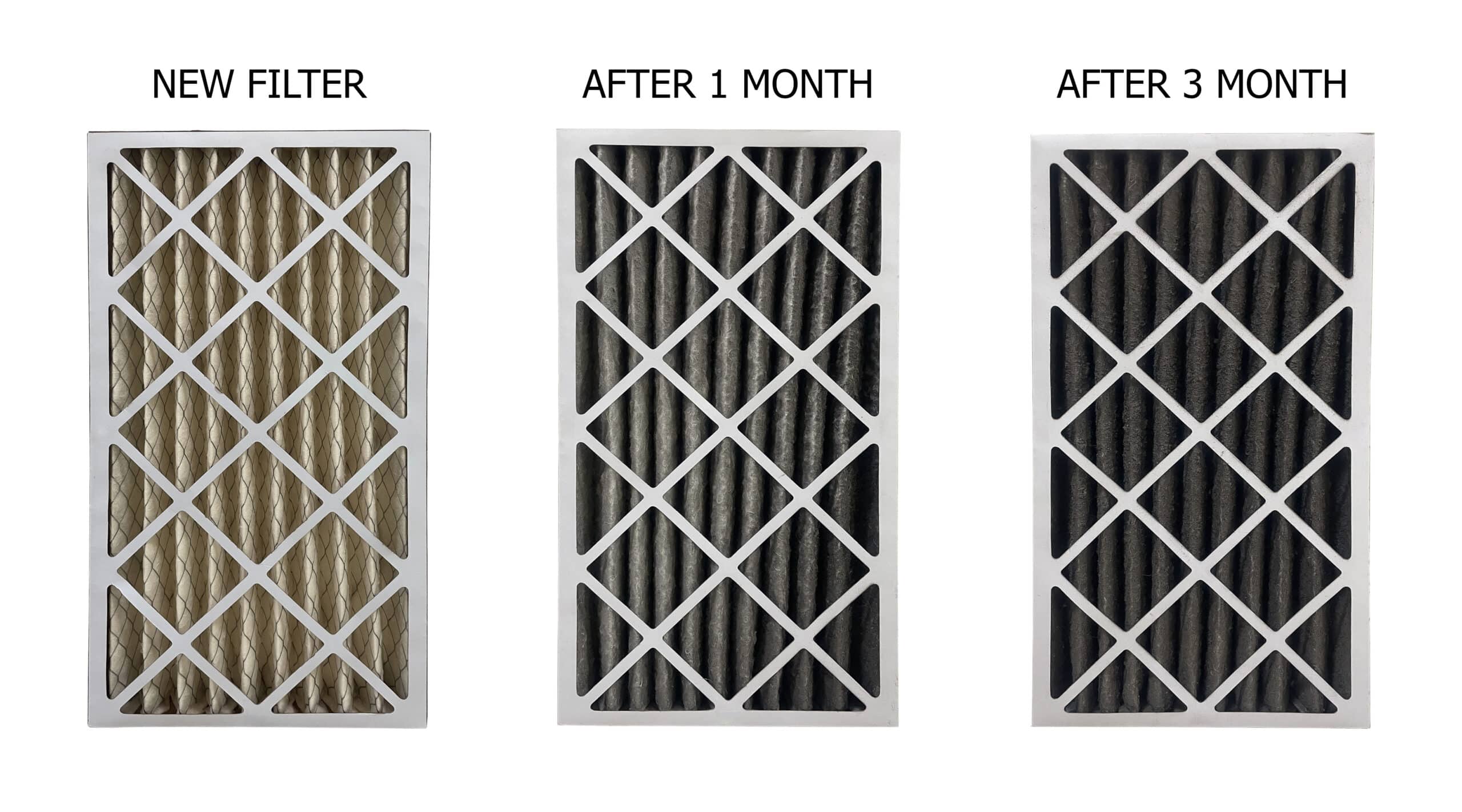
But how do you know when this silent guardian has reached its limit? What does a dirty air filter look like, and why does its appearance signal a cascade of potential problems that can ripple through your tech, your brand, and your money? This article will delve into the visual cues of a compromised air filter, explore the multifaceted consequences of neglect, and highlight proactive strategies to ensure a clean, efficient, and healthy environment.
The Visual Cues: Spotting the Sins of Your Air Filter
Identifying a dirty air filter doesn’t require specialized tools or advanced degrees; often, a quick visual inspection is all it takes. Understanding these tell-tale signs is the first step in preventive maintenance and safeguarding your indoor environment.
Color Transformation: From Pristine White to Muted Grey/Brown
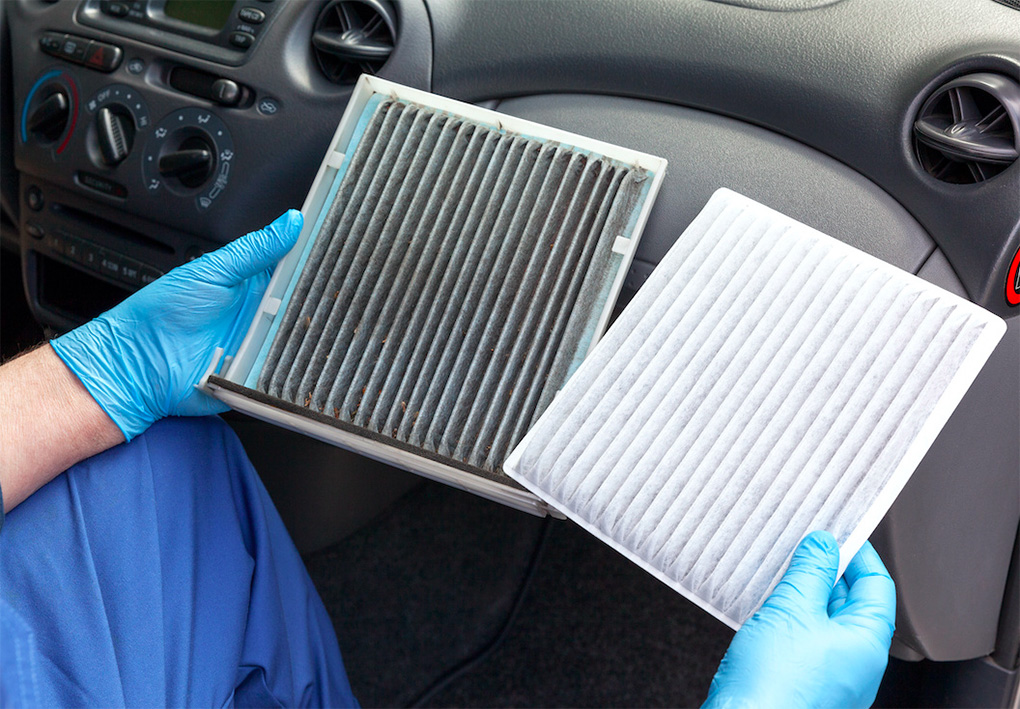
A brand-new air filter typically boasts a crisp, uniform white, light blue, or yellow hue, depending on the manufacturer and material. This pristine appearance signifies its readiness to capture airborne particulates. However, over time, as the filter performs its duty, you’ll notice a distinct darkening of its surface. This transformation usually progresses from a light grey to a much darker, often brownish or blackish, coloration. The discoloration won’t be uniform; areas where air flows most intensely might be darker, and sometimes a distinct layer of dust or lint will be visible on the surface. If your filter has lost its original vibrant color and taken on the dull, muted tones of accumulated grime, it’s a clear indicator that it’s saturated and losing efficiency.
Debris Accumulation: Dust Bunnies and Beyond
Beyond general discoloration, the physical accumulation of debris is a glaring red flag. A severely dirty filter will often have a visible layer of dust, lint, pet hair, pollen, and even small fibers matted onto its surface. This isn’t just a thin film; it can be a thick, fuzzy blanket of airborne particles that literally clogs the pathways meant for air. You might see large clumps of dust bunnies, tangled strands of pet hair, or a dense, uniform layer of fine particulate matter. This physical barrier not only impedes airflow but also reduces the filter’s ability to capture new contaminants effectively, allowing them to recirculate through your home or office, potentially damaging sensitive electronics or affecting occupants’ health.
Structural Integrity: Sagging and Damage
While less common with regularly maintained filters, a severely neglected air filter can suffer structural degradation. The accumulation of heavy debris, combined with the constant pull of the HVAC system, can cause the filter material to sag, bow, or even tear. The frame, usually cardboard or plastic, might warp under the strain, creating gaps around the edges where unfiltered air can bypass the filter entirely. A filter that shows signs of sagging, bowing, or visible tears is not only ineffective but also a potential hazard, as torn pieces could get sucked into the HVAC system, leading to costly repairs. A healthy filter should remain rigid and flat within its frame.
The Olfactory Warning: When Your Filter Smells Off
Sometimes, your nose knows before your eyes do. A dirty air filter can emit a distinct, stale, musty, or even slightly acrid odor, especially when the HVAC system is running. This smell is often caused by trapped dust, mold spores, pet dander, or other organic matter that begins to decompose or release odors as air passes through it. If you notice an unpleasant smell circulating throughout your home or office whenever the system is active, and it dissipates when the system is off, a dirty air filter is a prime suspect. This is particularly relevant in the context of health and well-being, as unpleasant odors often indicate the presence of allergens, volatile organic compounds (VOCs), or mold.
Beyond the Grime: The Hidden Costs and Consequences
The visual evidence of a dirty air filter is merely the tip of the iceberg. The real impact manifests in a series of hidden costs and consequences that affect your finances, the longevity of your technology, and even the “brand” of your personal or corporate environment.
Energy Efficiency and Your Wallet (Money)
One of the most immediate and tangible consequences of a dirty air filter is a significant spike in energy consumption. As the filter becomes clogged, your HVAC system has to work harder to pull air through the restricted pathways. This increased effort translates directly into higher energy bills. The blower motor strains to maintain airflow, consuming more electricity, while the heating or cooling elements might run longer cycles to compensate for inefficient air distribution. Studies suggest that a dirty air filter can increase HVAC energy consumption by 5% to 15%, sometimes even more. Over months and years, these incremental increases add up to substantial financial drain, directly impacting your personal finance or a business’s operational budget. Investing a small amount in regular filter changes yields significant returns in energy savings.
HVAC System Longevity and Performance (Tech, Money)
Your HVAC system is a complex piece of technology, and a dirty air filter is its silent killer. The increased strain on the blower motor can lead to premature wear and tear, eventually requiring expensive repairs or even complete system replacement. Furthermore, restricted airflow can cause the evaporator coil in air conditioning units to freeze up, diminishing cooling capacity and potentially damaging the compressor – the heart of your AC system. For heating systems, reduced airflow can lead to overheating and damage to heat exchangers. These are not minor repairs; compressor replacement or major HVAC overhauls can cost thousands of dollars, a financial blow entirely avoidable with routine filter maintenance. From a technology perspective, allowing your HVAC system to operate under such stress dramatically shortens its lifespan and compromises its designed performance.
Indoor Air Quality (IAQ) and Your Health (Tech, Productivity)
Perhaps the most critical, yet often overlooked, consequence of a dirty air filter is its detrimental effect on indoor air quality (IAQ). When a filter is clogged, its ability to capture new particles diminishes drastically, allowing dust, pollen, pet dander, mold spores, bacteria, and other allergens and pollutants to circulate freely throughout your space. Poor IAQ has profound health implications, leading to increased instances of allergies, asthma attacks, respiratory issues, headaches, fatigue, and general discomfort. In a smart home environment, where air quality sensors might flag issues, the root cause could be a simple filter. In a corporate setting, poor IAQ directly impacts employee health, leading to decreased productivity, increased sick days, and a generally less comfortable and inspiring workspace. From a tech perspective, this is a failure of the environmental control system; from a human perspective, it’s a direct attack on well-being and productivity.
Impact on Electronics and Sensitive Equipment (Tech)
For those deeply entrenched in technology, whether operating a home office filled with gadgets or managing a data center, a dirty air filter poses a unique threat. Increased dust and particulate matter in the air can infiltrate sensitive electronic equipment – computers, servers, networking gear, smart devices, and even delicate lab instruments. Dust acts as an insulator, trapping heat and causing components to overheat, leading to performance degradation, system crashes, and reduced longevity. It can also cause shorts or interfere with moving parts like cooling fans, accelerating wear. Protecting these valuable technological assets requires a clean environment, and a clean air filter is the first line of defense against the invisible enemy of dust.
Brand Perception and Productivity in Commercial Spaces (Brand, Productivity)
In a commercial context, the ramifications of neglected air filters extend to brand perception and employee productivity. A business that provides a dusty, stuffy, or odorous environment inadvertently communicates a lack of care and professionalism. This negatively impacts client impressions, employee morale, and overall brand reputation. Employees working in environments with poor IAQ are less productive, experience more discomfort, and are more prone to illness, directly affecting a company’s bottom line and its ability to deliver on its brand promise. Maintaining optimal air quality through diligent filter changes is a small investment that yields significant dividends in terms of brand trust, employee well-being, and sustained productivity.
Maintaining Optimal Air: A Proactive Approach
Understanding what a dirty air filter looks like and the problems it causes empowers you to take a proactive stance. Strategic maintenance not only prevents costly issues but also enhances your living or working environment.
Regular Inspection and Replacement Schedules
The most straightforward preventative measure is consistent inspection and adherence to a replacement schedule. Most manufacturers recommend checking filters monthly and replacing them every 1 to 3 months, depending on usage, occupancy (pets, children), and environmental factors (pollen seasons, construction nearby). In tech-heavy environments or homes with allergy sufferers, more frequent changes might be necessary. Simply marking your calendar or setting a reminder on your smartphone (a simple tech solution!) can ensure this crucial task isn’t overlooked.
Choosing the Right Filter: MERV Ratings Explained (Tech)
Not all air filters are created equal. The Minimum Efficiency Reporting Value (MERV) rating indicates a filter’s ability to capture airborne particles. MERV ratings range from 1 to 20; higher ratings signify greater filtration efficiency.
- MERV 1-4: Basic filtration, good for capturing large particles like dust and lint. Common in disposable panel filters.
- MERV 5-8: Better for general residential use, capturing pet dander, mold spores, and some fine dust.
- MERV 9-12: Excellent for homes with allergy sufferers or pets, capturing finer particles like humidifier dust, lead dust, and auto emissions.
- MERV 13-16: Hospital-grade filtration, capturing bacteria, tobacco smoke, and microscopic allergens. Some residential systems can accommodate these.
- MERV 17-20: HEPA filters, used in cleanrooms and surgical operating rooms, requiring specialized HVAC systems.
While a higher MERV rating sounds appealing, ensure your HVAC system is designed to handle it. Filters with very high MERV ratings are denser and restrict airflow more, which can strain an incompatible system, negating the benefits and potentially causing damage. Consult your HVAC manual or a professional to determine the optimal MERV rating for your system, balancing filtration efficiency with system compatibility. This informed decision is a smart tech investment.
DIY vs. Professional HVAC Maintenance (Money, Tech)
Replacing an air filter is a simple DIY task that requires minimal time and no special tools, saving you money on labor costs. However, regular professional HVAC maintenance, typically once or twice a year, goes beyond just changing the filter. Technicians can inspect and clean coils, check refrigerant levels, lubricate moving parts, and identify potential issues before they become expensive problems. This comprehensive approach ensures your entire system operates at peak efficiency, extending its lifespan and maintaining optimal indoor air quality. For businesses, a professional maintenance contract is often a wise financial decision, guaranteeing optimal environmental conditions for employees and equipment, which directly supports the company’s brand and productivity goals.
Integrating Smart Home Air Quality Monitors (Tech)
Leveraging modern technology, smart home air quality monitors can provide real-time data on pollutants, VOCs, particulate matter, and humidity levels. Some advanced systems can even integrate with smart thermostats or HVAC controllers, alerting you when air quality drops or even suggesting when a filter might need changing based on detected particle load (though this is less common for simple filters). These gadgets offer peace of mind and allow for data-driven decisions regarding your home’s environment, transforming a reactive maintenance task into a proactive, tech-driven process. This level of oversight empowers homeowners to optimize their indoor environment for health, comfort, and productivity.
The Future of Air Filtration: Smart Solutions and Sustainable Practices
As technology continues to advance, the humble air filter is also evolving. The future of air filtration promises more intelligent, efficient, and environmentally friendly solutions, connecting directly to the themes of technology, brand innovation, and savvy financial management.
AI-Powered Predictive Maintenance for HVAC (Tech)
The integration of Artificial Intelligence (AI) and machine learning into HVAC systems is paving the way for predictive maintenance. Sensors throughout a smart building or advanced home can collect data on airflow, pressure differentials across filters, fan motor strain, and ambient air quality. AI algorithms can then analyze this data to predict when a filter is nearing saturation, before it becomes visually dirty or significantly impacts performance. This allows for just-in-time filter replacement, optimizing maintenance schedules, reducing unnecessary changes, and ensuring continuous peak efficiency. This cutting-edge tech minimizes energy waste, prevents costly breakdowns, and ensures a consistently healthy environment, representing a significant leap in smart building management.
The Rise of Smart Air Purifiers and Integrated Systems (Tech)
Beyond the central HVAC filter, the market for smart air purifiers is booming. These devices, often controlled via apps, can monitor air quality and adjust filtration levels automatically, targeting specific pollutants. In the future, we can expect more seamless integration between whole-home HVAC filtration, smart purifiers, and home automation systems. Imagine a system that automatically increases fan speed or triggers a portable air purifier when pollen counts are high, or VOCs are detected after cooking. These integrated tech solutions promise a truly optimized and responsive indoor environment, contributing to a premium home or office “brand” experience.
Sustainable Filter Materials and Recycling (Tech, Brand)
Environmental consciousness is driving innovation in filter materials. Traditional fiberglass or pleated paper filters often end up in landfills. Research and development are focused on creating more sustainable, biodegradable, or reusable filter media. Technologies like electrostatic filters that can be washed and reused, or filters made from recycled materials, are becoming more prevalent. Brands that champion these eco-friendly filtration solutions not only contribute to a greener planet but also enhance their corporate identity and appeal to environmentally conscious consumers. This aligns with a forward-thinking brand strategy and potentially offers long-term financial benefits through reduced waste disposal costs and improved public perception.

Leveraging Data for Enhanced Air Quality Management (Tech, Money, Brand)
The future will see even greater emphasis on data analytics for air quality management. Businesses, in particular, can leverage data from smart HVAC systems and air quality sensors to gain insights into environmental conditions across their facilities. This data can inform real estate decisions, optimize energy usage, demonstrate commitment to employee well-being (a strong brand message), and even contribute to certifications like WELL Building Standard. For homeowners, accessible data can help identify patterns, such as declining air quality during certain activities or times of the day, leading to more informed decisions about ventilation, filter choices, and overall home management, thus making smart money choices.
In conclusion, understanding what a dirty air filter looks like is far more than a simple visual check; it’s an insight into the intricate web connecting our environment, our technology, our finances, and even our personal and corporate brands. By paying attention to these crucial components, we can foster healthier spaces, protect our investments in technology, make smarter financial decisions, and ultimately build a better, more efficient future.
aViewFromTheCave is a participant in the Amazon Services LLC Associates Program, an affiliate advertising program designed to provide a means for sites to earn advertising fees by advertising and linking to Amazon.com. Amazon, the Amazon logo, AmazonSupply, and the AmazonSupply logo are trademarks of Amazon.com, Inc. or its affiliates. As an Amazon Associate we earn affiliate commissions from qualifying purchases.