
At first glance, the question “What do pliers look like?” might seem disarmingly simple, eliciting an immediate mental image of a common hand tool with two handles and opposing jaws. Yet, beneath this seemingly straightforward appearance lies a world of intricate design, specialized engineering, strategic branding, and significant economic implications. Far from being a monolithic entity, “pliers” encompass a vast family of tools, each meticulously crafted to perform specific tasks, reflecting centuries of innovation and adaptation. In an age dominated by digital advancements, these analog workhorses continue to be indispensable, bridging the gap between manual dexterity and complex problem-solving. This article delves beyond the basic visual, exploring how the form of pliers is shaped by technological progress, how their aesthetics contribute to powerful brand identities, and how their utility translates into tangible financial value, aligning a fundamental tool with the dynamic spheres of tech, brand, and money.
The Fundamental Anatomy of Pliers: Form Follows Function
To truly understand what pliers look like, one must first dissect their core components and appreciate the diverse forms these elements can take. Every variation, from the most basic to the highly specialized, adheres to a principle where design is inherently dictated by its intended use, creating an extensive visual lexicon for this essential tool.
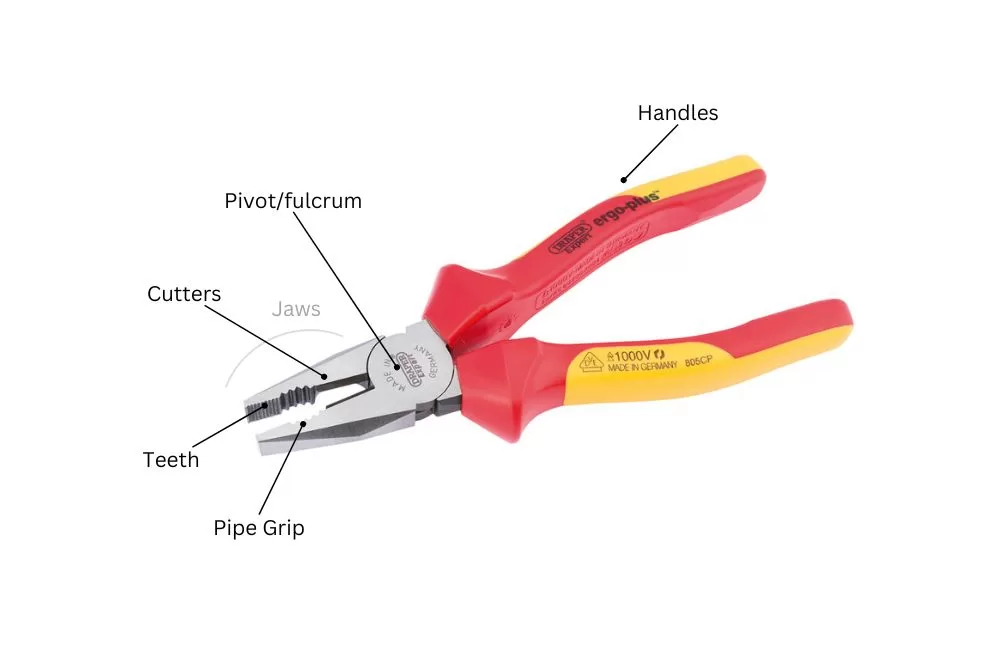
The Core Components: Jaws, Pivot, and Handles
At their heart, all pliers share three fundamental components: the jaws, the pivot, and the handles. The jaws are the working end, designed for gripping, bending, cutting, or holding. Their shape, serration, size, and material are crucial to their function. Some have flat, smooth jaws for delicate work that avoids marring surfaces, while others feature aggressive, interlocking teeth for maximum grip on pipes or fasteners. The jaws can be long and slender, short and stout, angled, or curved, each configuration dictating a different visual and practical outcome.
The pivot is the fulcrum around which the two halves of the pliers rotate, enabling the opening and closing action of the jaws. This pivot point is a critical engineering element, influencing the mechanical advantage (leverage) of the tool. Simple pliers might have a fixed riveted pivot, while more advanced designs incorporate a slip joint, allowing the jaws to open wider for larger objects, or even complex compound pivots that multiply gripping force. The aesthetic of the pivot can range from a discreet pin to a prominent, robust hinge mechanism, often hinting at the tool’s intended heavy-duty or precision application.
Finally, the handles are the user interface, providing the grip and leverage needed to operate the jaws. Visually, handles can vary enormously. Traditionally, they might be bare metal, but modern pliers often feature ergonomic grips made from synthetic materials like rubber, plastic, or composite alloys. These grips are not merely cosmetic; they are engineered for comfort, reducing hand fatigue, and providing insulation against electrical shock. Their color, texture, and contour contribute significantly to the overall look and feel of the pliers, often serving as a visual cue for brand identity and intended application (e.g., bright yellow for high visibility, insulated handles for electrical work).
A Spectrum of Shapes: From Slip-Joint to Lineman’s
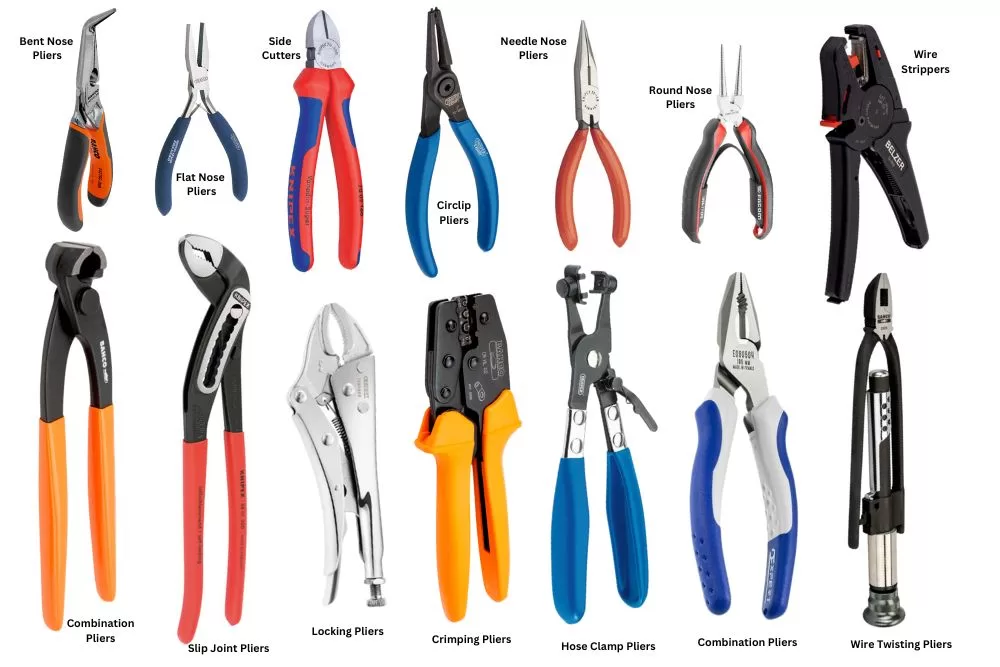
The visual diversity of pliers truly comes to light when examining their various types, each presenting a distinct silhouette tailored for specific tasks:
- Slip-Joint Pliers: Perhaps the most iconic “pliers look,” featuring a movable pivot that allows the jaws to open wider, often with a flat, serrated jaw for general gripping and bending. They are a staple in any basic toolkit.
- Lineman’s Pliers (Side Cutters): Characterized by their heavy, flat, broad jaws with a cutting edge near the pivot. They look robust and powerful, designed for gripping, twisting, and cutting electrical wires. Their handles are typically insulated, adding to their distinct appearance.
- Needle-Nose Pliers (Long-Nose Pliers): Instantly recognizable by their long, slender, tapering jaws, perfect for reaching into tight spaces, bending small wires, or holding tiny components. They often appear delicate but are precision tools.
- Diagonal Cutters (Dikes): Designed exclusively for cutting wire, they have short, sharp jaws that meet at an angle, giving them a distinct “V” shape when closed. Their appearance is streamlined and purpose-built for slicing.
- Locking Pliers (Vise-Grips): Known for their powerful clamping action, these pliers feature a unique lever mechanism that allows them to lock onto an object with adjustable pressure. Their robust, often bulky look, complete with a distinct release lever, sets them apart.
- Channel-Lock Pliers (Tongue-and-Groove Pliers): These feature a multi-position slip-joint that allows the lower jaw to pivot at different points, dramatically increasing the jaw opening. Their offset, often curved jaws and distinctive “channels” on the pivot mechanism make them visually unique and ideal for gripping pipes or rounded objects.
- Crimping Pliers: Specialized for joining electrical connectors to wires, they have a set of dies or indentations on their jaws that specifically match the size and shape of common electrical terminals. Their appearance is often complex, with multiple crimping zones.
This myriad of forms demonstrates that “what pliers look like” is a question with a thousand answers, each design a testament to optimized utility and ergonomic considerations.
Beyond the Basics: Pliers in the Age of Technology and Innovation
While fundamentally mechanical, the evolution and manufacturing of pliers are deeply intertwined with advancements in technology. From their initial design to their material composition and the precision with which they are made, pliers are far from immune to the influence of modern tech, embodying principles of engineering, material science, and even digital assistance.
Engineering Ergonomics and Material Science
The “look” of modern pliers is heavily influenced by advanced engineering, particularly in the realm of ergonomics. Computer-Aided Design (CAD) software allows engineers to digitally model and simulate the interaction between the tool and the human hand, optimizing handle shapes, grip textures, and even weight distribution to minimize strain and maximize leverage. This results in handles that aren’t just visually appealing but are also scientifically optimized for comfort and efficiency, often featuring multi-component grips that incorporate different materials for better tactility and non-slip performance.
Material science plays an equally critical role. The steel used in high-quality pliers isn’t just any steel; it’s often a specially formulated alloy, heat-treated through precise processes to achieve specific hardness, toughness, and ductility. This impacts the tool’s durability, resistance to wear, and cutting ability. Some specialized pliers might incorporate high-strength, lightweight alloys, or even non-conductive materials for particular applications, changing their visual texture and sheen. Coatings like chrome plating, black oxide, or phosphate finishes not only protect against corrosion but also contribute significantly to the tool’s aesthetic, signaling quality and robustness.
Precision Manufacturing and Automation
The consistency and quality of modern pliers owe much to advancements in manufacturing technology. Robotic arms and Computer Numerical Control (CNC) machines are used to forge, mill, and grind components with extreme precision, ensuring that jaws align perfectly and pivots operate smoothly. This level of automation reduces human error, increases production efficiency, and guarantees a uniform product quality that would be impossible with traditional handcrafting alone. The clean lines, tight tolerances, and consistent finishes seen in high-end pliers are a direct result of these sophisticated manufacturing processes, giving them a refined, industrial aesthetic. Even quality control increasingly relies on digital imaging and sensor technologies to inspect every plier for defects, maintaining brand reputation and product reliability.
Specialized Pliers for the Digital Frontier
While pliers are inherently analog, their application extends deeply into the digital world, especially in the maintenance and assembly of technology. The rise of complex gadgets, intricate circuit boards, and delicate fiber optic cables has necessitated the development of highly specialized pliers. For instance, ESD-safe pliers (Electrostatic Discharge safe) are designed with specific materials and coatings to prevent static electricity from damaging sensitive electronic components, a critical aspect of digital security and gadget repair.
Precision electronics pliers, often with extremely fine, smooth jaws and spring-loaded handles, are essential for manipulating tiny wires and surface-mount components found in smartphones, computers, and other high-tech devices. There are also fiber optic stripping pliers that precisely remove protective layers from delicate optical fibers without damaging the core, a vital tool for network infrastructure and high-speed data transmission. These tools look distinctly different from their traditional counterparts—often smaller, more delicate, and with highly specialized jaw configurations, visually emphasizing their role in a world where microscopic precision is paramount.
The Digital Toolkit: Managing Your Analog Assets
Beyond their direct physical application, the management and understanding of tools like pliers are increasingly supported by digital platforms. Inventory management apps help professionals and businesses keep track of their tools, monitoring usage, maintenance schedules, and replacement needs—crucial for business finance and productivity. Online tutorials and augmented reality (AR) apps offer guidance on how to use specific types of pliers, demonstrating proper technique and safety measures. Imagine an AR overlay showing exactly where to crimp a wire or how to adjust a locking plier for optimal grip. This blend of analog utility with digital assistance highlights how even the most basic tools are touched by technology trends, enhancing productivity and user experience.

The Brand Identity of the Bend: Crafting Reputation Through Design and Performance
In a competitive market, pliers are more than just functional objects; they are brand ambassadors. The “look” of a pair of pliers, encompassing its design, finish, and unique features, plays a critical role in establishing brand identity, fostering customer loyalty, and commanding market presence.
The Visual Language of Tool Brands
Renowned tool manufacturers like Knipex, Klein Tools, Stanley, and Craftsman have cultivated distinct visual languages for their pliers. This language extends beyond just a logo; it’s embedded in the tool’s form, materials, and finish. Knipex, for example, is often associated with precision engineering, ergonomic handles, and often a distinctive red-and-blue grip, projecting an image of German quality and professional-grade performance. Klein Tools, deeply rooted in the electrical trades, often features insulated handles in their iconic yellow, visually signaling safety and reliability for electricians.
The choice of metal finish—whether it’s polished chrome, a matte black oxide, or a darker phosphate coating—also contributes to brand aesthetics. These finishes don’t just protect the tool; they convey a sense of ruggedness, sophistication, or industrial strength. Even the packaging, the way pliers are displayed in stores or online, reinforces the brand’s message, transforming a utilitarian object into a desirable purchase. This meticulous attention to design ensures that a brand’s pliers are instantly recognizable, building a visual shorthand for quality and trust.
From Utility to Status Symbol: The Power of Brand Perception
For many professionals, a particular brand of pliers is not merely a tool but a statement of their own professionalism and commitment to quality. Choosing a premium brand reflects an investment in durable, reliable equipment that won’t fail during a critical job. This elevates the pliers from a mere utility item to a quasi-status symbol, particularly in trades where the quality of one’s tools is a direct reflection of one’s skill and reputation. A tradesperson using a well-known, respected brand implicitly communicates a dedication to excellence, contributing to their personal branding within their industry.
Corporate identity is also at play. Companies that equip their technicians with high-quality, branded tools project an image of professionalism and care for their employees and clients. This decision is not just about tool performance; it’s a strategic choice that reinforces the company’s brand image and can even influence client trust and retention. The aesthetic appeal and perceived quality of the tools contribute to the overall brand narrative, suggesting that if a company cares about its tools, it likely cares about its work.
Design as a Competitive Advantage
In a crowded market, unique design features and aesthetic appeal provide a significant competitive advantage. Brands invest heavily in research and development to create innovative plier designs that offer superior performance, enhanced ergonomics, or novel functionalities. These innovations are often protected by design patents, safeguarding their distinctive “look” and operational mechanics from imitation.
For example, specialized jaw designs that offer better grip, integrated wire strippers, or unique spring mechanisms can differentiate a brand and command a premium price. The visual novelty of these features, coupled with their practical benefits, drives consumer preference. Marketing campaigns often highlight these unique design elements, translating technical superiority into a compelling brand story. This strategic approach to design—where form, function, and aesthetics converge—is crucial for market differentiation, fostering brand loyalty, and ultimately, securing market leadership.
The Financial Leverage of Quality Tools: An Investment, Not an Expense
While they may seem like a basic expenditure, pliers, especially high-quality ones, represent a significant financial consideration, transitioning from mere expense to valuable investment. Understanding their role in personal finance, online income generation, and business financial strategy reveals their true economic impact.
The ROI of Robustness: Why Investing in Good Pliers Pays Off
In the world of personal finance and business finance, the adage “buy cheap, buy twice” often rings true for tools. Investing in a robust, well-made pair of pliers initially costs more, but the Return on Investment (ROI) is substantial. Durable pliers made from high-grade materials and precision-engineered for longevity will last significantly longer than their cheaper counterparts. This reduces replacement costs over time, saving money in the long run.
Furthermore, reliable tools contribute to efficiency and productivity. A pair of pliers that functions flawlessly, grips securely, and cuts cleanly enables tasks to be completed faster and with less effort, directly impacting time-as-money equations for professionals. For a business, this translates to reduced labor costs, fewer project delays, and higher output. Conversely, cheap, flimsy pliers can cause frustration, damage materials, or even lead to injuries, incurring additional costs in repairs, replacements, or lost productivity. Therefore, the financial decision to purchase quality pliers is an investment in reliability, efficiency, and long-term savings.
Pliers in the Gig Economy: Tools for Online Income and Side Hustles
The rise of the gig economy and online income opportunities has given new financial significance to even basic hand tools. For individuals engaged in side hustles like home repairs, electronics repair, jewelry making, or craft creation and sales, a comprehensive and reliable set of pliers is often an indispensable asset. Whether it’s fixing a leaky faucet found via a local service app, assembling intricate components for custom-built PCs sold online, or shaping wire for artisanal products marketed on e-commerce platforms, pliers are often at the core of these income-generating activities.
The initial investment in good quality pliers can be seen as startup capital for a small business or a personal venture, enabling the user to perform tasks that would otherwise require outsourcing, thus saving money, or to offer services that generate direct income. This connection highlights how tangible tools underpin many aspects of the digital economy, bridging the gap between physical skills and online monetization strategies.
Financial Tools and Lifecycle Management
For businesses, the management of tools like pliers extends into more complex financial considerations. Pliers, especially specialized or high-end models, are assets that need to be accounted for, depreciated, and insured. Financial tools such as inventory management software (as mentioned in the tech section) become critical for tracking tool assets, monitoring their lifecycle, and optimizing purchasing decisions. Businesses must budget for tool acquisition, maintenance, and replacement, factoring these into their overall financial planning.
In larger operations, understanding the total cost of ownership (TCO) for tools, including initial purchase, maintenance, and eventual disposal or recycling, is vital for sound business finance. Some companies even offer tool rental or leasing options, providing financial flexibility for projects that require specialized equipment without the upfront capital expenditure. This holistic view of pliers as financial assets underscores their continuous relevance, not just as functional objects, but as quantifiable elements within a broader economic framework.
Conclusion
The question “What do pliers look like?” unlocks a surprisingly rich narrative, revealing that this seemingly simple tool is a nexus of engineering ingenuity, strategic branding, and tangible economic value. From the ergonomic curves shaped by advanced CAD software to the precision forged by automated manufacturing, technology continually refines the appearance and performance of pliers. Their diverse forms, from the slender needle-nose to the robust lineman’s, are visual cues to their specialized functions, allowing brands to craft compelling identities that resonate with professionals and DIY enthusiasts alike.
Beyond their physical presence, pliers play a crucial role in personal and business finance, acting as investments that yield returns through increased efficiency, longevity, and the enablement of various income-generating activities. In an increasingly digital world, these analog instruments remain fundamentally important, embodying the enduring power of purposeful design and reflecting how even the most basic tools are deeply embedded in the intricate ecosystems of technology, brand strategy, and financial wisdom. Thus, what pliers “look like” is not just about their shape; it’s about their story, their evolution, and their indispensable place in our interconnected world.
aViewFromTheCave is a participant in the Amazon Services LLC Associates Program, an affiliate advertising program designed to provide a means for sites to earn advertising fees by advertising and linking to Amazon.com. Amazon, the Amazon logo, AmazonSupply, and the AmazonSupply logo are trademarks of Amazon.com, Inc. or its affiliates. As an Amazon Associate we earn affiliate commissions from qualifying purchases.