
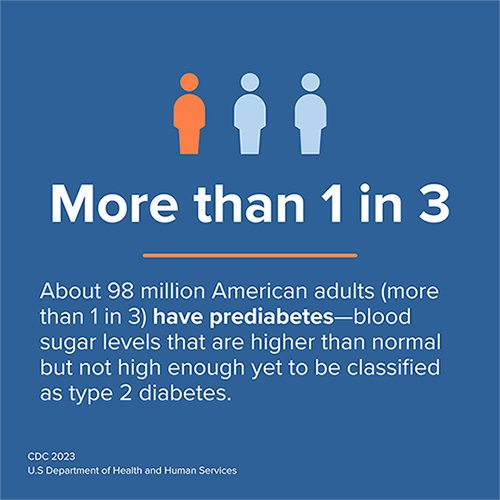
The looming shadow of chronic disease often manifests subtly, long before a formal diagnosis is made. For millions of adolescents across the United States, this shadow takes the form of prediabetes – a condition where blood sugar levels are higher than normal but not yet high enough to be classified as type 2 diabetes. While the precise, up-to-the-minute statistics can fluctuate based on ongoing research and demographic shifts, the general consensus among public health experts and medical professionals points to an alarming and growing proportion of young people facing this silent precursor to a lifelong struggle. Understanding this prevalence is not merely an academic exercise; it’s a critical imperative that intersects deeply with advancements in technology, strategic branding and communication, and the intricate world of personal and public finance. The scale of the challenge demands a multi-faceted response, leveraging insights from beyond traditional healthcare to foster a healthier future for American youth.

The Alarming Statistics: Understanding the Scope of Adolescent Prediabetes
While specific numbers vary between studies, national health surveys have consistently revealed that a significant and concerning percentage of American adolescents are living with prediabetes. Estimates often suggest figures ranging from 1 in 5 to as high as 1 in 4 teenagers and young adults, depending on the diagnostic criteria and population sampled. This is not just a statistical anomaly; it represents a profound public health crisis with far-reaching implications. Prediabetes in adolescents means that their bodies are already struggling to process glucose effectively, a sign that the pancreatic cells may be under strain, and insulin resistance is likely present.
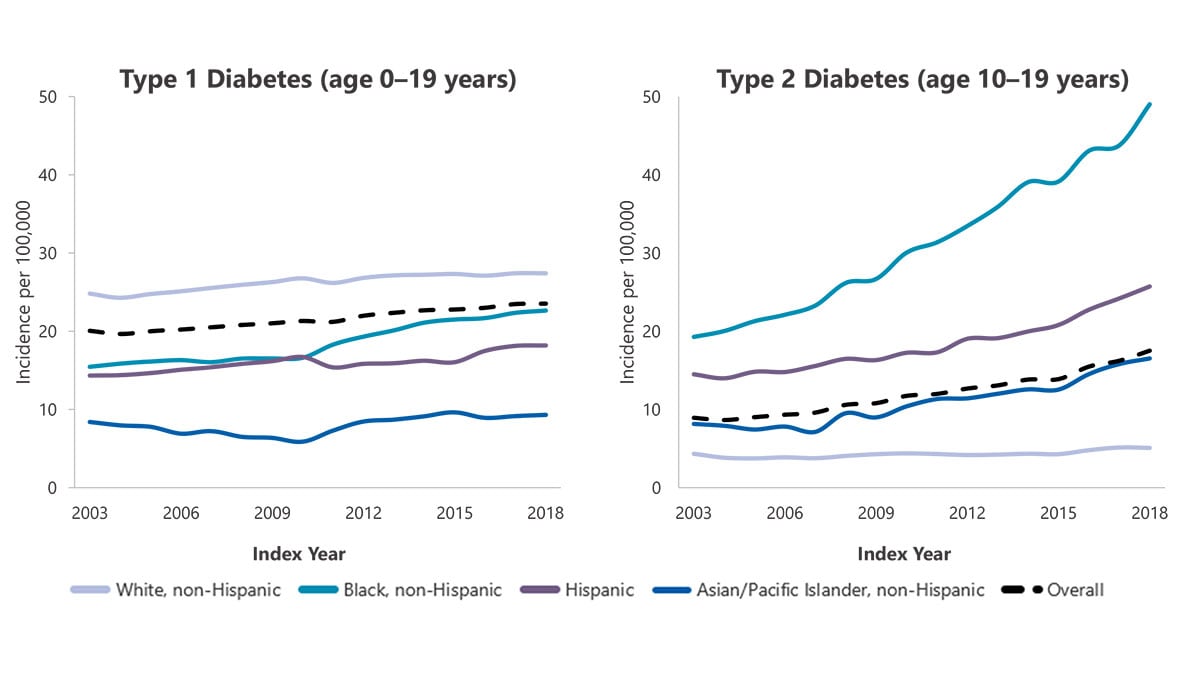
The primary risk factors contributing to this unsettling trend are well-documented: rising rates of childhood obesity, sedentary lifestyles exacerbated by increased screen time, and dietary patterns dominated by processed foods, sugary drinks, and oversized portions. Genetic predisposition also plays a role, with a family history of type 2 diabetes increasing an individual’s vulnerability. However, lifestyle choices remain the most significant modifiable factors. The consequence of ignoring prediabetes in this age group is severe: without intervention, a substantial proportion of these adolescents will progress to full-blown type 2 diabetes within five to ten years, a disease once primarily seen in adults and now increasingly diagnosed in youth. This early onset of diabetes brings with it a higher risk of complications, including heart disease, kidney failure, nerve damage, and blindness, often appearing at a younger age and with greater severity than in those diagnosed later in life. The scale of this issue underscores the urgent need for innovative solutions that address prevention, early detection, and effective management strategies, integrating approaches that resonate with today’s technologically fluent and brand-conscious youth.
Leveraging Technology in the Fight Against Adolescent Prediabetes
In an era where adolescents are digital natives, technology offers an unprecedented opportunity to address the prediabetes epidemic. From sophisticated software applications to wearable gadgets, and the power of artificial intelligence, tech solutions can revolutionize how we prevent, monitor, and manage the condition in young people. The very tools that sometimes contribute to sedentary lifestyles can also be harnessed to promote healthier living.
Digital Tools for Prevention and Management
The proliferation of mobile applications presents a fertile ground for engaging adolescents in their health journey. Apps designed for nutrition tracking can help young people monitor their food intake, understand macronutrient breakdown, and identify areas for improvement. Features like barcode scanning, meal planning, and personalized recipe suggestions can make healthy eating less daunting and more interactive. Similarly, fitness tracking apps, often paired with smartwatches or other wearable gadgets, empower adolescents to monitor their physical activity levels, set goals, and celebrate achievements. These devices can track steps, calories burned, heart rate, and even sleep patterns, providing a holistic view of an individual’s daily habits. Gamification elements within these apps – such as challenges, leaderboards, and virtual rewards – can significantly boost engagement and adherence among a demographic accustomed to interactive digital experiences.
Beyond basic tracking, telemedicine platforms and virtual coaching services are democratizing access to expert advice. Adolescents in remote areas or those who feel uncomfortable discussing health issues face-to-face can connect with registered dietitians, fitness coaches, or even pediatric endocrinologists through secure video calls. This not only increases accessibility but also provides a level of privacy and convenience that appeals to young people. Educational software and interactive tutorials can also explain complex medical concepts like insulin resistance or glycemic index in an engaging, age-appropriate manner, moving beyond static textbooks to dynamic learning experiences.
Data-Driven Insights and Public Health Strategies
The true power of technology extends beyond individual tools; it lies in the aggregated data and the analytical capabilities of artificial intelligence. Big data analytics can process vast amounts of anonymized health data to identify emerging trends, pinpoint high-risk populations, and predict the progression of prediabetes in specific demographics or geographic areas. For instance, AI algorithms can analyze dietary patterns, activity levels, and even social determinants of health to identify adolescents most likely to develop type 2 diabetes. This allows public health initiatives to be hyper-targeted, allocating resources more efficiently to communities or individuals who need them most.
AI tools can also personalize intervention programs to an unprecedented degree. Instead of a one-size-fits-all approach, AI can develop customized diet plans, exercise routines, and behavioral modification strategies based on an individual’s unique biological data, preferences, and lifestyle. For example, an AI could suggest culturally relevant healthy recipes or recommend physical activities that align with a teenager’s interests. Furthermore, AI-powered chatbots can provide instant answers to health questions, offer motivational support, and act as a first line of guidance, making health information more accessible and less intimidating. This continuous feedback loop, driven by data and refined by AI, can significantly enhance the effectiveness of prevention and management efforts.
The Role of Digital Security and Privacy
As technology becomes more deeply integrated into healthcare, the importance of digital security and data privacy cannot be overstated. Health data is among the most sensitive personal information, and any platform or app collecting it must adhere to stringent security protocols. For adolescents, who may be less aware of data risks, robust protections are paramount. Encryption, secure servers, multi-factor authentication, and strict compliance with regulations like HIPAA (Health Insurance Portability and Accountability Act) are essential to build and maintain trust among users, parents, and healthcare providers. Tutorials and clear privacy policies, communicated in an understandable way, can educate young users about their rights and how their data is protected. Ensuring that these technological interventions are secure and trustworthy is fundamental to their widespread adoption and long-term success in combating prediabetes.
Branding Health: Shaping Perceptions and Driving Action
In an image-conscious world driven by social media, branding plays a pivotal role in influencing choices, particularly among adolescents. Just as brands shape preferences for gadgets, fashion, or entertainment, they can also powerfully reframe perceptions of health, making healthy living aspirational and desirable. Effective brand strategy can transform public health messages from dry directives into engaging calls to action.
Public Health Campaigns and Youth Engagement
Traditional public health campaigns often struggle to resonate with the youth demographic. This is where modern branding principles can make a significant difference. Successful campaigns need to develop a strong, relatable identity that speaks to adolescents on their terms. This means moving beyond fear-based messaging to focus on positive outcomes: increased energy, better athletic performance, improved mood, and a sense of empowerment. Branding healthy behaviors, such as eating fresh fruits and vegetables or engaging in outdoor activities, as “cool” or “trendy” can counteract the pervasive marketing of unhealthy processed foods.
Utilizing platforms where adolescents spend their time – TikTok, Instagram, YouTube – is crucial. Influencer marketing, where trusted peers or relatable public figures advocate for healthy lifestyles, can be far more effective than celebrity endorsements. Case studies of successful campaigns often highlight their ability to create viral challenges, engaging content, and interactive experiences that encourage participation rather than passive reception. For example, branding a community garden project as an opportunity for creative expression or branding active commutes as an eco-friendly statement can tap into broader adolescent values and motivations. By designing campaigns that are visually appealing, emotionally resonant, and culturally relevant, public health can compete effectively for adolescents’ attention and influence their choices.
Personal Branding for Wellness Advocates and Role Models
The rise of the digital creator economy has empowered individuals to build powerful personal brands. This phenomenon can be strategically leveraged in the fight against prediabetes. Wellness advocates, fitness coaches, nutritionists, and even young people who have successfully navigated their own health journeys can use their personal brands to inspire and educate. Through authentic storytelling, sharing practical tips, and showcasing achievable progress, these role models can demystify healthy living and make it seem attainable.
Platforms like YouTube and Instagram allow these individuals to create engaging content – cooking tutorials, workout routines, mental health tips – that directly addresses the challenges adolescents face. A relatable personal brand emphasizes consistency, self-care, and the journey rather than just the destination. This peer-to-peer influence can be incredibly potent, as adolescents are often more receptive to messages from individuals they perceive as authentic and similar to themselves, rather than institutional figures. Cultivating and supporting such wellness role models, perhaps even through structured programs, can create a network of positive influence that reinforces healthy habits within youth communities.
Corporate Responsibility and Food Industry Branding
The corporate identity and branding strategies of the food industry have a profound impact on adolescent dietary choices. The pervasive marketing of high-sugar, high-fat, and highly processed foods, often targeting children and teenagers, contributes significantly to unhealthy eating patterns. Addressing prediabetes requires a critical examination of these practices and a call for greater corporate responsibility.
This includes encouraging food companies to rebrand healthier options, making them more appealing and accessible. Imagine a campaign where water is branded as the ultimate “performance drink” for athletes, or vegetables are presented with vibrant, exciting packaging and engaging marketing narratives. Furthermore, corporate social responsibility initiatives could see companies investing in public health campaigns, sponsoring youth sports leagues, or supporting nutritional education programs in schools. There’s also a discussion to be had about plain packaging or restrictions on marketing unhealthy products to minors, similar to tobacco regulations. Ultimately, a shift in corporate branding towards promoting wellness, rather than just profit, can play a transformative role in shaping a healthier food environment for adolescents.
The Economic Ripple Effect: Prediabetes and Financial Well-being
The high prevalence of prediabetes among adolescents is not just a health crisis; it’s an impending economic burden that will impact individuals, families, and the healthcare system at large. Addressing this issue is not merely a moral imperative but also a sound financial strategy. The choices made today will have significant ramifications for the financial well-being of future generations and the economic stability of the nation.
Healthcare Costs and Financial Burden on Families and Society
The progression from prediabetes to type 2 diabetes represents a massive escalation in healthcare costs. Once diagnosed with diabetes, an individual faces lifelong medical expenses that include regular doctor visits, specialist consultations, medication (such as insulin), blood glucose monitoring supplies, and potential treatments for complications like kidney disease, neuropathy, and retinopathy. These costs can easily run into thousands of dollars annually per person, placing an immense financial strain on families. For those without adequate health insurance, these expenses can lead to medical debt, bankruptcy, and a vicious cycle of poverty and poor health.
From a societal perspective, the economic burden is staggering. The direct medical costs associated with diabetes in the US are in the hundreds of billions of dollars each year, and a significant portion of this is borne by government programs like Medicare and Medicaid, meaning taxpayers ultimately foot the bill. Beyond direct costs, there are indirect costs, such as lost productivity due to illness, disability, and premature mortality. An adolescent developing diabetes earlier in life means a longer period of managing a chronic condition, potentially impacting their educational attainment, career prospects, and overall economic contribution over their lifetime. Investing in prevention now is a direct investment in the future financial health of the nation.
Investing in Prevention: A Long-Term Financial Strategy
From a purely financial standpoint, preventing prediabetes from progressing to type 2 diabetes is a far more cost-effective strategy than treating established diabetes. Prevention programs, which typically involve lifestyle interventions like dietary changes and increased physical activity, are significantly less expensive than lifelong diabetes management. Governments and insurance companies are beginning to recognize this, exploring models that incentivize health rather than merely covering illness.
Investing in school-based health and nutrition education programs, subsidizing access to healthy foods in underserved communities, and funding community initiatives that promote physical activity are examples of financial outlays that yield substantial returns in the long run. Employers also have a vested interest, as a healthier workforce is a more productive workforce, leading to lower insurance premiums and reduced absenteeism. For individuals, proactively adopting healthy habits to reverse prediabetes can save them tens of thousands, if not hundreds of thousands, of dollars over their lifetime in out-of-pocket medical expenses and lost income. This paradigm shift – from reactive treatment to proactive prevention – is not just about health; it’s about smart financial planning at every level.
Opportunities for Innovation and Online Income in Health Tech
The growing public health crisis also creates significant opportunities for innovation and economic growth, particularly in the health tech and wellness sectors. Entrepreneurs and innovators can find avenues for online income and business growth by developing solutions tailored to prediabetes prevention and management in adolescents. This could include creating specialized apps for young athletes focusing on nutrition and performance, developing engaging online educational courses for parents and teenagers, or launching subscription boxes for healthy snacks that appeal to youth.
Side hustles centered around health and wellness coaching, particularly through online platforms, can provide personalized guidance to individuals and families struggling with prediabetes. Content creation – blogs, podcasts, YouTube channels – focused on healthy recipes, fitness routines, and motivational content for adolescents can attract a large audience, generating income through advertising, sponsorships, and affiliate marketing. Furthermore, the development of financial tools that help families budget for healthy food choices or manage healthcare costs related to prediabetes prevention could also see significant demand. This intersection of health, technology, and finance represents a dynamic frontier for both social impact and economic opportunity, where solutions to a critical health challenge can also foster innovation and create new avenues for earning and investing.
Conclusion
The question of “what proportion of adolescents have prediabetes in the US” unveils a deeply troubling reality that demands immediate and comprehensive attention. While the precise figures vary, the consensus is clear: a significant and growing number of American youth are on a perilous path toward type 2 diabetes. This challenge, however, is not insurmountable. By strategically integrating the power of technology, the influence of brand strategy, and sound financial foresight, we can build a robust defense against this silent epidemic.
Leveraging digital tools like health apps and AI can empower adolescents with personalized insights and engaging ways to manage their health. Crafting compelling public health campaigns and fostering positive wellness branding can reframe healthy choices as desirable and achievable. Furthermore, recognizing the vast economic implications of prediabetes and investing proactively in prevention not only safeguards individual well-being but also secures the nation’s financial future. This multi-faceted approach, moving beyond traditional healthcare silos, offers the most promising path forward to reverse the alarming trend of adolescent prediabetes, ensuring a healthier and more prosperous generation of Americans.
aViewFromTheCave is a participant in the Amazon Services LLC Associates Program, an affiliate advertising program designed to provide a means for sites to earn advertising fees by advertising and linking to Amazon.com. Amazon, the Amazon logo, AmazonSupply, and the AmazonSupply logo are trademarks of Amazon.com, Inc. or its affiliates. As an Amazon Associate we earn affiliate commissions from qualifying purchases.