
The question of “how much does Obamacare cost?” is a critical one for millions of Americans seeking affordable health insurance. While the Affordable Care Act (ACA), commonly referred to as Obamacare, aimed to expand access to coverage, its actual cost can vary significantly based on individual circumstances, location, and the specific plan chosen. Understanding these factors is paramount to making informed decisions about your healthcare. This article will delve into the components that determine the cost of Obamacare plans, exploring premiums, subsidies, deductibles, copayments, and the overall financial implications for individuals and families.
Understanding the Key Cost Drivers: Premiums and Subsidies
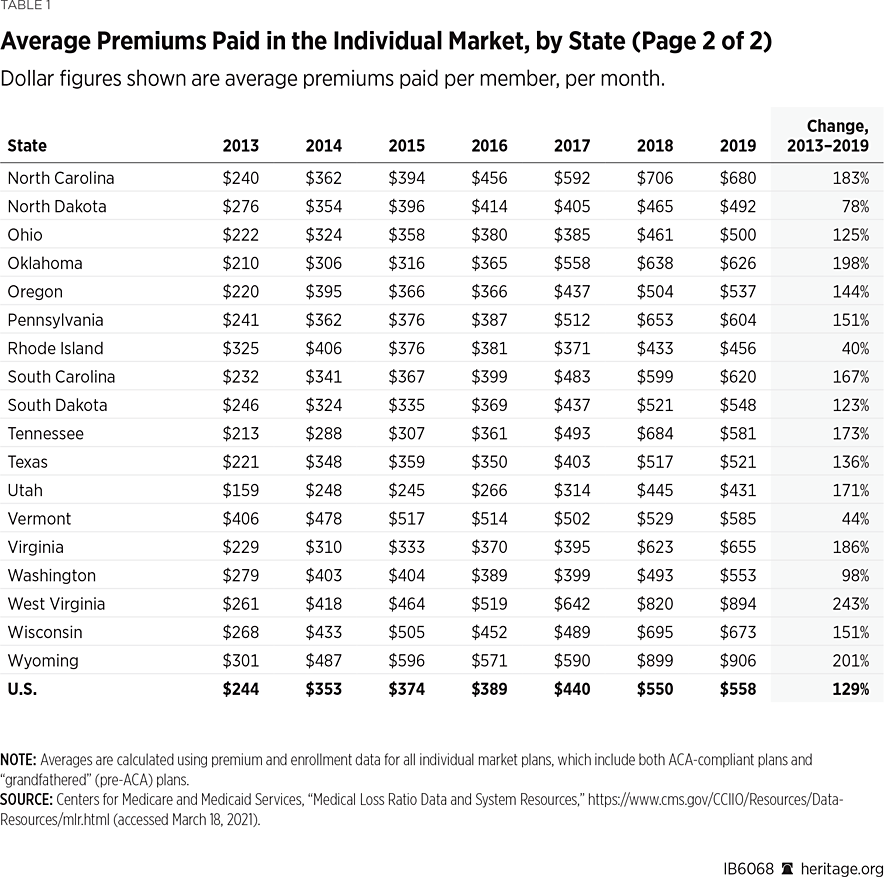
The most visible and often largest component of Obamacare costs is the monthly premium. This is the fixed amount you pay each month to maintain your health insurance coverage, regardless of whether you use medical services. However, the ACA introduced a revolutionary system of financial assistance to make these premiums more manageable for a large segment of the population.
The Role of Monthly Premiums
Premiums are influenced by a variety of factors, including:
- Age: Generally, older individuals pay higher premiums than younger ones, as they are statistically more likely to require medical care.
- Location: Geographic location plays a significant role. Health insurance costs can differ considerably between states and even within different counties of the same state due to variations in local healthcare costs, provider networks, and market competition.
- Plan Type (Metal Tiers): The ACA categorizes plans into four “metal tiers”: Bronze, Silver, Gold, and Platinum. Each tier represents a different level of coverage and cost-sharing.
- Bronze Plans: Offer the lowest monthly premiums but have the highest deductibles and out-of-pocket maximums. They are best suited for individuals who are relatively healthy and don’t anticipate needing much medical care.
- Silver Plans: Strike a balance between affordability and coverage. They have moderate premiums and cost-sharing, making them a popular choice, especially for those who qualify for cost-sharing reductions.
- Gold Plans: Feature higher monthly premiums than Silver but lower deductibles and out-of-pocket costs. They are ideal for individuals who expect to use healthcare services more frequently.
- Platinum Plans: Have the highest monthly premiums but the lowest deductibles and out-of-pocket expenses. These are best for individuals with chronic conditions or who anticipate significant healthcare needs.
- Tobacco Use: Insurers can charge tobacco users up to 15% more for their premiums.
- Number of People Covered: Premiums are calculated per individual or family. More covered individuals generally mean a higher total premium.
The Impact of Premium Tax Credits (Subsidies)
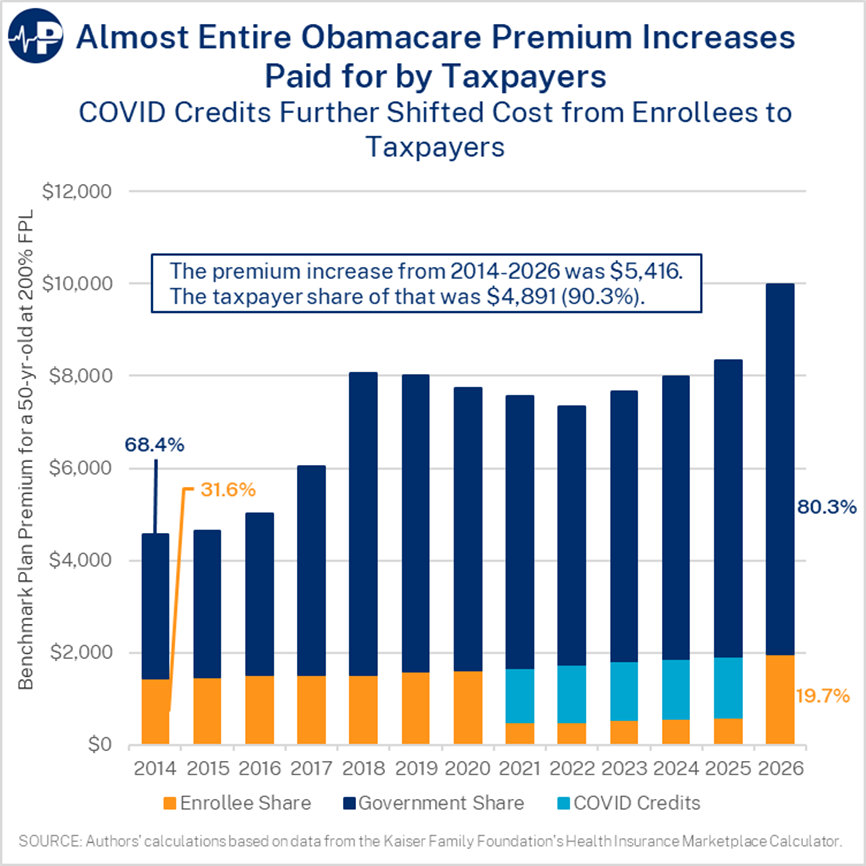
Perhaps the most significant financial relief provided by Obamacare comes in the form of Premium Tax Credits (PTCs), often referred to as subsidies. These are government subsidies designed to lower the cost of monthly premiums for individuals and families with incomes between 100% and 400% of the Federal Poverty Level (FPL).
- Income-Based Calculation: The amount of subsidy you receive is directly tied to your household income and the cost of the second-cheapest Silver plan in your area. The government determines what percentage of your income should reasonably go towards health insurance premiums. If the cost of the benchmark Silver plan exceeds that percentage, you receive a subsidy to cover the difference.
- Advance Premium Tax Credits (APTCs): Most individuals opt to have their subsidies applied directly to their monthly premiums, reducing the amount they owe to the insurance company. This is known as an Advance Premium Tax Credit.
- Reconciliation at Tax Time: It’s crucial to report income changes to the Health Insurance Marketplace. If your income changes significantly during the year, your subsidy amount may also change. At tax time, your actual subsidy will be reconciled based on your final income. If you received too much subsidy, you might owe some back; if you received too little, you could get a refund.
- The “Subsidy Cliff” (largely mitigated): Historically, there was a “subsidy cliff” where individuals whose income was just above 400% FPL received no assistance, leading to prohibitively high premium costs. Recent legislation has temporarily removed this cliff for many, extending eligibility for subsidies to incomes above 400% FPL.
Beyond Premiums: Understanding Out-of-Pocket Costs
While premiums are the recurring monthly expense, understanding your out-of-pocket costs is equally vital for assessing the true financial impact of your Obamacare plan. These are the costs you pay when you receive medical care.
Deductibles: The Initial Hurdle
The deductible is the amount you must pay out-of-pocket for covered healthcare services before your insurance plan starts to pay.
- Varying Deductible Amounts: Deductibles can range from very low for Platinum plans to several thousand dollars for Bronze plans.
- Impact on Premium: Generally, plans with higher deductibles have lower monthly premiums, and vice versa.
- Preventive Care Exception: Most ACA-compliant plans cover certain preventive services (like vaccinations and annual check-ups) at no cost, even before you meet your deductible.
Copayments and Coinsurance: Sharing the Costs

Once you’ve met your deductible (or for services that don’t require meeting it, like some preventive care), you’ll typically encounter copayments or coinsurance.
- Copayments (Copays): A fixed amount you pay for a covered healthcare service after you’ve paid your deductible. For example, you might have a $30 copay for a doctor’s visit or a $10 copay for a generic prescription. Copays are common for doctor visits, specialist appointments, and prescription drugs.
- Coinsurance: Your share of the costs of a covered healthcare service, calculated as a percentage of the allowed amount for the service. For instance, if your coinsurance is 20%, and a service costs $100, you pay $20, and your insurance plan pays $80. Coinsurance typically applies to more expensive services like hospital stays or surgeries after the deductible has been met.
Out-of-Pocket Maximums: Your Financial Safety Net
Every ACA-compliant health insurance plan has an out-of-pocket maximum. This is the most you will have to pay for your covered healthcare services in a plan year. Once you reach this limit, your health insurance plan pays 100% of the covered costs for the rest of the year.
- Protection Against Catastrophic Costs: The out-of-pocket maximum provides a crucial safety net, protecting individuals and families from potentially ruinous medical bills.
- Includes Deductibles, Copays, and Coinsurance: The out-of-pocket maximum typically includes your deductible payments, copayments, and coinsurance for covered services. Premiums and costs for non-covered services do not count towards this limit.
- Different Limits for Different Plans: Out-of-pocket maximums can vary by plan, with lower-tier plans (Bronze) generally having higher maximums than higher-tier plans (Platinum).
Estimating Your Potential Obamacare Costs: Tools and Considerations
Accurately estimating your Obamacare costs requires a personalized approach. Fortunately, resources are available to help you navigate this process.
The Health Insurance Marketplace: Your Primary Resource
The official Health Insurance Marketplace (Healthcare.gov or your state’s specific marketplace) is the central hub for purchasing ACA-compliant health insurance and determining your eligibility for subsidies.
- Eligibility Screening: When you create an account, you’ll provide information about your household size, income, and location. The marketplace will then determine your eligibility for subsidies.
- Plan Comparison Tools: The marketplace allows you to compare different plans side-by-side, detailing their premiums, deductibles, copays, coinsurance, and out-of-pocket maximums. This feature is invaluable for making an informed choice.
- Assister Programs: The marketplace also offers access to navigators and assisters – trained professionals who can help you understand your options and complete your application, often at no cost.
Key Information Needed for Accurate Estimation
To get the most accurate cost estimate, you’ll need to gather the following information:
- Household Income: An estimate of your Modified Adjusted Gross Income (MAGI) for the year you intend to enroll. This is crucial for subsidy calculation.
- Household Size: The number of people who will be covered by the insurance plan.
- Zip Code: Your residential zip code to determine available plans and their costs in your area.
- Desired Coverage Level: An idea of whether you prefer lower premiums with higher out-of-pocket costs (Bronze) or higher premiums with lower out-of-pocket costs (Gold/Platinum).
- Health Status and Expected Usage: While you don’t need to disclose specific medical conditions, considering your general health and anticipated need for healthcare services can help you choose the right metal tier.
Beyond the Marketplace: Other Considerations
While the marketplace is the primary source for subsidized plans, it’s important to be aware of other factors that can influence your overall healthcare spending.
- Provider Networks: Ensure that your preferred doctors and hospitals are within the network of the plan you are considering. Out-of-network care can be significantly more expensive, even with good insurance.
- Prescription Drug Coverage: If you take regular medications, carefully review the drug formulary (list of covered drugs) and the associated copays or coinsurance for your prescriptions.
- Dental and Vision Coverage: Most ACA-compliant health insurance plans do not automatically include comprehensive dental or vision coverage for adults. These may need to be purchased separately or as add-ons.
- Enrollment Periods: Obamacare plans can only be purchased during specific enrollment periods. The annual Open Enrollment Period is the most common time to enroll, change, or renew a plan. Special Enrollment Periods are available for certain qualifying life events (e.g., losing other coverage, marriage, birth of a child).
In conclusion, the cost of Obamacare is not a single, fixed figure but rather a dynamic reflection of individual circumstances and choices. By understanding the interplay of premiums, subsidies, deductibles, copayments, and out-of-pocket maximums, and by utilizing the resources available through the Health Insurance Marketplace, individuals can make informed decisions that lead to affordable and comprehensive health insurance coverage.
aViewFromTheCave is a participant in the Amazon Services LLC Associates Program, an affiliate advertising program designed to provide a means for sites to earn advertising fees by advertising and linking to Amazon.com. Amazon, the Amazon logo, AmazonSupply, and the AmazonSupply logo are trademarks of Amazon.com, Inc. or its affiliates. As an Amazon Associate we earn affiliate commissions from qualifying purchases.