
The financial markets are often likened to a pendulum, swinging between optimism and pessimism, often with little warning. When you open your brokerage app or tune into a financial news network and see a sea of red, the immediate question is always: Why are stocks down today?
While the daily fluctuations of the S&P 500, the Dow Jones Industrial Average, and the Nasdaq Composite can seem erratic, they are almost always driven by a complex interplay of macroeconomic data, corporate performance, and investor psychology. Understanding these underlying mechanisms is essential for any investor who wishes to move past the “noise” of the daily ticker and make informed decisions about their long-term wealth.
1. Macroeconomic Drivers: The “Big Picture” Forces
The most common catalyst for a broad market sell-off is a shift in the macroeconomic landscape. Stocks do not exist in a vacuum; they are valued based on the health of the broader economy and the cost of capital.
Interest Rates and the Federal Reserve’s Shadow
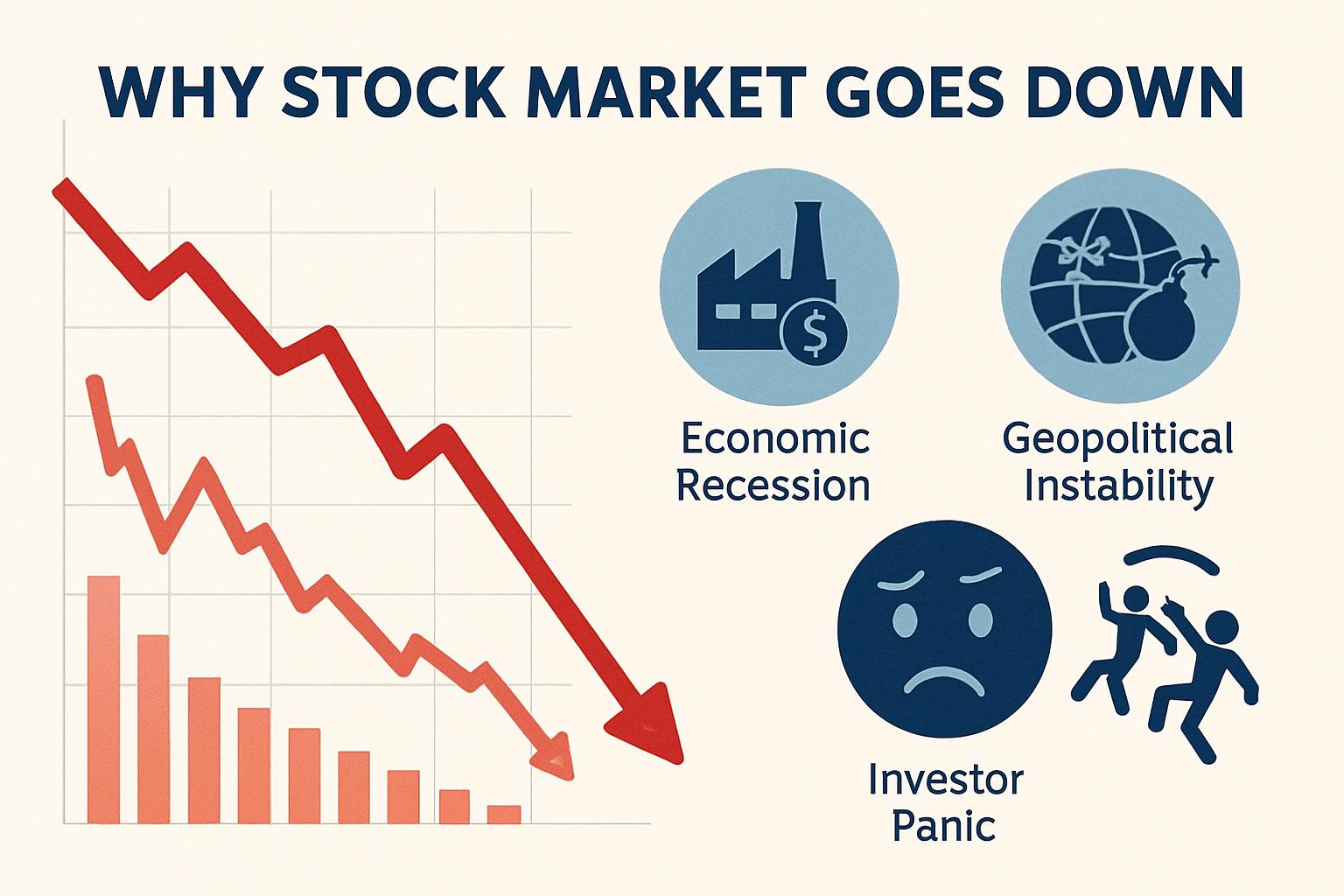
The Federal Reserve, often referred to simply as “the Fed,” is perhaps the most influential entity in the global financial markets. When stocks are down, it is frequently because of a “hawkish” shift in monetary policy. To combat inflation, the Fed raises the federal funds rate. This has a two-pronged negative effect on stocks. First, it increases the cost of borrowing for companies, which can squeeze profit margins and stall expansion. Second, it increases the “discount rate” used by analysts to value future earnings. Because a dollar tomorrow is worth less when interest rates are high today, growth-oriented stocks—which promise high future profits—often see their valuations slashed.
Inflationary Pressures and CPI Data
Inflation is the silent killer of purchasing power and a major deterrent for stock market bulls. When Consumer Price Index (CPI) or Producer Price Index (PPI) data comes in “hotter” than expected, investors panic. Persistent inflation suggests that the Fed will have to keep interest rates higher for longer, a scenario markets generally dislike. Furthermore, inflation increases the cost of raw materials and labor (input costs). If a company cannot pass these costs onto the consumer, its earnings will suffer, leading to a decline in its share price.
Geopolitical Instability and Global Trade
Markets crave stability and predictability. Geopolitical tensions—whether they be trade wars, regional conflicts, or changes in international energy policy—introduce a layer of “macro risk.” For example, a conflict in a major oil-producing region can send energy prices soaring, which acts as a de facto tax on both consumers and businesses. When global supply chains are threatened or diplomatic relations sour between major economies, investors often retreat from “risk-on” assets like stocks and move into “safe havens” like gold or Treasury bonds.
2. Corporate Earnings and the Reality of Guidance
While macro factors set the stage, individual corporate performance provides the script. A “down” day in the market is often a reaction to the earnings season or specific news coming out of major market-cap leaders.
The Weight of “Whisper Numbers” and Guidance
Every quarter, publicly traded companies report their earnings. However, simply beating the official analyst estimates for revenue and profit isn’t always enough to keep a stock afloat. Markets are forward-looking. If a company reports record profits but provides “weak guidance”—suggesting that the coming months will be difficult—the stock will likely tumble. Investors buy stocks for what they will earn in the future, not what they earned in the past. If a tech giant or a major retailer warns of slowing consumer demand, it can drag down its entire sector.
Profit Taking and the Reversal of Momentum
Sometimes, stocks go down simply because they have gone up too much, too fast. This is known as “profit-taking.” After a period of sustained gains, institutional investors and hedge funds may decide to lock in their wins. This selling pressure can create a domino effect. When a leading stock begins to pull back, momentum-based algorithms may trigger sell orders, leading to a broader retreat across the index. This isn’t necessarily a sign of a failing economy, but rather a healthy “breather” in a long-term bull market.
Sector-Specific Headwinds
Occasionally, a market downturn is concentrated in a specific area but feels universal due to that sector’s weight in the index. For example, if the banking sector is facing new regulatory hurdles or a liquidity crunch, financial stocks will drop. Because the financial sector is a massive component of the S&P 500, its decline can pull the entire index into the red, even if healthcare or utility stocks are performing well.
3. Market Psychology and Technical Indicators
The stock market is a reflection of human emotion—specifically the tug-of-war between greed and fear. When stocks are down, technical factors and psychological “tripwires” often play a significant role in accelerating the slide.
The Role of Algorithmic Trading and “Stop-Loss” Orders
In the modern era, a significant portion of daily trading volume is executed by high-frequency trading (HFT) algorithms. These programs are designed to react to specific price levels. If a major index like the S&P 500 breaks below a “key support level” (a price point that has historically prevented further falling), these algorithms may trigger massive sell orders simultaneously. This can turn a minor dip into a significant intraday rout within minutes. Similarly, retail investors often use “stop-loss” orders that automatically sell their shares if the price drops to a certain level, further fueling the downward momentum.
The Volatility Index (VIX) and the “Fear Factor”
The CBOE Volatility Index, or VIX, is often called the market’s “fear gauge.” It measures the market’s expectation of 30-day volatility based on S&P 500 options. When the VIX spikes, it indicates that investors are buying “put options” to protect themselves against further losses. This climate of fear becomes self-fulfilling; as investors see the VIX rising and prices falling, they become more likely to sell their holdings to “prevent further pain,” leading to a classic market correction.
Yield Curve Inversion and Recessionary Signals
Investors closely watch the bond market for clues about the stock market’s future. One of the most feared signals is a “yield curve inversion,” which happens when short-term Treasury bonds offer higher yields than long-term bonds. Historically, an inverted yield curve has been a reliable predictor of an upcoming recession. When the bond market “signals” that trouble is ahead, stock investors often pre-emptively sell their positions, leading to the “down” days we see in the headlines.
4. Navigating the Downturn: Strategic Financial Responses
For the disciplined investor, a day when stocks are down should not be a cause for panic, but rather a time for strategic reassessment. Building wealth requires a stoic approach to market volatility.
The Power of Diversification
The most effective defense against a market downturn is a well-diversified portfolio. If your investments are spread across different asset classes (stocks, bonds, real estate, cash) and different sectors (tech, healthcare, consumer staples), a decline in one area won’t be catastrophic. For instance, when growth stocks are down due to rising interest rates, value stocks or commodities may hold their ground or even rise. Diversification ensures that you are never overly exposed to a single point of failure.
Rebalancing: Buying the Dip Systematically
A down market offers a unique opportunity to “rebalance” your portfolio. If your target allocation is 70% stocks and 30% bonds, a stock market crash might leave you with 60% stocks and 40% bonds. To get back to your target, you must sell some of your bonds (which likely held their value) and buy stocks while they are “on sale.” This forced discipline ensures that you are following the oldest rule in investing: buy low and sell high.
Maintaining a Long-Term Perspective
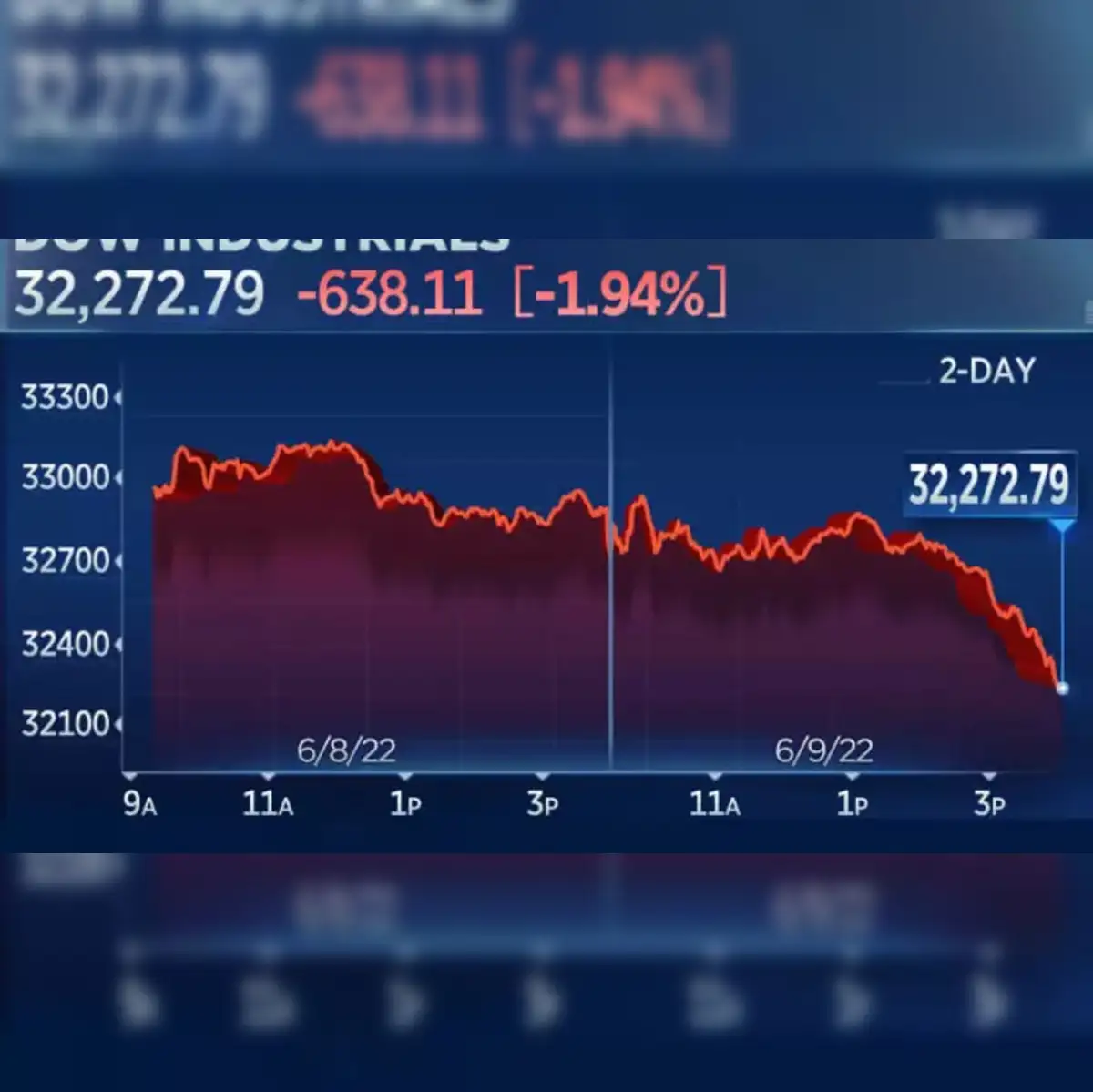
Market history shows that every single downturn, no matter how severe, has eventually been followed by a recovery and new all-time highs. For those with a time horizon of five, ten, or twenty years, “today’s” stock market decline is merely a blip on a much larger chart. The danger lies in “panic-selling” at the bottom, which turns temporary “paper losses” into permanent “realized losses.” Staying the course and continuing to contribute to your accounts through Dollar-Cost Averaging (DCA) allows you to accumulate more shares when prices are low, significantly boosting your wealth when the market eventually turns green again.
In conclusion, when stocks are down today, it is rarely due to a single isolated event. It is usually a confluence of interest rate expectations, inflation data, corporate guidance, and technical sell-offs. By understanding these components, you can transform from a reactive observer into a proactive investor, viewing market volatility not as a threat, but as a natural—and occasionally profitable—part of the financial journey.
aViewFromTheCave is a participant in the Amazon Services LLC Associates Program, an affiliate advertising program designed to provide a means for sites to earn advertising fees by advertising and linking to Amazon.com. Amazon, the Amazon logo, AmazonSupply, and the AmazonSupply logo are trademarks of Amazon.com, Inc. or its affiliates. As an Amazon Associate we earn affiliate commissions from qualifying purchases.