
For any prospective homeowner or real estate investor, the question “what is the current mortgage rate?” is more than a simple inquiry—it is the pivot point upon which financial futures are built. In recent years, the mortgage landscape has shifted from historic, rock-bottom lows to a period of significant volatility and upward pressure. Understanding where rates stand today requires more than looking at a daily percentage; it requires an analysis of the macroeconomic forces at play, the personal financial metrics that lenders prioritize, and the strategic maneuvers available to borrowers in a high-interest environment.
Understanding the Mechanisms Behind Current Mortgage Rates
To understand current mortgage rates, one must first recognize that they do not exist in a vacuum. They are the result of a complex interplay between government policy, investor sentiment, and global economic health. While many borrowers believe the Federal Reserve sets mortgage rates directly, the reality is more nuanced.
The Role of the Federal Reserve and Inflation
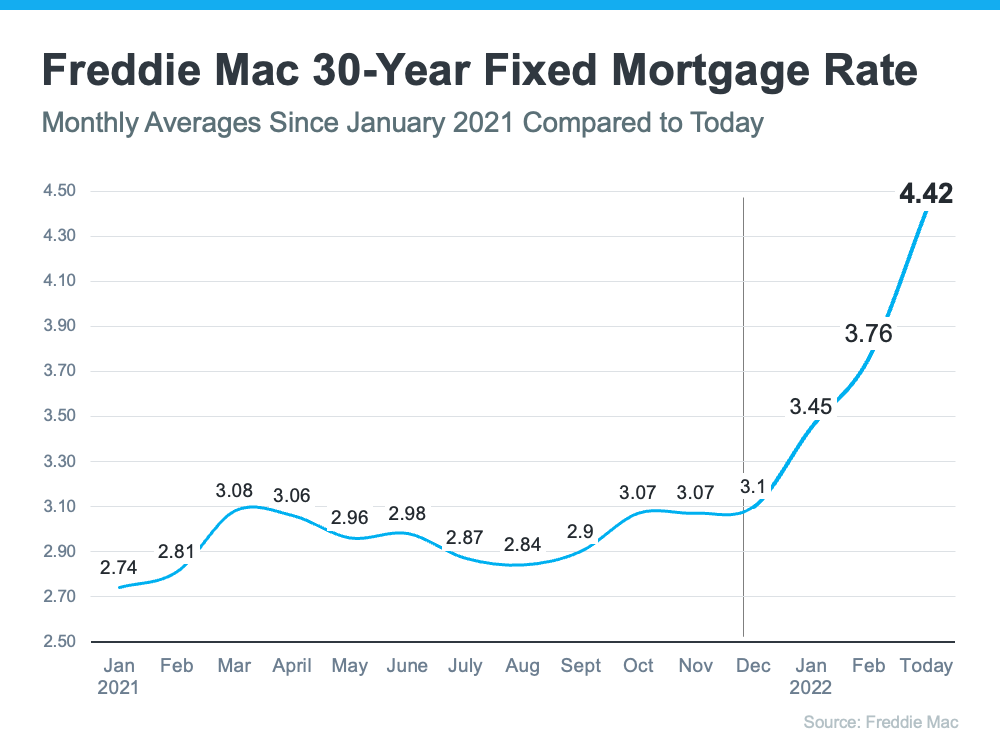
The Federal Reserve influences mortgage rates primarily through the federal funds rate—the interest rate at which commercial banks borrow and lend to one another overnight. When inflation rises, the Fed typically raises this rate to cool the economy. While this is not the mortgage rate itself, it creates a ripple effect throughout the financial system. Higher borrowing costs for banks eventually translate into higher borrowing costs for consumers. In the current economic cycle, the Fed’s aggressive stance against inflation has been the primary driver behind the transition from the 3% era to the 6-7% range seen in recent months.
Bond Markets and the 10-Year Treasury Yield
A more direct barometer for fixed-rate mortgages is the 10-year Treasury yield. Investors often view mortgage-backed securities (MBS) and Treasury bonds as competing investment vehicles. When the yield on the 10-year Treasury rises, mortgage rates almost invariably follow. This relationship exists because lenders must offer a higher yield on mortgage products to remain attractive to investors who could otherwise park their money in “risk-free” government debt. Tracking the daily movement of the 10-year Treasury is often the most accurate way to predict intraday shifts in mortgage pricing.
Economic Indicators and Market Sentiment
Broad economic data, such as the monthly Jobs Report (Non-Farm Payrolls) and Gross Domestic Product (GDP) growth, also play a vital role. A “hot” economy—characterized by low unemployment and high spending—can lead to higher rates as it signals potential inflationary pressure. Conversely, signs of an economic slowdown or recession can lead to a “flight to safety,” where investors buy bonds, driving yields and mortgage rates lower.
Factors That Determine Your Personal Mortgage Rate
While “national average” rates provide a benchmark, the actual rate a borrower receives is highly individualized. Lenders use a process called risk-based pricing to determine the interest rate offered to a specific applicant. Understanding these variables can help a borrower move from an average rate to a preferred one.
Credit Score and Financial Profile
The FICO score remains the most influential factor in determining a personal mortgage rate. Lenders categorize borrowers into “tiers.” A borrower with a score above 760 will typically qualify for the lowest available rates, while someone with a score in the mid-600s might face a rate that is a full percentage point higher. This difference, over a 30-year loan, can equate to tens of thousands of dollars in interest. Furthermore, your Debt-to-Income (DTI) ratio—the percentage of your gross monthly income that goes toward paying debts—signals your ability to manage monthly payments without default.
Loan-to-Value (LTV) Ratio and Down Payments
The amount of equity you put into the home upfront significantly impacts the lender’s risk. A higher down payment results in a lower Loan-to-Value (LTV) ratio. Borrowers who can provide a 20% down payment are often rewarded with better rates and the avoidance of Private Mortgage Insurance (PMI). In the current market, where home prices remain elevated, maximizing the down payment is one of the few levers a buyer can pull to lower their effective interest rate.
Choosing the Right Loan Product
The type of loan selected—Conventional, FHA, VA, or Jumbo—comes with different interest rate structures.
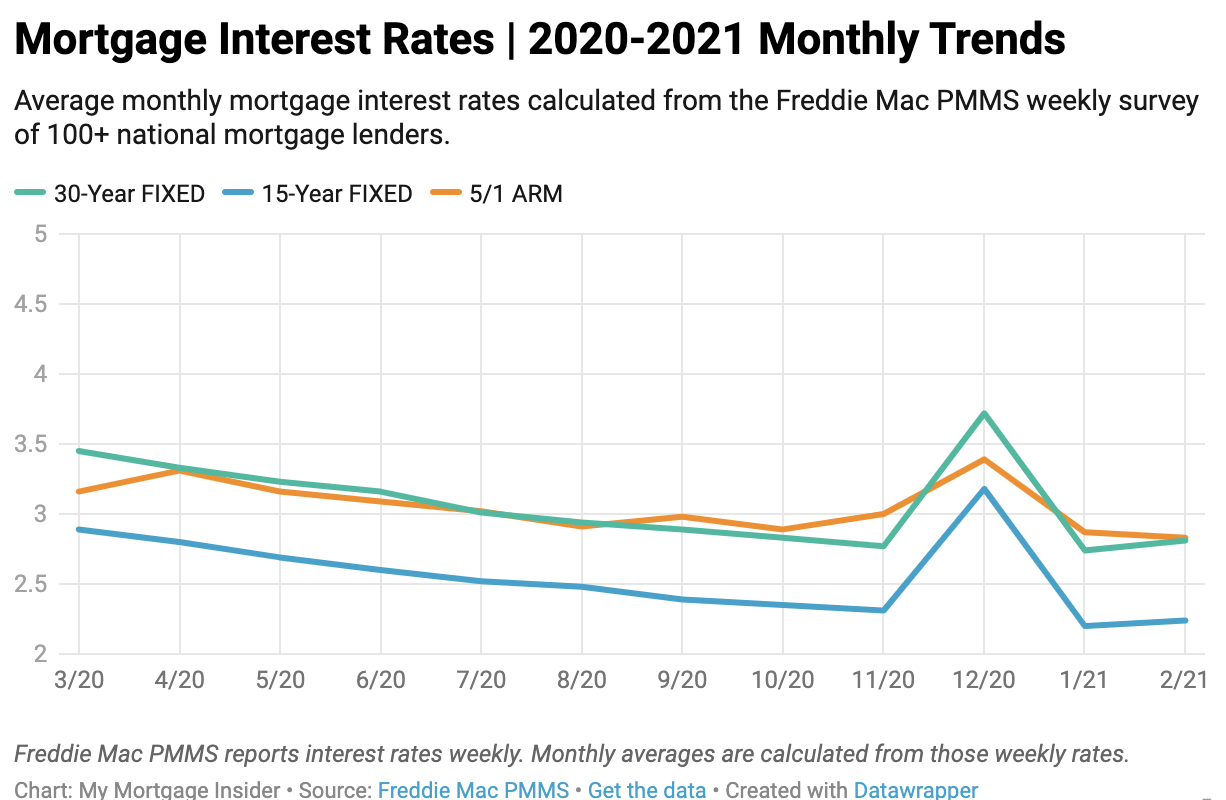
- Fixed-Rate Mortgages: The 30-year fixed is the gold standard for stability, but 15-year fixed rates are typically lower, albeit with much higher monthly payments.
- Adjustable-Rate Mortgages (ARMs): In high-rate environments, ARMs often see a surge in popularity. They offer a lower “teaser” rate for an initial period (e.g., 5 or 7 years) before adjusting based on market conditions.
- Government-Backed Loans: FHA and VA loans often feature lower interest rates than conventional loans, though they may have higher upfront fees or insurance requirements.
Navigating the High-Rate Environment: Strategies for Buyers
In a market where “cheap money” is no longer the norm, borrowers must become more strategic. The current rate environment demands a proactive approach to financing rather than a passive acceptance of the first quote received.
The Strategy of “Buying Down” the Rate
One of the most effective tools in a high-rate market is the use of discount points. A point is an upfront fee paid to the lender at closing (typically 1% of the loan amount) in exchange for a lower interest rate. For buyers who plan to stay in their home for a long period—usually seven years or more—paying for points can result in significant long-term savings. In some cases, savvy buyers negotiate “seller concessions,” where the seller pays for these points to help the buyer afford the monthly payment without lowering the home’s sale price.
The Importance of Rate Locks and Timing
Mortgage rates can change multiple times in a single day. Once a borrower finds a rate that fits their budget, a “rate lock” becomes essential. A rate lock guarantees that the interest rate will not change for a specific period (usually 30 to 60 days) while the loan is processed. In a volatile market, failing to lock in a rate can result in a “sticker shock” at the closing table if rates spike during the underwriting process.
The “Marry the House, Date the Rate” Philosophy
A common refrain in the current real estate market is “marry the house, date the rate.” This perspective suggests that if you find the right property, you should move forward despite high rates, with the intention of refinancing when the market eventually turns. While this strategy carries the risk that rates may stay high for longer than expected, it allows buyers to build equity and secure a home in a limited-inventory market, rather than waiting for a “perfect” rate that may not return for years.
The Impact of Mortgage Rates on the Broader Real Estate Market
The current mortgage rate does more than dictate a monthly payment; it shapes the entire supply-and-demand dynamic of the housing market.
The “Lock-In” Effect and Inventory Challenges
One of the most significant consequences of the recent rise in rates is the “lock-in” effect. Millions of homeowners secured mortgages at rates between 2.5% and 4% during the 2020-2021 period. For these homeowners, moving to a new house would mean trading a very low interest rate for one that is nearly double. This has led to a stagnation in inventory, as potential sellers choose to stay put rather than take on a more expensive loan. This lack of supply has kept home prices high, even as high rates have reduced the total number of active buyers.
Affordability and the Monthly Payment Reality
The primary metric for most families is not the total price of the home, but the monthly mortgage payment. As rates rose from 3% to 7%, the purchasing power of the average buyer decreased by approximately 30-40%. This shift has forced many participants out of the market or compelled them to look at smaller homes or different geographic locations. For the investor, higher rates mean that “cash flow” becomes harder to achieve, necessitating larger down payments or more creative financing structures to make the numbers work.

Conclusion: Adapting to the New Financial Normal
While the question “what is the current mortgage rate” will always have a numerical answer, the implications of that answer are deep and multi-faceted. We have moved out of an era of historical anomaly where debt was essentially free, and into a more traditional economic cycle where capital has a real and significant cost.
For the modern borrower, success in this environment requires a blend of financial discipline and market literacy. By monitoring the Federal Reserve’s inflation-fighting progress, maintaining a pristine credit profile, and utilizing strategic tools like discount points and rate locks, you can navigate the current mortgage landscape with confidence. The “current rate” is merely a snapshot in time; your financial strategy should be built for the long term, focusing on affordability, equity growth, and the flexibility to adapt as the economic tides inevitably turn.
aViewFromTheCave is a participant in the Amazon Services LLC Associates Program, an affiliate advertising program designed to provide a means for sites to earn advertising fees by advertising and linking to Amazon.com. Amazon, the Amazon logo, AmazonSupply, and the AmazonSupply logo are trademarks of Amazon.com, Inc. or its affiliates. As an Amazon Associate we earn affiliate commissions from qualifying purchases.