
In the decade following its inception, Bitcoin was primarily viewed through the lens of a speculative asset or a niche technological experiment. However, as the global financial landscape shifts toward digitization, the world’s premier cryptocurrency has transitioned from a mere “store of value” into a functional medium of exchange. For the modern investor and consumer, the question is no longer just about the price of Bitcoin, but about its utility. Understanding what you can buy with Bitcoin is essential for anyone looking to integrate digital assets into their broader personal finance strategy.
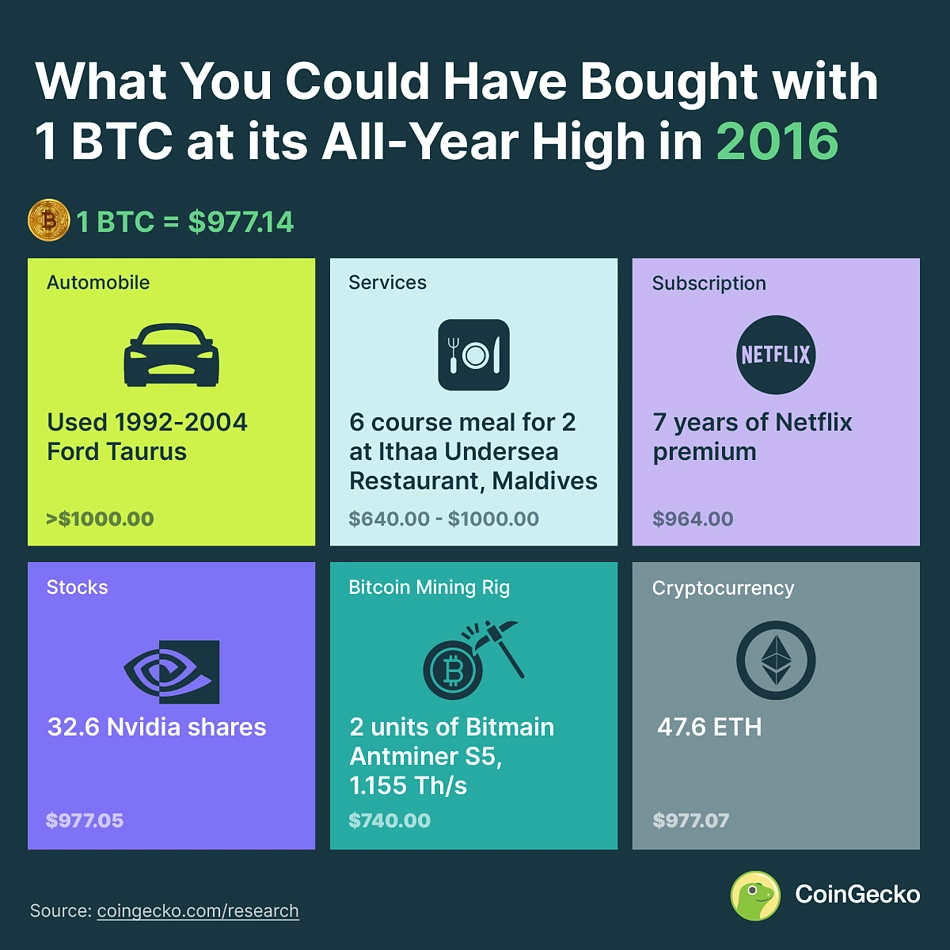
As institutional adoption grows and payment processing infrastructure matures, the ecosystem of goods and services available for Bitcoin has expanded significantly. From high-end real estate to daily consumables, the “Bitcoin circular economy” is becoming a reality. This evolution represents a fundamental shift in how we perceive purchasing power and financial sovereignty.
The Evolution of Bitcoin as a Medium of Exchange
To understand the current state of Bitcoin commerce, one must first recognize the financial hurdles it has overcome. For years, critics argued that Bitcoin’s volatility made it unsuitable for commerce. If an asset can drop 10% in value overnight, why would a merchant accept it, or a consumer spend it?
Overcoming Volatility in Daily Transactions
The financial sector has solved the volatility problem through sophisticated payment gateways and “instant conversion” technologies. Modern merchant processors allow businesses to accept Bitcoin while instantly converting it into fiat currency (like USD or EUR) at the moment of sale. This eliminates the price risk for the merchant while allowing the consumer to utilize their digital wealth. From a personal finance perspective, this allows holders to realize gains by purchasing tangible goods without needing to manually exit to a traditional bank account first.
The Role of Layer 2 Solutions: The Lightning Network
Perhaps the most significant financial innovation in the Bitcoin space is the Lightning Network. Traditional Bitcoin transactions can sometimes be slow and carry high fees during times of network congestion. The Lightning Network acts as a secondary layer that enables near-instant, low-fee transactions. This has opened the door for “micro-payments,” allowing users to buy something as small as a cup of coffee or a digital newspaper subscription. For the savvy consumer, using Lightning-enabled wallets is a way to maintain liquidity without the heavy overhead of main-chain transaction fees.
Luxury Goods and High-Ticket Asset Acquisition
For many early adopters and long-term investors, Bitcoin has generated significant wealth. Consequently, the luxury market was among the first to embrace cryptocurrency payments. Buying high-value assets with Bitcoin is not just a novelty; for many, it is a streamlined way to diversify a portfolio into “hard assets.”
Real Estate: Buying Property with Digital Gold
One of the most profound developments in the crypto-financial space is the ability to purchase real estate using Bitcoin. In markets ranging from Dubai to Miami, developers and private sellers are increasingly listing properties in BTC or accepting it via escrow services.
From a financial planning perspective, purchasing real estate with Bitcoin allows an investor to move wealth from a highly liquid, volatile asset into a stable, cash-flowing physical asset. This process often involves specialized legal firms that handle the “Know Your Customer” (KYC) requirements and ensure that the transfer of title complies with local tax laws. It represents a significant milestone in the maturation of Bitcoin as a legitimate form of global capital.
Exotic Cars and High-End Retailers
The “crypto-rich” demographic has long been associated with luxury vehicles. While Tesla’s brief stint with Bitcoin payments made headlines, many independent luxury dealerships (such as those specializing in Lamborghini, Ferrari, and Porsche) have continued to accept Bitcoin through third-party processors like BitPay. Beyond cars, luxury watchmakers and jewelry houses—such as Franck Muller and various retailers on Fifth Avenue—now accept Bitcoin. For the consumer, this offers a level of privacy and speed that traditional wire transfers, which can take days to clear for large amounts, simply cannot match.
Travel and Global Financial Connectivity
Bitcoin is often described as “money without borders,” making it an ideal tool for the global traveler. Traditional banking systems often struggle with cross-border payments, high foreign exchange fees, and frozen accounts when a user travels to a new country. Bitcoin bypasses these frictions.
Booking Flights and Hotels

Several major travel platforms have integrated Bitcoin into their booking engines. Sites like Travala.com allow users to book millions of hotels and hundreds of airlines worldwide using Bitcoin and other cryptocurrencies. Even mainstream platforms have occasionally offered crypto options through partnerships. For a traveler, holding a portion of their travel budget in Bitcoin can serve as a hedge against local currency devaluations or as a convenient backup should their primary credit cards face issues abroad.
Gift Cards: The Bridge to Traditional Retail
While not every merchant accepts Bitcoin directly, the “gift card bridge” has made it possible to buy almost anything. Services like Bitrefill or Fold allow users to purchase gift cards for Amazon, Walmart, Uber, Starbucks, and hundreds of other retailers using Bitcoin. This is a critical component of the Bitcoin financial ecosystem; it effectively turns Bitcoin into a universal currency. If you can buy a gift card for a grocery store or a gas station with Bitcoin, then Bitcoin is, for all practical purposes, spendable anywhere. This allows individuals to live “off the grid” from traditional banking if they so choose.
Tech Services and the Digital Economy
Given its origins, it is no surprise that the tech industry has the highest density of merchants accepting Bitcoin. For many businesses, paying for their digital infrastructure with a digital currency is a logical extension of their corporate identity.
Web Hosting and Domain Names
The backbone of the internet is increasingly funded by Bitcoin. Major web hosting companies like Namecheap and various VPN providers have accepted Bitcoin for years. This is particularly important for developers and entrepreneurs who value privacy and security. By using Bitcoin to pay for hosting and security services, businesses can reduce their reliance on centralized credit card processors and maintain a more streamlined digital ledger.
Charitable Giving and Crowdfunding
From a philanthropic standpoint, Bitcoin has revolutionized how we donate money. Charities like Save the Children and United Way accept Bitcoin donations. The financial benefit here is twofold: transparency and tax efficiency. In many jurisdictions, donating appreciated Bitcoin to a 501(c)(3) organization allows the donor to avoid capital gains tax while claiming a deduction for the fair market value of the asset. This makes Bitcoin an incredibly powerful tool for tax-advantaged wealth management and social impact.
Managing Your Bitcoin Spend: Financial and Tax Considerations
While the ability to buy goods with Bitcoin is empowering, it requires a higher level of financial literacy than traditional spending. Because Bitcoin is treated as property by many tax authorities (such as the IRS in the United States), every purchase is technically a taxable event.
Understanding Capital Gains Tax
When you use Bitcoin to buy a laptop or a car, the government views that transaction as if you sold the Bitcoin for cash and then used that cash to make the purchase. If the Bitcoin you spent is worth more than what you originally paid for it, you owe capital gains tax on the difference. For those using Bitcoin as a primary financial tool, it is essential to use crypto-accounting software to track the “cost basis” of every Satoshi spent. This ensures that you remain compliant with tax laws and avoids nasty surprises during tax season.
Tracking Portfolio Health and Liquidity
Spending Bitcoin should be a calculated decision within your broader investment strategy. Financial advisors often recommend a “spend and replace” strategy for those who want to support the Bitcoin economy without depleting their long-term holdings. This involves immediately buying back the same amount of Bitcoin with fiat currency after making a purchase. This allows you to utilize the utility of the network while maintaining your investment exposure.
Furthermore, users must be aware of the “opportunity cost” of spending. Because Bitcoin has historically appreciated significantly over long periods, spending it today means you may be missing out on future gains. Balancing current utility with future wealth preservation is the hallmark of a sophisticated digital asset manager.

Conclusion: Toward a Bitcoin-Integrated Future
The question of “what can you buy with Bitcoin” has evolved from “almost nothing” to “nearly everything.” Whether you are looking to acquire a penthouse in a major city, book a flight across the globe, or simply buy a digital subscription, the infrastructure exists to facilitate these transactions.
However, as Bitcoin continues to integrate into the mainstream economy, the responsibility falls on the individual to manage their digital assets wisely. This means understanding the technological tools like the Lightning Network, navigating the complex tax implications of crypto-commerce, and making strategic decisions about liquidity versus long-term holding. As we move forward, Bitcoin is proving that it is not just an entry on a digital ledger, but a versatile financial tool capable of powering a new era of global commerce.
aViewFromTheCave is a participant in the Amazon Services LLC Associates Program, an affiliate advertising program designed to provide a means for sites to earn advertising fees by advertising and linking to Amazon.com. Amazon, the Amazon logo, AmazonSupply, and the AmazonSupply logo are trademarks of Amazon.com, Inc. or its affiliates. As an Amazon Associate we earn affiliate commissions from qualifying purchases.