
In the modern digital landscape, the question “What’s on Paramount?” refers to much more than a simple catalog of movies and television shows. While the consumer perceives a library of content, what exists beneath the surface is a sophisticated technological ecosystem designed to deliver high-definition media to millions of concurrent users worldwide. Paramount+ represents a significant case study in how legacy media companies have transitioned into tech-first organizations, utilizing cloud computing, machine learning, and advanced compression algorithms to compete in the highly contested “streaming wars.”
To understand what is truly “on” Paramount, one must look beyond the “Mountain of Entertainment” branding and examine the software engineering, data science, and infrastructure that power the platform.
The Evolution of Streaming Infrastructure
The transition from CBS All Access to the global powerhouse of Paramount+ necessitated a complete overhaul of the underlying technical infrastructure. This was not merely a cosmetic rebranding but a migration to a more scalable, resilient, and global-ready architecture.
From Legacy Systems to a Global Tech Powerhouse
The original iteration of the service relied on localized server clusters that were sufficient for a domestic audience. However, as the platform expanded into international markets, the engineering team had to transition to a cloud-native approach. By leveraging multi-cloud strategies—utilizing providers like Amazon Web Services (AWS) and Google Cloud—Paramount ensures that its “Mountain of Entertainment” is accessible from any geographic location with minimal latency. This global distribution is managed through sophisticated Content Delivery Networks (CDNs) that cache content closer to the edge, ensuring that when a user hits “play,” the data travels the shortest distance possible.
Cloud-Native Delivery and Global Scalability
Scalability is perhaps the greatest technical challenge for any streaming service, particularly one that hosts high-traffic live events like the NFL or the UEFA Champions League. The infrastructure must be capable of “elastic” scaling—automatically provisioning more server capacity as millions of users log on simultaneously. Paramount utilizes containerization (through tools like Docker and Kubernetes) to manage microservices. This allows the platform to update specific features, such as the search function or the payment gateway, without taking the entire system offline, ensuring a 99.9% uptime.
User Experience and Interface Engineering
What makes a streaming service successful is not just the volume of content, but the ease with which a user can navigate it. The User Experience (UX) and User Interface (UI) of Paramount+ are the results of rigorous A/B testing and behavioral data analysis.
Personalization Through Machine Learning
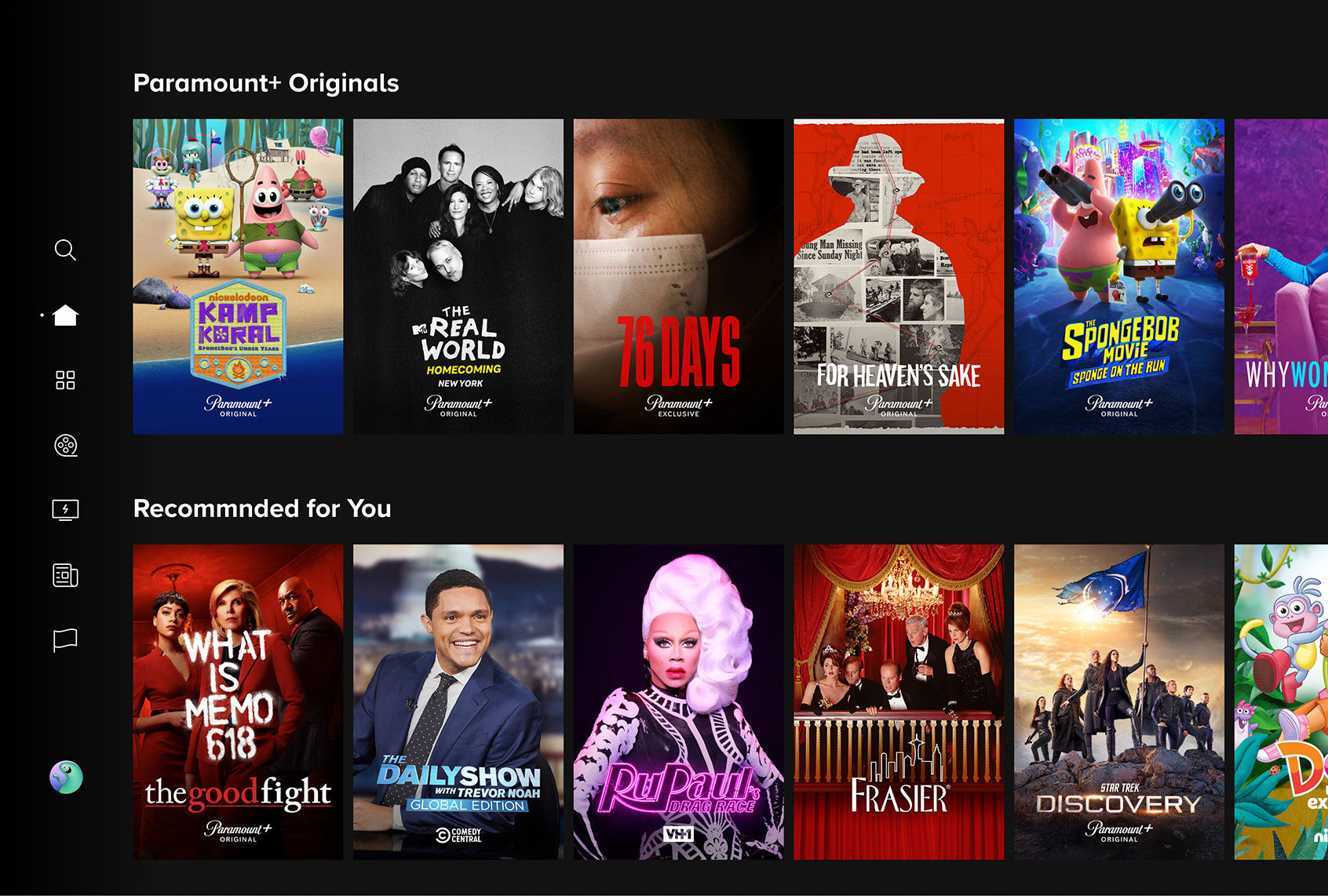
When a user asks “what’s on,” the platform provides a personalized answer. This is achieved through advanced recommendation engines powered by machine learning (ML). These algorithms analyze a variety of data points: viewing history, time of day, device type, and even the “completion rate” of specific genres. By employing Collaborative Filtering and Deep Learning models, the Paramount tech stack predicts what a user is likely to enjoy next. This reduces “choice paralysis” and increases user retention, a critical metric in the subscription economy.
Cross-Platform Compatibility and UI Consistency
One of the most complex technical hurdles is ensuring that the app functions perfectly across a fragmented device landscape. From Roku and Apple TV to Android smartphones and integrated smart TV web browsers, the code must be optimized for varying processors and memory capacities. The engineering team uses cross-platform development frameworks that allow for a consistent look and feel while optimizing performance for specific hardware constraints. This ensures that the “Paramount experience” remains premium, whether viewed on a 4-inch mobile screen or an 85-inch 4K display.
Content Delivery and Visual Excellence

The “tech” of Paramount is most visible in the quality of the stream itself. Delivering high-fidelity audio and video over inconsistent internet connections requires a mastery of data compression and streaming protocols.
Optimizing High Dynamic Range (HDR) and 4K Streams
To provide a cinematic experience, Paramount+ supports advanced visual standards like Dolby Vision and HDR10. These technologies allow for a wider color gamut and higher contrast ratios. However, streaming 4K HDR content requires immense bandwidth. To manage this, the platform employs sophisticated video codecs like HEVC (High-Efficiency Video Coding) and AV1. These codecs compress the video files significantly without a perceptible loss in quality, allowing users with moderate internet speeds to enjoy high-definition content.
Adaptive Bitrate Streaming (ABR) Mechanisms
Internet stability is never guaranteed. To prevent the dreaded “buffering” icon, Paramount utilizes Adaptive Bitrate Streaming (ABR). This technology breaks the video file into small segments, each encoded at different quality levels (bitrates). The player on the user’s device constantly monitors the network speed; if the connection dips, the system automatically switches to a lower-bitrate segment in real-time. This seamless transition ensures that the playback remains continuous, prioritizing a smooth viewing experience over temporary fluctuations in resolution.
Data Security and Digital Rights Management (DRM)
In the digital age, protecting intellectual property is a massive technological undertaking. The content “on” Paramount is protected by layers of encryption and security protocols that prevent unauthorized distribution while maintaining ease of access for subscribers.
Protecting Intellectual Property in a Digital Age
Digital Rights Management (DRM) is the backbone of content security. Paramount+ employs industry-standard DRM solutions like Google’s Widevine, Apple’s FairPlay, and Microsoft’s PlayReady. These systems ensure that the video stream is encrypted from the server to the authorized device. Furthermore, the platform utilizes forensic watermarking—a tech feature that embeds invisible identifiers into the stream—allowing the company to trace the source of any leaked content back to a specific account or session.
User Privacy and Secure Payment Gateways
Beyond protecting the content, Paramount must protect the user. With millions of credit card transactions and personal profiles, the platform must adhere to strict data protection regulations like GDPR and CCPA. The tech stack includes robust encryption for data-at-rest and data-in-transit. Payment processing is handled through PCI-compliant gateways, ensuring that sensitive financial information is never stored directly on the streaming servers, thereby mitigating the risk of large-scale data breaches.
Future Innovations in the Paramount Tech Stack
The technology behind “what’s on Paramount” is not static; it is constantly evolving to incorporate the latest advancements in artificial intelligence and interactive media.
Generative AI for Metadata and Search
One of the most exciting frontiers for the platform is the integration of Generative AI. Currently, engineers are exploring ways to use AI to generate more accurate metadata and descriptive tags for their massive library. This makes the search function more “natural.” Instead of searching for a title, a user might eventually be able to search for “movies with a 90s aesthetic and a twist ending,” with the AI understanding the context and sentiment of the request to provide accurate results.
The Integration of Immersive Viewing Experiences
As hardware like the Apple Vision Pro and other VR/AR headsets enter the mainstream, the Paramount tech team is looking toward spatial computing. This involves developing apps that allow for “immersive environments,” where a user can watch a film in a virtual cinema or interact with 3D elements related to the show they are watching. This move from 2D streaming to 3D immersion represents the next major leap in the technological delivery of entertainment.
In conclusion, “What’s on Paramount” is a question that is answered by an intricate web of software, hardware, and data science. From the cloud-native infrastructure that supports millions of viewers to the machine learning algorithms that curate the homepage, the platform is a testament to the power of modern technology in reshaping how the world consumes media. As the digital landscape continues to shift, Paramount’s commitment to technological innovation will remain the primary driver of its success in the global market.
aViewFromTheCave is a participant in the Amazon Services LLC Associates Program, an affiliate advertising program designed to provide a means for sites to earn advertising fees by advertising and linking to Amazon.com. Amazon, the Amazon logo, AmazonSupply, and the AmazonSupply logo are trademarks of Amazon.com, Inc. or its affiliates. As an Amazon Associate we earn affiliate commissions from qualifying purchases.