
In the landscape of modern computing, few innovations have sparked as much discourse, confusion, and genuine transformation as blockchain technology. At its core, a blockchain is a distributed, immutable ledger that facilitates the process of recording transactions and tracking assets in a network. While it first gained notoriety as the underlying framework for digital currencies, its technical implications extend far beyond the realm of finance. It represents a paradigm shift in how data is stored, shared, and verified across the global digital infrastructure.
To understand blockchain from a purely technical perspective is to understand a sophisticated convergence of cryptography, peer-to-peer networking, and consensus algorithms. It is a solution to the age-old “Byzantine Generals Problem,” providing a way for disparate parties to reach agreement on a single version of truth without the need for a central authority.
The Architecture of Trust: How Blockchain Functions
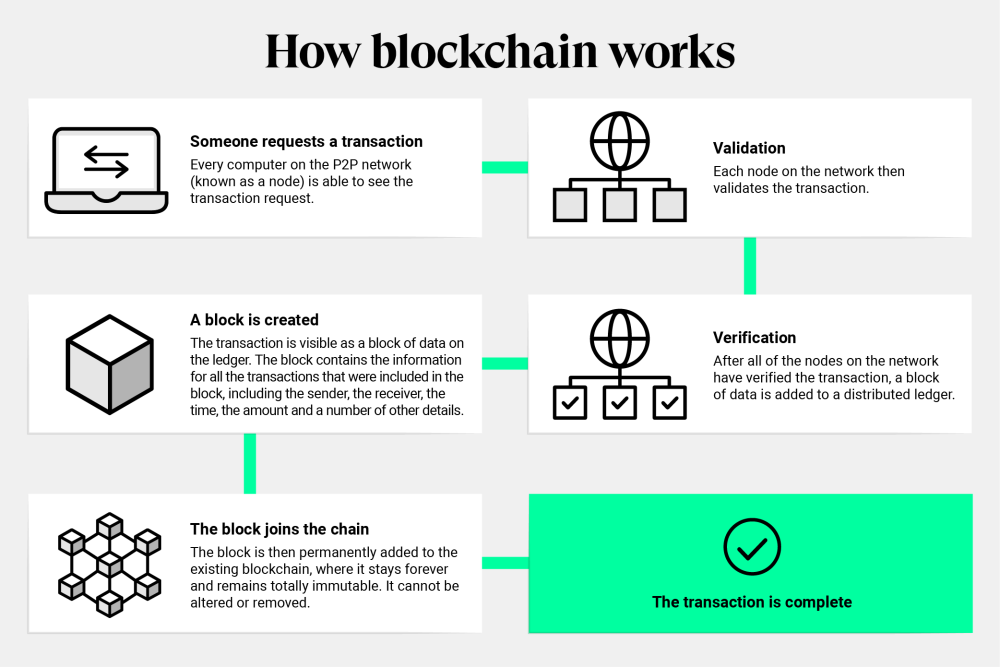
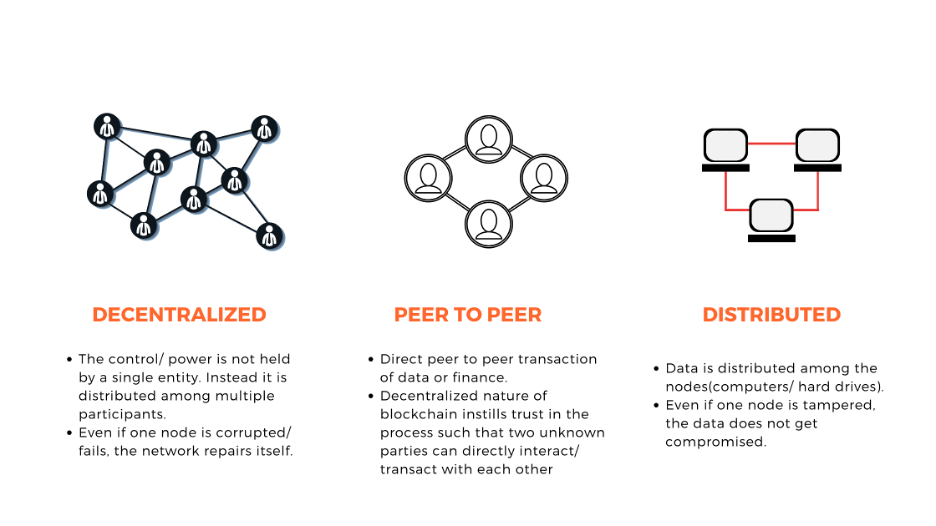
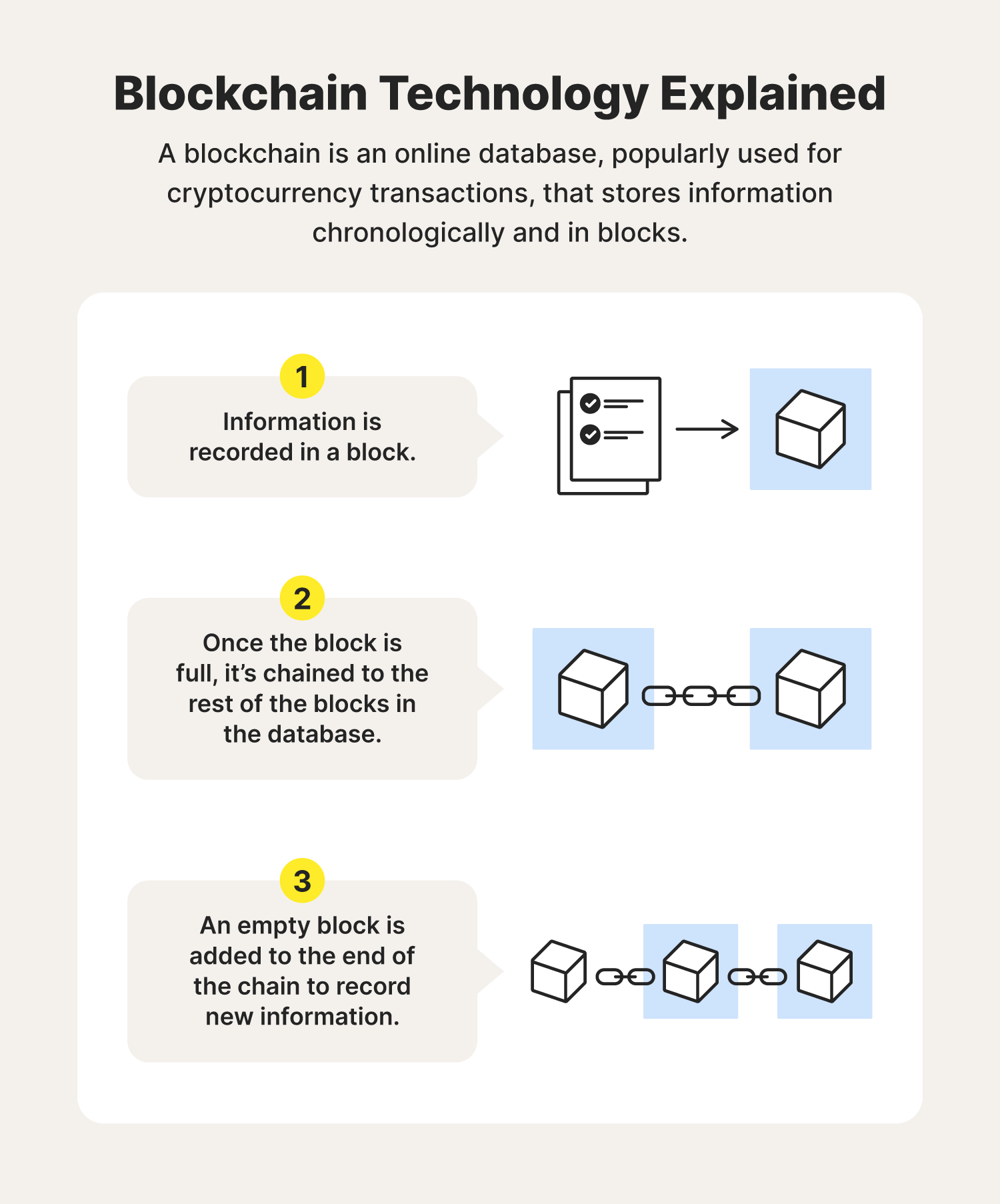
The fundamental structure of a blockchain is defined by its name: a literal chain of data blocks. Unlike a traditional database controlled by a single administrator, a blockchain is decentralized. This means the data is replicated across a vast network of computers, known as nodes, each maintaining a complete or partial copy of the entire ledger.
The Anatomy of a Block
Every block in the chain consists of several key components: the data (the payload), a timestamp, a “nonce” (a random number used in mining), and two critical cryptographic strings known as hashes. The first is the hash of the current block, and the second is the hash of the preceding block. This link is what creates the “chain.” If a single piece of data within a block is altered, its hash changes entirely. Because the subsequent block contains the old hash, the link is broken, and the network immediately identifies the data as invalid.
Cryptographic Hashing and Data Integrity
The security of blockchain relies heavily on cryptographic hashing functions, such as SHA-256. A hash function takes an input of any size and produces a fixed-length string of characters. This process is a “one-way street”; you can easily generate a hash from data, but it is mathematically impossible to reverse-engineer the data from the hash. This ensures that the data remains private and tamper-proof. In a tech context, this provides a level of data integrity that traditional centralized servers, which are vulnerable to “single point of failure” attacks, simply cannot match.
The Role of Nodes and Decentralization
A blockchain exists on a peer-to-peer (P2P) network. Nodes are the individual computers that run the blockchain software. They are responsible for propagating transactions, verifying new blocks, and maintaining the history of the chain. This distributed nature ensures high availability; even if 50% of the nodes go offline, the network continues to function. This decentralization removes the need for intermediaries, allowing for direct machine-to-machine communication and data exchange.
Consensus Mechanisms: Validating the Truth
In a decentralized system where no one is “in charge,” how does the network decide which transactions are valid? This is achieved through consensus mechanisms—mathematical protocols that ensure all nodes agree on the state of the ledger.
Proof of Work (PoW)
Proof of Work was the first consensus mechanism, popularized by the earliest blockchain iterations. In PoW, nodes (referred to as miners) compete to solve complex mathematical puzzles. The first to solve the puzzle earns the right to add the next block to the chain. This process requires significant computational power, making it prohibitively expensive for a malicious actor to “attack” the network, as they would need to control more than 51% of the total computing power of the entire system.
Proof of Stake (PoS)
As the tech evolved, concerns over the energy consumption of PoW led to the development of Proof of Stake. In PoS, the creators of new blocks are chosen based on the number of tokens they “stake” or lock up as collateral. This removes the need for energy-intensive hardware. From a software architecture perspective, PoS allows for faster transaction finality and greater scalability, making it a preferred choice for modern enterprise-grade blockchains.
Byzantine Fault Tolerance (BFT) and Newer Protocols
Beyond PoW and PoS, engineers have developed variations like Delegated Proof of Stake (DPoS) and Practical Byzantine Fault Tolerance (PBFT). These protocols are designed for specific use cases, such as private or “permissioned” blockchains used within corporate consortia. They prioritize speed and throughput, allowing for thousands of transactions per second, which is essential for global-scale software applications.
Smart Contracts and Programmable Logic
The evolution of blockchain from a simple ledger to a “world computer” occurred with the introduction of smart contracts. These are self-executing contracts with the terms of the agreement directly written into lines of code.
The Logic of Automated Execution
A smart contract is essentially an “if-this-then-that” statement hosted on the blockchain. For example, a contract could be programmed to release a software license key once a specific digital payment is verified. Because the code resides on the blockchain, it is immutable and transparent. No party can change the rules of the contract once it is deployed, and the execution is triggered automatically by the network, eliminating the need for manual oversight or a third-party executor.
The Ethereum Virtual Machine (EVM)
The technical breakthrough that enabled smart contracts was the Virtual Machine—most notably the Ethereum Virtual Machine (EVM). The EVM acts as a global, decentralized computer that executes code across the entire network of nodes. Developers can write applications in specialized programming languages like Solidity and deploy them to the blockchain. This has given birth to the “Web3” movement, where applications (DApps) run on a decentralized backend rather than a centralized cloud provider like AWS or Google Cloud.
Practical Applications in Modern Tech Infrastructure
While the media often focuses on the speculative aspects of blockchain, its true value lies in solving complex technical challenges in data management and security.
Supply Chain Traceability and IoT
One of the most robust use cases for blockchain is in supply chain management. By integrating blockchain with the Internet of Things (IoT), companies can track the lifecycle of a product with absolute precision. Sensors on a shipping container can automatically upload temperature or location data to a blockchain. Because this data is immutable, it provides an unalterable audit trail, ensuring that hardware components or pharmaceutical goods have been handled correctly throughout their journey.
Decentralized Identity (DID)
Digital security is currently plagued by the over-reliance on centralized passwords and identity providers. Blockchain enables Decentralized Identity (DID), where users own and control their own identity credentials. Instead of logging into a service using a social media account, a user provides a cryptographically signed proof of identity. This reduces the risk of massive data breaches, as there is no central database of user passwords for hackers to target.
Cybersecurity and Distributed Storage
Blockchain technology is being used to reinvent digital security. Traditional “firewall” approaches are failing in an era of sophisticated cyber-attacks. By using blockchain for “hash-based” security, systems can verify that software updates or configuration files have not been tampered with. Furthermore, decentralized storage protocols (like IPFS) use blockchain-like structures to break files into pieces and distribute them across a network, making it nearly impossible for a single point of failure to result in data loss or censorship.
The Path Forward: Scalability and Interoperability
As blockchain moves toward mass adoption, the tech community is focused on overcoming the “Blockchain Trilemma”—the challenge of balancing security, decentralization, and scalability.
Layer 2 Scaling Solutions
To handle the volume of data required for global apps, developers are building “Layer 2” solutions. These are protocols that sit on top of the main blockchain (Layer 1). They process transactions off-chain and then bundle them together to be settled on the main chain in a single transaction. Techniques like “Rollups” (Optimistic and Zero-Knowledge) allow blockchains to scale their throughput by orders of magnitude without sacrificing the security of the underlying network.
The Quest for Interoperability
In the current tech landscape, different blockchains often operate as “silos” that cannot communicate with one another. The next frontier in blockchain development is interoperability—creating protocols that allow data and assets to move seamlessly between different chains. Projects focusing on “cross-chain bridges” and universal communication standards are essential for creating a unified decentralized internet.
In conclusion, blockchain is far more than a buzzword; it is a foundational shift in computer science. By providing a decentralized, secure, and programmable method of managing data, it offers a new blueprint for building the digital systems of the future. As the technology matures, its integration into our software stacks will become as invisible and essential as the TCP/IP protocols that power the internet today.
aViewFromTheCave is a participant in the Amazon Services LLC Associates Program, an affiliate advertising program designed to provide a means for sites to earn advertising fees by advertising and linking to Amazon.com. Amazon, the Amazon logo, AmazonSupply, and the AmazonSupply logo are trademarks of Amazon.com, Inc. or its affiliates. As an Amazon Associate we earn affiliate commissions from qualifying purchases.