
The world of stock trading often appears to be a labyrinth of complex charts, flashing numbers, and intimidating jargon. However, at its core, stock trading is one of the most effective vehicles for building long-term wealth and achieving financial independence. Whether you are looking to supplement your income or build a robust retirement portfolio, understanding the mechanics of the market is a fundamental skill in the modern economy.
Starting your journey in the stock market requires more than just capital; it requires a disciplined mindset, a strategic approach, and a commitment to continuous learning. This guide provides a comprehensive roadmap for the aspiring investor, focusing on the financial principles and practical steps necessary to navigate the markets with confidence.
Building a Solid Financial Foundation Before Your First Trade
Before you execute your first trade, it is imperative to ensure that your personal finances are in a position to handle the volatility of the equity markets. Investing is a marathon, not a sprint, and entering the market from a place of financial instability can lead to emotional decision-making, which is the primary enemy of the successful trader.
Understanding Risk Tolerance and Investment Goals
Every individual has a unique relationship with money and risk. Before putting a single dollar into a stock, you must define your risk tolerance. Are you someone who can stay calm during a 20% market correction, or would such a dip cause you to panic-sell? Your risk tolerance is influenced by your age, your financial responsibilities, and your overall temperament.
Parallel to risk is your “why.” Are you trading to buy a house in five years, or are you investing for a retirement that is thirty years away? Defining these goals dictates your asset allocation. Short-term goals generally require a more conservative approach, while long-term horizons allow for the compounding benefits of more aggressive, growth-oriented stocks.
Setting Up an Emergency Fund and Debt Management
A cardinal rule of personal finance is never to invest money that you might need for immediate living expenses. Markets can be unpredictable, and being forced to sell a position during a downturn because you need to pay for a car repair or medical bill is a guaranteed way to lose wealth.
Aim to have three to six months of living expenses in a high-yield savings account before you fund a brokerage account. Furthermore, evaluate your existing debt. If you are carrying high-interest credit card debt at 20% APR, it is mathematically wiser to pay that off before investing in the stock market, where average annual returns typically range from 7% to 10%.
Choosing the Right Brokerage and Account Type
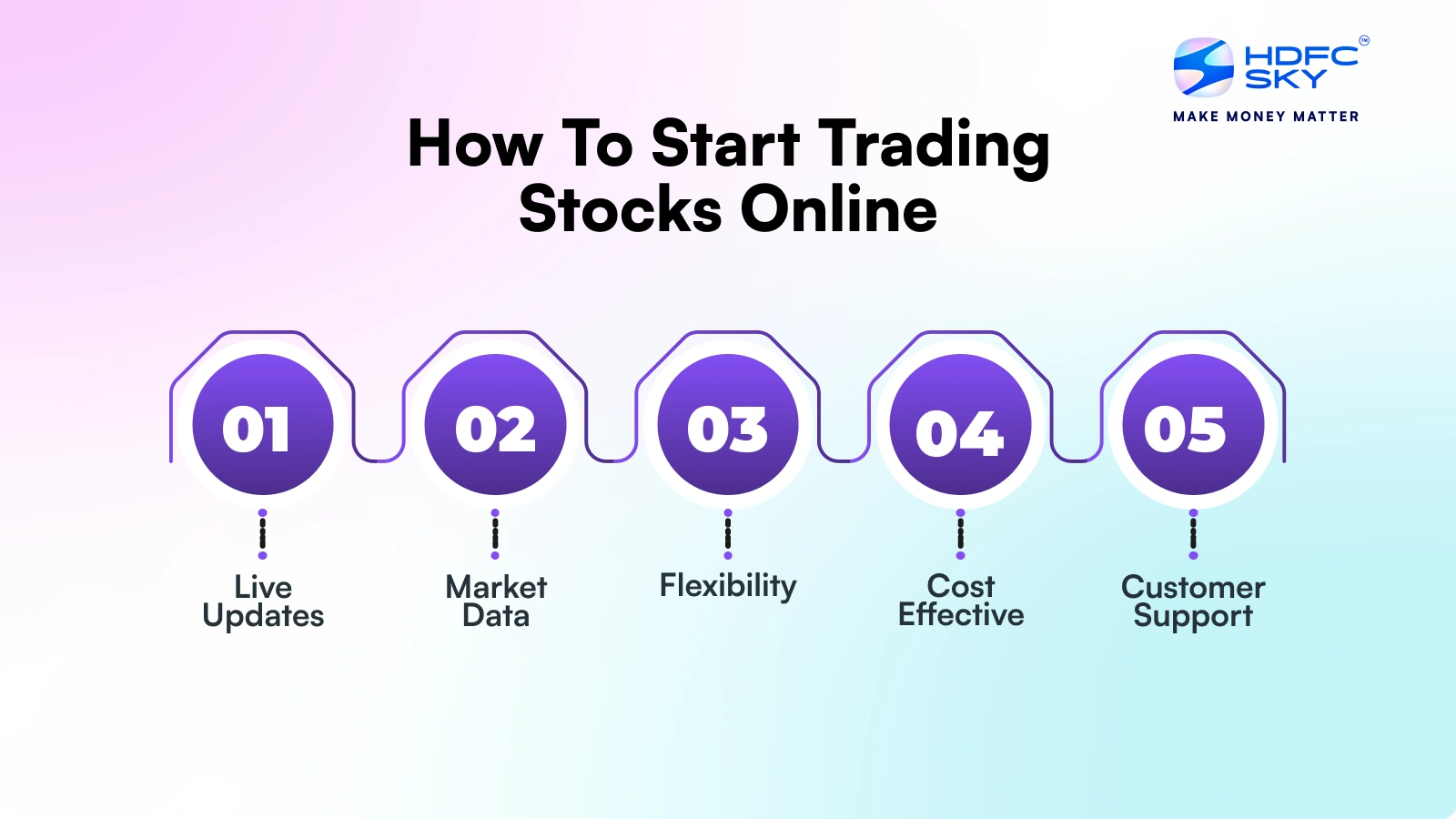
Once your financial house is in order, the next step is to select the platform where your trading will occur. The brokerage industry has evolved significantly over the last decade, transitioning from high-commission models to a “democratized” landscape where entry barriers are lower than ever.
Comparing Discount vs. Full-Service Brokers
In today’s market, most beginners gravitate toward discount brokers. These platforms offer zero-commission trades on stocks and ETFs and provide user-friendly interfaces. They are ideal for self-directed investors who want to manage their own portfolios.
Full-service brokers, on the other hand, provide personalized investment advice, estate planning, and tax assistance. While they offer a high level of expertise, they also charge significant fees or a percentage of assets under management. For someone just starting, a reputable discount broker with robust educational resources is usually the most cost-effective starting point.
Tax-Advantaged Accounts vs. Standard Taxable Accounts
Where you hold your stocks is just as important as which stocks you buy. If you are trading for retirement, using tax-advantaged accounts like an Individual Retirement Account (IRA) or a 401(k) can save you thousands of dollars in taxes over several decades. In these accounts, your investments grow tax-deferred or, in the case of a Roth IRA, tax-free.
However, if you want the flexibility to withdraw your funds before retirement age, a standard taxable brokerage account is necessary. While you will owe capital gains taxes on your profits, these accounts offer no restrictions on when you can sell your positions and move the cash back to your bank account.
Fundamental and Technical Analysis: How to Evaluate Stocks
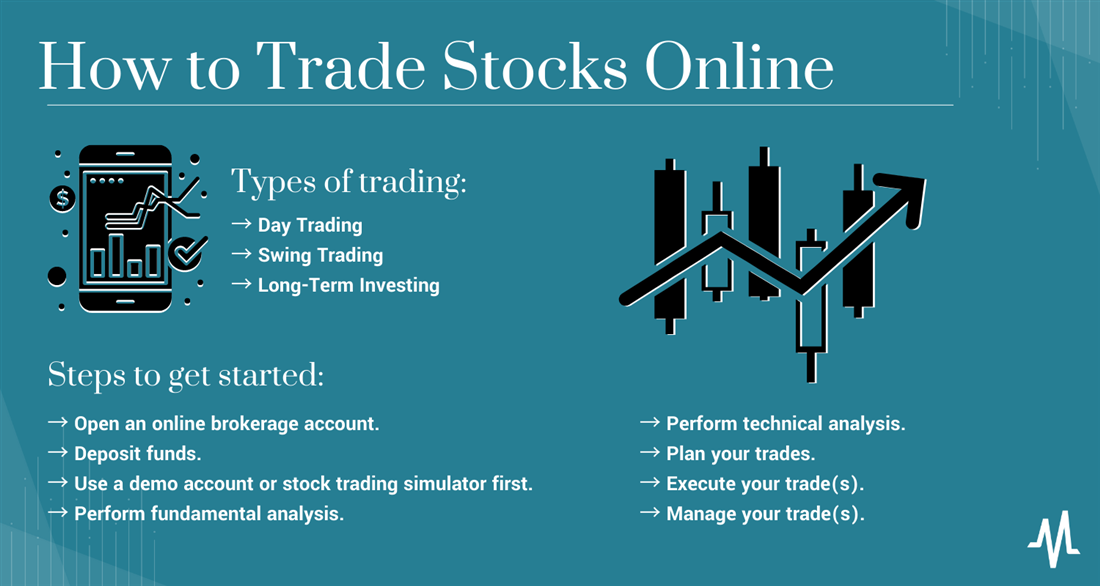
A common mistake for beginners is treating stock trading like gambling—picking companies based on “tips” or “gut feelings.” Professional trading is rooted in analysis. There are two primary schools of thought: fundamental analysis and technical analysis.
Decoding Financial Statements and Key Ratios
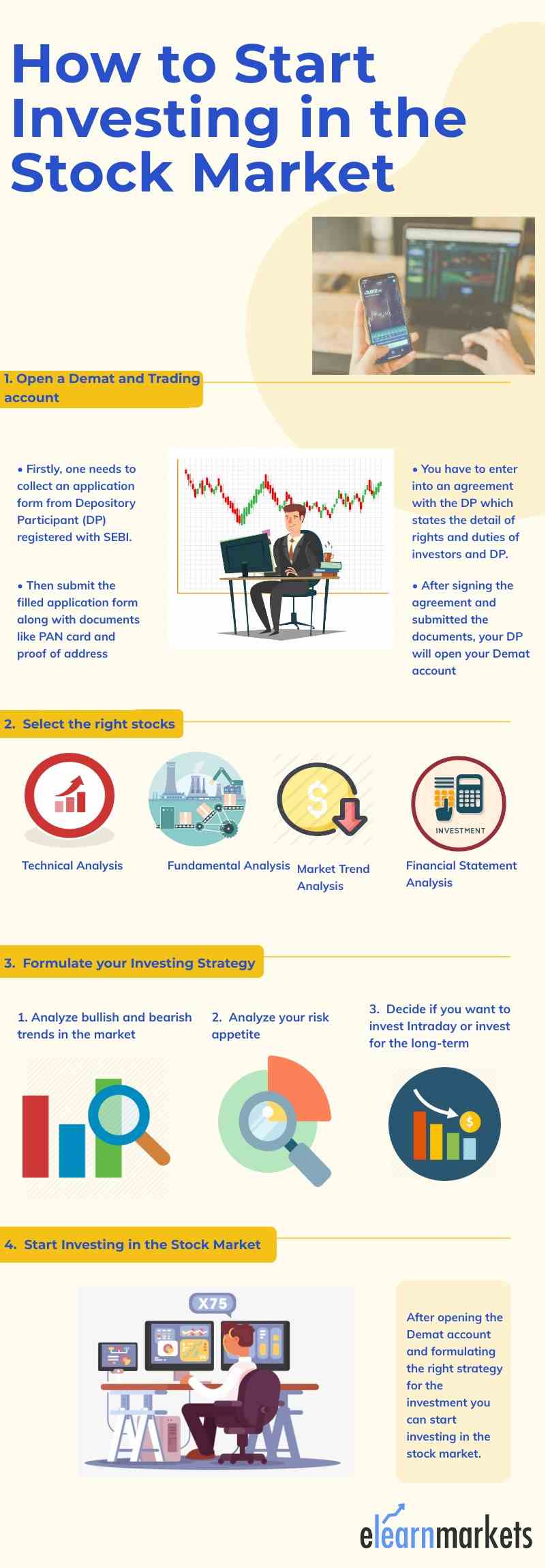
Fundamental analysis involves looking at the “health” of a business to determine its intrinsic value. You are essentially looking at the stock as a piece of a real business. Key metrics to study include:
- Earnings Per Share (EPS): The portion of a company’s profit allocated to each outstanding share of common stock.
- Price-to-Earnings (P/E) Ratio: This helps you determine if a stock is overvalued or undervalued relative to its earnings.
- Revenue Growth: Is the company selling more products or services over time?
- Debt-to-Equity Ratio: This measures how much the company is financed by debt versus its own funds, highlighting financial stability.
By understanding these figures, you can identify companies with strong balance sheets that are likely to weather economic storms.
The Role of Market Sentiment and Economic Indicators
While fundamental analysis looks at the company, you must also look at the environment in which the company operates. Technical analysis involves studying price movements and patterns on charts to predict future trends. While more common in active trading, even long-term investors use it to find better “entry points.”
Additionally, you must keep an eye on broader economic indicators. Interest rates set by the Federal Reserve, inflation data (CPI), and employment reports all impact market liquidity and investor sentiment. A great company can still see its stock price fall if the overall market is in a “risk-off” environment due to rising interest rates.
Developing Your Trading Strategy and Risk Management
Success in the stock market is rarely about one “home run” trade; it is about a repeatable process that manages risk effectively. Without a strategy, you are merely reacting to market noise.
Long-term Investing vs. Active Trading
Before you buy, decide what kind of participant you want to be. Long-term investing (often called “Buy and Hold”) involves purchasing shares of high-quality companies or index funds and holding them for years. This strategy leverages the power of compounding and historical market growth.
Active trading, such as day trading or swing trading, involves buying and selling stocks over short timeframes (days or weeks) to profit from price fluctuations. While the potential for high returns exists, the risks are significantly higher, and it requires a much larger time commitment for research and monitoring.
The Importance of Diversification and Position Sizing
“Don’t put all your eggs in one basket” is the golden rule of investing. Diversification involves spreading your capital across different sectors (Tech, Healthcare, Energy, Consumer Staples) and asset classes. If one industry suffers a downturn, your entire portfolio won’t be wiped out.
Position sizing is equally critical. A common rule of thumb for beginners is not to risk more than 1% to 2% of your total account value on any single trade. If you have $10,000, you shouldn’t put all $10,000 into a single volatile penny stock. By managing the size of your positions, you ensure that no single mistake can end your trading career.
Executing Your First Trade and Managing Your Portfolio
With your research complete and your strategy in place, you are ready to enter the market. The actual execution of a trade is a mechanical process, but it requires an understanding of how market orders function.
Understanding Market vs. Limit Orders
When you click “buy,” you will typically see two main options:
- Market Order: This instructs the broker to buy the stock immediately at the best available current price. This guarantees the trade happens quickly but does not guarantee the exact price.
- Limit Order: This allows you to set a specific price at which you are willing to buy. The trade will only execute if the stock hits that price. This gives you more control over your entry price, which is vital in volatile markets.
Monitoring Performance and Rebalancing
After you own a stock, the work isn’t over. You must periodically review your portfolio to ensure it still aligns with your goals. This is known as “rebalancing.” If one of your stocks has performed exceptionally well, it might now represent a much larger percentage of your portfolio than you originally intended. Rebalancing involves selling some of the “winners” and reinvesting in areas that are undervalued to maintain your desired risk level.
Furthermore, keep a trading journal. Document why you bought a stock, what your expected outcome was, and why you eventually sold it. This record-keeping allows you to identify patterns in your behavior and refine your strategy over time, turning every loss into a lesson and every win into a repeatable success.
By following these structured steps—from building a financial safety net to executing disciplined trades—you transform the stock market from a place of uncertainty into a powerful engine for your personal financial growth. Beginning your trading journey is a commitment to your future self, requiring patience, education, and a steady hand.
aViewFromTheCave is a participant in the Amazon Services LLC Associates Program, an affiliate advertising program designed to provide a means for sites to earn advertising fees by advertising and linking to Amazon.com. Amazon, the Amazon logo, AmazonSupply, and the AmazonSupply logo are trademarks of Amazon.com, Inc. or its affiliates. As an Amazon Associate we earn affiliate commissions from qualifying purchases.