
In the dynamic landscape of modern consumerism, understanding generational cohorts is not merely an academic exercise; it’s a strategic imperative for any brand aiming for relevance and longevity. For marketers, brand strategists, and corporate identity specialists, the question “what are Generation Z called?” extends far beyond a simple nomenclature. It delves into the very essence of their identity, their defining characteristics, and the nuanced ways these manifest in their interactions with the world—and with brands.
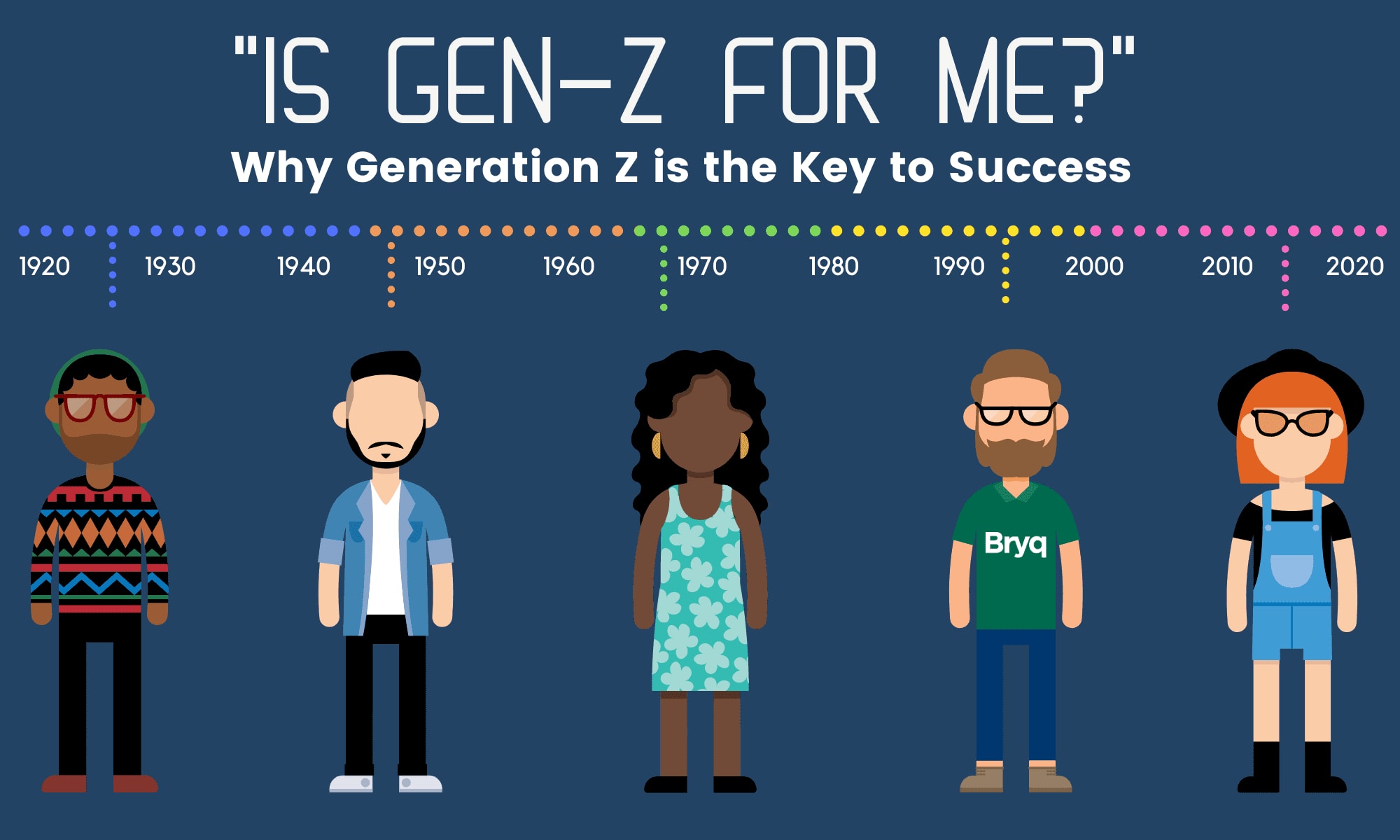
Generation Z, often referred to as Gen Z, Zoomers, or the iGeneration, represents the demographic cohort succeeding Millennials. Born roughly between the mid-1990s and the early 2010s, this group is the first to have grown up entirely immersed in a digital world. Their “calling” or definition, therefore, is inextricably linked to technology, but their response to it, their values, and their expectations set them distinctly apart. For brands, accurately identifying and understanding these nuances is the cornerstone of effective engagement, brand loyalty, and sustained growth.
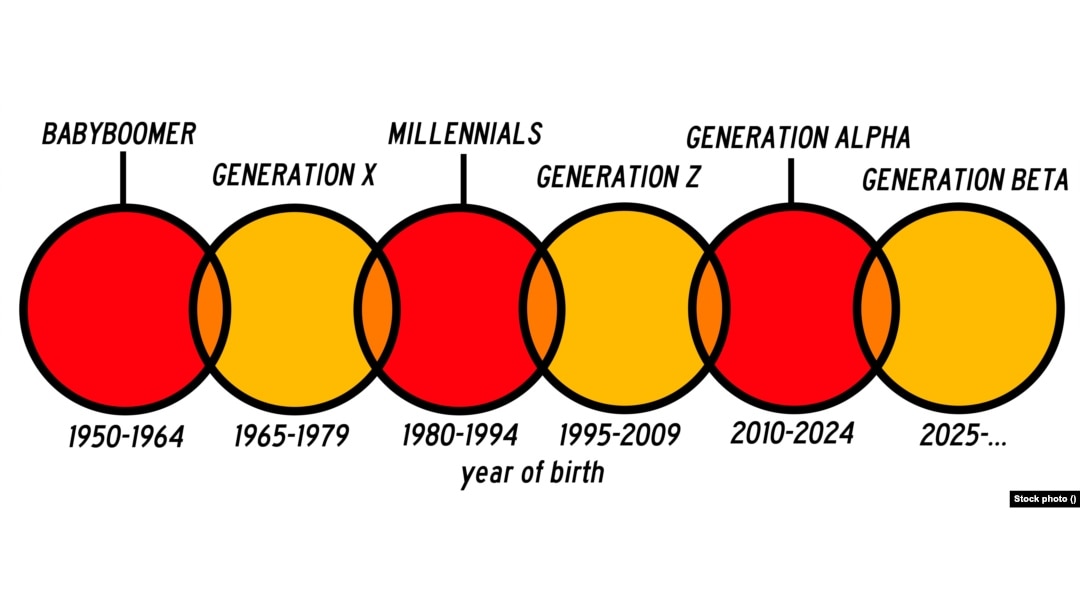
Beyond the Z: The Nuances of Naming a Generation
The seemingly straightforward designation “Generation Z” belies a complex interplay of cultural, technological, and socio-economic factors that shape this influential demographic. For brands, recognizing these deeper layers is crucial for moving beyond superficial marketing tactics.
The Genesis of ‘Generation Z’: Tracing the Origin and its Implications
The term “Generation Z” emerged as a logical successor to “Generation Y” (Millennials) when demographers and researchers sought to categorize the next distinct cohort. Coined initially as a placeholder, much like the term “Generation X” before it, “Z” eventually stuck, signifying a population coming after the known. However, this simple alphabetical progression hides profound shifts. Unlike previous generations, Gen Z has never known a world without the internet, smartphones, or social media. This fundamental difference is a core component of their “calling”—they are the true digital natives.
For brand strategy, this means that digital presence isn’t an add-on; it’s the default. A brand’s website, social media channels, and mobile experience are not just points of contact but integral components of its identity in the eyes of Gen Z. Their early and constant exposure to vast amounts of information, diverse perspectives, and instant gratification has shaped a critical, pragmatic, and highly informed consumer base. Brands that fail to acknowledge this digital-first genesis risk being perceived as out of touch, slow, or irrelevant, ultimately eroding their corporate identity among this group.
More Than a Label: Understanding Sub-Categories and Micro-Identities
While “Generation Z” serves as an overarching umbrella, this cohort is far from monolithic. Within it exist myriad sub-categories and micro-identities that savvy brands must recognize. Terms like “Zoomers” often evoke a slightly younger, more TikTok-centric segment, while “iGeneration” emphasizes their innate connection to Apple products and the broader ecosystem of personal tech. These aren’t just colloquialisms; they signal varying degrees of digital fluency, platform preferences, and even subtle shifts in cultural values.
For example, a brand targeting the early cohort of Gen Z (mid-90s born) might find success with strategies that resonate with a slightly more nostalgic or established digital user, perhaps via YouTube or Instagram. In contrast, reaching the younger Zoomers (early 2010s born) might require a mastery of TikTok trends, short-form video content, and emerging platforms. The implication for brand strategy is clear: generic Gen Z campaigns are often inefficient. Instead, brands need to invest in granular audience segmentation, leveraging data analytics to identify specific micro-identities and tailor their messaging, design aesthetics, and channel selection accordingly. This nuanced approach builds a more authentic connection, reinforcing the brand’s understanding and respect for its diverse audience.
The Marketing Imperative: Why Definitions Matter for Brand Strategy
The meticulous definition and continuous re-evaluation of what Generation Z is “called” (i.e., how they are characterized) is a core marketing imperative. It directly impacts how brands formulate their strategy, craft their messaging, and design their overall customer experience. Without a precise understanding, marketing efforts can fall flat, leading to wasted resources and damaged brand perception.
Consider the contrast with previous generations. Millennials, often characterized by a search for purpose and experiential consumption, responded well to brands that told compelling stories of social impact or offered unique experiences. Gen Z, while also values-driven, translates these values into actionable demands for authenticity, transparency, and immediate relevance. They are less swayed by aspirational advertising and more by authentic peer reviews, user-generated content, and brands that walk the talk on social and environmental issues.
For brand strategists, understanding these definitions means:
- Refining Value Propositions: Emphasizing sustainability, inclusivity, and ethical practices.
- Optimizing Communication Channels: Prioritizing social media (especially visual platforms), direct messaging, and influencer collaborations over traditional advertising.
- Innovating Product Design: Incorporating customization, personalization, and seamless digital integration.
- Shaping Corporate Identity: Ensuring that the brand’s internal values and external actions are consistent and transparent.
A brand that accurately identifies Gen Z’s defining traits can build a corporate identity that is not only appealing but also resilient and trustworthy in the eyes of this discerning demographic.
Decoding the ‘Zoomer’ Identity for Brand Engagement
Beyond their name, the true “calling” of Generation Z for brands lies in their intrinsic characteristics that dictate how they engage with products, services, and companies. Deciphering these traits is paramount for forging meaningful connections.
Authenticity as the Core Brand Value
If there’s one word that encapsulates Gen Z’s demand from brands, it’s authenticity. They are digital natives who have grown up with an unprecedented ability to verify information and discern genuine content from manufactured advertising. They possess a finely tuned “BS detector” and are quick to call out brands that engage in “woke-washing,” greenwashing, or any perceived inauthenticity.
For brands, this translates into a need for radical transparency. This means showing behind-the-scenes processes, admitting mistakes, and genuinely engaging with customer feedback. A brand’s corporate identity must reflect its true values, not just a marketing facade. Brands that embrace this by using real customers in campaigns, partnering with genuinely aligned influencers, and showcasing their mission with sincerity will resonate deeply. The design of their marketing materials, the tone of their social media interactions, and even their packaging must all convey an honest, unfiltered narrative.
Values-Driven Consumption: Beyond Price and Product
Gen Z’s consumer decisions are increasingly driven by a brand’s alignment with their personal values, often superseding traditional factors like price or even product features. Issues such as climate change, social justice, diversity, and mental health are not just news headlines to them; they are personal concerns that influence their spending habits.
Brands that wish to connect with Gen Z must clearly articulate their stance on these issues and demonstrate tangible commitment. This means integrating Environmental, Social, and Governance (ESG) principles into their core business model, not just as a CSR initiative. A brand’s corporate identity needs to actively reflect these values—through sustainable sourcing, inclusive marketing campaigns, ethical labor practices, and genuine philanthropic efforts. Design plays a critical role here too, from minimalist packaging that signals environmental consciousness to diverse representation in advertising. Brands that authentically embed these values into their DNA will find that Gen Z is willing to pay a premium for products and services that align with their worldview.
The Digital-First Expectation: Seamless Omni-Channel Experiences
Having grown up with the internet as an extension of their reality, Gen Z expects seamless, intuitive, and immediate digital experiences across all touchpoints. Their journey with a brand often begins and ends online, whether through social media discovery, e-commerce transactions, or customer service interactions via chatbots.
For brands, this necessitates a robust and integrated omni-channel strategy. A brand’s website must be mobile-first, fast, and visually engaging. Social media platforms like TikTok, Instagram, and YouTube are not just advertising channels but crucial spaces for community building, content consumption, and direct engagement. Influencer marketing is particularly effective because it leverages trusted voices within their digital sphere. Furthermore, interactive content, augmented reality (AR) experiences, and personalized digital interactions are increasingly expected. Brands that provide friction-free digital pathways and intuitive user interfaces, coupled with responsive online customer service, build a strong digital corporate identity that aligns with Gen Z’s inherent digital fluency.
Crafting Brand Strategy for the ‘Always-On’ Consumer
The “always-on” nature of Gen Z’s digital existence requires brands to rethink traditional marketing paradigms. Engagement is no longer about static campaigns but continuous, dynamic interaction.
Storytelling in the Short-Form Era
While Millennials gravitated towards cinematic narratives, Gen Z consumes content in bite-sized, rapidly digestible formats. Platforms like TikTok, Instagram Reels, and YouTube Shorts dominate their media consumption, demanding quick hooks, visual appeal, and concise messaging.
For brand strategy, this means mastering the art of short-form storytelling. Brands need to convey their message, showcase their products, and reinforce their corporate identity within seconds. This requires creativity, authenticity, and a willingness to embrace new content formats, including memes, challenges, and trending audio. The design of these short-form pieces must be captivating and native to the platform, avoiding overly polished, commercial aesthetics that can feel out of place. Brands that successfully leverage this format can achieve viral reach and build a highly engaged community.
The Power of Co-Creation and Community
Gen Z isn’t just a passive audience; they are active participants. They want to be part of the conversation, to influence products, and to feel a sense of ownership over the brands they love. This desire for involvement presents a powerful opportunity for co-creation and community building.
Brands can harness this by inviting user-generated content (UGC), running crowdsourced campaigns for product development or marketing ideas, and creating exclusive online communities. This participatory approach not only generates valuable content and insights but also fosters a deeper sense of loyalty and advocacy. When a brand actively involves its Gen Z consumers in its journey, it elevates them from mere customers to brand partners, strengthening the corporate identity through shared values and collaborative efforts. This can manifest in everything from limited-edition drops designed with community input to loyalty programs that offer exclusive access and influence.
Personalization at Scale: From Algorithms to Avatars
Having grown up in an era of personalized recommendations from streaming services and e-commerce giants, Gen Z expects brands to understand their individual preferences without being intrusive. They value tailored experiences that feel relevant and unique to them.
For brand strategy, this means leveraging data responsibly to offer personalized product recommendations, customized marketing messages, and individualized customer service. This goes beyond simply addressing them by name; it involves anticipating their needs and preferences based on their past interactions and stated interests. The design of user interfaces, particularly in e-commerce, should allow for extensive customization and personalization. Furthermore, as the metaverse and virtual worlds evolve, brands will increasingly be able to offer personalized avatar experiences and digital wearables, allowing Gen Z to express their unique identity through brand interactions in new, immersive ways.
Common Pitfalls and Best Practices in Brand Communication with Gen Z
Engaging with Gen Z effectively requires more than just understanding their identity; it demands a strategic approach that navigates common pitfalls and embraces best practices.
Avoiding ‘Cringe’ and Inauthenticity
Perhaps the most significant pitfall for brands attempting to connect with Gen Z is perceived “cringe” or inauthenticity. This group has an acute sense for content that feels forced, overly corporate, or attempts too hard to be “hip.” Brands trying to mimic Gen Z slang without genuine understanding, or engaging in trends without true relevance, often miss the mark spectacularly.
Best practice dictates a humble, observational approach. Brands should listen more than they speak, allowing Gen Z voices to lead. Partnering with genuinely authentic creators, using subtle humor, and embracing self-awareness (even self-deprecation) can be far more effective than trying to dictate trends. The brand’s corporate identity should be fluid and adaptable enough to engage authentically without compromising its core values.
Embracing Fluidity and Diversity
Gen Z is the most diverse generation to date, both ethnically and in terms of identity, gender expression, and lifestyle choices. They expect brands to reflect this diversity authentically, not just in tokenistic gestures. Brands that portray a narrow or stereotypical view of their audience will quickly alienate this broad demographic.
Best practice involves comprehensive representation in all aspects of brand communication, from advertising and social media content to product development and internal hiring practices. Brands need to showcase diverse body types, ethnicities, sexual orientations, and abilities naturally and consistently. This commitment to inclusivity should be woven into the fabric of the corporate identity and reflected in design choices, ensuring that the brand is truly accessible and representative of the world Gen Z inhabits.
Building Long-Term Trust in a Skeptical Landscape
Growing up amidst economic uncertainty, political polarization, and a constant barrage of information (and misinformation), Gen Z tends to be inherently skeptical of institutions, including brands. Earning their trust is a long-term endeavor that cannot be achieved through one-off campaigns.
Best practice involves consistent transparency, ethical behavior, and genuine responsiveness. Brands must deliver on their promises, maintain clear communication about their products, services, and values, and actively engage with customer feedback (both positive and negative). Building trust means being a reliable and responsible corporate citizen, consistently aligning actions with stated corporate identity. This includes transparent data privacy practices, responsive customer service, and a willingness to engage in difficult conversations. Trust, once earned, can transform skeptical consumers into loyal advocates.
The Future of Branding: Evolving with Generation Z
As Gen Z matures and their purchasing power grows, their influence on brand strategy and corporate identity will only deepen. The future of branding is intrinsically linked to understanding their evolving “calling.”
Web3 and the Metaverse: New Frontiers for Identity and Interaction
Gen Z is at the forefront of exploring Web3 technologies and the burgeoning metaverse. For them, digital identity is as real and important as their physical one. Virtual spaces offer new avenues for self-expression, community building, and brand interaction.
Brands need to strategically consider their presence in these emerging frontiers. This means exploring NFTs as loyalty tokens or digital collectibles, establishing virtual storefronts in metaverse platforms, and creating immersive brand experiences that allow for co-creation and unique self-expression through avatars. The design of these digital assets and experiences will be critical, requiring a deep understanding of virtual aesthetics and user interaction within these new paradigms. Brands that move beyond mere experimentation and integrate Web3 into their corporate identity will be well-positioned to connect with the next wave of Gen Z consumers.
From Consumers to Co-Owners: The Participatory Brand Economy
The desire for involvement and ownership among Gen Z hints at a shift towards a more participatory brand economy. This goes beyond user-generated content to actual co-ownership and collective decision-making, potentially facilitated by decentralized autonomous organizations (DAOs).
Brands that are open to ceding some control and inviting their community to shape their future will forge unprecedented levels of loyalty. This could involve token-gated communities that offer exclusive benefits and voting rights on brand initiatives, or even allowing consumers to influence product roadmaps. This radical transparency and shared governance represent a powerful evolution of corporate identity, transforming customers into stakeholders.

Beyond Generations: Individualized Brand Journeys
Ultimately, while generational labels like “Gen Z” are useful for broad strategic planning, the long-term trend in branding points towards hyper-personalization that transcends broad demographic categories. As AI and data analytics become more sophisticated, brands will be able to cater to individual preferences and needs on an unprecedented scale.
The understanding gained from studying Gen Z—their demand for authenticity, their digital fluency, and their values-driven approach—will inform this future. Brands will need to build flexible corporate identities and adaptable marketing strategies that can resonate with individual consumers, regardless of their birth year, by focusing on shared values, personalized experiences, and genuine connections. The question “what are generation z called?” will evolve into “what is this individual called?”, marking the pinnacle of brand personalization.
In conclusion, understanding what Generation Z is “called” is a continuous journey for brands. It’s about deciphering their multifaceted identity, adapting to their digital-native expectations, embracing their values, and evolving brand strategy to meet them where they are—and where they’re going. Brands that commit to this deep understanding will not only thrive in the current market but also build a resilient and revered corporate identity for the future.
aViewFromTheCave is a participant in the Amazon Services LLC Associates Program, an affiliate advertising program designed to provide a means for sites to earn advertising fees by advertising and linking to Amazon.com. Amazon, the Amazon logo, AmazonSupply, and the AmazonSupply logo are trademarks of Amazon.com, Inc. or its affiliates. As an Amazon Associate we earn affiliate commissions from qualifying purchases.