
In an increasingly digitized world, the concept of “reliability” transcends mere functionality. It is the bedrock upon which trust is built, operations are sustained, and innovation can flourish. For individuals and enterprises alike, the expectation is not just that technology works, but that it works consistently, predictably, and dependably under a myriad of conditions. From the minute processes within a microchip to the vast, distributed networks powering global communication, reliability is an invisible yet omnipresent force dictating success or failure. This article delves into the multifaceted nature of reliability within the technological sphere, exploring its definitions, measurement, impact, and the strategies essential for cultivating it.

Defining Technological Reliability: More Than Just “Working”
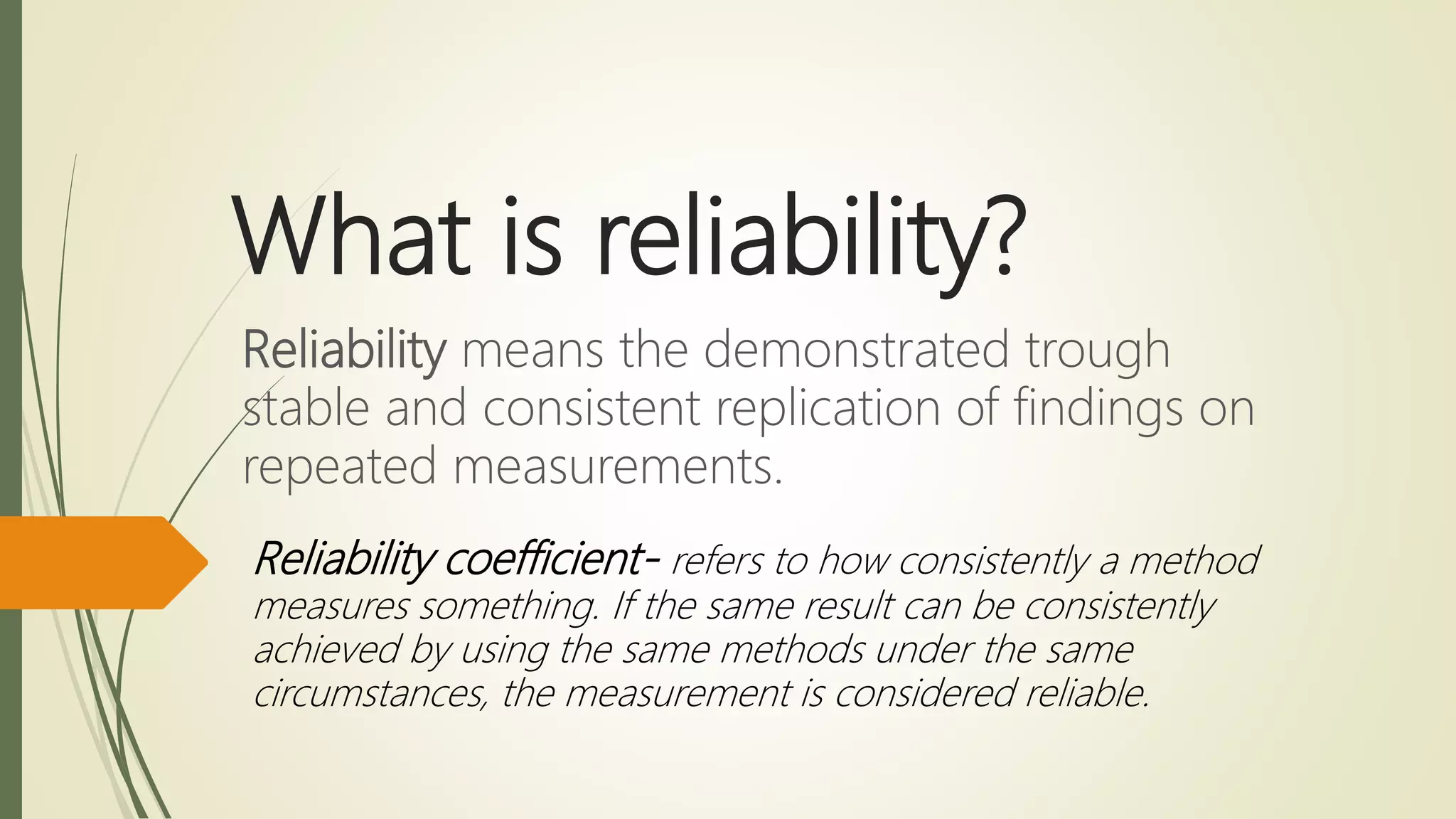
At its core, reliability in technology signifies the probability that a system, component, or device will perform its intended function without failure for a specified period under specified conditions. It’s a measure of consistency and dependability, ensuring that users can rely on a piece of technology to deliver expected outcomes every single time. This definition goes beyond simply being functional; it encapsulates a deeper assurance of continuous, fault-free operation.
The Core Tenets: Consistency, Predictability, and Durability
Reliability is built upon several fundamental tenets:
- Consistency: The technology performs its designated tasks repeatedly and identically under the same inputs and environmental conditions. Inconsistent behavior, even if not a complete failure, erodes trust and diminishes perceived reliability.
- Predictability: Users and dependent systems can anticipate the behavior and output of the technology. This involves a stable performance curve, minimal unexpected errors, and predictable resource utilization.
- Durability: The technology is robust enough to withstand expected wear and tear, environmental stressors, and operational demands over its intended lifespan. This applies to both physical hardware and the resilience of software against degradation or data corruption.
Without these tenets, a system might work occasionally, or under ideal circumstances, but it cannot be truly deemed reliable. It’s the promise of unwavering performance that distinguishes reliable tech.
Distinguishing Reliability from Availability, Performance, and Accuracy
While often used interchangeably or seen as closely related, reliability has distinct characteristics that set it apart from other critical quality attributes:
- Availability: Refers to the uptime of a system – the percentage of time it is operational and accessible. A system can be highly available (up often) but not necessarily reliable (prone to frequent, short outages or unexpected behavior). Reliability, conversely, contributes directly to high availability by minimizing unscheduled downtime.
- **Performance: Pertains to how quickly and efficiently a system accomplishes its tasks, often measured by metrics like response time, throughput, or latency. A system can be performant but unreliable if its speed is inconsistent or it frequently crashes. Conversely, a reliable system might not always be the fastest, but it consistently delivers.
- Accuracy: Measures how correct or precise a system’s output or data is. A reliable system should also be accurate, but accuracy alone doesn’t guarantee reliability if the system frequently fails to produce any output. Reliability ensures that when it does produce output, it’s correct.
Reliability acts as an umbrella concept that often underpins and enables high availability, robust performance, and consistent accuracy. A truly reliable system delivers on all these fronts consistently.
The Human Element: Trust and User Experience
Beyond technical specifications, reliability profoundly impacts the human experience. When technology is reliable, users develop trust. This trust is invaluable, influencing adoption rates, brand loyalty, and overall satisfaction. An unreliable system, regardless of its features, leads to frustration, decreased productivity, and a damaged reputation. In critical applications like healthcare, transportation, or financial services, the human cost of unreliability can be catastrophic, emphasizing its ethical dimension. Therefore, building reliable technology is not just an engineering challenge; it’s a commitment to user confidence and safety.
The Engineering Imperative: Building Reliable Systems from the Ground Up
Achieving high levels of reliability in technology is not accidental; it is the result of deliberate design choices, rigorous processes, and a proactive mindset throughout the entire product lifecycle. It begins long before deployment and continues well into operation.
Architectural Resilience: Redundancy, Fault Tolerance, and Scalability
At the heart of reliable system design lies architectural resilience. This involves building systems that can withstand failures without collapsing entirely:
- Redundancy: Implementing duplicate components or systems so that if one fails, a backup can immediately take over. This is common in power supplies, network paths, and data storage (e.g., RAID arrays, mirrored databases).
- Fault Tolerance: Designing systems to continue operating correctly even when parts of them fail. This includes error-correcting codes, self-healing mechanisms, and graceful degradation strategies that allow non-critical functions to cease while essential ones continue.
- Scalability: The ability of a system to handle an increasing amount of work or its potential to be enlarged to accommodate that growth. While not directly reliability, a scalable architecture often implies distributed systems and load balancing, which inherently build in redundancy and reduce single points of failure.
These architectural principles are foundational, ensuring that the system is not a fragile monolith but a robust, adaptable entity.
Rigorous Testing and Quality Assurance: From Unit to System Level
No system is reliable without thorough testing. This critical phase identifies defects, verifies functionality, and assesses performance under various conditions:
- Unit Testing: Individual components or modules are tested in isolation to ensure they function as expected.
- Integration Testing: Different modules are combined and tested to ensure they interact correctly and reliably.
- System Testing: The entire integrated system is tested to verify that it meets specified requirements.
- Performance Testing: Evaluates system behavior under load, stress, and endurance scenarios to identify bottlenecks and failure points.
- Reliability Testing: Specifically designed to uncover failure patterns, estimate lifespan, and predict mean time between failures (MTBF). This includes accelerated life testing and environmental testing.
- User Acceptance Testing (UAT): End-users test the system in a real-world environment to confirm it meets their needs and expectations.
A comprehensive QA strategy, employing a mix of automated and manual testing, is paramount to uncovering vulnerabilities before they impact users.
Proactive Monitoring and Maintenance: Preventing Failures Before They Occur
Even the most robustly designed and thoroughly tested systems require continuous vigilance. Proactive monitoring and maintenance are crucial for sustaining reliability:
- Real-time Monitoring: Implementing tools that continuously track system metrics (CPU usage, memory, network traffic, error rates, application logs) and alert operators to anomalies or potential issues.
- Predictive Maintenance: Using data analytics and machine learning to forecast potential equipment failures based on historical trends and sensor data, allowing for maintenance to be performed before a critical breakdown occurs.
- Regular Updates and Patches: Applying security patches, bug fixes, and feature updates promptly to address vulnerabilities and improve stability.
- Configuration Management: Maintaining consistent and correct configurations across all systems to prevent “configuration drift” which can lead to unpredictable behavior and failures.
A robust monitoring and maintenance strategy transforms a reactive approach to problem-solving into a proactive one, significantly enhancing overall system reliability.
Quantifying Reliability: Key Metrics and Methodologies
To effectively manage and improve reliability, it must be measurable. Engineering teams and organizations rely on a set of standardized metrics to quantify how dependable their systems are, providing objective data for decision-making and continuous improvement.
Time-Based Metrics: MTBF, MTTF, MTTR Explained
These metrics are fundamental in assessing the operational lifespan and recovery capabilities of systems:
- Mean Time Between Failures (MTBF): The predicted elapsed time between inherent failures of a system during operation. A higher MTBF indicates greater reliability, meaning the system is expected to operate longer without breaking down. It’s often used for repairable systems.
- Mean Time To Failure (MTTF): The average time a non-repairable system or component is expected to function before it fails. It’s similar to MTBF but applies to items replaced after failure, not repaired (e.g., hard drives, certain electronic components). A higher MTTF signifies a longer expected operational life.
- Mean Time To Recover (MTTR): The average time required to repair a failed system or component and restore it to full functionality. A lower MTTR indicates a more efficient and reliable recovery process, minimizing downtime.

Together, these metrics paint a comprehensive picture of a system’s reliability from its operational stability to its resilience and recovery efficiency.
Availability and Uptime: The Gold Standard for Continuous Operation
Availability, often expressed as a percentage, is a critical aggregate metric for reliability. It measures the proportion of time a system is operational and accessible to users:
Availability (%) = (Total Operating Time – Downtime) / Total Operating Time * 100
Often seen as “nines” (e.g., “five nines” or 99.999% availability), this metric directly translates to how much downtime a system experiences annually:
- 99% (Two Nines): ~3 days, 10 hours downtime per year
- 99.9% (Three Nines): ~8 hours, 45 minutes downtime per year
- 99.99% (Four Nines): ~52 minutes downtime per year
- 99.999% (Five Nines): ~5 minutes, 15 seconds downtime per year
Achieving higher “nines” requires significant investment in redundant systems, automated failover, and robust recovery procedures, as each additional “nine” demands exponentially greater reliability engineering.
Error Rates and Data Integrity: Measuring Trustworthiness
Beyond system uptime, the internal workings of an application or service also need reliable measurement:
- Error Rate: The frequency at which a system produces incorrect results or encounters internal errors that prevent successful operation. This can include anything from application crashes to failed API calls or data processing errors. A low error rate is indicative of higher software reliability.
- Data Integrity: The assurance that data is accurate, consistent, and complete throughout its lifecycle. This involves protection against corruption, unauthorized modification, and loss. Reliable systems implement checksums, data validation, and robust backup/recovery strategies to maintain data integrity.
These metrics are crucial for understanding the quality of service provided, ensuring that the technology not only runs but runs correctly and dependably.
Reliability Across the Tech Spectrum: Diverse Applications and Challenges
The demand for reliability permeates every facet of technology, though its specific challenges and implications vary across different domains.
Software and Applications: Stability, Bug Reduction, and Data Preservation
For software, reliability translates to stability (no unexpected crashes), consistency (predictable behavior across different scenarios), and data integrity (accurate processing and storage of information). The challenges here include managing complex codebases, dealing with subtle logical errors, ensuring compatibility across diverse operating environments, and mitigating the impact of external dependencies. Continuous integration/continuous deployment (CI/CD) pipelines, automated testing, and robust error handling are vital for software reliability.
Hardware and Infrastructure: Longevity, Robustness, and Environmental Resilience
Hardware reliability focuses on the physical components of technology – servers, network devices, storage arrays, IoT sensors, and consumer electronics. Key concerns include manufacturing defects, component lifespan, thermal management, power efficiency, and resistance to environmental factors like temperature, humidity, and vibration. Quality control in manufacturing, rigorous stress testing, and proactive maintenance (e.g., replacing aging components) are crucial for ensuring hardware longevity and robustness.
AI, Machine Learning, and Emerging Tech: Ethical Implications and Predictable Outcomes
With the rise of Artificial Intelligence and Machine Learning, reliability takes on new dimensions. Beyond simply “not crashing,” AI systems must be reliable in their decision-making, free from bias, transparent in their operations, and consistent in their predictions across varying data inputs. The challenge lies in ensuring model stability over time, managing data drift, and providing explainable AI (XAI) so users can trust and understand the system’s outputs. Unreliable AI can lead to unfair outcomes, safety risks, and erosion of public trust.
Digital Security and Data Trust: The Unseen Layers of Reliability
Cybersecurity is an indispensable component of reliability. A system that is constantly breached or vulnerable to data loss cannot be considered reliable, regardless of its uptime. Reliability in security means the consistent protection of data confidentiality, integrity, and availability. This involves reliable authentication mechanisms, robust encryption, consistent patch management, and dependable incident response capabilities. The reliability of security measures directly impacts the overall trustworthiness and resilience of any digital system.
Cultivating a Reliability-First Culture in Tech Organizations
Building and maintaining reliable technology is not just a set of technical practices; it’s a cultural imperative that must be woven into the fabric of an organization. It requires a collective commitment from leadership down to every engineer.
The Rise of Site Reliability Engineering (SRE) and DevOps
Modern tech organizations increasingly adopt principles from Site Reliability Engineering (SRE) and DevOps to embed reliability into their development and operational workflows.
- DevOps: Emphasizes collaboration, automation, and continuous delivery, breaking down silos between development and operations teams. This speeds up the feedback loop, allowing reliability issues to be identified and addressed earlier.
- SRE: A discipline that applies software engineering principles to operations. SRE teams use automation, metrics, and systematic approaches to ensure the reliability, scalability, and efficiency of large-scale systems. Key SRE practices include defining Service Level Objectives (SLOs) and Service Level Indicators (SLIs), error budgets, and automating toil.
These methodologies promote a shared responsibility for reliability, moving away from “it works on my machine” to “it works reliably in production.”
Continuous Improvement and Post-Mortems: Learning from Every Incident
Even with the best planning, failures will occur. The key to long-term reliability is not to prevent all failures (an impossible task) but to learn from them effectively.
- Post-Mortems (or Post-Incident Reviews): These are blameless analyses conducted after an incident to understand its root causes, contributing factors, and the impact it had. The focus is on identifying systemic weaknesses and implementing corrective actions to prevent recurrence, rather than assigning blame.
- Feedback Loops: Establishing mechanisms to continuously collect data on system performance, user feedback, and incident reports. This data then informs future design decisions, testing strategies, and operational improvements, creating a virtuous cycle of reliability enhancement.
A culture that embraces learning from failures is inherently more reliable and resilient.
Balancing Innovation with Stability: The Strategic Imperative
In the fast-paced tech world, there’s often tension between the desire for rapid innovation and the need for rock-solid stability. However, these are not mutually exclusive. A strategic approach recognizes that reliability is a prerequisite for sustained innovation. Unreliable products deter users, slow down adoption, and force development teams to spend disproportionate time on firefighting instead of building new features. By prioritizing reliability from the outset, organizations can create a stable platform that enables faster, more confident deployment of new features, ultimately accelerating true innovation.
In conclusion, reliability is the silent hero of the digital age. It’s the invisible assurance that our technological infrastructure, applications, and data will perform as expected, powering everything from critical infrastructure to daily conveniences. Understanding, measuring, and actively cultivating reliability through robust engineering practices, continuous vigilance, and a dedicated organizational culture is not merely a technical task—it is a fundamental strategic imperative for success and trust in the modern world.
aViewFromTheCave is a participant in the Amazon Services LLC Associates Program, an affiliate advertising program designed to provide a means for sites to earn advertising fees by advertising and linking to Amazon.com. Amazon, the Amazon logo, AmazonSupply, and the AmazonSupply logo are trademarks of Amazon.com, Inc. or its affiliates. As an Amazon Associate we earn affiliate commissions from qualifying purchases.