
To the uninitiated, the term “aft” on a boat might seem like a simple directional indicator, merely pointing to the rear. However, within the intricate world of marine engineering and design, the aft section of a vessel—its stern—is far more than just a geographical marker. It is a critical nexus of technology, innovation, and functionality that dictates a boat’s performance, safety, and operational efficiency. In the 21st century, as boats become increasingly sophisticated, incorporating everything from advanced propulsion systems to AI-driven navigation, understanding “what is aft on a boat” evolves into an exploration of cutting-edge marine technology.
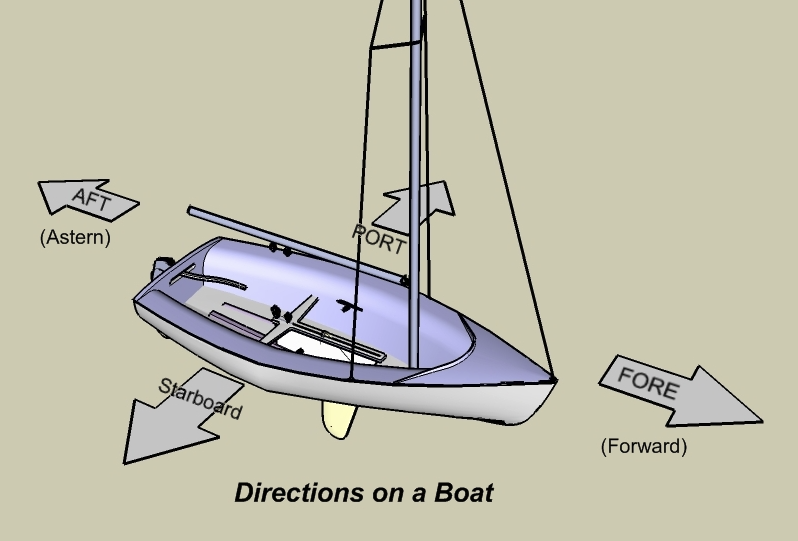
This article delves beyond the basic definition, revealing the aft as a dynamic technological hub. We’ll explore how modern engineering transforms this vital area into a powerhouse of propulsion, a nerve center for navigation and communication, and a smart space for safety and comfort. From electric motors to integrated sensor arrays, the stern is where much of a boat’s technological prowess is concentrated, constantly evolving to meet the demands for greater efficiency, sustainability, and connectivity on the water.
The Aft: A Hub of Propulsion Technology
The most prominent technological function of the aft section of almost any powered vessel is propulsion. This is where the force to move the boat through water is generated and applied. The evolution of marine propulsion has been rapid, turning the stern into a complex machine bay where power, efficiency, and control converge.
Engine Systems and Innovations
Traditionally, the aft housed simple outboard motors or the stern-end of an inboard shaft drive. Today, the variety and sophistication of engine systems positioned aft are staggering. Outboard engines, once noisy and less powerful, now feature advanced fuel injection systems, digital controls, and increasingly, electric alternatives. Modern outboards offer incredible power-to-weight ratios and are often networked into the boat’s central navigation and control systems.
Inboard engines, while situated further forward, connect to propulsion components like propellers, water jets, or pod drives that are meticulously engineered into the aft hull. Pod drives, like Volvo Penta’s IPS or Mercury’s Zeus, are a significant innovation, integrating the engine, transmission, and steerable drive into a single unit that protrudes from the hull aft. These systems offer superior maneuverability through joystick control, better fuel efficiency, and quieter operation compared to traditional shaft drives. The rise of electric and hybrid propulsion systems also sees batteries, electric motors, and sophisticated power management units increasingly integrated into the stern, pushing boundaries for silent, emission-free boating.
Propeller and Thruster Dynamics
Beyond the engine, the means by which thrust is generated and directed is a complex field of technology. Propellers, often optimized through computational fluid dynamics (CFD) for specific hull forms and engine outputs, are designed to maximize thrust and minimize cavitation. Advanced materials like composite alloys are used to create stronger, lighter, and more durable propellers.
Bow and stern thrusters, once luxuries, are becoming standard features on many modern vessels. Stern thrusters, specifically, are compact electric or hydraulic units mounted within the aft section of the hull, providing lateral thrust for precise docking and maneuverability in tight spaces. These systems are often integrated with joystick controls, allowing a single point of command for complex boat movements, a stark contrast to manual steering and throttle adjustments. The sophisticated algorithms powering these systems interpret user input into coordinated thrust, making large vessels surprisingly agile.
Fuel Systems and Energy Management
The aft isn’t just about engines and props; it’s also about fueling them. Modern fuel systems in the stern go beyond simple tanks and lines. They incorporate advanced filtration, electronic fuel level monitoring, and often sophisticated fuel transfer and polishing systems to ensure clean fuel delivery. For electric and hybrid vessels, this translates into battery management systems (BMS) that monitor cell health, charge cycles, and power distribution with extreme precision. Regenerative braking (for sailboats with electric propulsion) or hydro-generation systems are also integrated aft to convert kinetic energy back into electrical power, showcasing a trend towards more sustainable energy management onboard.
Navigational & Communication Technologies at the Stern
While the helm is the primary control station, the aft section of a boat often hosts critical sensors and antennas that feed vital data to the navigation and communication systems. Without these stern-mounted components, the sophisticated displays and charts at the console would be largely blind and deaf.
Advanced Sensor Placement and Integration
The strategic placement of sensors in the aft is crucial for accurate data collection. Transducers for sonar and fish finders are often mounted on the transom (the flat aft section of the stern) or within the aft hull, as this location minimizes turbulence and interference, providing clearer readings of what’s beneath the surface. Advanced multi-beam sonar systems offer detailed 3D imagery, enhancing navigation safety and fishing success.
Beyond underwater sensors, stern cameras are increasingly common. These high-definition, often infrared-capable cameras provide a real-time view of the boat’s wake, assisting with docking, monitoring towed objects (like tenders or water skiers), and enhancing overall situational awareness, especially when maneuvering in reverse. Their integration into the boat’s multi-function displays (MFDs) provides a seamless user experience.
Communication Systems and Antennas
Antennas for various communication systems frequently find their home in the aft, particularly on the highest points of the stern arch or mast. VHF radio antennas, essential for ship-to-shore and ship-to-ship communication, require an unobstructed view for maximum range. Satellite communication domes, providing internet access and global connectivity, are also often mounted aft, ensuring they have a clear line of sight to satellites. Cellular boosters and Wi-Fi extenders, which amplify signals for onboard connectivity, also benefit from elevated, stern-mounted positioning to maximize their reach. The proper installation and networking of these systems, often employing robust marine-grade wiring and connectors, are key to reliable communication at sea.
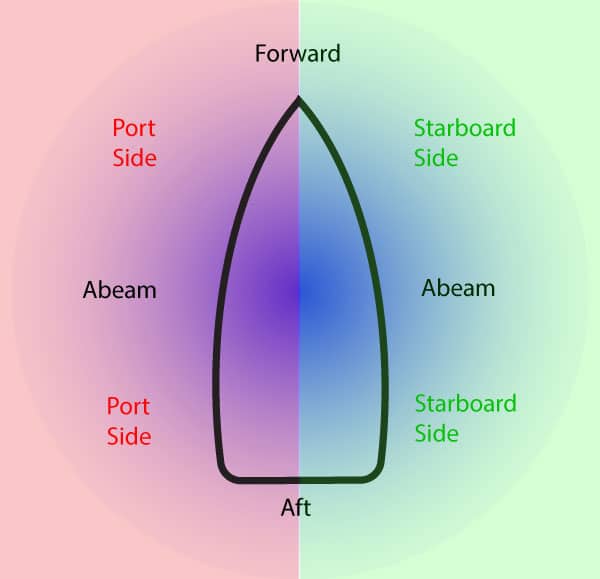
Autonomous Features and Docking Assistance
The aft’s role in autonomy is growing. Beyond stern thrusters, advanced autopilot systems rely on stern-mounted rudders or pod drives for precise course corrections. Future autonomous vessels will likely feature a suite of stern-mounted sensors—LIDAR, radar, and advanced optical cameras—to perceive their environment, detect obstacles, and execute complex maneuvers like automated docking. Integrated systems can even utilize stern cameras and proximity sensors to guide the boat into a slip with minimal human intervention, representing a significant leap in maritime convenience and safety.
Smart Systems for Comfort, Safety, and Control in the Aft
The technological innovations in the aft section extend beyond propulsion and navigation, enhancing overall onboard experience, safety protocols, and the seamless control of various boat functions.
Integrated Control Systems and Digital Switching
Modern boats, particularly those with complex systems, leverage digital switching and integrated control systems, often with modules located in the aft. Rather than traditional mechanical switches and fuses, these systems use networked digital relays that can be controlled from multiple points via touchscreens, remote controls, or even mobile devices. This allows for centralized monitoring and control of everything from bilge pumps and stern lights to engine diagnostics and trim tabs, all accessible from a user-friendly interface. Diagnostic data from engines, generators, and other aft-based systems can be wirelessly transmitted to the helm or even to shore, enabling predictive maintenance and remote troubleshooting.
Safety Innovations
The aft is paramount for safety features. Automated bilge pumps with smart sensors located in the aft-most compartments detect water ingress and activate autonomously. Man Overboard (MOB) systems, which can trigger alarms and even plot a return course to the recovery point, often rely on receivers and transmitters that are strategically placed to ensure immediate detection.
Stern ladders and swim platforms, while seemingly simple, are often integrated with hydraulic or electric mechanisms for easy deployment and retrieval, designed for safe access to the water and emergency re-boarding. Modern stern designs also increasingly incorporate robust emergency egress points and quick-release mechanisms for safety equipment like life rafts or dinghies, emphasizing rapid response in critical situations.
Stern-Specific Gadgets and Amenities
The quest for comfort and luxury on the water has also seen a proliferation of stern-specific gadgets and amenities. Hydraulic swim platforms that can be lowered into the water for easy access or submerged to launch personal watercraft are now common. Integrated electric grills, wet bars, and entertainment systems (speakers, screens) transform the stern deck into an extension of the living space. Dinghy davits, often electric or hydraulic, are sophisticated systems designed for safely launching and retrieving tenders. Even fishing boats benefit from advanced stern features like livewells with integrated oxygenators, tackle storage, and specialized rod holders with motion-damping technology.
The Future of Aft: Connectivity and Sustainable Innovation
The technological trajectory of the aft section points towards even greater integration, autonomy, and environmental responsibility. The stern will continue to be a proving ground for the most ambitious marine innovations.
IoT and Remote Monitoring of Aft Systems
The Internet of Things (IoT) is rapidly expanding its reach into marine environments. In the near future, nearly every component in the aft—from engines and thrusters to bilge pumps and battery banks—will be networked. This will enable real-time, remote monitoring of a boat’s critical systems via smartphone apps or web interfaces. Owners will be able to check fuel levels, battery status, and engine diagnostics from anywhere, receiving alerts for potential issues before they become critical. This level of connectivity will revolutionize maintenance, security, and peace of mind for boat owners.
Green Propulsion Technologies and Energy Harvesting
The push for sustainability will see the aft become a hotbed for green technology. Fully electric and hydrogen fuel cell propulsion systems will become more prevalent, requiring sophisticated energy storage and management systems to be integrated into the stern. Advances in hydrokinetic energy harvesting, where the boat’s motion through water is used to generate electricity, will likely see optimized turbine designs embedded into the aft hull. Solar panels integrated into hardtops and stern arches will become more efficient, providing supplemental power for auxiliary systems.
AI-Driven Maintenance and Predictive Analytics
Artificial intelligence (AI) will play an increasingly significant role in optimizing the performance and longevity of aft-based systems. AI algorithms will analyze data from engine sensors, propulsion units, and other components to predict potential failures, recommend maintenance schedules, and even self-diagnose issues. This predictive analytics capability will drastically reduce downtime, improve safety, and extend the life of expensive marine equipment. AI-powered systems could even learn an owner’s usage patterns to optimize power consumption or suggest ideal trim settings for different conditions.

Conclusion
What is aft on a boat? It is fundamentally the rear portion of a vessel, but in the context of modern marine technology, it represents so much more. It is the dynamic stage where propulsion systems churn, navigation sensors gather critical data, communication antennas reach the global network, and safety innovations protect those on board. From the intricate workings of pod drives to the seamless integration of digital switching and the promise of AI-driven maintenance, the stern is a microcosm of the boating industry’s technological advancement. As boats continue to evolve, becoming smarter, more efficient, and increasingly sustainable, the aft will remain at the forefront of this technological revolution, redefining what’s possible on the water and shaping the future of marine travel.
aViewFromTheCave is a participant in the Amazon Services LLC Associates Program, an affiliate advertising program designed to provide a means for sites to earn advertising fees by advertising and linking to Amazon.com. Amazon, the Amazon logo, AmazonSupply, and the AmazonSupply logo are trademarks of Amazon.com, Inc. or its affiliates. As an Amazon Associate we earn affiliate commissions from qualifying purchases.