
Micron Technology (MU), a titan in the semiconductor memory industry, has periodically experienced significant volatility in its stock performance, often leading investors to ask: “Why is Micron stock dropping?” This question is not merely an academic exercise; it’s a critical inquiry for those with investments in the tech sector, given Micron’s pivotal role in supplying the DRAM and NAND flash memory essential for everything from smartphones and data centers to AI infrastructure and autonomous vehicles. Understanding the multifaceted reasons behind these declines requires a deep dive into macroeconomic trends, industry-specific cycles, and company-specific financial performance, all viewed through the lens of investment analysis.
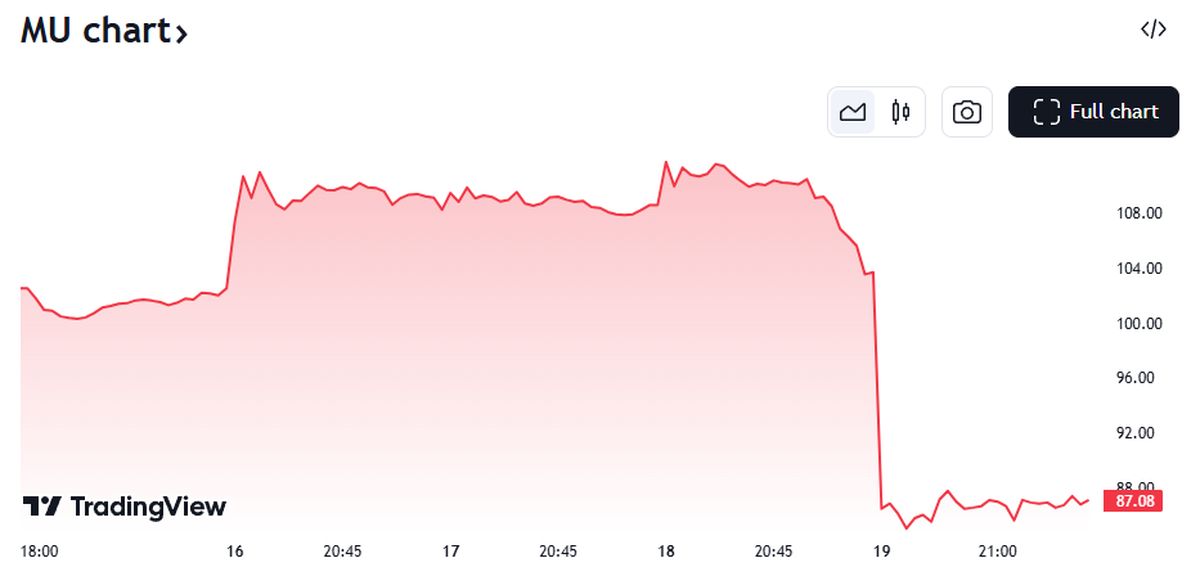
The stock market’s reaction to Micron often serves as an early indicator of broader shifts within the technology sector, particularly concerning demand for memory and storage components. When Micron’s stock faces downward pressure, it’s rarely due to a single isolated event but rather a confluence of interconnected factors that impact its revenue streams, profitability, and future outlook. For investors, discerning these underlying drivers is crucial for making informed decisions, differentiating between temporary headwinds and more structural challenges that could redefine the company’s trajectory.
Understanding Micron Technology’s Market Position and Industry Dynamics
To comprehend why Micron’s stock might be under pressure, it’s essential to first grasp its position within the global semiconductor landscape and the inherent characteristics of the memory market. Micron is one of only a handful of companies globally that produce DRAM (Dynamic Random-Access Memory) and NAND (Non-Volatile Flash Memory), making it a crucial component supplier for the entire digital economy.
A Giant in Memory and Storage
Micron Technology designs, manufactures, and sells a comprehensive portfolio of high-performance memory and storage technologies. Its products are foundational to various applications, including computing, networking, automotive, industrial, and mobile sectors. The company’s innovations in areas like high-bandwidth memory (HBM) and enterprise SSDs are critical for powering next-generation technologies. This extensive reach means that fluctuations in demand across a wide array of industries can directly impact Micron’s sales and, consequently, its stock valuation. Its status as a pure-play memory manufacturer makes it highly exposed to the cyclical nature and pricing dynamics of this specific market segment.
Cyclical Nature of the Semiconductor Industry
Perhaps the most significant overarching factor influencing Micron’s stock performance is the pronounced cyclicality of the semiconductor industry, particularly the memory sector. The industry operates on a supply-demand pendulum. Periods of high demand and tight supply lead to surging prices and robust profits, often followed by increased capital expenditure by manufacturers to expand production. This expansion, however, can eventually lead to oversupply, causing prices to fall sharply and profitability to dwindle, initiating a downturn in the cycle. This boom-and-bust pattern is driven by the long lead times required to build new fabs and increase production capacity, often resulting in supply responses that lag behind demand shifts. For Micron, being at the forefront of memory production means its financial health and stock price are intrinsically tied to the current phase of this cycle. When the cycle turns downwards, characterized by weakening demand or excess supply, Micron’s stock invariably feels the brunt of it.
Macroeconomic Headwinds and Investor Sentiment
Beyond the inherent cycles of the memory market, broader macroeconomic conditions play a significant role in shaping investor sentiment and impacting corporate earnings, including those of Micron Technology. Global economic forces can amplify or mitigate industry-specific trends, influencing everything from consumer spending on electronics to corporate investment in data center infrastructure.
Interest Rate Hikes and Inflationary Pressures
Periods of rising interest rates, often implemented by central banks to combat inflation, can exert downward pressure on equity valuations, especially for growth-oriented technology stocks. Higher interest rates increase the cost of capital for businesses, potentially curbing investment in expansion and R&D. For consumers, inflation erodes purchasing power, leading to reduced discretionary spending on electronics that utilize Micron’s products. Moreover, in a higher interest rate environment, investors often become more risk-averse, favoring less volatile assets or demanding higher returns for riskier investments, which can lead to a rotation out of growth stocks like Micron. The prospect of reduced future earnings, discounted at a higher rate, also negatively impacts present valuations.
Global Economic Slowdown and Demand Contraction
A slowdown in global economic growth, or even the specter of a recession, is a major headwind for companies like Micron. Economic contractions typically translate into reduced demand across various end markets. For instance, a struggling consumer economy means fewer smartphone, PC, and automotive sales, all of which are significant consumers of memory. Similarly, a cautious business environment can lead to deferred investments in cloud infrastructure, enterprise servers, and industrial automation – key areas where Micron’s products are vital. When major economies experience a downturn, the ripple effect on global demand for electronic components becomes palpable, directly impacting Micron’s order books and revenue forecasts, which in turn leads to a pessimistic outlook among investors and a drop in stock price.
Geopolitical Tensions and Supply Chain Disruptions
In an increasingly interconnected world, geopolitical tensions and trade disputes can have profound implications for global supply chains and market access. Micron, with its significant manufacturing footprint and customer base spanning various regions, is particularly vulnerable to such disruptions. Export controls, tariffs, and restrictions on technology transfers can impact Micron’s ability to sell its products in certain markets or procure necessary materials and equipment. Furthermore, the politicization of critical technologies, especially semiconductors, adds a layer of uncertainty and risk that investors must price into the stock. Any perceived threat to global trade stability or a significant regional conflict can trigger investor caution, leading to a de-risking of portfolios that includes selling off shares in companies exposed to these geopolitical uncertainties.
Industry-Specific Challenges Impacting Micron
While macroeconomic factors set the broader context, specific dynamics within the semiconductor memory industry are often the most direct causes for Micron’s stock performance fluctuations. These challenges are usually rooted in the delicate balance of supply and demand for DRAM and NAND products.
Oversupply and Price Erosion in DRAM and NAND Markets
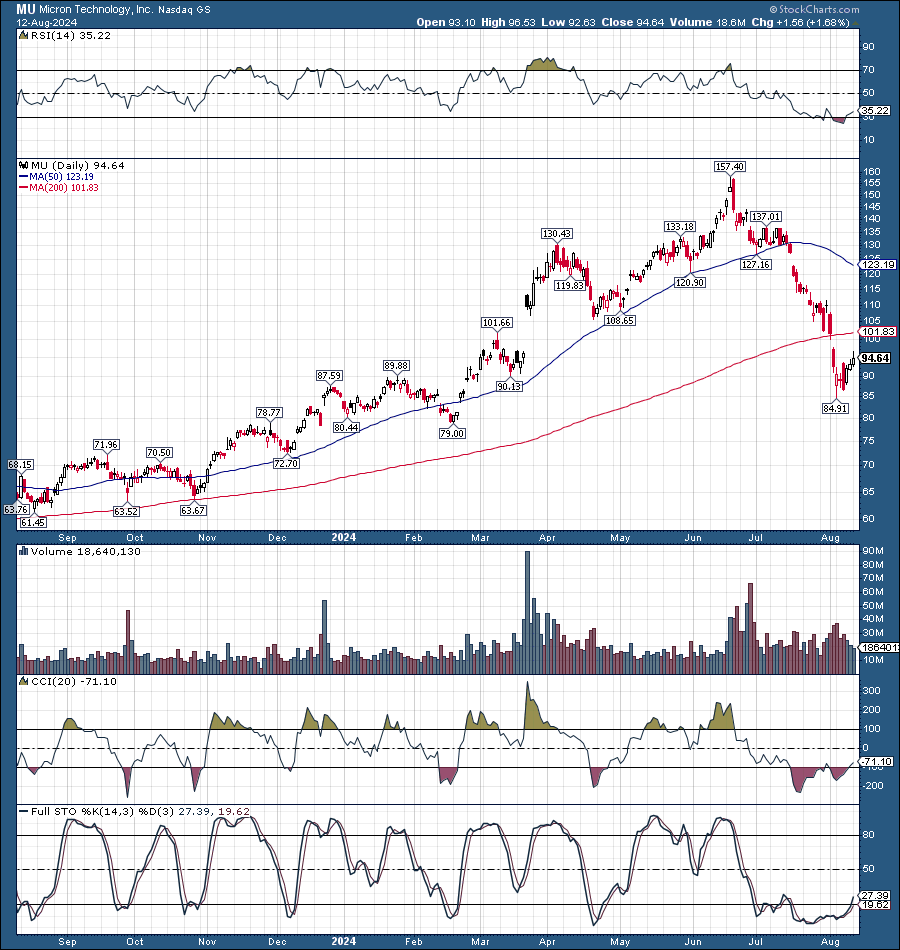
The most recurring culprit behind Micron’s stock drops is often an industry-wide oversupply of memory chips. When memory manufacturers collectively produce more chips than the market demands, it inevitably leads to a rapid decline in average selling prices (ASPs). For Micron, whose revenue is directly tied to the volume of chips sold and their price, this price erosion can severely compress profit margins and even lead to losses. The competitive landscape, primarily dominated by a few major players (Micron, Samsung, SK Hynix for DRAM; Micron, Samsung, SK Hynix, Kioxia, Western Digital for NAND), exacerbates this, as each company fights for market share by adjusting pricing, further driving ASPs down during periods of oversupply. News of declining contract prices for memory chips is almost always a precursor to negative sentiment towards Micron’s stock.
Inventory Accumulation Across the Value Chain
A related challenge is the accumulation of inventory, not just at Micron but also across its customers’ supply chains. During periods of strong demand, customers (e.g., PC manufacturers, smartphone makers, data center operators) often build up their own inventories of components to ensure supply security. However, when end-market demand unexpectedly slows, these customers find themselves with excess memory chips. They then halt or significantly reduce new orders from Micron and its competitors until their existing inventory is depleted. This “inventory correction” period can last several quarters, leading to a severe drop in Micron’s shipments and revenue. Micron itself may also accumulate inventory during a downturn if it cannot scale back production quickly enough to match falling demand, incurring higher carrying costs and necessitating future production cuts.
Competition and Technological Shifts
The memory market is fiercely competitive, with significant capital expenditures required for R&D and manufacturing process advancements. While the number of major players is small, the race to produce smaller, faster, and more power-efficient chips is relentless. Any perceived lag in Micron’s technology roadmap compared to its competitors, or a competitor gaining a significant lead in manufacturing process yields, can put Micron at a disadvantage. Furthermore, shifts in memory technology or new computing architectures that reduce the overall demand for traditional DRAM or NAND could present long-term structural challenges. While less frequent, these technological shifts represent a constant strategic challenge that Micron must navigate to maintain its market leadership and profitability.
Financial Performance and Investor Reaction
Ultimately, the confluence of macroeconomic pressures and industry-specific challenges manifests in Micron’s financial results, which then directly influence investor sentiment and the stock price. The market is forward-looking, meaning that expectations about future performance often drive the stock more than past results.
Revenue and Profitability Misses
When Micron reports quarterly earnings that fall short of analyst expectations – either in terms of revenue or, more critically, profitability – the stock typically reacts negatively. Revenue misses signal weaker-than-anticipated demand or more severe price erosion than analysts had factored in. Profitability misses, especially when the company approaches or falls into unprofitability, are particularly alarming for investors, as they question the company’s ability to manage costs and sustain its business model through a downturn. The memory industry’s high fixed costs mean that even a slight reduction in revenue can have a disproportionately large impact on the bottom line, making profitability a key metric for investor scrutiny.
Guidance Reductions and Future Outlook
Perhaps even more impactful than missing current quarter estimates is when Micron reduces its forward-looking guidance for subsequent quarters. A downward revision of revenue or earnings forecasts is a strong signal from management that they anticipate worsening market conditions, further price declines, or prolonged inventory corrections. Such guidance reductions often trigger significant sell-offs, as investors adjust their models to lower future earnings expectations. Conversely, cautious or negative commentary from management during earnings calls about the overall market environment, customer demand, or capital expenditure plans can also fuel investor pessimism, even if current results are in line with expectations.
Analyst Downgrades and Market Perception
Sell-side analysts play a significant role in shaping market perception. Following disappointing financial results, negative guidance, or a reassessment of market conditions, analysts may downgrade their ratings on Micron’s stock (e.g., from “Buy” to “Hold” or “Sell”) and reduce their price targets. These downgrades can trigger further selling pressure, as institutional investors often adhere to analyst recommendations. Beyond formal downgrades, a general deterioration in market sentiment towards the semiconductor memory sector, or even the broader tech market, can lead to a more cautious stance among investors, making them quicker to sell at the first sign of trouble and slower to buy back in, thereby prolonging periods of stock weakness.
Navigating Volatility: What’s Next for Micron Investors?
For investors holding Micron stock or considering an investment, understanding the reasons behind its drops is only half the battle. The other half involves discerning the long-term outlook and the potential for recovery. Micron’s stock performance often serves as a barometer for the memory industry’s health, and its downturns typically precede its upturns.
Long-Term Fundamentals vs. Short-Term Headwinds
While Micron’s stock is highly susceptible to short-term market cycles and macroeconomic headwinds, its long-term fundamentals remain compelling for many investors. The persistent growth of data, artificial intelligence, 5G, IoT, and cloud computing ensures a continuous and expanding demand for memory and storage. Micron’s technological leadership, its strategic investments in R&D, and its efforts to diversify its product portfolio into higher-value solutions (like HBM for AI) suggest that it is well-positioned to capitalize on these long-term trends. Investors must weigh these powerful secular tailwinds against the temporary, albeit severe, downturns that are characteristic of the memory industry.
Strategic Initiatives and Diversification Efforts
In response to market volatility, Micron has been actively pursuing strategies to mitigate the impact of cyclical downturns. This includes focusing on higher-value products with more stable demand (e.g., automotive, industrial, and data center solutions over commodity PCs), optimizing its manufacturing footprint for efficiency, and managing inventory levels more prudently. These efforts aim to make the company less sensitive to the extreme swings of the memory cycle and to stabilize its financial performance over the long term. The success of these strategic initiatives will be crucial in determining Micron’s ability to offer more consistent returns to shareholders.

The Role of Market Cycle Rebounds
Historically, every downturn in the semiconductor memory cycle has been followed by an upturn. The industry is essential to modern technology, and demand eventually recovers and grows. During periods of significant stock drops, Micron’s valuation can become highly attractive, trading at low multiples of future expected earnings (once the cycle turns). Patient investors who understand the cyclical nature of the business often view these downturns as accumulation opportunities, anticipating the eventual rebound in memory demand and pricing. The timing of such a rebound is notoriously difficult to predict, but understanding the underlying demand drivers and supply-side adjustments is key to identifying when the market might be nearing an inflection point.
In conclusion, a drop in Micron stock is rarely an isolated incident but rather a symptom of deeper financial and market forces at play. From the inherent cyclicality of the memory industry and broader macroeconomic pressures to company-specific financial performance and investor sentiment, multiple layers of influence contribute to its volatility. For investors, a granular understanding of these dynamics is paramount for navigating the complex world of semiconductor investing and making informed decisions about Micron Technology’s place in their portfolio.
aViewFromTheCave is a participant in the Amazon Services LLC Associates Program, an affiliate advertising program designed to provide a means for sites to earn advertising fees by advertising and linking to Amazon.com. Amazon, the Amazon logo, AmazonSupply, and the AmazonSupply logo are trademarks of Amazon.com, Inc. or its affiliates. As an Amazon Associate we earn affiliate commissions from qualifying purchases.