
In the evolving landscape of home design and technological advancement, even the most fundamental fixtures are undergoing significant transformation. The toilet, a ubiquitous element of every bathroom, has seen remarkable innovation not just in its internal mechanisms but also in its external aesthetic and functional design. Among these innovations, the skirted toilet stands out as a prime example of how thoughtful engineering and design can elevate a utilitarian object into a statement of modern elegance and efficiency. Far from being a mere stylistic choice, the skirted toilet represents a distinct leap in plumbing fixture technology, offering a blend of streamlined aesthetics, enhanced hygiene, and advanced manufacturing. This article delves into the specifics of what defines a skirted toilet, exploring the technological rationale behind its design, its functional benefits, and its place within contemporary bathroom technology and trends.
The Engineering and Design Philosophy Behind Skirted Toilets
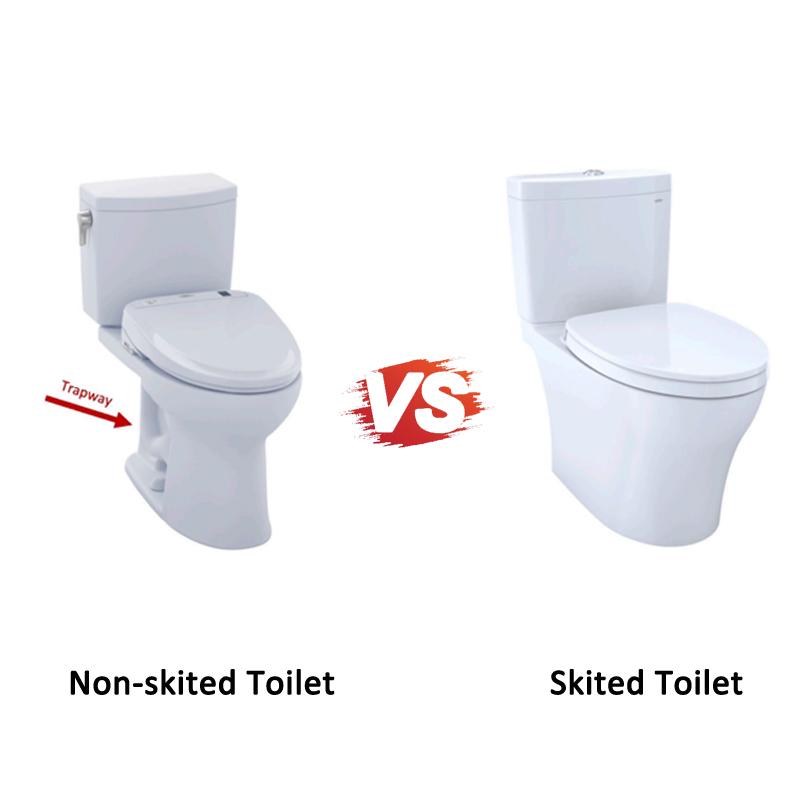
At its core, a skirted toilet is distinguished by its smooth, continuous base that extends from the bowl to the floor, concealing the trapway and plumbing pipes. Unlike traditional toilets, which expose the intricate curves and crevices of the trapway, the skirted design presents a sleek, uniform facade. This isn’t merely an aesthetic upgrade; it’s a deliberate design choice rooted in engineering principles aimed at optimizing both form and function within the modern bathroom environment.
Aesthetic Evolution in Bathroom Fixtures: From Form to Function
The bathroom, once a purely functional space, has progressively transformed into a sanctuary of comfort and design. This shift has propelled manufacturers to rethink every component, including the toilet. Traditional toilets, with their exposed trapways, often disrupt the clean lines desired in modern minimalist or contemporary designs. The skirted design addresses this directly by integrating the base into a single, cohesive unit. This approach aligns with broader technology trends that prioritize sleek interfaces and concealed mechanisms, from smart home devices to integrated kitchen appliances. The visual simplicity offered by a skirted toilet minimizes visual clutter, creating a more expansive and sophisticated feel in the bathroom, mirroring the elegant integration seen in cutting-edge tech products. It’s an example of how industrial design can impact user perception and environmental aesthetics, turning an essential fixture into a design feature.
Streamlining for Hygiene: A Design-Driven Solution
Beyond aesthetics, the primary technological advantage of the skirted design lies in its significant contribution to hygiene and ease of cleaning. The exposed trapway of a traditional toilet, with its numerous nooks, crannies, and bolts, acts as a magnet for dust, grime, and microbial growth. These hard-to-reach areas are notoriously difficult to clean thoroughly, often requiring specialized tools or considerable effort. The skirted design eliminates these problematic surfaces. By enclosing the trapway within a smooth, seamless exterior, manufacturers have effectively engineered a solution that drastically reduces areas where dirt can accumulate. This makes cleaning as simple as a quick wipe-down, promoting a more sanitary bathroom environment with minimal effort. This design decision embodies a “tech-for-hygiene” approach, where structural innovation directly leads to improved health and convenience outcomes for the user. It reflects a growing consumer demand for products that not only perform well but also contribute to a healthier, more manageable lifestyle, a trend prevalent across various sectors of home technology.
Manufacturing Processes and Material Innovations
The production of skirted toilets often involves more sophisticated manufacturing processes compared to their traditional counterparts. Creating the smooth, integrated skirt requires precision molding and high-quality ceramic or porcelain compositions that can withstand complex firing schedules without warping or cracking. Advanced glazing techniques are also crucial to ensure the seamless, non-porous finish that enhances both hygiene and durability. Some manufacturers employ robotic arms for consistent glaze application and specialized kiln technologies to achieve the perfect finish across the larger, more intricate surfaces of a skirted toilet. Furthermore, the internal components, such as the flush mechanisms and water delivery systems, are often designed to be compact and self-contained to fit within the streamlined exterior, representing a micro-engineering challenge that supports the overall design ethos. This focus on advanced materials and precision manufacturing highlights the technological investment required to bring these elegantly simple designs to market.
Functional Advantages and Technological Enhancements
The benefits of a skirted toilet extend far beyond its visual appeal, encompassing practical functional advantages that enhance the overall user experience. These advantages are often the result of subtle yet significant engineering choices.
Unparalleled Ease of Cleaning and Maintenance
As previously mentioned, the smooth, continuous surface of a skirted toilet is a game-changer for cleaning. The absence of exposed trapway curves and bolt caps means there are no hidden crevices for dirt, dust, and bacteria to accumulate. This feature translates directly into a more hygienic bathroom environment with less effort. For many homeowners, the time saved and the improved sanitation are compelling reasons to opt for a skirted model. It’s a practical application of user-centric design, where a design decision directly solves a common pain point, much like how intuitive interfaces improve user experience in software applications. This aspect resonates strongly with the “gadgets, reviews, tutorials” part of the Tech category, as a key differentiator and selling point when reviewing such fixtures.
Concealed Trapway Technology for a Sleeker Look
The term “skirted” specifically refers to the full enclosure of the toilet’s trapway—the S-shaped or P-shaped pipe that prevents sewer gases from entering the bathroom. In traditional toilets, this trapway is visible, creating an uneven and often visually distracting profile. By concealing this essential plumbing component within a sleek exterior, skirted toilets achieve a minimalist aesthetic that complements contemporary bathroom designs. This concealment is a technological feat in itself, requiring precise internal routing and compact component design to ensure efficient waste removal while maintaining the unbroken exterior. This engineering approach focuses on integrating form and function, delivering a product that is both aesthetically pleasing and highly functional.

Noise Reduction and Operational Efficiency
While not the primary design driver, the enclosed nature of a skirted toilet can inadvertently contribute to noise reduction during flushing. The solid, continuous base acts as a slightly better sound barrier compared to an exposed trapway, potentially muffling some of the internal plumbing noises. Furthermore, many modern skirted toilets are often paired with advanced flushing technologies, such as dual-flush systems or powerful siphonic jets, that improve water efficiency and waste removal effectiveness. These integrated technologies represent further engineering enhancements aimed at providing a superior, more efficient toilet experience, aligning with broader trends in sustainable and resource-efficient home appliances.
Installation and Practical Considerations
While skirted toilets offer numerous advantages, their unique design also presents specific considerations, particularly regarding installation and compatibility. Understanding these aspects is crucial for homeowners and installers.
Specialized Installation Requirements and Challenges
The very feature that makes skirted toilets aesthetically appealing—their seamless base—can introduce complexity during installation. The lack of an exposed trapway means that accessing the mounting bolts and water supply line connection points requires a different approach. Installers typically need to work within a confined space at the back or sides of the toilet, often using specialized tools or requiring the toilet to be positioned precisely over pre-set bolts. Some models feature side access panels or innovative mounting systems that simplify the process, but generally, skirted toilets demand more meticulous attention and often require a more experienced plumber. This is a common trade-off in design-centric technology: sleek integration often comes with more complex setup, similar to how intricate smart home systems can demand professional installation.
Compatibility with Modern Bathroom Layouts and Plumbing Systems
Skirted toilets are designed to seamlessly integrate into modern bathroom aesthetics. Their minimalist profile makes them ideal for contemporary, minimalist, and spa-like bathroom designs. However, it’s essential to ensure compatibility with existing plumbing rough-ins, particularly the distance from the wall to the center of the drainpipe (the “rough-in”). While most skirted toilets are available in standard rough-in sizes (e.g., 12-inch), it’s critical to verify this before purchase. Furthermore, the toilet’s footprint and height should be considered in relation to the overall bathroom space and any accessibility requirements. As bathroom technology evolves, designers often prioritize modularity and adaptability, but a physical fixture like a toilet still requires careful spatial planning.
Cost-Benefit Analysis and Long-Term Value
Generally, skirted toilets tend to be more expensive than their traditional counterparts. This higher cost is attributable to the more complex manufacturing processes, the greater material usage for the continuous skirt, and the advanced design elements. However, when considering long-term value, the investment can be justified. The enhanced hygiene, ease of cleaning, and timeless aesthetic can contribute to higher property values and increased user satisfaction over the lifespan of the fixture. From a technology perspective, this represents a premium product that offers superior functionality and design, similar to how higher-end smart appliances come with a greater initial cost but deliver enhanced features and efficiency. The reduced cleaning time and improved sanitation also offer an ongoing “return on investment” in terms of convenience and health benefits.
The Skirted Toilet in the Modern Smart Home Ecosystem
While the “skirt” itself is a design feature rather than a smart technology, skirted toilets are increasingly becoming the preferred base for integrating advanced smart features into the bathroom. Their sleek design naturally complements the aesthetics of modern smart devices.
Integration with Smart Features and Advanced Functionality
Many manufacturers now offer skirted toilets that incorporate a range of smart technologies. These can include integrated bidet functions with adjustable water temperature and pressure, heated seats, automatic flushing mechanisms activated by motion sensors, LED nightlights, self-cleaning nozzles, and even air deodorizers. The smooth, concealed design of the skirted toilet provides an ideal platform for these technologies, allowing for a unified and sophisticated appearance where no wires or plumbing connections are outwardly visible. This seamless integration enhances the user experience, transforming the toilet into a multi-functional smart appliance within the connected home. The skirted design acts as the elegant casing for these hidden technologies, aligning perfectly with the trend of making technology disappear into the background while still delivering powerful functionality.

Future Trends in Bathroom Design and Technology
The evolution of the skirted toilet points towards a broader trend in home technology: the pursuit of seamless integration, enhanced hygiene, and intuitive user experiences. Future iterations may see even more advanced sensor technologies for health monitoring (e.g., urine analysis), touchless controls, voice activation, and further advancements in water efficiency and waste management systems. The minimalist aesthetic of the skirted design provides a versatile canvas for these future innovations, ensuring that the toilet remains not just a utilitarian fixture but also a technologically advanced component of the smart, modern home. As AI and IoT continue to permeate every aspect of our lives, the bathroom, with its essential fixtures, is poised to become an increasingly sophisticated and integrated space, with skirted designs leading the charge in aesthetic and functional evolution.
In conclusion, the skirted toilet is much more than a stylish upgrade; it represents a thoughtful application of engineering and design principles to a foundational home fixture. By addressing long-standing issues of hygiene, aesthetics, and maintenance, it delivers a superior user experience that aligns perfectly with the demands of modern living and the ongoing evolution of home technology. Its blend of sleek form, enhanced function, and capacity for smart integration cements its place as a sophisticated component in today’s technologically advanced homes.
aViewFromTheCave is a participant in the Amazon Services LLC Associates Program, an affiliate advertising program designed to provide a means for sites to earn advertising fees by advertising and linking to Amazon.com. Amazon, the Amazon logo, AmazonSupply, and the AmazonSupply logo are trademarks of Amazon.com, Inc. or its affiliates. As an Amazon Associate we earn affiliate commissions from qualifying purchases.