
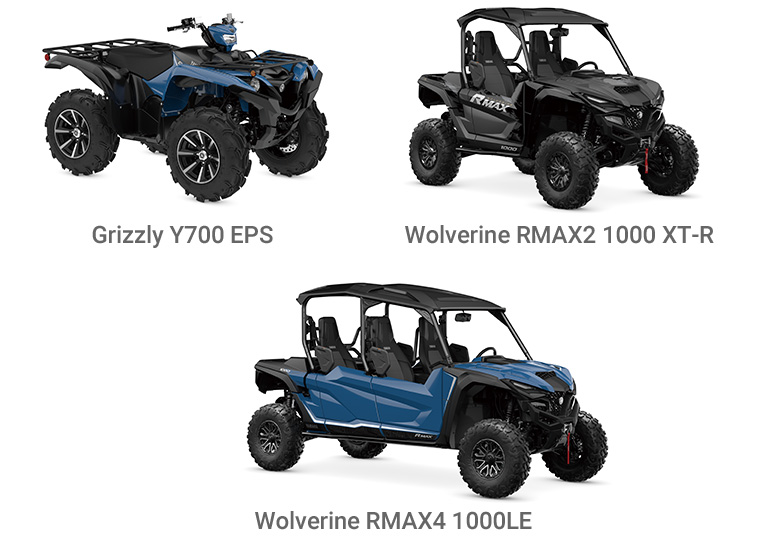
All-terrain vehicles (ATVs), often colloquially referred to as “quads” or “four-wheelers,” represent a fascinating intersection of engineering, recreational pursuit, and utilitarian capability. These rugged, motorized vehicles are specifically engineered to traverse a wide variety of terrains that would be impassable for conventional automobiles. From muddy trails and sandy dunes to rocky inclines and snow-covered landscapes, ATVs are designed to conquer the unconventional. This article delves into the core technological aspects that define ATVs, exploring their fundamental design principles, the sophisticated systems that enable their versatile performance, and the innovative technologies that continue to shape their evolution.
The Foundational Engineering of All-Terrain Capability
The ability of an ATV to navigate diverse and challenging environments is not a matter of chance; it’s the direct result of deliberate and often complex engineering. At the heart of this capability lies a combination of robust chassis design, specialized suspension systems, and the power to overcome obstacles.
Chassis and Frame: The Backbone of Durability
The chassis and frame of an ATV are its fundamental structural components, designed to withstand the immense stresses and impacts associated with off-road operation. Unlike the unibody construction common in many cars, ATVs typically utilize a robust steel or aluminum frame, often a tubular space frame, that provides exceptional rigidity and strength. This frame acts as the primary load-bearing structure, supporting the engine, drivetrain, suspension, and rider.
Materials and Construction: The choice of materials is crucial. Steel frames, while heavier, offer superior strength and impact resistance, making them ideal for heavy-duty applications. Aluminum frames, on the other hand, provide a lighter yet still strong alternative, contributing to better agility and fuel efficiency. Welding techniques and the overall design of the frame are meticulously engineered to distribute forces evenly, preventing premature failure under torsional stress, which is common when one wheel encounters a significant obstacle while others remain on flatter ground.
Ergonomics and Rider Integration: The frame also dictates the rider’s position and interaction with the vehicle. ATVs are designed for a straddle seating position, allowing the rider to use their body weight to shift balance and control the vehicle’s dynamics. The placement of handlebars, footpegs, and controls is optimized for rider comfort and maneuverability, enabling intuitive steering and throttle control, even in challenging conditions.
Powertrain and Drivetrain: Delivering Torque and Traction
The engine and drivetrain are the heart and soul of an ATV, responsible for generating the power and delivering it effectively to the wheels to achieve propulsion and traction.
Engine Configurations: ATVs commonly feature internal combustion engines, with configurations ranging from single-cylinder units in smaller, entry-level models to multi-cylinder engines in larger, more powerful machines. Single-cylinder engines are known for their simplicity, affordability, and good low-end torque, which is essential for climbing and pulling. Multi-cylinder engines, such as parallel-twins or V-twins, offer higher horsepower and smoother power delivery, catering to high-performance applications and heavier loads. Electric ATVs are also emerging, offering quieter operation and instant torque, though battery technology and range remain key considerations.
Transmission Systems: The transmission is responsible for managing the engine’s power output and delivering it to the wheels at appropriate speeds and torque levels. Most ATVs employ automatic transmissions, primarily Continuously Variable Transmissions (CVTs). CVTs offer seamless gear changes and keep the engine operating within its optimal power band, maximizing acceleration and efficiency across a wide range of speeds. Manual transmissions are less common but can be found on some sport-oriented ATVs, offering a more direct connection and greater control for experienced riders.
Drivetrain and Traction Enhancement: The drivetrain is where the power is transmitted to the wheels, and it’s critical for achieving all-terrain capability. Most ATVs are equipped with four-wheel drive (4WD) systems, allowing them to engage all wheels for maximum traction. These systems often feature selectable 2WD/4WD modes, enabling riders to choose the appropriate setting for the terrain. Advanced ATVs may also incorporate locking differentials, which can lock the wheels on an axle together, ensuring that both wheels receive power even if one loses traction. This is invaluable for overcoming deep mud or steep, slippery inclines.
Specialized Suspension and Tire Systems: Navigating the Unseen
The ability to absorb shocks, maintain ground clearance, and grip varied surfaces is paramount for an ATV’s success. This is where specialized suspension and tire technology truly shine.
Suspension Systems: Absorbing the Unpredictable
The suspension system is a critical component that bridges the gap between the rigid chassis and the dynamic terrain. It’s designed to isolate the rider from shocks, maintain tire contact with the ground, and provide a smooth, controlled ride.
Independent vs. Solid Axle: ATVs typically employ one of two primary suspension architectures: independent suspension or solid axle suspension. Independent suspension, common on most modern ATVs, features wheels that move independently of each other. This allows for better wheel articulation, meaning the wheels can move up and down without significantly affecting the opposite wheel. This leads to superior ground contact, a more comfortable ride, and improved handling on uneven surfaces. Common independent suspension designs include double A-arm (or double wishbone) setups. Solid axle suspension, while simpler and more robust, has wheels linked by a single axle. This can be beneficial for towing heavy loads due to its strength but can compromise independent wheel travel and ride comfort on very rough terrain.
Shocks and Springs: The core elements of any suspension system are the shock absorbers and springs. Springs, typically coil springs, absorb the initial impact by compressing or extending. Shock absorbers, or dampers, then dissipate the energy stored in the springs, controlling the oscillations and preventing the vehicle from bouncing uncontrollably. ATV shocks are often adjustable, allowing riders to fine-tune the suspension stiffness and damping characteristics to suit their weight, riding style, and the anticipated terrain. Long-travel suspension systems are a hallmark of many ATVs, providing significant vertical wheel movement to absorb large bumps and maintain ground clearance.

Tire Technology: The Contact Patch with the World
The tires are the sole point of contact between the ATV and the ground, making their design and composition absolutely vital for all-terrain performance.
Tread Patterns: ATV tires are characterized by aggressive, deep tread patterns designed to dig into loose surfaces like mud, sand, or gravel, providing exceptional grip and traction. The spacing and depth of the lugs (the raised blocks on the tire) are optimized for specific conditions. Wider treads offer better flotation on soft surfaces like sand, preventing the vehicle from sinking, while more closely spaced, aggressive lugs are better for digging into mud.
Tire Construction and Compounds: The construction of ATV tires is typically robust, with reinforced sidewalls to resist punctures and impacts from rocks and debris. Multi-ply construction adds strength and durability. The rubber compounds used are also formulated to provide a balance of grip, wear resistance, and temperature stability. Some specialized tires might incorporate specific compounds for extreme cold or heat conditions.
Tire Pressure: Maintaining the correct tire pressure is crucial for optimal performance and tire longevity. Lower tire pressures can increase the tire’s contact patch, improving flotation on soft surfaces, but can also make the vehicle more prone to punctures and less stable at higher speeds. Higher tire pressures offer better stability and reduce rolling resistance on harder surfaces but can decrease traction. Riders often adjust tire pressure based on the specific terrain they will be encountering.
Advanced Systems and Future Innovations: Enhancing Performance and Safety
The evolution of ATVs is not static. Continuous advancements in technology are constantly pushing the boundaries of what these vehicles can do, focusing on improved performance, enhanced rider safety, and greater environmental consideration.
Braking Systems: Controlled Deceleration
Effective braking is paramount for controlling an ATV, especially when descending steep inclines or navigating challenging terrain.
Hydraulic Disc Brakes: Nearly all modern ATVs utilize hydraulic disc brake systems, which offer superior stopping power and modulation compared to older drum brake systems. These systems consist of brake levers or pedals that activate a master cylinder, which in turn forces brake fluid through lines to calipers that squeeze brake pads against rotors attached to the wheels. Front and rear brakes are typically operated independently or through a linked system, allowing the rider to control the distribution of braking force.
Engine Braking: In addition to the conventional braking systems, many ATVs benefit from significant engine braking. This is particularly true for vehicles equipped with CVTs, where the transmission design inherently provides a degree of engine braking when the throttle is released. This is invaluable for controlling speed on descents without relying solely on the friction brakes, reducing wear and preventing overheating.
Electronic Rider Aids: Modern Technology for Off-Roading
While ATVs are known for their mechanical ruggedness, a growing array of electronic rider aids are being integrated to enhance both performance and safety.
Fuel Injection: Modern ATVs have largely transitioned from carburetors to electronic fuel injection (EFI) systems. EFI systems precisely meter the amount of fuel delivered to the engine based on various sensor inputs, such as engine speed, throttle position, and air temperature. This results in improved throttle response, better fuel efficiency, easier starting in all conditions, and reduced emissions.
Traction Control Systems (TCS): Some higher-end ATVs are now equipped with sophisticated traction control systems. These systems monitor wheel speed and can detect when a wheel is spinning excessively. If slippage is detected, the system can automatically reduce engine power or even apply individual brakes to regain traction. This significantly improves control and confidence in slippery or loose conditions.
Electronic Power Steering (EPS): A highly beneficial feature, EPS reduces the effort required to steer the ATV, especially at low speeds or when navigating rough terrain. Sensors detect steering input and the vehicle’s speed, and an electric motor assists the rider’s effort, making the steering lighter and more responsive. This reduces rider fatigue and improves maneuverability.
Future Trajectories: Electrification and Autonomy
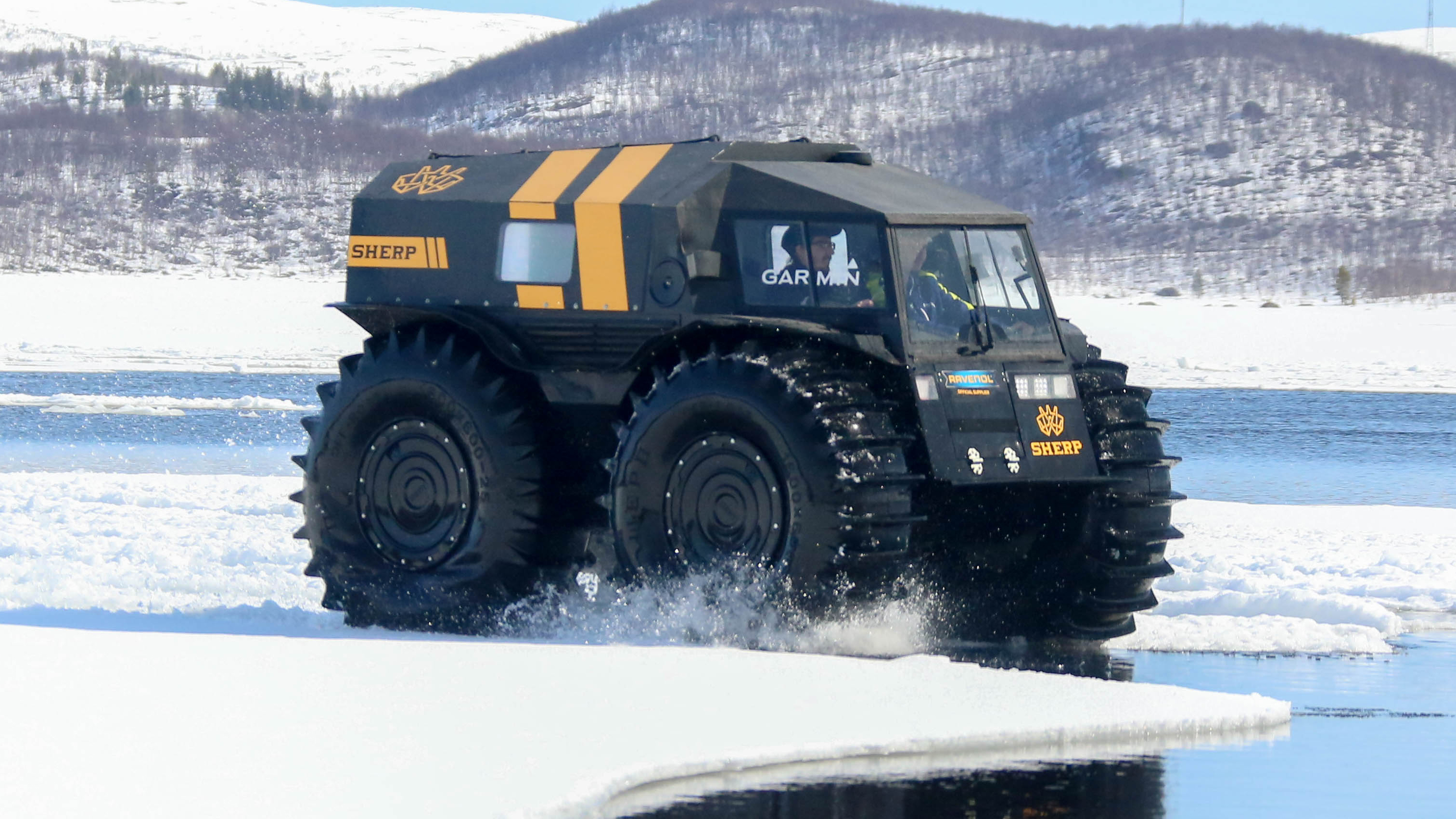
The future of ATVs is poised for significant technological shifts. Electrification is a growing trend, driven by a desire for quieter operation, reduced emissions, and instant torque. Battery technology and charging infrastructure are key areas of development. Furthermore, while full autonomy is still some way off for consumer ATVs, advancements in sensor technology and intelligent control systems could lead to enhanced driver assistance features and even limited autonomous capabilities in specific controlled environments for specialized applications.
In conclusion, all-terrain vehicles are a testament to ingenious engineering, designed from the ground up to excel in environments where conventional vehicles falter. Their robust chassis, powerful drivetrains, specialized suspension, and tenacious tires all work in concert to provide unparalleled off-road capability. As technology continues to advance, the performance, safety, and environmental impact of these versatile machines will undoubtedly continue to evolve, promising even more exciting possibilities for exploration and utility in the years to come.
aViewFromTheCave is a participant in the Amazon Services LLC Associates Program, an affiliate advertising program designed to provide a means for sites to earn advertising fees by advertising and linking to Amazon.com. Amazon, the Amazon logo, AmazonSupply, and the AmazonSupply logo are trademarks of Amazon.com, Inc. or its affiliates. As an Amazon Associate we earn affiliate commissions from qualifying purchases.