
The landscape of healthcare is constantly evolving, and at the heart of this transformation lies technology. As the demand for skilled nursing professionals continues to rise, understanding the distinct roles and responsibilities of Licensed Practical Nurses (LPNs) and Registered Nurses (RNs) is crucial, especially when viewed through the lens of technological integration. While both professions are vital to patient care, their educational pathways, scope of practice, and the technological tools they employ often differ significantly. This exploration delves into these distinctions, highlighting how advancements in digital health, electronic health records (EHRs), and specialized medical devices are shaping the day-to-day realities and future trajectories of LPNs and RNs.
The Foundational Differences: Education and Scope of Practice
The most fundamental distinctions between LPNs and RNs begin with their educational preparation and, consequently, their authorized scope of practice. These differences are not merely bureaucratic; they have tangible implications for the types of patient care tasks each professional can perform and the level of autonomy they possess, often directly influenced by the technological tools available to them.
Educational Pathways and Technological Entry Points
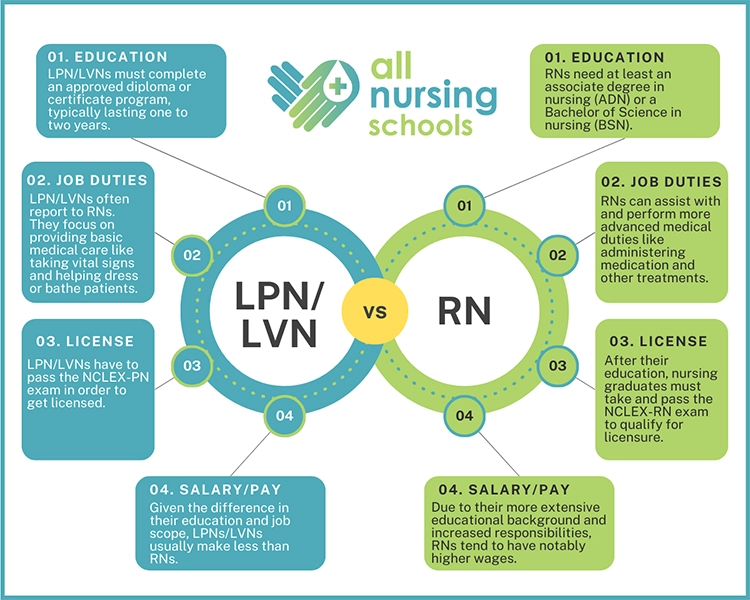
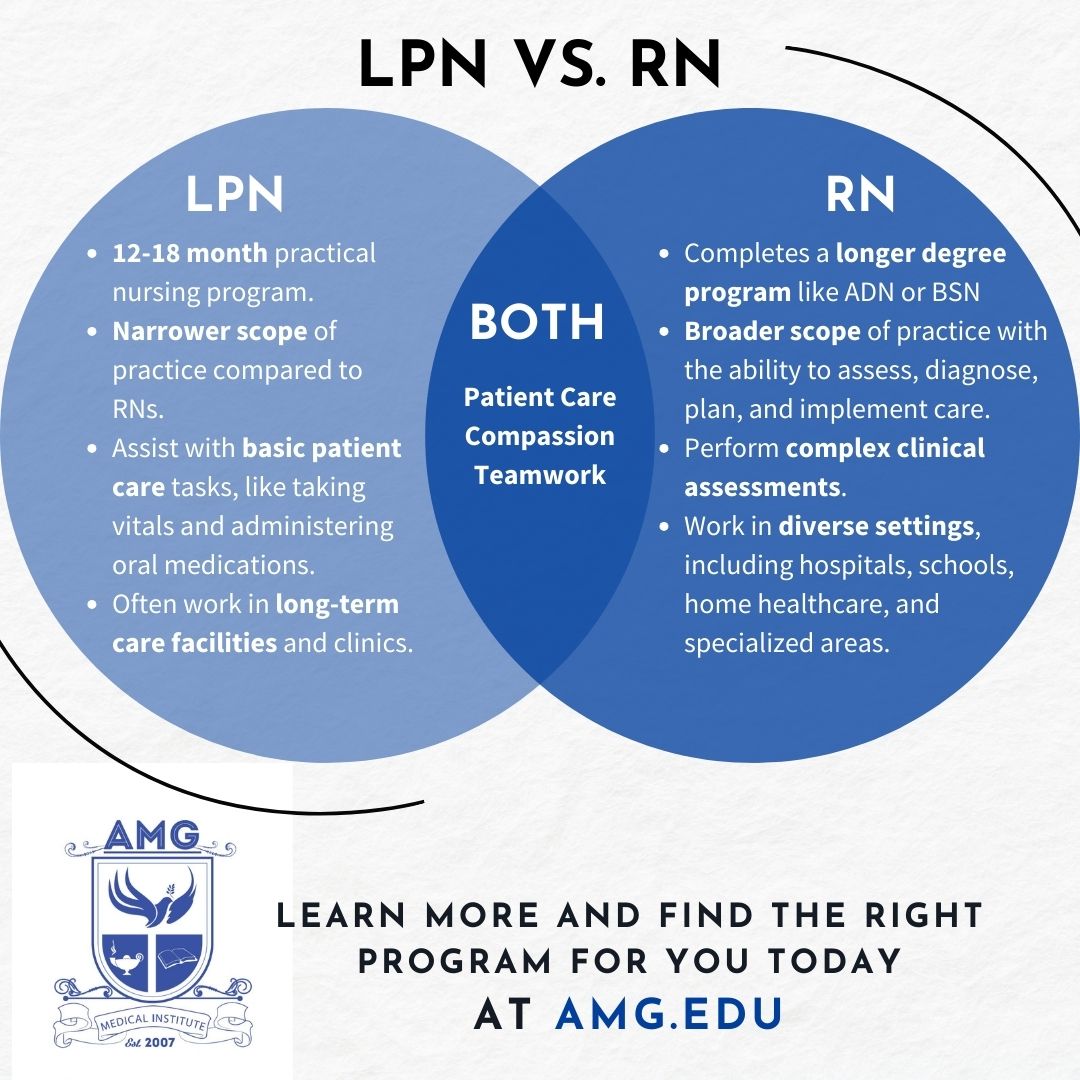
The journey to becoming an LPN typically involves a shorter educational program, usually a certificate or diploma program that can be completed in about one to two years at community colleges or vocational schools. These programs provide a foundational understanding of nursing principles and patient care, often with an emphasis on hands-on skills. While technology is introduced, it is usually at a foundational level, focusing on the basic operation of common medical equipment and data entry into rudimentary systems.
In contrast, becoming an RN requires a more extensive educational commitment. This can be through an Associate’s Degree in Nursing (ADN), typically a two-year program, or a Bachelor of Science in Nursing (BSN), a four-year program. The BSN degree, in particular, is increasingly emphasized in the modern healthcare environment, offering a more comprehensive curriculum that includes advanced concepts in leadership, research, public health, and, crucially, informatics and health technology management. Graduates with a BSN are often better equipped to understand and implement complex technological solutions within patient care.
Scope of Practice: Autonomy and Technological Responsibility
The scope of practice for LPNs is generally more limited, focusing on basic nursing care under the supervision of an RN or physician. This often includes monitoring vital signs, administering certain medications (depending on state regulations), wound care, and assisting patients with daily living activities. While LPNs utilize technology in their roles, it’s typically within a more defined framework. For instance, they might use patient monitoring devices and accurately record data in EHR systems, but their responsibilities rarely extend to complex diagnostic interpretation or independent treatment planning.
RNs, on the other hand, possess a broader scope of practice and greater autonomy. They are responsible for more complex patient assessments, developing nursing care plans, administering a wider range of medications, performing diagnostic tests, and educating patients and their families. The technological demands on RNs are often higher. They are expected to be proficient in using advanced medical equipment, interpreting data from sophisticated monitoring systems, and leveraging EHR functionalities for comprehensive patient management. Furthermore, RNs are increasingly involved in the evaluation and implementation of new health technologies, making their understanding of technological trends a critical component of their professional development.
Technology’s Impact on Daily Nursing Functions
Technology has fundamentally reshaped how LPNs and RNs perform their daily duties, enhancing efficiency, accuracy, and the overall quality of patient care. The integration of digital tools and advanced medical devices is not just an added convenience; it has become an essential component of modern nursing practice.
Electronic Health Records (EHRs) and Data Management
The widespread adoption of Electronic Health Records (EHRs) has been a monumental shift for both LPNs and RNs. EHR systems centralize patient information, providing a comprehensive digital history that includes vital signs, medications, allergies, diagnostic test results, and physician’s orders. For LPNs, EHRs streamline the process of documenting patient observations and care provided, ensuring that this data is readily accessible to the entire healthcare team. They are trained to accurately input data and navigate the system to retrieve essential patient information.
RNs, however, often utilize EHRs with a more analytical approach. They are responsible for not only documenting but also interpreting the data within EHRs to identify trends, make informed clinical decisions, and develop comprehensive care plans. Advanced EHR functionalities, such as clinical decision support systems, alert RNs to potential drug interactions, missing assessments, or deviations from best practices. RNs are also frequently involved in training new staff on EHR usage and providing feedback for system improvements. The ability to effectively utilize and critically analyze information within EHRs is a core competency for contemporary RNs.
Advanced Medical Devices and Patient Monitoring
The sophistication of medical devices has also advanced considerably, impacting the roles of both LPNs and RNs. LPNs routinely use devices such as automated blood pressure cuffs, digital thermometers, glucose meters, and infusion pumps for administering IV fluids and medications. Their training includes understanding the basic operation and maintenance of these devices, ensuring accurate readings and safe administration of treatments.
RNs, in addition to using these foundational devices, often work with more complex monitoring equipment. This includes intensive care unit (ICU) monitors that track multiple physiological parameters like ECG, oxygen saturation, and intracranial pressure, as well as ventilators, dialysis machines, and advanced wound care devices. RNs are expected to have a deeper understanding of the physiological principles behind these devices, troubleshoot minor malfunctions, and interpret the data they generate to adjust patient care protocols. Furthermore, the rise of telehealth and remote patient monitoring devices means that RNs are increasingly using technology to care for patients outside traditional hospital settings, requiring skills in virtual communication and data interpretation from remote sensors.
Evolving Roles and Future Career Trajectories in a Tech-Driven Healthcare System
The technological advancements in healthcare are not only changing the daily tasks of LPNs and RNs but are also shaping their long-term career paths and opening up new avenues for specialization and leadership. The ability to adapt to and leverage new technologies is becoming a defining factor in professional growth within the nursing field.
Specialization and Technology-Enabled Niches
As technology becomes more integrated, new nursing specializations are emerging, often with a strong technological component. For LPNs, while traditional roles remain, there’s an increasing opportunity to work with specialized equipment in areas like rehabilitation or long-term care, where assistive technologies are becoming more prevalent. They might also be involved in specific data collection for research or quality improvement initiatives, using digital tools.
RNs, particularly those with a BSN, are well-positioned to enter technologically intensive specialties. This includes critical care, where advanced life support technologies are standard; informatics nursing, which focuses on managing and optimizing health information systems; telehealth nursing, which involves providing care remotely via digital platforms; and even roles in the development and testing of new medical devices and software. The demand for nurses who can bridge the gap between clinical practice and technological innovation is growing, making specialized technological training and certifications increasingly valuable for RNs.

Lifelong Learning and Professional Development in Technology
The rapid pace of technological change necessitates a commitment to lifelong learning for all healthcare professionals, but it is particularly crucial for nurses. Both LPNs and RNs must continually update their skills to remain proficient with evolving medical equipment and software. For LPNs, this might involve in-service training on new charting systems or updated medication administration devices.
For RNs, however, the imperative for technological learning is often more profound. They are increasingly expected to engage with continuing education courses that cover areas like health informatics, cybersecurity in healthcare, data analytics for nursing, and the ethical considerations of artificial intelligence in patient care. Professional organizations and healthcare employers are providing more resources and opportunities for RNs to gain certifications in specialized technological areas. This ongoing education not only ensures competency in current practices but also prepares RNs for future roles where they might be expected to lead technological implementation, analyze complex data sets, or contribute to the design of next-generation healthcare solutions. The ability to embrace and master new technologies is no longer a supplementary skill for nurses; it is a core component of their professional identity and a key driver of career advancement in the digital age of healthcare.
aViewFromTheCave is a participant in the Amazon Services LLC Associates Program, an affiliate advertising program designed to provide a means for sites to earn advertising fees by advertising and linking to Amazon.com. Amazon, the Amazon logo, AmazonSupply, and the AmazonSupply logo are trademarks of Amazon.com, Inc. or its affiliates. As an Amazon Associate we earn affiliate commissions from qualifying purchases.