
In the intricate world of contemporary design, where aesthetics meet functionality and innovation shapes user experience, certain elements subtly redefine entire categories. One such element, often overlooked in its specific terminology but widely recognized for its visual impact, is the “Gola” profile. Far from being a mere decorative flourish, the Gola profile represents a profound shift in design philosophy, particularly within the realm of cabinetry and furniture. It signifies a commitment to sleek minimalism, unobstructed lines, and an intuitive user interaction that speaks volumes about a brand’s dedication to sophisticated design and refined living.
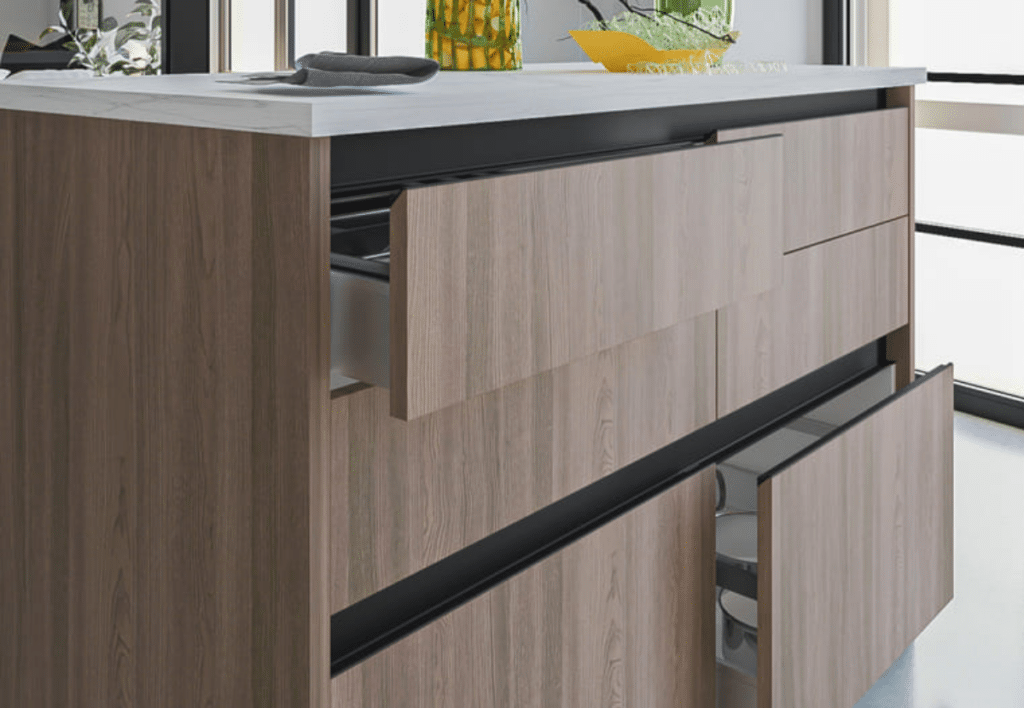
At its core, a Gola profile is a handleless system, primarily utilized in kitchens and various types of bespoke furniture. Instead of traditional external handles, it incorporates an integrated channel or groove into the cabinet or drawer front, allowing users to open them by gripping the recessed edge. This design choice, while seemingly simple, carries significant implications for brand identity, product aesthetics, and overall user perception. It’s a silent statement of modernism, precision, and an understanding of the contemporary consumer’s desire for uncluttered spaces and seamless functionality. To truly grasp “what is a Gola,” one must delve into its design principles, its strategic role in branding, and its influence on the broader landscape of modern living.
The Essence of Gola: A Design Philosophy
The Gola profile isn’t just a hardware component; it’s the embodiment of a specific design philosophy that prioritizes clean lines, uninterrupted surfaces, and a minimalist aesthetic. Its adoption by designers and manufacturers signals a conscious move away from the ornate or the overtly functional, towards a more integrated, understated elegance.
Defining the Handleless Aesthetic
The most striking characteristic of the Gola system is its complete elimination of external handles. In a world often cluttered with visual information, the absence of handles offers a sense of calm and order. This handleless aesthetic creates a fluid, continuous surface across cabinet fronts, allowing the material, texture, and overall architectural lines of a space to take precedence. It’s a design choice that champions visual simplicity, reducing clutter and promoting a feeling of spaciousness and sophistication. For brands, embracing the handleless aesthetic means aligning with a high-end, contemporary image that resonates with discerning consumers seeking refined elegance.
Origins and Evolution in Design
While the concept of recessed pulls and integrated grips has historical precedents, the modern Gola profile, as we know it, gained significant traction in European design circles, particularly in Italy (where the term “gola” means “throat” or “groove”) during the latter half of the 20th century. It emerged as a solution to the evolving demand for more ergonomic and visually streamlined kitchens. Over time, advancements in manufacturing techniques and materials allowed for more precise and versatile implementations, transforming it from a niche solution into a mainstream design staple for contemporary interiors. Its evolution mirrors the broader trajectory of modern design towards efficiency, integration, and a seamless visual language.
Beyond Just a Handle: Functional Elegance
A Gola profile’s elegance is not merely superficial; it is deeply rooted in its functionality. By creating a dedicated channel, it provides a comfortable and intuitive grip point, ensuring ease of access without compromising the clean visual lines. This functional elegance is a hallmark of good design: solutions that are both beautiful and practical. The precise engineering of these profiles—often aluminum, finished in various colors to match or contrast with cabinetry—ensures durability and smooth operation. For brands, offering such integrated solutions speaks to a commitment to quality and thoughtful user experience, enhancing perceived value and distinction.
Gola’s Impact on Brand Identity and User Experience
The choice to incorporate a Gola profile into a product line goes beyond mere aesthetics; it’s a strategic decision that profoundly impacts how a brand is perceived and how users interact with its products. It’s a powerful tool for differentiation and for cultivating a specific brand image.
Crafting a Modern Brand Image
For brands specializing in interior furnishings, especially kitchens and bathroom vanities, adopting the Gola profile instantly positions them as contemporary, innovative, and design-forward. It signals an understanding of current aesthetic trends and a commitment to modern living. A brand that consistently employs Gola systems projects an image of sophistication, precision, and an appreciation for minimalist luxury. This alignment helps in attracting a target demographic that values sleek design, uncluttered environments, and a premium feel. The Gola profile becomes a signature element, subtly reinforcing the brand’s identity as a purveyor of modern elegance.
Enhancing User Interaction and Ergonomics
Beyond visual appeal, the Gola system significantly enhances the user experience. The absence of protruding handles eliminates snag hazards and offers a smoother, more tactile interaction with furniture. The recessed channel provides a natural and comfortable grip, making opening and closing doors and drawers effortless. This ergonomic advantage, while subtle, contributes to a more pleasant and intuitive daily interaction, particularly in high-traffic areas like kitchens. Brands that prioritize such thoughtful ergonomics demonstrate a deeper understanding of their customers’ needs, building loyalty through superior functionality and ease of use. It’s a testament to design that serves, not just decorates.
Market Appeal and Brand Differentiation

In a competitive market, differentiation is key. The Gola profile offers a distinct point of difference, especially when executed with superior materials and finishes. It caters to a growing segment of consumers who are willing to invest in products that embody modern design principles and offer a refined living experience. Brands can leverage the sophisticated appeal of Gola to stand out from competitors who might rely on more traditional or less integrated handle solutions. Highlighting the clean lines, seamless integration, and advanced functionality of Gola systems in marketing materials can effectively communicate a brand’s commitment to cutting-edge design and premium quality, attracting a discerning clientele and justifying a higher price point.
Implementation and Design Considerations
Implementing the Gola profile requires careful consideration of materials, manufacturing precision, and overall design integration to ensure both aesthetic success and long-term durability. It’s a testament to engineering as much as it is to art.
Materiality and Finish Choices
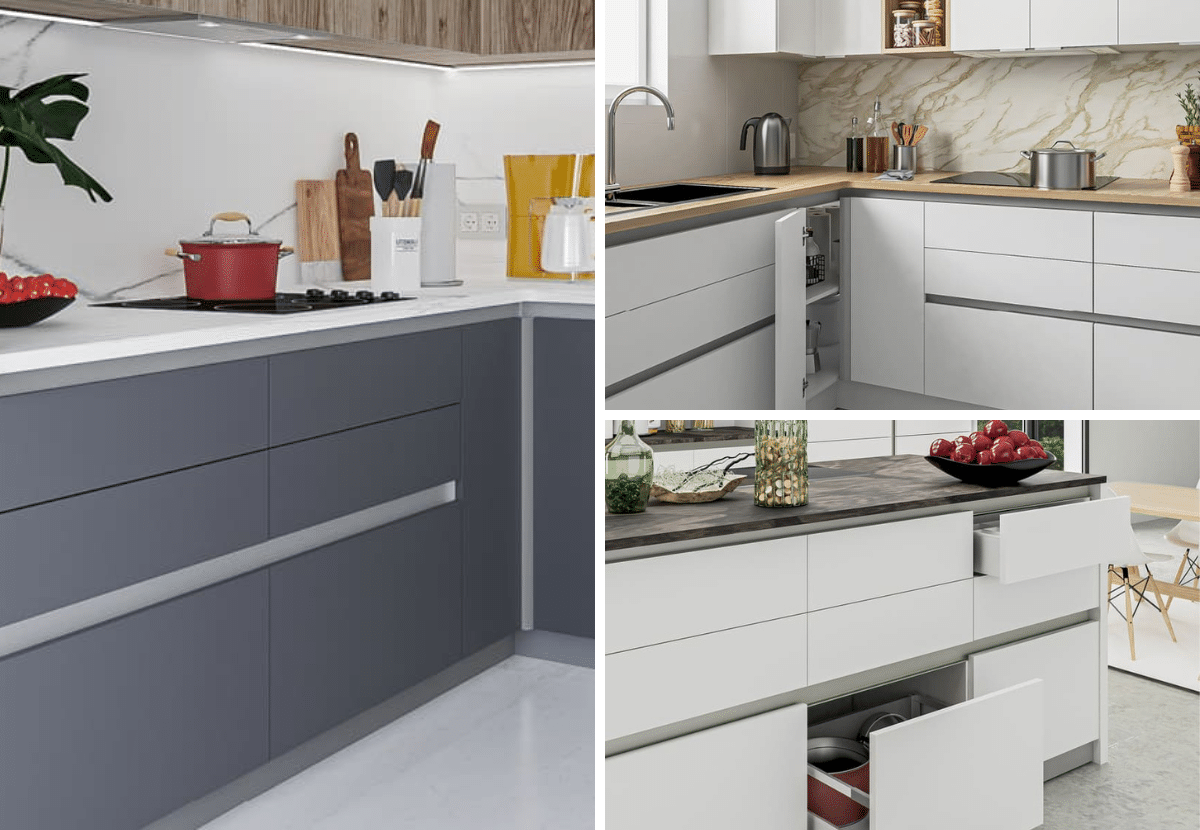
The Gola profile itself is typically made from aluminum, chosen for its strength, lightness, and resistance to corrosion. However, the choice of finish for the Gola profile is crucial for its integration into the overall design scheme. Options range from anodized aluminum in various metallic hues (silver, black, champagne) to painted finishes that match or subtly contrast with the cabinetry. Brands often offer a curated selection of finishes, allowing designers to achieve specific aesthetic outcomes – whether a seamless, almost invisible integration or a deliberate, contrasting highlight. The interplay between the cabinet material (wood, laminate, lacquer) and the Gola finish is paramount in creating a cohesive and luxurious look that defines the brand’s aesthetic.
Integration Challenges and Solutions
While aesthetically appealing, integrating Gola systems presents specific design and manufacturing challenges. Precise measurements and cutting are essential to ensure the channels align perfectly and drawers/doors operate smoothly without rubbing. Designers must also consider the thickness of the door/drawer fronts, as the Gola channel requires a certain amount of material depth. Solutions often involve sophisticated routing equipment and specialized assembly techniques to achieve the desired flush finish. Brands that successfully overcome these integration challenges not only deliver a superior product but also underscore their manufacturing prowess and attention to detail, further enhancing their reputation for quality and precision.
The Role of Technology in Gola Design
Modern technology plays a pivotal role in the widespread adoption and successful implementation of Gola profiles. Computer Numerical Control (CNC) machining allows for incredibly precise cuts and routing, ensuring perfectly uniform channels across multiple cabinet units. Advanced material science contributes to the durability and variety of finishes available for the aluminum profiles. Furthermore, sophisticated soft-close mechanisms and push-to-open hardware can complement Gola systems, offering additional layers of functionality and enhancing the overall user experience. Brands that invest in these technological advancements demonstrate their commitment to innovation and their ability to deliver products that meet the highest standards of contemporary design and engineering.
Gola in the Broader Design Landscape
The Gola profile is not an isolated design trend; it is deeply interwoven with broader movements in architecture, interior design, and consumer preferences. Its appeal reflects a cultural shift towards minimalism, sustainability, and a desire for tranquil, functional living spaces.
Sustainability and Minimalist Trends
The minimalist aesthetic championed by the Gola profile aligns perfectly with growing calls for sustainability. By reducing visual clutter and prioritizing clean lines, it encourages a “less is more” approach, emphasizing quality over quantity. This design philosophy often goes hand-in-hand with the use of durable, high-quality materials, promoting longevity and reducing waste. Brands that embrace Gola can subtly communicate their commitment to sustainable practices by offering products that are built to last, timeless in design, and contribute to an uncluttered, mindful living environment. It’s a quiet form of environmental responsibility communicated through design choice.
Future Directions and Adaptations
As design continues to evolve, so too will the interpretations and applications of the Gola profile. We can anticipate further innovations in materials, perhaps incorporating recycled content or bio-based polymers for the channels themselves. Integration with smart home technology might also see Gola systems evolving, perhaps with integrated lighting within the channels or subtle haptic feedback upon interaction. The core principle of handleless design, however, is likely to endure, adapting to new aesthetic preferences and technological advancements. Brands that remain agile and innovative in their use of Gola and similar integrated design solutions will continue to lead the market in sophisticated interior furnishings.
Conclusion
To fully answer “what is a Gola?” is to understand it as more than just a component; it is a design manifesto. It is a powerful symbol of modern aesthetics, where form and function merge seamlessly to create environments that are both visually captivating and intuitively practical. For brands, the strategic adoption of the Gola profile is a clear statement of intent: a commitment to contemporary design, superior craftsmanship, and an enhanced user experience.
In a world increasingly valuing simplicity, elegance, and integrated solutions, the Gola profile stands as a testament to the enduring power of thoughtful design. It enables brands to craft a distinctive identity, differentiate their offerings in a competitive market, and resonate with consumers who aspire to live in spaces defined by understated luxury and effortless functionality. As we look ahead, the Gola profile, in its various manifestations, will undoubtedly continue to shape the contours of modern interior design, proving that sometimes, what’s not there speaks the loudest.
aViewFromTheCave is a participant in the Amazon Services LLC Associates Program, an affiliate advertising program designed to provide a means for sites to earn advertising fees by advertising and linking to Amazon.com. Amazon, the Amazon logo, AmazonSupply, and the AmazonSupply logo are trademarks of Amazon.com, Inc. or its affiliates. As an Amazon Associate we earn affiliate commissions from qualifying purchases.