
In the world of global commerce, few intellectual properties command the same level of recognition, emotional resonance, and sustained revenue as Winnie the Pooh. While many view the “Silly Old Bear” as a mere relic of childhood nostalgia, brand strategists and corporate identity experts see a masterclass in asset management. Since his creation by A.A. Milne in the 1920s and his subsequent acquisition by Disney, Pooh has grown into a franchise worth an estimated $80 billion in lifetime revenue.
To answer the question “What does Winnie the Pooh represent?” from a brand perspective, we must look beyond the honey pot. Pooh represents the pinnacle of archetypal branding, the power of emotional connectivity in consumer behavior, and a blueprint for maintaining brand integrity across a century of shifting market dynamics.
The Power of Archetypal Branding: Why Pooh Endures
At the heart of every successful brand lies a clear identity that consumers can immediately categorize. In marketing psychology, we often refer to Jungian archetypes—universal patterns of behavior that resonate with the human psyche. Winnie the Pooh is perhaps the world’s most successful execution of the “Innocent” and “Caregiver” archetypes.
The Innocent Archetype and Consumer Trust
The “Innocent” archetype represents goodness, nostalgia, and a return to simplicity. In a modern market defined by digital complexity and rapid technological change, Pooh represents an “anchor of simplicity.” For a brand, this is an incredibly powerful position. When a consumer interacts with Pooh-branded merchandise, they are not just buying a product; they are buying a feeling of safety and unadulterated joy. This emotional shorthand allows the brand to transcend cultural and linguistic barriers, making it a truly global asset.
Diverse Character Personas as Market Segments
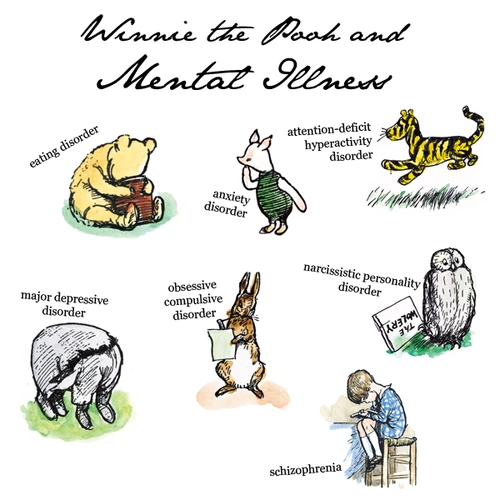
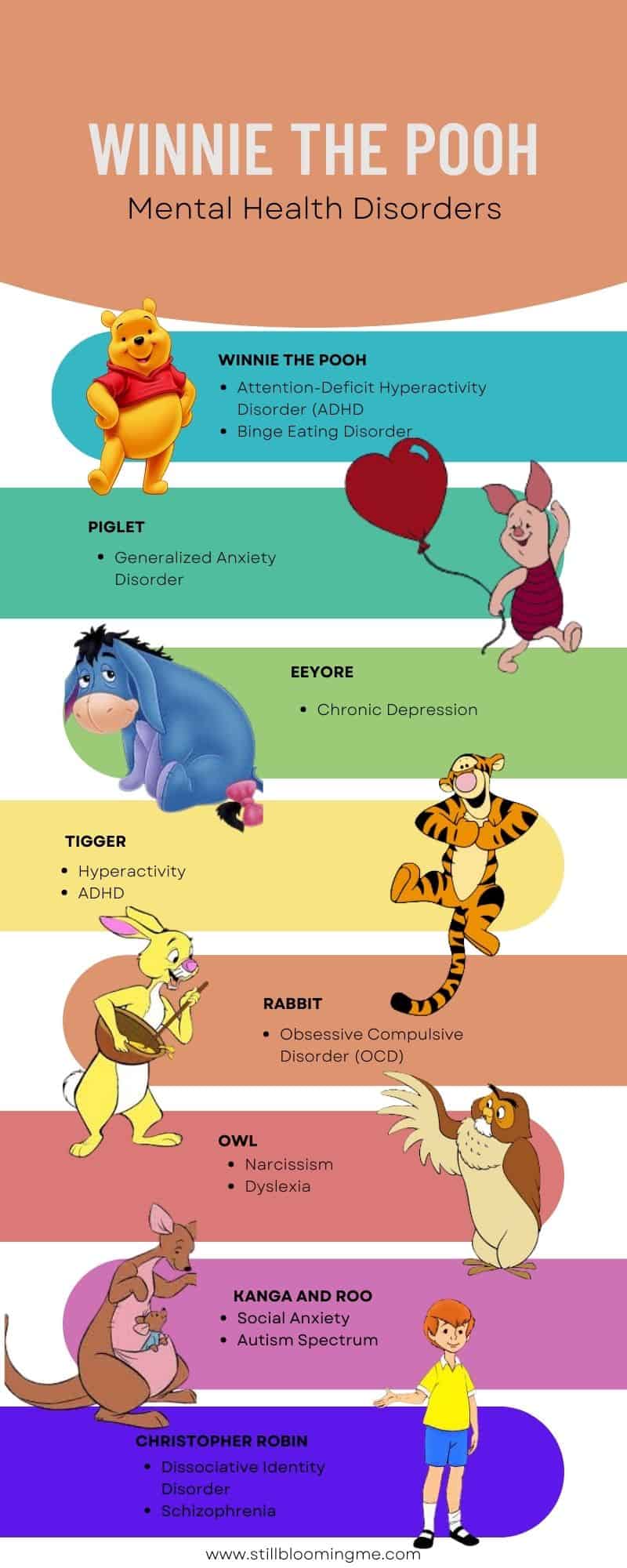
One of the reasons the Winnie the Pooh brand represents such a comprehensive strategy is the ensemble cast. Each character in the Hundred Acre Wood represents a distinct psychological profile, which in branding terms, translates to distinct market segments:
- Tigger: Represents the “Explorer” or “Jester”—appealing to high-energy, adventurous demographics.
- Piglet: Represents the “Everyman”—the relatable, vulnerable consumer looking for support.
- Eeyore: Represents a unique branding challenge successfully met—melancholy as a form of “relatable authenticity.”
By offering a spectrum of personalities, the brand ensures that every consumer can find a “mirror” of themselves within the IP, increasing the total addressable market.
Emotional Connectivity: The Role of “Cozy Marketing”
In the current brand landscape, “Cozy Marketing” has become a vital strategy for lifestyle and wellness companies. Winnie the Pooh represents the gold standard of this movement. The brand doesn’t sell conflict or high-stakes drama; it sells comfort.
Building Brand Loyalty through Nostalgia
Nostalgia is one of the most potent tools in a brand strategist’s kit. Pooh represents a “multi-generational bridge.” Because the character has been consistent for nearly a century, parents who grew up with the brand now introduce it to their children. This creates a self-perpetuating cycle of brand loyalty that requires minimal traditional advertising spend. The representation of “childhood wonder” is baked into the brand’s DNA, allowing it to bypass the skepticism modern consumers often feel toward corporate entities.
Sensory Branding and Visual Identity
From a design perspective, what Pooh represents is extreme visual consistency. The specific shade of “Pooh Yellow” and the iconic red crop-top shirt (a Disney innovation) are examples of high-level visual branding. These elements are instantly recognizable even without a logo. The rounded, soft edges of the character design communicate “approachability” and “safety,” which are essential for brands targeting the early childhood and maternal demographics. This visual shorthand reduces the “cognitive load” on the consumer, making Pooh an easy choice in a crowded marketplace.
Licensing and Corporate Identity: From Literature to Global Asset
What Winnie the Pooh represents in a corporate sense is the ultimate success story of intellectual property (IP) acquisition and licensing. The transition from A.A. Milne’s sketches to Disney’s multi-platform empire provides a case study in how to scale a brand without diluting its core values.
The Strategy of Transmedia Storytelling
The Winnie the Pooh brand is not confined to one medium. It exists simultaneously in publishing, film, television, theme parks, and retail. This is known as transmedia storytelling. Pooh represents a brand that can adapt its “vessel” while keeping its “essence” intact. Whether it is a hand-drawn illustration or a high-budget CGI film, the brand’s core values—friendship, kindness, and slow living—remain unchanged. This consistency is what allows the brand to command premium pricing in licensing deals.
Strategic Partnerships and Product Diversity
The Pooh brand represents a “safe harbor” for partners. Because the brand is synonymous with wholesomeness, other companies (from luxury apparel to baby food) seek out licensing agreements to borrow some of that “halo effect.” When a brand like Gucci or Cath Kidston collaborates with Winnie the Pooh, they are leveraging Pooh’s representation of “timelessness” to elevate their own product lines. This reveals a sophisticated B2B strategy where Pooh acts as a premium stamp of approval.
Protecting the Asset: Brand Resilience in the Public Domain
Perhaps the most interesting contemporary discussion regarding what Winnie the Pooh represents is the concept of brand resilience. In 2022, the original 1926 version of Winnie the Pooh entered the public domain. This presented a significant threat to the brand’s corporate identity.
Surviving the Public Domain
When a character enters the public domain, anyone can use it. We saw this manifest in “subversive” ways, such as the horror film Winnie the Pooh: Blood and Honey. However, from a brand strategy perspective, the “official” Disney-led Pooh brand remained unscathed. Why? Because Pooh represents more than just a name; he represents a specific aesthetic and a set of values that are legally protected.
The “Red Shirt Pooh” is still a trademarked Disney asset. This highlights a crucial branding lesson: if you build a strong enough visual and emotional identity, the public will distinguish between the “authentic” brand and the “generic” versions. Pooh represents a brand that has become so synonymous with its corporate steward that the public domain status barely made a dent in its market share.
Adapting to Modern Values
A brand that doesn’t evolve dies. Pooh represents “Evolutionary Consistency.” While the core of the brand is static, the delivery has changed. Disney has modernized the brand’s digital presence, utilizing social media and interactive apps to stay relevant to Gen Alpha. However, they have done so without losing the “slow” and “thoughtful” reputation that defines the character. This balance between tradition and innovation is what every heritage brand strives to achieve.

Conclusion: The Business Legacy of the Silly Old Bear
In conclusion, Winnie the Pooh represents far more than a literary character; he is a masterclass in brand strategy. He represents the Innocent Archetype, providing an emotional sanctuary for consumers in an increasingly chaotic world. He represents Transmedia Excellence, showing how a single idea can be scaled into a multi-billion dollar licensing machine. And finally, he represents Brand Permanence, proving that with the right visual identity and emotional core, an asset can survive even the loss of its copyright.
For modern marketers and brand builders, Pooh is a reminder that the strongest brands are built on universal truths. By standing for friendship, simplicity, and kindness, Pooh has secured a place in the global market that few high-tech startups or trendy lifestyle brands will ever achieve. He is a testament to the fact that in the world of branding, sometimes the most valuable thing you can represent is a quiet moment in a busy world.
aViewFromTheCave is a participant in the Amazon Services LLC Associates Program, an affiliate advertising program designed to provide a means for sites to earn advertising fees by advertising and linking to Amazon.com. Amazon, the Amazon logo, AmazonSupply, and the AmazonSupply logo are trademarks of Amazon.com, Inc. or its affiliates. As an Amazon Associate we earn affiliate commissions from qualifying purchases.