
In the bustling landscape of over-the-counter (OTC) medications, few categories are as competitive or as crucial to consumer well-being as acid reducers. Among the titans in this arena, Prilosec and Pepcid stand out as household names, each having carved out significant market share and brand recognition. While their ultimate goal is the same—alleviating heartburn and acid indigestion—the distinctions between them run far deeper than just their names. From a brand strategy perspective, the differences between Prilosec and Pepcid offer a compelling case study in market segmentation, unique value propositions, and targeted communication. This article delves into these two formidable brands, not merely by their pharmacological mechanisms, but by exploring how those underlying differences have been strategically leveraged to cultivate distinct brand identities, capture diverse consumer segments, and maintain enduring leadership in a crowded market.
Foundational Brand Proposition: Mechanism of Action as Core Differentiator
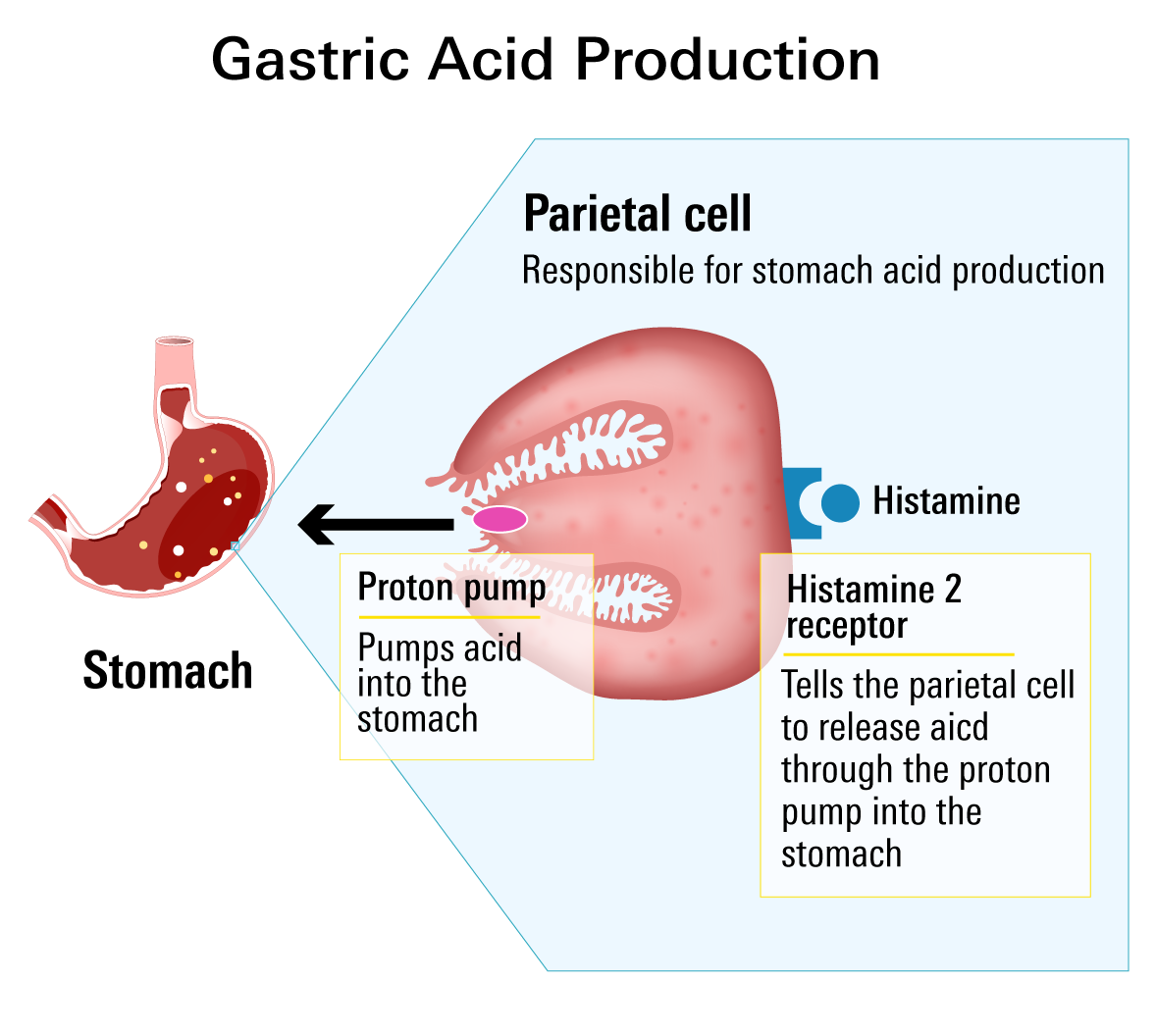
At the heart of any pharmaceutical brand’s strategy lies its active ingredient and mechanism of action. For Prilosec and Pepcid, these scientific foundations are not just medical facts; they are the bedrock upon which their entire brand identity, messaging, and consumer promises are built. Their differing approaches to acid reduction form the fundamental core of their brand propositions, directly influencing who they target and what benefits they emphasize.
Prilosec’s Enduring Promise: The PPI Powerhouse
Prilosec’s brand identity is intrinsically linked to its active ingredient, omeprazole, which belongs to a class of drugs known as Proton Pump Inhibitors (PPIs). The strategic brand choice here is to target individuals experiencing frequent heartburn – typically defined as heartburn occurring two or more days a week. Prilosec’s core brand promise revolves around a long-lasting, preventative solution: “one pill a day for 24 hours of zero heartburn.”
This promise is more than a medical claim; it’s a powerful marketing message that positions Prilosec as a comprehensive solution for sustained acid suppression. The brand actively educates consumers about the nature of frequent heartburn as a persistent issue requiring a consistent, daily treatment. By focusing on the prevention and elimination of symptoms over a full 24-hour cycle, Prilosec has built significant brand equity around the concept of proactive, reliable management. Its brand messaging frequently highlights the freedom from worry and the ability to enjoy life without the constant threat of heartburn, appealing to a demographic seeking long-term relief and control over their condition. The purple and white packaging has become synonymous with this promise, conveying a sense of calm, efficacy, and trustworthiness that reinforces its position as a serious solution for a chronic problem.
Pepcid’s Responsive Brand Identity: The H2 Blocker Advantage
In contrast, Pepcid’s brand identity is shaped by its active ingredient, famotidine, an H2 Blocker. This mechanism forms the basis of a distinctly different brand narrative: faster, temporary relief for occasional heartburn or strategic prevention before specific triggers. Pepcid positions itself as the “on-demand” or “pre-emptive” solution, appealing to consumers whose heartburn might be sporadic or predictable in response to certain foods, drinks, or activities.
The brand promise here emphasizes speed and immediate control over discomfort. Messages such as “starts working in 15-30 minutes” or “prevents heartburn before it starts” are central to Pepcid’s communication. This positions Pepcid as a flexible, responsive solution for sudden onset heartburn or for taking precautionary measures before indulging in a potentially problematic meal. While Prilosec promises the absence of heartburn for an entire day, Pepcid promises the quick suppression of symptoms when they arise or the proactive avoidance of discomfort in specific situations. The brand’s visual identity, often featuring blues and greens, tends to evoke a sense of freshness, rapid action, and comfort, aligning with its promise of quick, targeted relief. This distinction allows Pepcid to capture a different segment of the market—those seeking immediate comfort and flexibility rather than daily, continuous management.
Strategic Market Positioning and Target Audience Segmentation
The inherent differences in their pharmacological action naturally lead Prilosec and Pepcid to adopt distinct market positioning strategies and target specific consumer segments. This segmentation is a cornerstone of effective branding, ensuring that each product’s message resonates with the needs and behaviors of its intended audience.
Prilosec’s Niche: The Chronic Sufferer and Lifestyle Management
Prilosec’s brand strategy explicitly targets individuals who experience frequent heartburn, positioning itself as a reliable partner in lifestyle management. Its communication strategy involves educating consumers that recurrent heartburn is a condition that can be effectively managed with a consistent daily regimen. Advertising campaigns for Prilosec often depict individuals enjoying everyday activities—meals, social gatherings, or simply relaxing—without the fear of heartburn, underscoring the brand’s role in improving quality of life. The messaging focuses on the freedom and peace of mind that comes from knowing heartburn is under control.
This positioning requires a deeper engagement with the consumer, encouraging them to view heartburn not as an isolated event, but as a recurring challenge that Prilosec helps them overcome consistently. The brand effectively leverages testimonials and endorsements that speak to the long-term benefits, fostering a sense of trust and dependency. For consumers seeking a dependable, set-and-forget solution for their persistent symptoms, Prilosec’s brand narrative offers compelling value.
Pepcid’s Appeal: Occasional Relief and Proactive Prevention
Pepcid’s brand strategy is geared towards a broader, more reactive consumer base. It appeals to those with occasional heartburn or individuals who wish to pre-empt symptoms before a known trigger. The brand’s marketing emphasizes preparedness, convenience, and the ability to enjoy life’s moments without fear of immediate discomfort. Pepcid’s versatility, highlighted by phrases like “take before you eat” or “take at the first sign of heartburn,” underscores its brand appeal as a flexible solution.
Advertising for Pepcid often features scenarios where consumers are about to enjoy a meal, attend an event, or are caught off guard by sudden heartburn. The brand positions itself as the swift, reliable aid in these specific moments. This strategy taps into a different psychological need state: the desire for immediate control and the freedom to indulge without consequence. Pepcid’s brand aims to be the go-to solution for those who want quick relief and the ability to manage their symptoms on an as-needed basis, appealing to a consumer who values spontaneity and swift action over a daily commitment.
Brand Visuals and Communication: Crafting a Cohesive Identity

Beyond the verbal promises, the visual and communication elements of a brand play a critical role in reinforcing its identity and differentiating it in the marketplace. For Prilosec and Pepcid, these elements are carefully crafted to align with their core brand strategies.
Design Elements Reinforcing Brand Promises
While not delving into specific design schematics, it’s evident that the packaging, color schemes, and typography of Prilosec and Pepcid are meticulously chosen to support their respective brand promises. Prilosec’s distinctive purple and white packaging, often featuring clean lines and a professional aesthetic, conveys a sense of seriousness, scientific backing, and long-term reliability. The color purple often symbolizes quality, trust, and even royalty, subtly reinforcing its position as a premium, effective daily treatment. The overall design aims to inspire confidence and establish the brand as a consistent part of a daily health regimen.
Pepcid, often utilizing blues, greens, and whites, projects a different image. These colors are typically associated with freshness, calm, speed, and health, aligning perfectly with its promise of fast, soothing relief. The packaging design might appear more dynamic or user-friendly, emphasizing accessibility and immediate action. The visual language of both brands extends to the design of their physical tablets or capsules, often distinct in color and shape, further cementing their individual identities in the consumer’s mind. Consistency in these visual elements across different dosage strengths and line extensions is crucial for maintaining brand recognition and clarity.
Advertising Narratives: Storytelling for Brand Connection
The narrative woven through advertising campaigns is where Prilosec and Pepcid truly diverge in their brand communication. Prilosec’s advertisements typically employ storytelling that focuses on the long-term benefits of sustained relief. Ads might feature individuals who, after starting Prilosec, are now able to fully enjoy family dinners, travel, or pursue hobbies without the specter of heartburn. The emphasis is on the absence of symptoms, showcasing a liberated lifestyle and highlighting the transformative impact of consistent daily treatment. Testimonials frequently speak to the enduring efficacy and the quality-of-life improvements.
Pepcid’s advertising, conversely, often uses more immediate and scenario-specific narratives. Commercials might show someone quickly taking a Pepcid before diving into a spicy meal, or experiencing sudden relief after a surprising bout of heartburn. The focus is on the moment of discomfort and the swift, effective intervention provided by the brand. The situations are relatable, often depicting social settings or favorite foods, emphasizing that Pepcid allows consumers to live spontaneously and confidently, tackling heartburn head-on when it strikes. Both brands, through their distinct narratives, aim to forge a strong emotional connection with their target audiences, solidifying their positions as trusted solutions for different heartburn needs.
Brand Evolution and Sustaining Market Leadership
The pharmaceutical market is dynamic, characterized by regulatory changes, emerging competitors, and evolving consumer demands. Both Prilosec and Pepcid have demonstrated remarkable brand resilience and adaptability, navigating significant transitions and competitive pressures to maintain their market leadership.
Adapting to the OTC Transition and Generic Competition
A pivotal moment for both brands was their transition from prescription-only status to over-the-counter availability. This was not merely a regulatory change but a major strategic branding challenge and opportunity. Both Prilosec (Prilosec OTC) and Pepcid (Pepcid AC) successfully leveraged their existing brand equity and clinical reputation built during their prescription years to gain consumer trust in the OTC space. This involved extensive marketing campaigns to educate consumers about the OTC version, emphasizing continuity of efficacy and safety, and building upon decades of professional recommendation.
Post-OTC switch, both brands faced the inevitable influx of generic competition. To counter cheaper alternatives, Prilosec and Pepcid strategically emphasized the value of their established brand names, consistent quality, and consumer trust. They invested in continued research, formulation improvements, and branding efforts to differentiate themselves from generics. The power of a recognized brand in healthcare, where trust is paramount, often outweighs a slight price difference for many consumers, allowing these brands to retain a significant market share despite generic availability.
Innovation and Line Extensions: Expanding Brand Reach
To cater to a broader spectrum of consumer needs and expand market share, both brands have also strategically introduced line extensions. Pepcid, for instance, introduced Pepcid Complete, which combines famotidine with antacids for even faster and more comprehensive relief. Prilosec OTC has focused on different dosage forms and package sizes. These extensions are not just new products; they are deliberate brand strategies to diversify the portfolio while remaining consistent with the core brand identity.
The challenge in line extensions is to maintain brand clarity while offering new benefits. Each new product must clearly communicate its unique value proposition within the umbrella of the parent brand. These innovations demonstrate the brands’ commitment to meeting evolving consumer demands, showing that they are not static but continually adapting and expanding their solutions to maintain relevance and competitive edge in the marketplace.
The Enduring Power of Brand Trust in Healthcare
In the highly sensitive realm of health and wellness, brand trust is arguably the most valuable asset. Both Prilosec and Pepcid exemplify how consistent efficacy, transparent safety messaging, and sustained presence contribute to building and maintaining profound consumer confidence.
Building and Maintaining Consumer Confidence
The long-standing presence of Prilosec and Pepcid in the market, supported by years of clinical use and millions of satisfied consumers, has cemented their perceived reliability and credibility. Brand trust is fostered through consistent product performance, clear communication of benefits and potential risks, and adherence to regulatory standards. In an industry where personal health is at stake, consumers gravitate towards brands they know, trust, and have positive experiences with. This cumulative trust is a significant barrier to entry for new competitors and a powerful antidote to generic pricing pressure. While occasional concerns or debates about long-term side effects (particularly with PPIs) can emerge and require careful brand management and communication, the core trust built over decades often enables these brands to navigate such challenges effectively.
Brand Loyalty and Competitive Advantage
Ultimately, the distinct brand strategies employed by Prilosec and Pepcid highlight how two products designed to address a similar problem can carve out uniquely successful market positions. Their differences in active ingredient are the root, but it is their sophisticated brand management—their precise market segmentation, their tailored communication, their consistent visual identities, and their strategic evolution—that truly differentiates them in the consumer’s mind.
This deep dive into Prilosec and Pepcid serves as a powerful illustration of how effective brand strategy transforms mere chemical compounds into trusted, recognizable, and enduring solutions that meet specific consumer needs in a highly competitive and health-conscious market. Their distinct brand narratives not only guide consumer choice but also underscore the profound impact of strategic branding in building lasting consumer relationships and securing sustained market leadership.
aViewFromTheCave is a participant in the Amazon Services LLC Associates Program, an affiliate advertising program designed to provide a means for sites to earn advertising fees by advertising and linking to Amazon.com. Amazon, the Amazon logo, AmazonSupply, and the AmazonSupply logo are trademarks of Amazon.com, Inc. or its affiliates. As an Amazon Associate we earn affiliate commissions from qualifying purchases.