
In our increasingly hyper-connected world, we often take the stability of our power grid for granted. We focus on high-speed internet, the latest silicon chips, and the seamless integration of cloud services. However, the foundational element that keeps this entire ecosystem breathing—electricity—is not always a binary state of “on” or “off.” While most people are familiar with the total darkness of a blackout, there is a far more insidious and technically complex phenomenon known as a “brownout.”
For tech professionals, data center managers, and hardware enthusiasts, understanding a brownout is critical. Unlike a blackout, which simply halts operations, a brownout can cause subtle, cumulative damage to sensitive electronic components, corrupt mission-critical data, and create significant vulnerabilities in digital security frameworks.
Defining the Brownout: A Technical Deep Dive
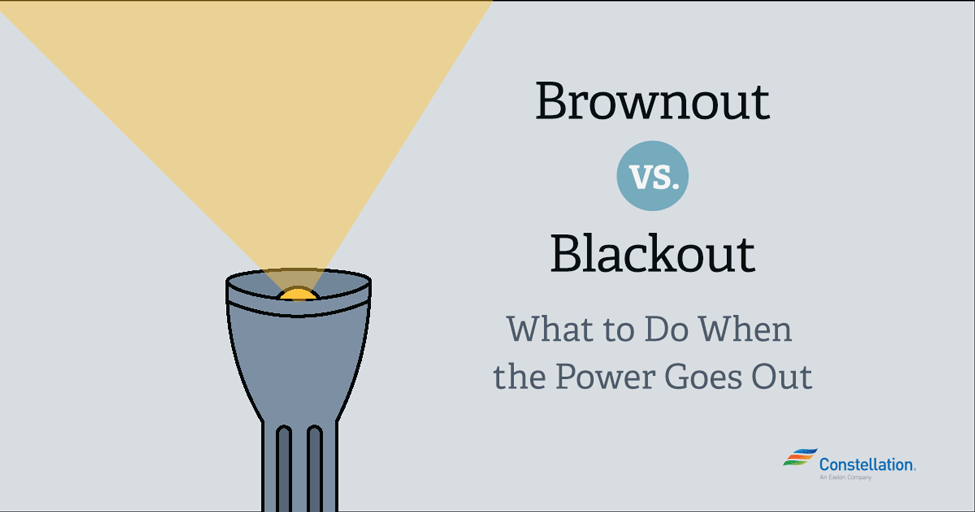
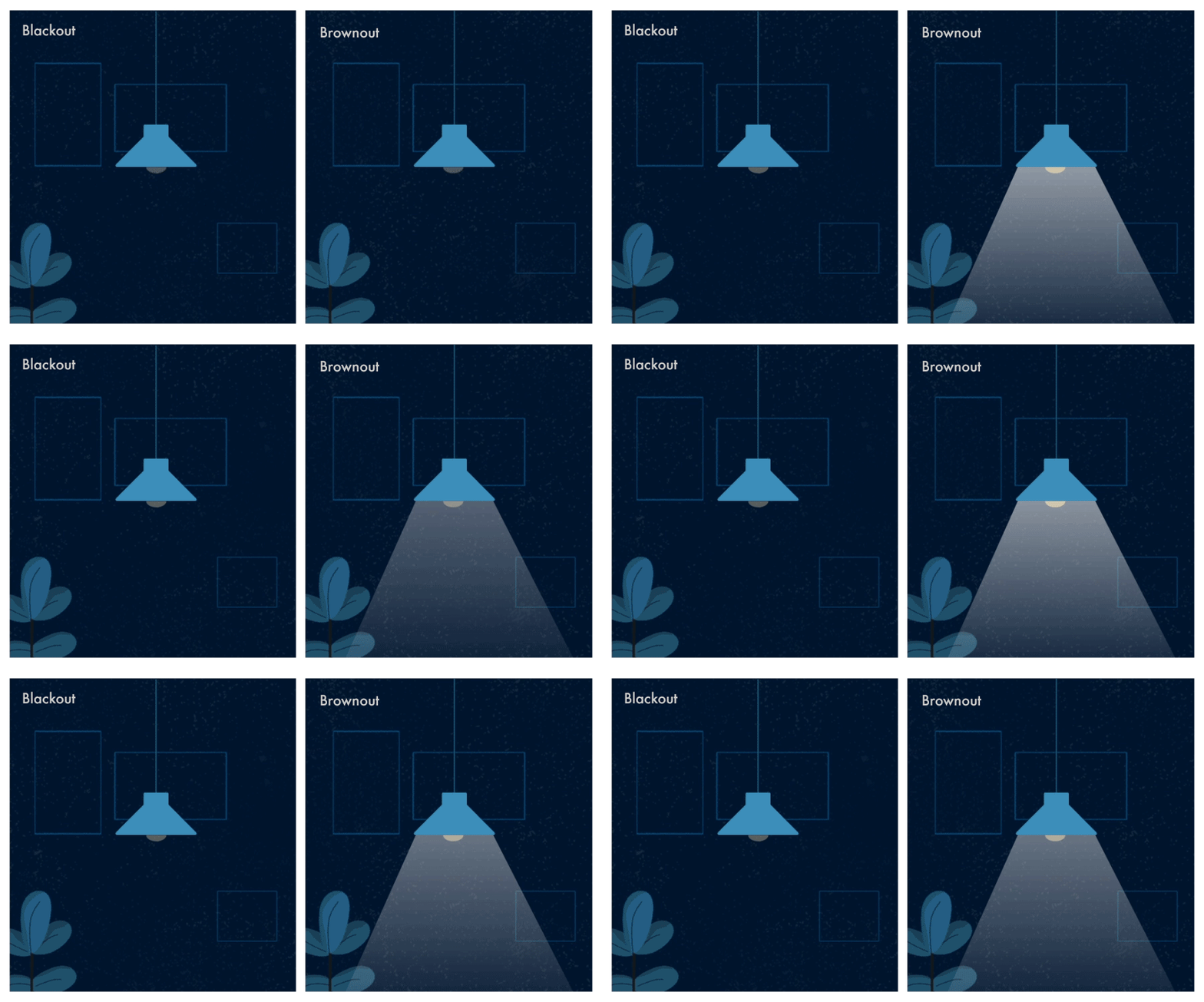
At its core, a brownout is a temporary drop in voltage in an electrical power supply system. The term “brownout” comes from the literal dimming of incandescent lights that occurs when the voltage sags. While a blackout is a total loss of power (zero volts), a brownout typically involves a voltage reduction of 10% to 25%.
The Mechanics of Voltage Reduction
Electrical systems are designed to operate within a specific voltage range (for example, 120V in North America or 230V in much of Europe). A brownout occurs when the demand for electricity exceeds the generating capacity of the utility provider, or when there is a technical fault in the distribution network. To prevent a total system collapse (a blackout), utility companies may intentionally reduce the voltage across the grid. This allows them to maintain service to all customers, albeit at a lower quality of power.
From a physics perspective, when voltage drops, devices that require a constant amount of power must draw more current (amperage) to compensate ($P = V times I$). This increase in current leads to excess heat generation within circuits, which is the primary enemy of modern computing hardware.
Brownouts vs. Blackouts: Distinguishing the Differences
It is a common misconception that a brownout is simply a “light” blackout. In reality, they represent two different types of electrical stress. A blackout is a complete cessation of power, usually caused by physical damage to lines or catastrophic equipment failure. While disruptive, a blackout is clean; the device simply turns off.
A brownout, however, is a “dirty” power event. Because the device remains partially powered, internal logic gates may behave unpredictably. High-speed processors might experience timing errors, and cooling fans may spin at insufficient RPMs while the internal components continue to generate heat. In the tech world, a brownout is often considered more dangerous than a blackout because of this “limbo” state of operation.
Common Causes of Grid Instability
In the context of modern technology, brownouts are frequently triggered by “peak demand” periods. During extreme weather events, the massive simultaneous draw from air conditioning units or heating systems can strain regional grids. Additionally, the integration of renewable energy sources—while environmentally necessary—introduces variability into the grid that requires sophisticated digital management to prevent voltage sags. Internal brownouts can also occur within a building if a high-draw appliance (like a laser printer or a large server rack) shares a circuit with sensitive workstation electronics.
The Impact of Brownouts on Hardware and Critical Infrastructure
Modern electronics are marvels of precision engineering, but that precision makes them fragile when faced with inconsistent power. The components inside your laptop, server, or smart home hub are designed to handle very specific electrical tolerances.
How Low Voltage Damages Sensitive Electronics
The most vulnerable components during a brownout are Switch Mode Power Supplies (SMPS) and electric motors. In a computer, the power supply unit (PSU) works hard to regulate the incoming AC voltage into steady DC voltage for the motherboard. During a brownout, the PSU must work significantly harder to maintain that steady DC output from a fluctuating AC input. This puts immense stress on capacitors and transistors.
If the voltage drops too low, the PSU may fail to provide enough “clamping” force, leading to a “ripple” effect where unstable power reaches the CPU and RAM. This can lead to immediate system crashes or, worse, “silent” hardware degradation where components fail prematurely months after the event.
The Threat to Data Centers and Cloud Computing
For enterprise-level tech, the stakes are exponentially higher. Data centers are the backbone of the digital economy, housing thousands of interconnected servers. A brownout can trigger a cascade of failures across a distributed system.
When voltage sags, the power distribution units (PDUs) in a server rack may struggle to balance the load. If one server reboots due to a power dip while another remains online, it can cause “split-brain” scenarios in database clusters, where two parts of a system lose synchronization. This leads to data inconsistency that can take hours or days of manual engineering labor to rectify.
Enterprise Networking and Connection Drops
Networking hardware—routers, switches, and fiber-optic transceivers—is notoriously sensitive to power quality. During a brownout, a network switch might stay “on” but lose the ability to process packets at full line rate. This results in packet loss, increased latency, and the dropping of VoIP calls or video streams. For businesses relying on real-time data processing or high-frequency trading, even a few seconds of a brownout-induced “lag” can result in significant operational losses.
Digital Security Risks During Power Fluctuations
Beyond physical hardware damage, brownouts pose a sophisticated threat to digital security. Security protocols often assume a stable environment; when that environment becomes unstable, the “fail-safe” mechanisms of a system are put to the test.
Data Corruption and Incomplete Write Cycles
One of the most immediate digital risks of a brownout is the “partial write.” When a hard drive or SSD is in the middle of writing data to the disk and the voltage drops, the operation may be interrupted. Unlike a total power loss where a drive might have enough residual energy in its capacitors to finish a write (Power Loss Protection), a brownout can cause the drive to write “garbage” data. This can corrupt the File Allocation Table (FAT) or the master boot record, rendering the entire drive unreadable and bypassing standard encryption checks if the metadata becomes scrambled.
Security System Vulnerabilities
Many modern physical security systems—IP cameras, biometric scanners, and smart locks—are IoT devices connected to the local network. These devices often have minimal onboard power regulation. A brownout can cause an IP camera to reboot or enter a “setup mode,” creating a blind spot in a facility’s surveillance. Similarly, electronic access control systems may default to an “open” state (fail-safe) or a “locked” state (fail-secure) during a voltage sag, either of which can be exploited by an intruder or create a safety hazard for employees.
Automated Reboot Vulnerabilities and Firmware Corruption
When a system recovers from a brownout, it typically goes through an automated reboot cycle. This is a moment of extreme vulnerability. During a reboot, many security services (firewalls, anti-malware, and intrusion detection systems) are the last to initialize. If a system is caught in a “brownout loop”—where power dips, the system reboots, and the power dips again—it can lead to firmware corruption. An attacker could potentially use this window of instability to inject malicious code into the BIOS or UEFI, creating a persistent threat that survives even after the power stabilizes.
Mitigation Strategies and Tech Solutions
In the face of these challenges, the tech industry has developed a suite of tools and strategies to insulate sensitive systems from the vagaries of the power grid.
Uninterruptible Power Supplies (UPS) and Voltage Regulation
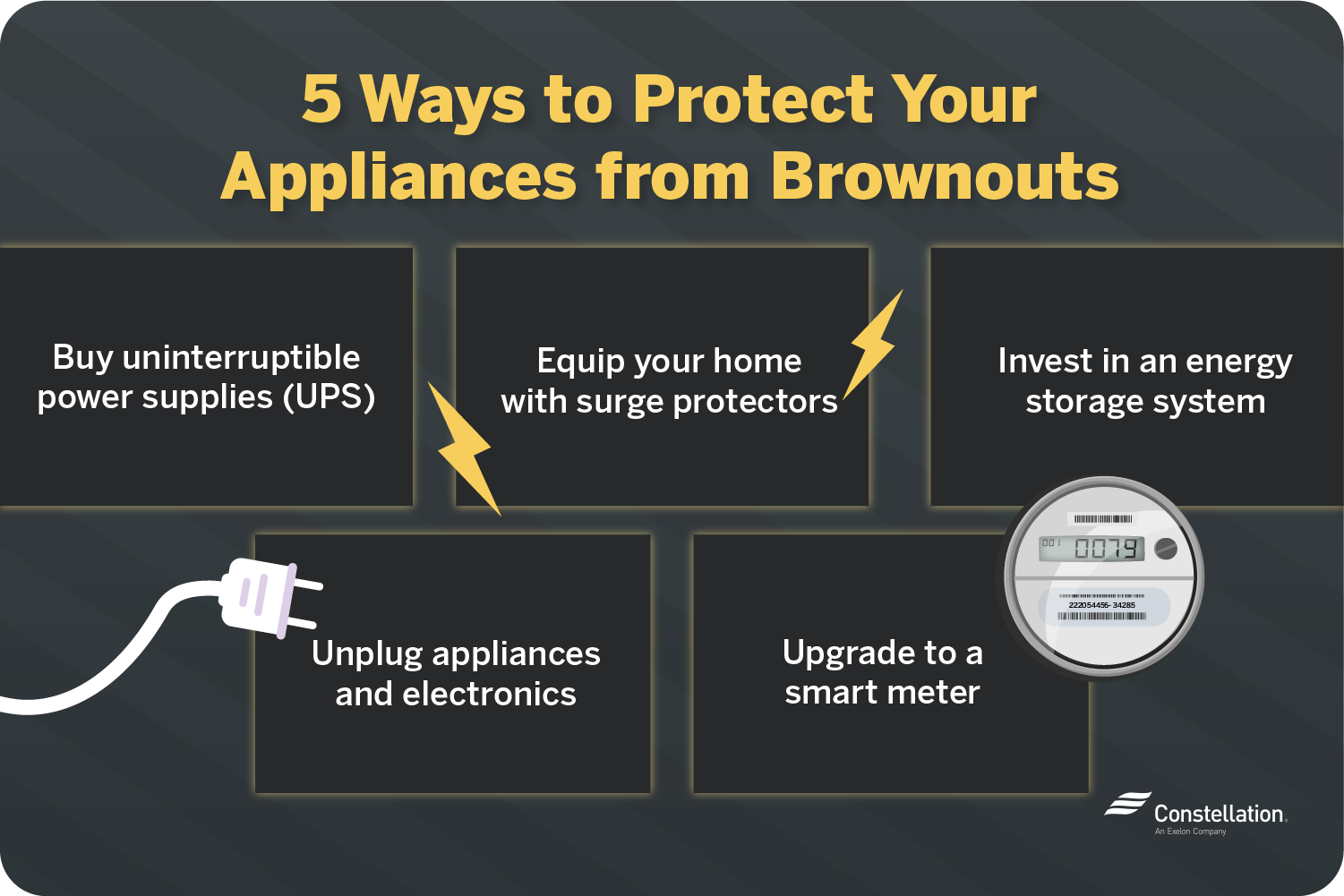
The most critical line of defense for any tech stack is the Uninterruptible Power Supply (UPS). However, not all UPS units are created equal.
- Standby UPS: These only kick in when power is totally lost, making them ineffective against brownouts.
- Line-Interactive UPS: These contain an Automatic Voltage Regulator (AVR). When they detect a brownout, they can “boost” the voltage using a transformer without depleting the battery.
- Online Double-Conversion UPS: This is the gold standard for enterprise tech. It constantly converts AC to DC and back to AC, ensuring that the connected equipment always receives a perfect, regulated sine wave, regardless of what is happening on the grid.
Smart Grids and AI-Driven Load Management
On a macro level, the “Smart Grid” is the technological answer to brownouts. By using IoT sensors and AI algorithms, utility companies can predict demand spikes and redistribute power in real-time. For the end-user, smart home technology now allows for “demand response.” For instance, a smart thermostat can detect a grid-wide voltage sag and automatically throttle the HVAC system’s power consumption, helping to stabilize the local circuit and protect more sensitive electronics like the home server or gaming PC.
Building a Resilient Personal and Enterprise Tech Stack
Resilience starts with the “Power First” philosophy. When building a PC or a server rack, the Power Supply Unit (PSU) should never be an afterthought. Investing in an “80 Plus Gold” or “Platinum” rated PSU ensures better efficiency and better tolerance for voltage fluctuations.
Furthermore, from a software perspective, implementing “Journaling File Systems” (like NTFS, ext4, or APFS) can help mitigate the risk of data corruption during brownouts. These systems keep a log of changes before they are permanently written, allowing the OS to recover more gracefully if power is interrupted mid-cycle.
Conclusion
A brownout is more than just a flickering light; it is a complex technical challenge that tests the limits of our digital infrastructure. In an era where data is the new currency and uptime is the primary metric of success, the ability to navigate power instability is a vital skill. By understanding the mechanics of voltage sags, acknowledging the risks to hardware and security, and implementing robust mitigation strategies, we can ensure that our technology remains resilient, no matter how much the lights may dim. Strategies like employing double-conversion UPS systems and prioritizing high-quality power components are no longer luxuries—they are the essential safeguards of the modern tech landscape.
aViewFromTheCave is a participant in the Amazon Services LLC Associates Program, an affiliate advertising program designed to provide a means for sites to earn advertising fees by advertising and linking to Amazon.com. Amazon, the Amazon logo, AmazonSupply, and the AmazonSupply logo are trademarks of Amazon.com, Inc. or its affiliates. As an Amazon Associate we earn affiliate commissions from qualifying purchases.