
In the realm of personal finance and wealth management, travel is often viewed through the lens of discretionary spending. However, for the astute financial planner, airfare represents a significant capital expenditure that, if managed with the same rigor as a stock portfolio or a real estate investment, can yield substantial “savings dividends.” Understanding when plane tickets are cheapest is not merely a matter of luck; it is a sophisticated exercise in market analysis, understanding algorithmic supply-and-demand shifts, and executing temporal arbitrage.
To master the cost of airfare is to understand the underlying economic principles that airlines use to maximize their revenue per available seat mile (RASM). For the consumer, the goal is the inverse: to minimize the cost of acquisition without sacrificing the utility of the travel experience. This guide analyzes the financial landscape of the aviation industry to determine precisely when and how to secure the lowest possible price for air travel.
1. The Market Dynamics of Aviation Pricing
The aviation industry operates on one of the most complex pricing models in the global economy. Known as “yield management” or “revenue management,” this system uses high-frequency data to adjust prices in real-time based on a myriad of variables. To find the cheapest tickets, one must first understand the financial pressures that dictate these fluctuations.
Dynamic Pricing Algorithms and Supply-Demand Equilibrium
Airlines do not set a “price” for a seat; they set a series of “fare buckets.” As a flight fills up, the lower-cost buckets are closed, and only the more expensive ones remain. This is a classic example of supply-and-demand equilibrium. From a financial perspective, the cheapest time to buy is when demand is at its nadir relative to the airline’s projected capacity. This typically occurs several months before a flight’s departure, before corporate travelers—who are less price-sensitive—begin to book their itineraries.
The Impact of Fuel Hedging and Operational Overhead on Consumer Costs
While consumer demand is the primary driver of price, the underlying operational costs of an airline also play a role. Airlines often engage in fuel hedging—buying fuel at a fixed price to protect against market volatility. When an airline’s hedge is successful, they may have more flexibility to offer competitive pricing. Conversely, during periods of high oil volatility, “fuel surcharges” can cause ticket prices to spike regardless of when you book. Monitoring global energy markets can actually provide a macro-economic indicator of whether airfares are likely to trend upward in the coming quarter.
2. Seasonal and Temporal Arbitrage: Timing Your Purchase for Maximum ROI
In finance, arbitrage is the simultaneous purchase and sale of an asset to profit from an imbalance in the price. In travel, “temporal arbitrage” involves timing your purchase and your travel dates to exploit the price imbalances between high-demand and low-demand periods.
The Myth of the “Tuesday Rule” vs. Data-Driven Reality
For years, a prevailing myth suggested that booking on a Tuesday at midnight would yield the lowest prices. In the modern era of AI-driven pricing, this is largely obsolete. Financial data analysis from aggregators shows that the day of purchase is now less important than the day of departure. However, a weekend purchase still tends to carry a “leisure premium.” For the budget-conscious traveler, the strategic move is to monitor prices over a 7-day rolling average and execute the trade (the booking) when the price dips below the 30-day mean.
Identifying the “Goldilocks Window” for Domestic and International Bookings
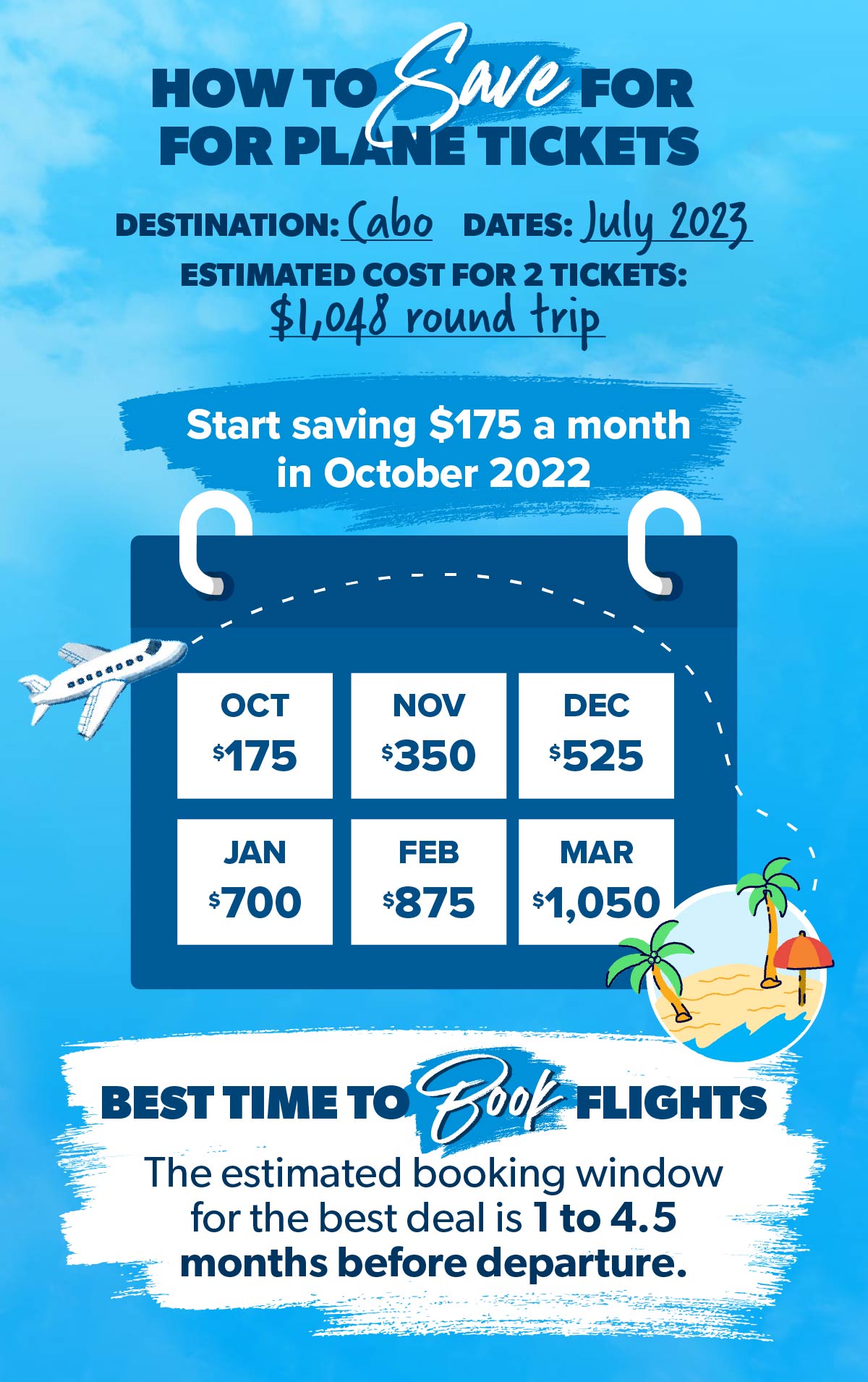
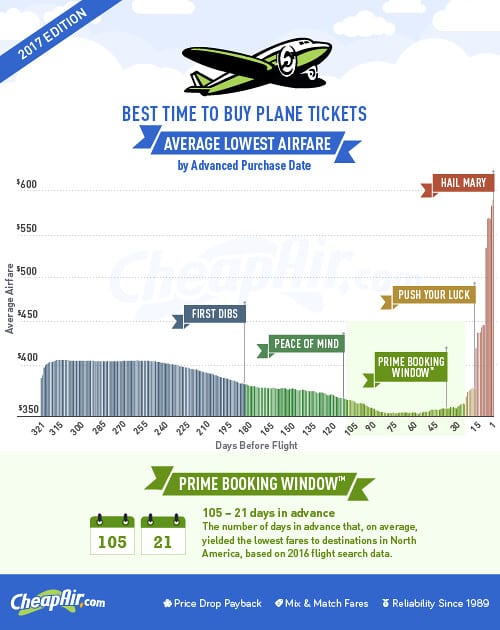
Financial planning requires a lead time. According to historical price data, the “Goldilocks Window”—the period where prices are at their statistical low—varies by destination.
- Domestic Markets: The optimal booking window is typically 21 to 60 days prior to departure. Booking earlier than this often means you are paying a premium for “certainty,” while booking later subjects you to the “urgency tax” levied on last-minute travelers.
- International Markets: The window expands to 4 to 8 months. Because the fixed costs of long-haul flights are higher, airlines seek to de-risk their inventory early by filling a baseline percentage of seats at a discounted rate.
Leveraging the “Shoulder Season” for Massive Savings
Just as a savvy investor looks for undervalued stocks, a savvy traveler looks for “undervalued” months. The “Shoulder Season”—the period between peak summer travel and the holiday rush (typically September to October and April to May)—offers the highest ROI. During these windows, the demand from both business and family sectors drops, forcing airlines to lower their price floors to maintain load factors.

3. Financial Instruments and Strategic Tools for Cost Reduction
Securing the cheapest plane ticket often requires more than just timing; it requires the use of specific financial instruments and digital tools designed to track and hedge against price increases.
Utilizing Price-Tracking Algorithms as Financial Sentinels
In the same way a day trader uses “limit orders,” travelers should use price-tracking tools. Services like Google Flights or Hopper allow users to set a “strike price.” By automating the monitoring process, you remove the emotional impulse to buy when prices are high. From a wealth management perspective, this is a form of disciplined procurement.
Credit Card Points and Miles as an Alternative Currency
One of the most effective ways to lower the “cash cost” of a plane ticket is to treat credit card points and airline miles as a legitimate asset class. The “valuation” of these points (often measured in cents per point, or CPP) can fluctuate. To maximize your financial position, you should aim to redeem points only when the CPP exceeds 2.0. If a ticket is currently at its cheapest cash price, it is often mathematically superior to pay in cash and save your “alternative currency” for a time when cash prices are inflated, thereby hedging against future price hikes.
The Strategy of “Hidden City” Ticketing and Its Financial Risks
For the advanced financial strategist, “hidden city” ticketing (booking a flight with a layover in your actual destination and skipping the final leg) can offer significant savings. However, like any high-risk investment, it carries penalties, including the potential forfeiture of loyalty points or the cancellation of return legs. A professional financial approach requires a cost-benefit analysis of these risks versus the immediate capital saving.
4. Behavioral Finance: Overcoming Common Pitfalls in Travel Budgeting
Human psychology often works against the goal of finding the cheapest tickets. Behavioral finance teaches us that “loss aversion” and “anchoring” can lead to poor decision-making.
The Sunk Cost Fallacy in Last-Minute Bookings
Many travelers fall victim to the sunk cost fallacy—believing that because they have already invested time in planning a trip, they must pay whatever price is currently listed to “save” the trip. From a cold, financial perspective, if the price of the ticket exceeds the utility of the trip, the rational choice is to pivot. Maintaining a “flexible destination” strategy allows you to move your capital to where the market is most favorable.
Analyzing the True Total Cost of Ownership (TCO) of a Ticket
The “cheapest” ticket on a screen is rarely the cheapest in reality. A $40 flight on a budget carrier can quickly become a $150 flight after factoring in “ancillary revenue” charges (baggage fees, seat selection, and boarding priority). To truly minimize costs, one must calculate the Total Cost of Ownership (TCO). This includes:
- Ancillary Fees: Budget carriers unbundle their services; full-service carriers include them.
- Opportunity Cost of Time: A flight with two layovers might be $50 cheaper, but if it costs you 10 hours of productivity, the “effective cost” is much higher.
- Transportation Liquidity: The cost of getting to a secondary airport (often used by discount airlines) versus a central hub.
Conclusion: Developing a Long-Term Travel Capital Strategy
Finding the cheapest plane tickets is not a game of chance; it is a disciplined financial practice. By understanding the market dynamics of the aviation industry, exploiting temporal arbitrage, utilizing the right financial tools, and avoiding behavioral biases, individuals can significantly reduce their travel expenditures.
In the broader context of personal finance, the money saved on airfare is capital that can be redirected into interest-bearing accounts, retirement funds, or other investments. Treat every ticket purchase as a trade: analyze the data, wait for the market dip, and execute with precision. When you view “when are plane tickets cheapest” through a financial lens, the answer becomes a clear, actionable strategy for wealth preservation and optimized consumption.
aViewFromTheCave is a participant in the Amazon Services LLC Associates Program, an affiliate advertising program designed to provide a means for sites to earn advertising fees by advertising and linking to Amazon.com. Amazon, the Amazon logo, AmazonSupply, and the AmazonSupply logo are trademarks of Amazon.com, Inc. or its affiliates. As an Amazon Associate we earn affiliate commissions from qualifying purchases.