
In the contemporary travel landscape, the cruise industry has undergone a radical transformation. What was once a monolithic market characterized by buffet lines and family-oriented entertainment has splintered into highly sophisticated, niche segments. For the modern adult traveler, selecting the “best” cruise line is no longer just about the destination; it is an exercise in brand alignment. From a strategic branding perspective, the leading cruise lines for adults have succeeded by cultivating distinct corporate identities that resonate with specific psychographic profiles.
When we analyze the best cruise lines for adults through the lens of brand strategy, we see a masterclass in market segmentation. These companies have moved beyond mere transportation to become lifestyle brands. Whether it is the “Rebel” archetype of Virgin Voyages or the “Sage” persona of Viking Cruises, the best adult-oriented lines are those that maintain rigorous brand consistency across every touchpoint, from digital marketing to the sensory experience on board.
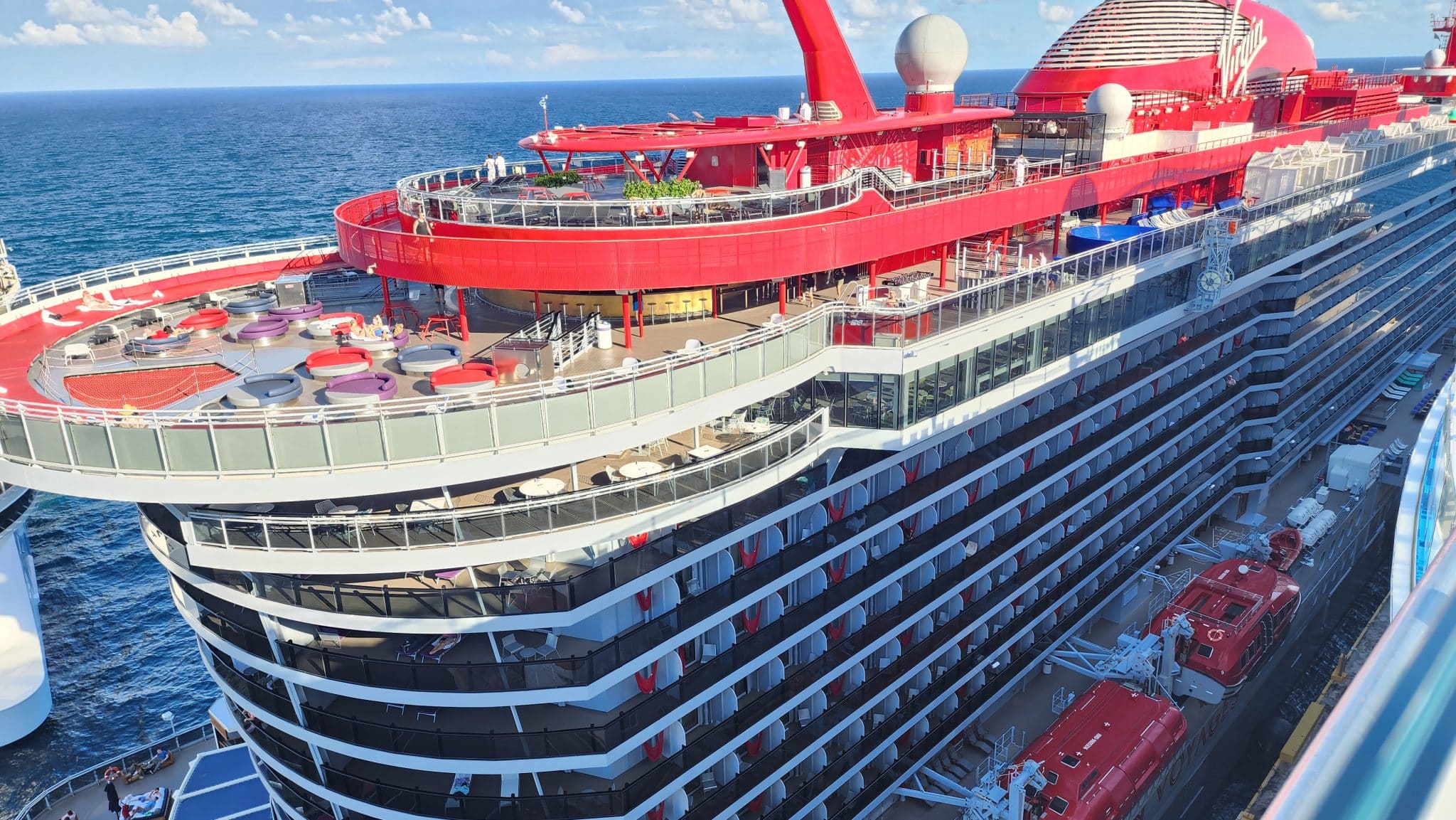
The Architecture of Adult-Only Branding: Virgin Voyages vs. Viking
The most significant development in the cruise industry over the last decade has been the rise of the “Adults-Only” brand positioning. This is a bold strategic move that voluntarily limits the potential customer base in exchange for a deeper, more resonant connection with a specific target audience. Two brands, in particular, have mastered this approach using diametrically opposed strategies.
The Rebel Archetype: Virgin Voyages and Disruption
Virgin Voyages entered the market not as a cruise line, but as a lifestyle disruptor. By adopting the “Rebel” brand archetype—long associated with the broader Virgin Group—the company signaled a departure from traditional maritime tropes. Their branding is centered on “Epic Sea Change,” targeting a younger, design-conscious adult demographic that previously felt alienated by the “stuffy” image of traditional cruising.
The brand strategy here is one of high-energy sophistication. By eliminating buffets and Broadway-style shows in favor of drag brunches, tattoo parlors, and world-class mixology, Virgin Voyages has created a brand identity that feels more like a boutique hotel in Miami or London than a ship. This is a classic example of brand differentiation through the subversion of industry norms.
The Sage Archetype: Viking’s Intellectual Positioning
In stark contrast, Viking Cruises employs the “Sage” archetype. Their branding is built on the premise of the “Thinking Person’s Cruise.” Viking famously prohibits anyone under the age of 18, but their adult-only status is marketed through the lens of tranquility and intellectual enrichment rather than nightlife.
Viking’s brand strategy is defined by what it doesn’t have: no casinos, no “belly flop” contests, and no umbrella drinks with flashing lights. Their corporate identity is rooted in Scandinavian minimalism and cultural immersion. By positioning themselves as a gateway to history and art, Viking has captured the brand loyalty of the affluent, retired, or semi-retired demographic that values silence and education over high-octane stimulation.
Strategic Differentiation: How Luxury Lines Tailor Their Identity
Beyond the strictly adults-only brands, the “Best for Adults” category is dominated by ultra-luxury lines that use “quiet luxury” as their primary brand pillar. These companies—such as Silversea and Regent Seven Seas—do not necessarily ban children, but their brand messaging, pricing tiers, and onboard environments are so specialized that they become de facto adult sanctuaries.
Silversea: The Authority in Personalized Prestige
Silversea’s brand strategy is centered on the concept of “Whispered Luxury.” Their identity is built on intimacy and extreme personalization, often featuring a nearly 1:1 guest-to-staff ratio. From a brand management perspective, Silversea excels at creating an aura of exclusivity. Their marketing materials focus on the “expedition” aspect of travel, appealing to the adult desire for discovery without sacrificing comfort. By positioning themselves as the “connoisseur’s choice,” they have created a brand that represents a status symbol for the global elite.
Regent Seven Seas: The All-Inclusive Value Proposition
Regent Seven Seas utilizes a “Total Freedom” brand strategy. In the luxury market, “value” is often a difficult brand pillar to maintain without cheapening the identity. Regent solves this by being the most inclusive brand in the industry. Their brand promise—that every conceivable cost is covered—removes the “friction” of transaction from the vacation experience. For the adult traveler, this creates a psychological sense of liberation, which becomes the core emotional benefit of the brand.

Explora Journeys: The New Entrant in Lifestyle Luxury
A fascinating case study in modern branding is Explora Journeys, the luxury arm of the MSC Group. They have avoided the word “cruise” in much of their initial brand rollout, opting instead for “Ocean Journeys.” This is a deliberate linguistic strategy to distance the brand from the negative connotations of mass-market cruising. Their focus on the “Ocean State of Mind” targets a wellness-oriented, high-net-worth adult who views travel as a tool for mental rejuvenation.
The Role of Experience Design in Brand Loyalty
In the cruise industry, the “product” is an experience, and the brand is the “promise” of how that experience will feel. To be considered the best for adults, a cruise line must bridge the gap between their marketing promises and the physical experience on the ship. This is achieved through meticulous experience design.
Curated Environments and Sensory Branding
The best adult cruise lines utilize sensory branding to reinforce their identity. On a Celebrity Cruises ship, for example, the brand identity is “Modern Luxury.” This is expressed through the “Magic Carpet”—a cantilevered platform that moves between decks—and the architectural design of the “Eden” lounge. These physical landmarks serve as “brand signals,” reminding the guest that they are in a sophisticated, design-forward space that caters to adult sensibilities.
Culinary Strategy as Brand Pillar
For the adult demographic, culinary excellence is often the primary driver of brand satisfaction. The leading lines have moved away from generic dining to high-value brand partnerships. Consider the collaboration between Oceania Cruises and Jacques Pépin, or the “S.A.L.T.” (Sea and Land Taste) program by Silversea. These are not just dining options; they are strategic brand extensions that validate the line’s commitment to cultural authenticity and epicurean sophistication.
The Evolution of the “Loyalty Ecosystem”
Brand loyalty in the adult cruise market is exceptionally high. Lines like Cunard or Seabourn have “legacy” brands that guests return to for decades. The strategy here is the creation of a “Loyalty Ecosystem.” This goes beyond points and discounts; it’s about creating a sense of belonging to an exclusive club. By hosting “Past Guest” events and providing personalized recognition, these brands tap into the human desire for community and status, ensuring long-term customer lifetime value (CLV).
Market Positioning and the Future of the “Premium” Category
As the market for adult cruising matures, we are seeing the rise of the “Premium” category—lines that sit between mass-market and ultra-luxury. This is where brands like Celebrity Cruises and Princess Cruises compete. Their brand strategy is one of “Accessible Aspiration.”
Celebrity Cruises: The Edge Series and Brand Modernization
Celebrity Cruises has successfully undergone a massive brand refresh with their “Edge Series” ships. They have moved away from the traditional nautical aesthetic toward a “Boutique Hotel” vibe. Their brand strategy is focused on “New Luxury,” which is more inclusive and less formal than the traditional luxury of lines like Cunard. This has allowed them to capture a younger “Gen X” and “Millennial” adult audience that values aesthetics and technology.
Princess Cruises: The “MedallionClass” Brand Identity
Princess Cruises has pivoted its brand identity toward “Personalized Service at Scale.” By leaning heavily into their “MedallionClass” technology, they have branded themselves as the most “frictionless” way for adults to travel. While they still cater to families, their “adults-only” areas like The Sanctuary are marketed as premium retreats. Their brand story is one of heritage (the “Love Boat” legacy) combined with modern technological convenience.
Conclusion: Selecting the Brand that Fits the Persona
Ultimately, the question of “What is the best cruise line for adults?” cannot be answered with a single name. Instead, it is a question of brand alignment. The “best” line is the one whose brand strategy most closely aligns with the traveler’s personal identity and values.
For the adult seeking intellectual stimulation and quietude, Viking is the undisputed brand leader. For the traveler looking to break the rules and embrace a high-energy, contemporary lifestyle, Virgin Voyages has built the perfect brand sanctuary. For those who view travel as an extension of their high-net-worth status and desire total pampering, Silversea or Regent Seven Seas offer the pinnacle of brand prestige.
The success of these companies proves that in the modern economy, the strongest brands are those that stand for something specific. By catering exclusively to adults—or by designing experiences that prioritize adult needs—these cruise lines have moved beyond being mere service providers. They have become curators of identity, proving that a well-executed brand strategy is the most powerful tool for navigating the competitive waters of the global travel industry.
aViewFromTheCave is a participant in the Amazon Services LLC Associates Program, an affiliate advertising program designed to provide a means for sites to earn advertising fees by advertising and linking to Amazon.com. Amazon, the Amazon logo, AmazonSupply, and the AmazonSupply logo are trademarks of Amazon.com, Inc. or its affiliates. As an Amazon Associate we earn affiliate commissions from qualifying purchases.