
In the modern financial landscape, speed and accuracy are the cornerstones of effective money management. Whether you are setting up a direct deposit for a new high-paying career, automating your monthly investment contributions, or sending a domestic wire transfer to secure a real estate deal, there is one nine-digit code that stands as the gatekeeper to your transaction: the routing number.
While it may seem like just another string of digits in an era of biometric logins and one-tap payments, the routing transit number (RTN) remains the backbone of the United States banking system. Understanding exactly where to find this number and how it functions is not just a matter of convenience; it is a fundamental aspect of financial literacy that ensures your capital moves safely and efficiently.

Understanding the Anatomy of a Routing Number
Before searching for the number, it is essential to understand what it represents. Developed by the American Bankers Association (ABA) in 1910, the routing number was designed to assign a unique identifier to every financial institution in the country. This system was created to streamline the processing of paper checks, but it has evolved to facilitate the massive digital infrastructure we rely on today.
What is an ABA Routing Transit Number (RTN)?
A routing number is a nine-digit sequence used to identify a specific financial institution in a transaction. Think of it as the “mailing address” for your bank. When a payment is initiated, the routing number tells the clearinghouse exactly which vault (digital or physical) the money needs to be delivered to. The nine digits are not random: the first four digits identify the Federal Reserve symbol, the next four represent the specific institution, and the final digit is a “check digit” used to verify the validity of the previous eight.
The Difference Between Routing and Account Numbers
A common point of confusion for many consumers is the distinction between the routing number and the account number. While the routing number identifies the bank, the account number identifies you. In the context of a transaction, the routing number gets the money to the right building, and the account number puts it in the right room. For security purposes, your routing number is generally considered public information, whereas your account number should be guarded with the highest level of confidentiality.
Primary Locations to Locate Your Routing Number
Finding your routing number is relatively simple once you know where to look. Depending on whether you prefer physical documents or digital interfaces, there are several reliable methods to retrieve this information instantly.
Decoding the Bottom of a Paper Check
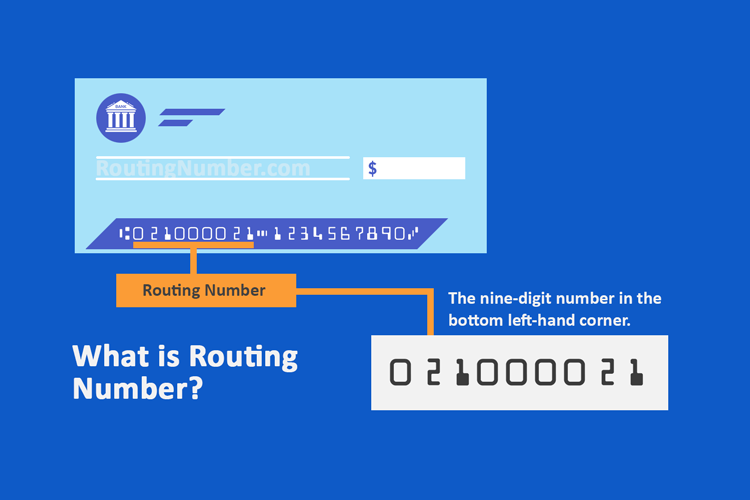
The most traditional and often fastest way to find your routing number is by looking at a physical check associated with your account. At the bottom of every check, you will see a string of numbers printed in a specialized font known as MICR (Magnetic Ink Character Recognition).
- The Leftmost Sequence: This is almost always your nine-digit routing number. It is typically flanked by a specific symbol.
- The Middle Sequence: This is usually your account number.
- The Rightmost Sequence: This is the check number.
If you do not have a checkbook, many banks allow you to print a “voided check” or a “direct deposit form” from their website, which will display these numbers in the same format.
Accessing Digital Portals and Mobile Banking Apps
In the age of fintech, most banking is done via smartphone. To find your routing number digitally:
- Log in to your mobile app: Navigate to the “Account Details” or “Settings” section.
- Look for “Account Info”: Most banks list the routing number and account number under a “Show Details” toggle.
- Check your e-Statements: Download a PDF of your most recent monthly statement. The routing number is typically printed in the header or footer alongside the bank’s official address.
Official Bank Websites and Search Tools
If you are away from your computer and don’t have your app handy, you can often find a bank’s routing number on their public website. Most national banks have a dedicated page for “Routing Numbers.” However, a word of caution: large institutions like Chase, Bank of America, or Wells Fargo may have different routing numbers based on the state where you opened your account or the type of transaction (ACH vs. Wire). Always ensure you are looking at the number specific to your region.
When and Why You Need Your Routing Number

Your routing number is the key that unlocks various financial tools and services. Knowing when to use it—and which version to use—is critical for managing your cash flow.
Setting Up Direct Deposits and Automated Payments
For most employees, the first time they encounter the need for a routing number is when filling out a Form W-4 or a direct deposit authorization. By providing your routing and account numbers to your employer, you enable the Automated Clearing House (ACH) network to move funds directly into your balance. Similarly, when you set up “Auto-Pay” for utilities, credit cards, or a mortgage, you are using these numbers to authorize an electronic pull of funds.
Executing Domestic Wire Transfers
It is a common misconception that ACH routing numbers and Wire routing numbers are the same. While they often are, many larger banks use a separate, dedicated routing number specifically for domestic wire transfers. Wire transfers are “real-time” settlements used for high-value transactions, such as a down payment on a home. Using an ACH routing number for a wire transfer can result in the transaction being rejected or, worse, delayed during a time-sensitive closing. Always verify with your bank if they require a specific Wire Transfer Routing Number.
Filing Taxes and Receiving Refunds
When filing your annual tax returns with the IRS, you have the option to receive your refund via direct deposit. This is significantly faster than waiting for a paper check in the mail. To do this, you must provide your routing number. If you owe money, you will also use this number to authorize an electronic payment from your bank account to the Treasury.
Security Considerations and Financial Safety
In the realm of personal finance, security is paramount. Because routing numbers are often found on the bottom of every check you write, many wonder if sharing this number poses a risk to their wealth.
Is Sharing Your Routing Number Safe?
Generally, yes. A routing number alone cannot be used to withdraw money from your account. It is essentially a public address. However, when combined with your account number, a malicious actor could theoretically initiate unauthorized ACH withdrawals. This is why financial experts recommend monitoring your accounts daily and using tools like “Positive Pay” for business accounts or “Transaction Alerts” for personal accounts to catch any unauthorized activity immediately.
Identifying Potential Scams and Fraud
Be wary of any unsolicited email or phone call asking for your routing and account numbers. Legitimate institutions like the IRS or your bank will never call you to “verify” these numbers over the phone. Scammers often use “Phishing” techniques to gather this data to create fraudulent checks or initiate unauthorized debits. Always input this information only into secure, encrypted portals that you have accessed independently.
Common Challenges and Troubleshooting
Even with the right information, navigating banking identifiers can occasionally present hurdles. Understanding these nuances can prevent failed transactions and administrative headaches.
Banks with Multiple Routing Numbers
As mentioned previously, regionality plays a massive role in banking. If you opened an account in New York but have since moved to California, your routing number remains tied to the New York branch system. If you use a search engine to find “Citibank Routing Number,” you might find a dozen different results. To ensure accuracy, always log in to your specific account portal rather than relying on a general internet search.
Mergers, Acquisitions, and Changing Numbers
The banking industry is in a constant state of consolidation. When a smaller regional bank is acquired by a larger national brand, the routing numbers eventually change. Usually, there is a “grandfathering” period where the old routing number will still work for 12 to 24 months. However, if you ignore the bank’s notices to update your direct deposit information, you may eventually find that your paycheck bounces or your mortgage payment fails to process. Staying proactive during a bank merger is essential for maintaining financial continuity.
Conclusion
The routing number is more than just a string of digits; it is a vital component of your financial identity. Whether you find it on a paper check, through a mobile app, or on a bank statement, this nine-digit code enables the seamless movement of wealth that defines the modern economy. By mastering where to find this number and understanding its specific applications—from ACH transfers to wire settlements—you position yourself as a savvy manager of your own financial destiny. In the world of money, precision is power; knowing your routing number is the first step toward total financial control.
aViewFromTheCave is a participant in the Amazon Services LLC Associates Program, an affiliate advertising program designed to provide a means for sites to earn advertising fees by advertising and linking to Amazon.com. Amazon, the Amazon logo, AmazonSupply, and the AmazonSupply logo are trademarks of Amazon.com, Inc. or its affiliates. As an Amazon Associate we earn affiliate commissions from qualifying purchases.