
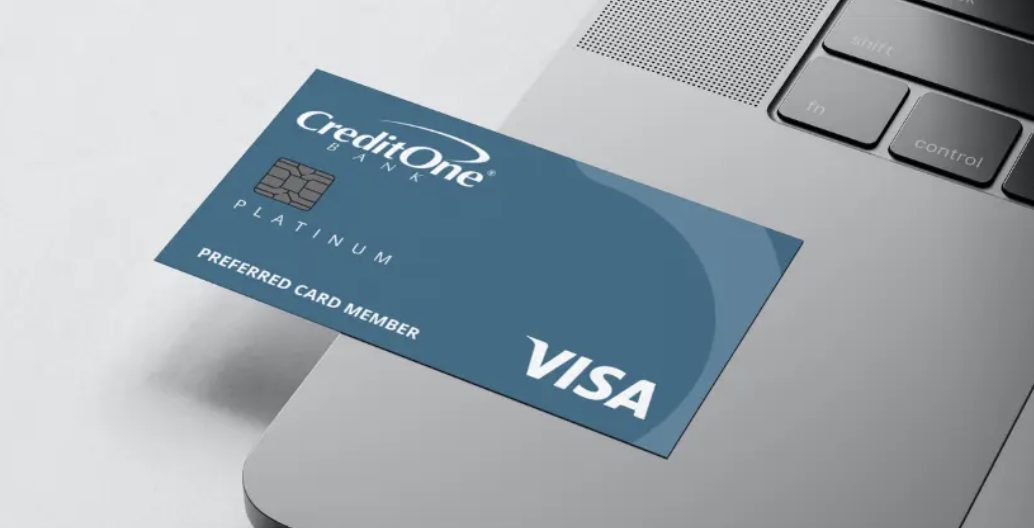
Managing your credit portfolio is a dynamic process that evolves as your financial health improves. For many, a Credit One credit card serves as a vital stepping stone—a tool designed specifically for those looking to build or rebuild their credit profiles. However, as your credit score climbs and you become eligible for cards with lower interest rates, better rewards, and fewer fees, the time eventually comes to move on.
Canceling a credit card is more than just a simple phone call; it is a strategic financial move that requires careful planning to ensure your credit score remains protected. In this guide, we will explore the nuances of closing a Credit One account, the potential impact on your personal finances, and the step-by-step process to ensure a clean break.

Understanding the Financial Implications of Canceling Your Card
Before you pick up the phone to speak with a representative, it is crucial to understand how closing an account affects your overall financial standing. While eliminating a high-fee card is often a smart move, it does not come without consequences for your credit report.
The Impact on Your Credit Utilization Ratio
One of the most significant factors in your credit score is your credit utilization ratio—the amount of credit you are using compared to your total available credit limit. When you close a Credit One card, you are effectively reducing your total available credit. If you carry balances on other cards, your utilization percentage will spike, which can lead to a temporary dip in your credit score. Financial experts generally recommend keeping your utilization below 30% across all accounts.
Length of Credit History and Account Age
The age of your accounts accounts for roughly 15% of your FICO score. If your Credit One card is one of your oldest accounts, closing it could eventually decrease the average age of your credit history. While closed accounts in good standing stay on your report for ten years, the loss of that “active” history can eventually impact your score. It is important to weigh the cost of the annual fee against the benefit of the account’s age.
When Canceling is the Right Financial Move
Despite the potential for a minor credit score dip, canceling a Credit One card is often a sound decision if the card’s maintenance fees outweigh its benefits. Many Credit One products come with monthly or annual fees that can drain your budget. If you have graduated to a “prime” credit card with no annual fee and better rewards, paying to keep an old subprime card open is rarely justifiable.
The Pre-Cancellation Checklist: Preparing Your Account
A successful cancellation requires a proactive approach. You do not want to leave any loose ends that could lead to unexpected fees or damage to your credit report after the account is supposedly closed.
Paying Off the Statement Balance
You cannot fully close a credit card account if there is a pending balance. Ideally, you should pay the balance in full and wait for the transaction to clear. Be mindful of “trailing interest”—interest that accrues between the time your statement is issued and the time your payment is received. It is often wise to call the issuer to get a “payoff amount” to ensure your balance is exactly zero.
Redemptions and Pending Rewards
Credit One cards often feature cash-back rewards. Before you initiate the cancellation, check your rewards portal. Most credit card issuers stipulate that rewards are forfeited the moment an account is closed. If you have accumulated cash back, redeem it for a statement credit or a check before you say goodbye. Leaving money on the table is an unnecessary financial loss.
Managing Automated Payments and Subscriptions
In our digital economy, many of us have “set it and forget it” subscriptions tied to our credit cards. Audit your recent statements for streaming services, gym memberships, or insurance premiums. Ensure you transition these payments to a different card at least one billing cycle before canceling the Credit One card to avoid service interruptions or late fees on those accounts.

Step-by-Step Guide to Formally Closing Your Account
Credit One, like many issuers in the subprime space, may make the cancellation process a bit more involved than a simple click of a button. You should be prepared for “retention” pitches and stay firm in your decision.
Contacting Customer Service via Phone
The most direct way to cancel is by calling the Credit One customer service department. When you call, navigate the automated menu to reach a representative. Be polite but firm. State clearly: “I am calling to close my account effective immediately.” The representative may offer to lower your interest rate or waive an annual fee to keep you as a customer. If your goal is to simplify your finances, decline these offers and request a confirmation number for the cancellation.
Sending a Written Cancellation Letter
While a phone call is usually sufficient, sending a written letter via certified mail provides a paper trail that can be invaluable if a dispute arises later. Your letter should include your name, address, and account number, along with a formal request to close the account. Explicitly state that you want the account reported to the credit bureaus as “closed at the consumer’s request.” This prevents any ambiguity regarding who initiated the closure.
Confirming the Account Status and Final Statement
After the phone call or the mailing of your letter, the process isn’t over. Keep an eye on your mail or online portal for one last statement. This final statement should show a zero balance and a status indicating the account is closed. Check your credit report about 30 to 45 days after cancellation to ensure the bureaus have updated the account status correctly.
Exploring Alternatives to Full Cancellation
Sometimes, the best move for your credit score isn’t necessarily closing the account, but rather changing how you manage it. If you are worried about the impact on your credit age or utilization, consider these alternatives.
Requesting a Product Change or Fee Waiver
If your primary reason for leaving is a high annual fee, you can ask Credit One if they have a “no-fee” version of the card. This is known as a product change. By switching to a card with no annual fee, you can keep the account open, preserve your credit history, and eliminate the recurring cost. Similarly, you can ask for a one-time fee waiver if you have been a loyal customer with an on-time payment history.
The “Sock Drawer” Strategy
If the card has no annual fee but you simply don’t want to use it anymore, you don’t actually have to cancel it. You can simply pay it off, stop using it, and put it in a safe place (the “sock drawer”). This keeps your total available credit high and your credit age increasing. To prevent the issuer from closing the account due to inactivity, you might consider putting one small, recurring charge (like a $5 subscription) on the card and setting up autopay.
Evaluating the Opportunity Cost
In personal finance, every decision has an opportunity cost. By keeping a subprime card open, you are using a “slot” in your credit portfolio that might be better occupied by a high-yield rewards card. However, if you are planning to apply for a major loan, such as a mortgage or auto loan, within the next six months, it is generally safer to leave all accounts as they are. The stability of your credit report is more important than avoiding a small annual fee during a major lending window.
Final Thoughts on Financial Evolution
Canceling a Credit One credit card is often a rite of passage for those who have successfully navigated the journey from “credit-challenged” to “credit-worthy.” It marks the transition into a more sophisticated stage of personal finance where you are no longer paying for the privilege of building credit, but rather being rewarded for your financial discipline.
By following a structured approach—paying off balances, redeeming rewards, and confirming the closure in writing—you ensure that this transition helps rather than hurts your financial future. Remember that a credit score is a tool, not a trophy; its purpose is to grant you access to better financial opportunities. If closing an old, high-fee account simplifies your life and clears the path for better financial tools, it is a move well worth making. Stay diligent, monitor your reports, and continue to prioritize the habits that built your credit in the first place.
aViewFromTheCave is a participant in the Amazon Services LLC Associates Program, an affiliate advertising program designed to provide a means for sites to earn advertising fees by advertising and linking to Amazon.com. Amazon, the Amazon logo, AmazonSupply, and the AmazonSupply logo are trademarks of Amazon.com, Inc. or its affiliates. As an Amazon Associate we earn affiliate commissions from qualifying purchases.