
The financial landscape has undergone a seismic shift over the last decade, transitioning from traditional brick-and-mortar banking to a streamlined, digital-first ecosystem. At the forefront of this revolution is Cash App, a platform that has successfully bridged the gap between conventional fiat currency and the burgeoning world of cryptocurrency. For the modern investor or casual user, understanding how to navigate this intersection is no longer a niche skill—it is a fundamental component of contemporary financial literacy.
As Bitcoin continues to gain institutional acceptance and retail utility, the ability to move this digital asset efficiently and securely is paramount. This guide provides an in-depth exploration of the mechanics, strategic advantages, and security protocols involved in sending Bitcoin via Cash App, positioning it within the broader context of personal finance and digital asset management.
The Role of Cash App in Modern Personal Finance
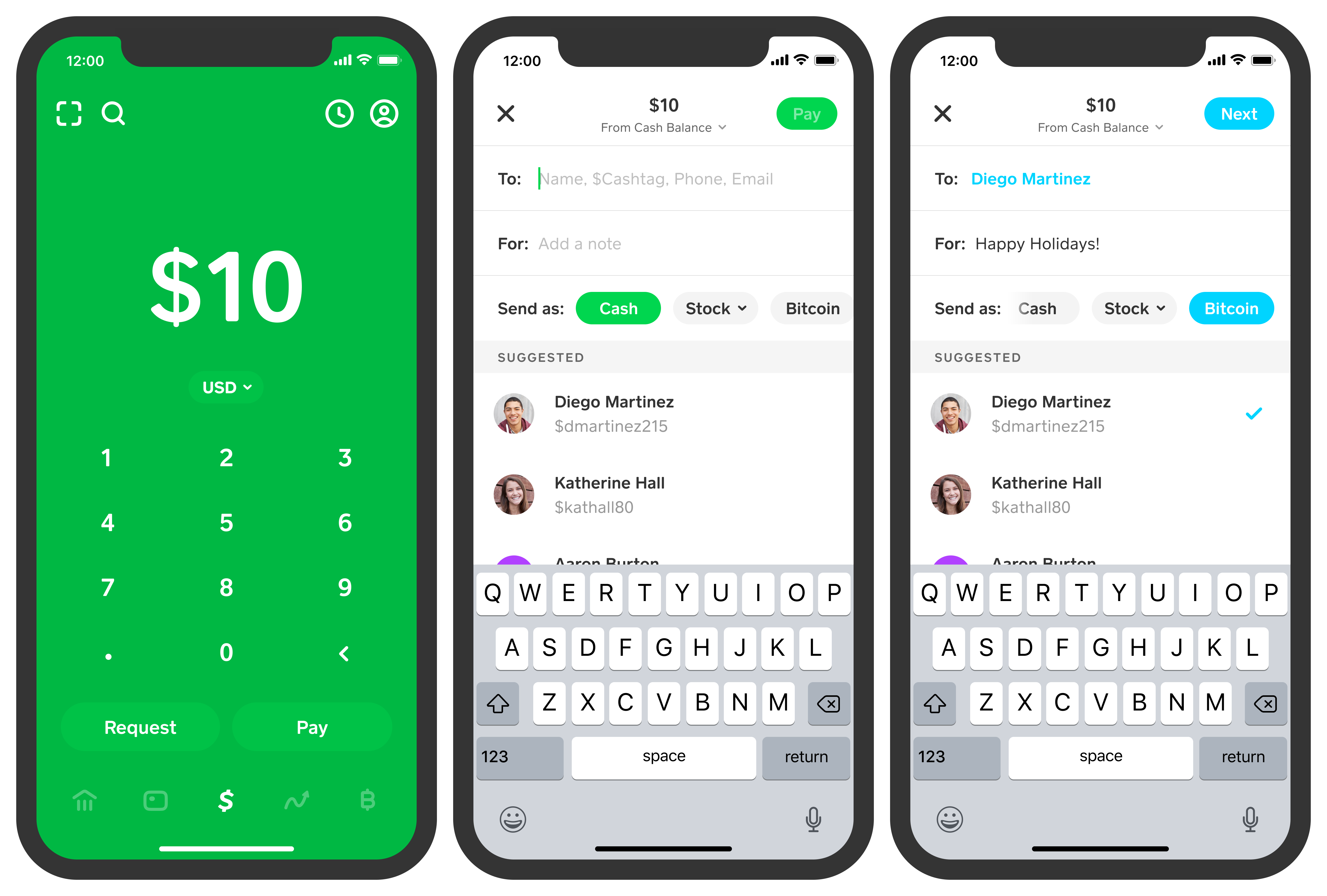
Before diving into the technical steps, it is essential to understand why Cash App has become a preferred vehicle for Bitcoin transactions. Originally launched as a peer-to-peer (P2P) payment service for fiat currency, Cash App (owned by Block, Inc.) recognized early on that Bitcoin represented the future of “internet money.” By integrating Bitcoin services directly into a user-friendly interface, they democratized access to an asset class that was previously gated by complex exchanges and technical barriers.
In the niche of personal finance, Cash App serves as a “financial super-app.” It allows users to receive a paycheck, invest in stocks, and manage Bitcoin all in one place. This integration simplifies the “on-ramp” process—the act of converting sovereign currency (USD) into digital assets. For many, the ability to send Bitcoin is not just about the transaction itself, but about utilizing a borderless, permissionless financial system that operates 24/7, independent of traditional banking hours.
The Significance of Peer-to-Peer Transfers
Sending Bitcoin via Cash App is fundamentally a P2P action. Unlike a traditional bank wire, which requires intermediaries, multiple days for clearing, and heavy fees, a Bitcoin transfer is a direct communication between two points on the blockchain. For users, this means lower costs for international transfers and immediate settlement once the network confirms the block.
Executing the Transfer: A Step-by-Step Financial Protocol
Sending Bitcoin is a high-stakes financial activity. Unlike a credit card transaction, Bitcoin transfers are irreversible. Therefore, precision is the hallmark of a successful sender. To begin sending Bitcoin on Cash App, you must first ensure your account is fully verified, a process known in the financial industry as KYC (Know Your Customer).
Step 1: Verification and Initial Setup
Before the “Send” button becomes functional for Bitcoin, Cash App requires users to confirm their identity. This is a regulatory requirement designed to prevent money laundering and fraud.
- Documentation: You will typically need to provide a government-issued ID and a clear “selfie” to match your identity.
- Approval Time: Once submitted, verification can take anywhere from a few minutes to several days. From a financial management perspective, it is wise to complete this step long before you intend to make an urgent payment.
Step 2: Accessing the Bitcoin Tab
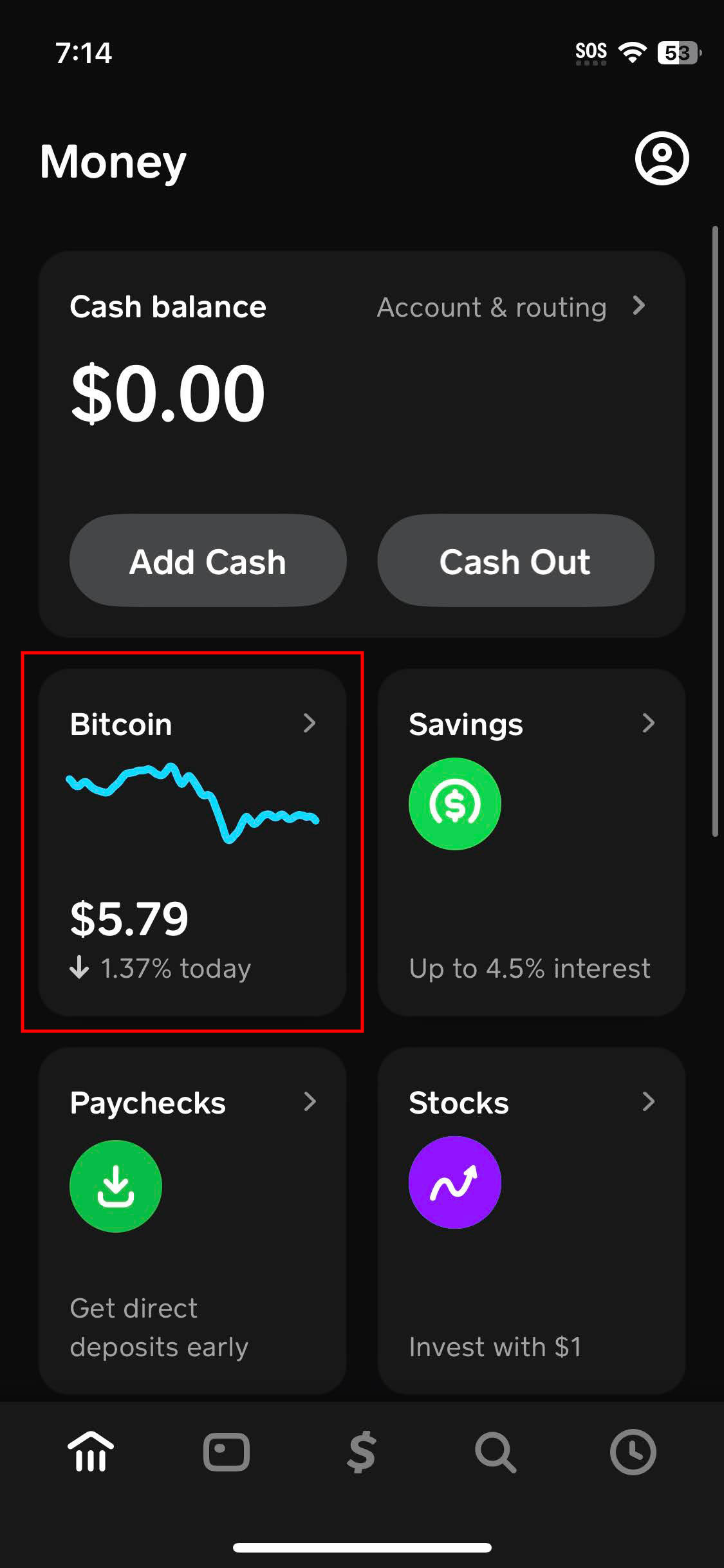
Once verified, navigate to the “Money” tab (indicated by a dollar sign or your balance) and select the Bitcoin tile. This interface provides a real-time view of your holdings, the current market price, and your historical transaction data. To initiate a transfer, tap the “Send” arrow (often shaped like a paper plane).
Step 3: Entering the Recipient’s Details
This is the most critical phase of the process. You have two primary methods for identifying the recipient:
- QR Code Scanner: By far the safest method. By tapping the QR icon, you can scan the recipient’s wallet address directly, eliminating the risk of “fat-finger” typing errors.
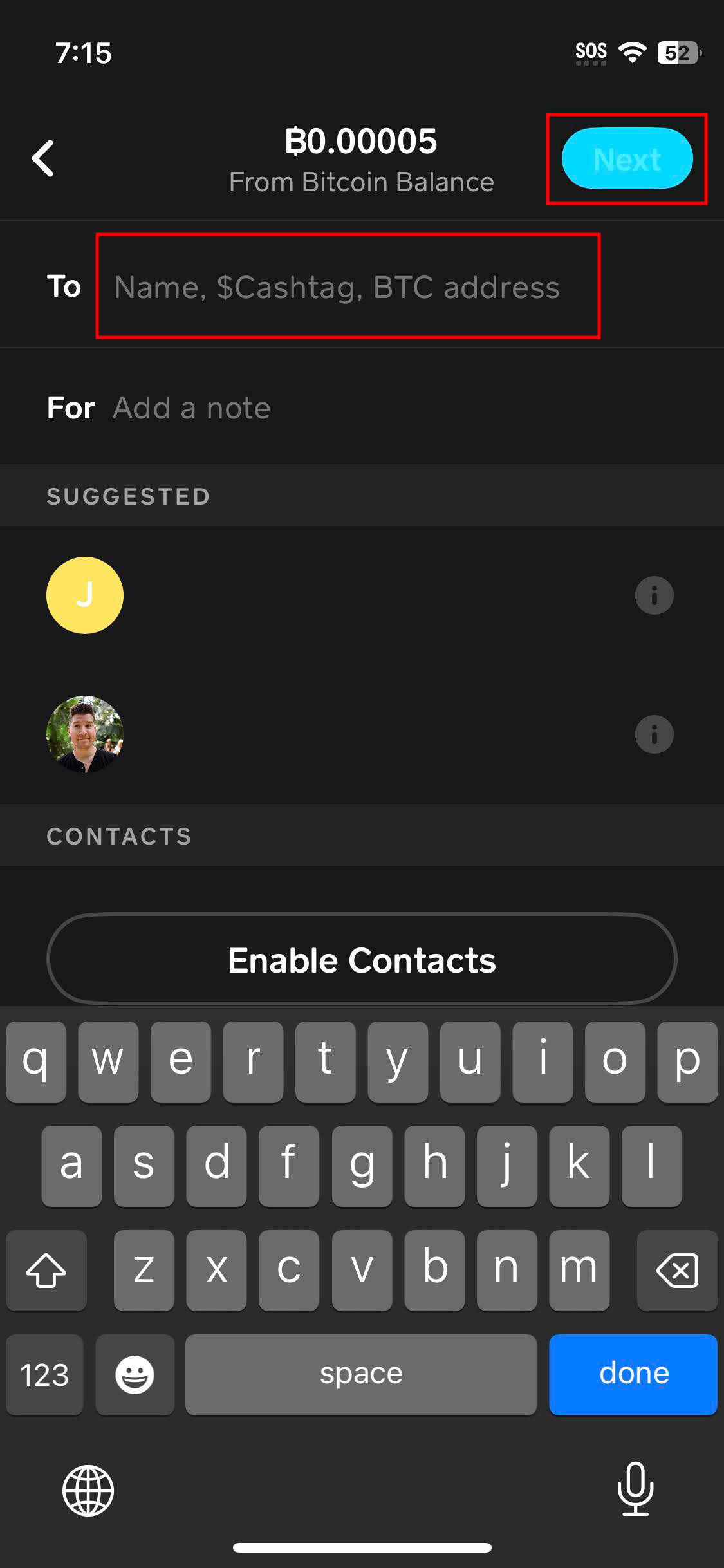
- Wallet Address Entry: If you are sending to a remote recipient, you will need to paste their alphanumeric wallet address. In the world of digital finance, always “Double-Check the First and Last Four.” Verify the first four characters and the last four characters of the address against the source to ensure no malware has intercepted your clipboard.
Step 4: Selecting the Amount and Network Speed
Cash App allows you to toggle between entering the amount in USD or Bitcoin (Sats). For precise financial planning, entering the exact USD amount you wish to settle is often more intuitive for beginners. After entering the amount, you will be prompted to select a withdrawal speed, which directly impacts the transaction fee.
Understanding Network Fees and Speed Options
In personal finance, every cent matters. When sending Bitcoin, you are essentially paying for “block space.” The Bitcoin network can only process a certain number of transactions every ten minutes, and users bid against each other to get their transaction included in the next block.
Priority vs. Standard vs. Rush
Cash App typically offers three tiers of delivery:
- Priority: This is the most expensive option. It aims for confirmation within 10 minutes. Use this for time-sensitive business transactions or when paying for services that require immediate settlement.
- Rush: A middle-ground option, usually aiming for a two-hour confirmation window.
- Standard: Often free (depending on the amount), this option aggregates your transaction with others and may take up to 24 hours. For long-term portfolio management—such as moving your Bitcoin from Cash App to a private “cold storage” wallet—this is the most cost-effective choice.
The Lightning Network Advantage
One of Cash App’s most significant technological and financial advantages is its integration with the Lightning Network. This is a “Layer 2” protocol that sits on top of the main Bitcoin blockchain. Transfers sent via Lightning are nearly instantaneous and often carry zero or negligible fees. If your recipient’s wallet supports Lightning, it is the superior financial choice for small-to-medium payments.
Security Best Practices and Asset Protection
When you act as your own bank, security becomes your primary responsibility. The convenience of sending Bitcoin on Cash App must be balanced with rigorous protective measures.
Guarding Against Common Scams
In the niche of digital finance, social engineering is a rampant threat. Scammers often pose as “Cash App Support” or “Investment Gurus” on social media, asking users to send Bitcoin to a specific address with the promise of doubling their money.
- Rule of Thumb: Any transaction you initiate is final. Never send Bitcoin to someone you do not know personally or to a business you have not thoroughly vetted. Cash App will never ask you to send Bitcoin to “verify” your account.
Two-Factor Authentication (2FA)
Your Cash App should be protected by more than just a simple PIN. Enabling 2FA—specifically using an app-based authenticator like Google Authenticator or Authy—adds a vital layer of defense. In the event your phone is stolen or your password is compromised, the secondary code ensures your Bitcoin remains stationary.
The Transition to Self-Custody
From a strategic financial standpoint, it is important to distinguish between “holding” and “sending.” While Cash App is an excellent tool for transacting, many financial experts recommend moving significant amounts of Bitcoin to a private hardware wallet. Sending Bitcoin from Cash App to your own private keys is a hallmark move of a sophisticated investor who understands the principle of “Not your keys, not your coins.”
Tax Implications and Financial Reporting
Finally, any discussion of Bitcoin and money must address the regulatory and tax environment. In many jurisdictions, including the United States, Bitcoin is treated as property by tax authorities (such as the IRS).
Capital Gains and Losses
When you send Bitcoin on Cash App to pay for a good or service, it is considered a “disposition” of an asset. If the Bitcoin you are sending is worth more than when you originally purchased it, you may owe capital gains tax on that difference.
- Record Keeping: Cash App provides monthly statements and a yearly tax document. It is essential for your financial health to download these records annually.
Transaction Limits
Cash App imposes limits on how much Bitcoin you can send per week. For most users, this limit is $2,500 per week for sending and $10,000 per week for receiving. These limits are in place to manage the platform’s liquidity and comply with federal financial regulations. If you are planning a large-scale financial move, you must account for these caps in your timeline.
Conclusion: The Future of Frictionless Value
Sending Bitcoin on Cash App represents the intersection of sophisticated technology and practical personal finance. By following the protocols of verification, double-checking addresses, and selecting the appropriate network speeds, users can move value across the globe with a level of autonomy that was previously unimaginable.
As you integrate Bitcoin into your financial toolkit, remember that the speed and ease of Cash App come with the responsibility of diligence. Treat every Bitcoin transfer with the same gravity as a high-value wire transfer. With the right security habits and an understanding of the underlying costs, you can navigate the digital asset landscape with confidence, turning a complex technological process into a seamless financial habit.
aViewFromTheCave is a participant in the Amazon Services LLC Associates Program, an affiliate advertising program designed to provide a means for sites to earn advertising fees by advertising and linking to Amazon.com. Amazon, the Amazon logo, AmazonSupply, and the AmazonSupply logo are trademarks of Amazon.com, Inc. or its affiliates. As an Amazon Associate we earn affiliate commissions from qualifying purchases.