
Dak Prescott, the star quarterback for the Dallas Cowboys, is a figure who evokes strong emotions and opinions. While his on-field performance is often the subject of intense scrutiny, the narrative surrounding him extends far beyond touchdowns and interceptions. From a brand perspective, Dak Prescott represents a multifaceted entity, and understanding “what’s wrong” requires examining the interplay of his personal brand, his marketability, and the inherent pressures of being the face of one of the most iconic franchises in professional sports. This article delves into the brand challenges and perceptions that have shaped the public’s view of Dak Prescott, exploring how misaligned expectations, strategic missteps, and the relentless spotlight can tarnish even the brightest stars.
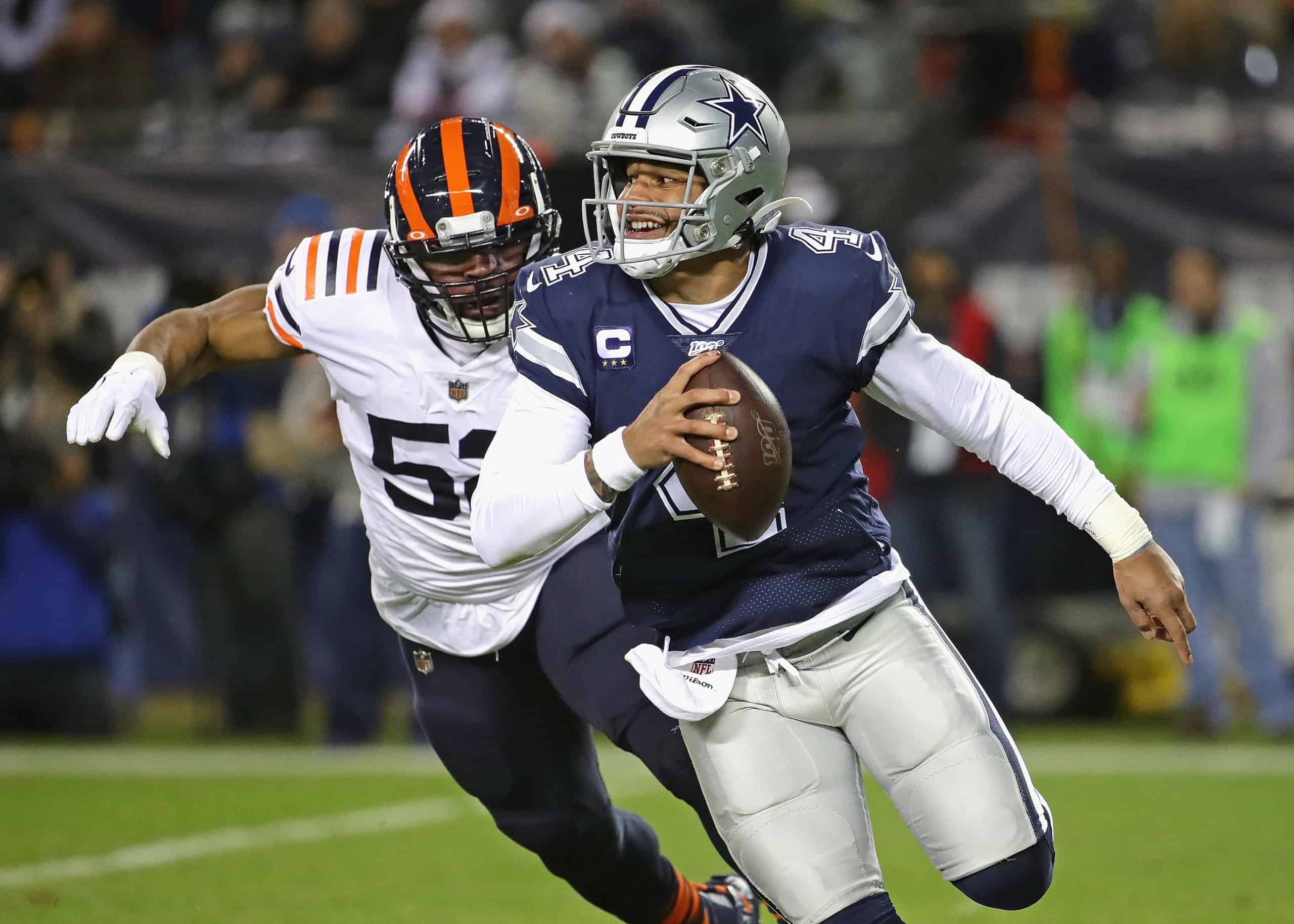
The Perils of Hyper-Branding: Building Expectations Beyond the Field
The Dallas Cowboys, often dubbed “America’s Team,” possess a brand synonymous with success, glamour, and, historically, championship pedigree. When Dak Prescott took the helm, he was not just inheriting a quarterback position; he was stepping into a powerful brand ecosystem. The expectation, both from the franchise and its vast fanbase, was for him to embody and elevate this brand. However, the journey has been marked by a tension between the raw talent and the polished brand image being cultivated.
The “Golden Boy” Narrative and the Weight of Legacy
From his initial improbable rise as a fourth-round draft pick to a Pro Bowl quarterback, Prescott was quickly positioned as the future of the Cowboys. This narrative, fueled by his charismatic personality and perceived leadership qualities, began to overshadow the more nuanced realities of his development and the team’s performance. The “golden boy” image, while attractive from a marketing standpoint, set an exceptionally high bar. When the team faltered in crucial moments, or when Prescott himself experienced slumps, the contrast between the idealized brand and the tangible results created a dissonance. This created an environment where criticism often felt less about on-field execution and more about a perceived failure to live up to an almost mythical brand expectation.
Inconsistent Play and the Erosion of Brand Equity
A brand’s strength is intrinsically linked to its ability to deliver on its promises. For Dak Prescott, the brand promise has evolved. Initially, it was about potential and resilience. As his career has progressed, it has become tied to consistent, high-level performance, particularly in the playoffs. The Cowboys’ enduring struggles in the postseason under Prescott have become a significant drag on his personal brand’s equity and, by extension, the Cowboys’ brand as a whole. This isn’t to say he hasn’t had individual successes, but the overarching narrative has become one of falling short when it matters most. This inconsistency makes it difficult for fans and media to solidify a clear, unwavering brand identity for Prescott – one that confidently proclaims him as a champion quarterback. The brand becomes fragmented, oscillating between flashes of brilliance and moments of perceived underperformance.
The Contract Saga: A Brand Valuation Debate
The protracted contract negotiations that have defined significant portions of Prescott’s career have also played a crucial role in shaping his brand narrative. The sheer magnitude of the financial figures involved often overshadows the football discussion. From a brand perspective, these negotiations become a public valuation of his market worth. When these discussions drag on, they can create an impression of disunity or a focus on finances over team success, which can be detrimental to a quarterback’s brand as a true leader. Furthermore, the constant media attention on the contract can detract from the narrative of on-field performance, making it difficult for Prescott’s brand to be solely defined by his athletic achievements. The brand becomes entangled with business dealings, blurring the lines between player and commodity.
The Media Machine: Amplifying Strengths and Exaggerating Weaknesses
Dak Prescott operates under the most intense media microscope in professional sports. The Dallas Cowboys’ national appeal ensures that every decision, every throw, and every stumble is dissected and debated across countless platforms. This relentless scrutiny, while an inherent part of the job, presents unique brand management challenges.
The Narrative Control Dilemma
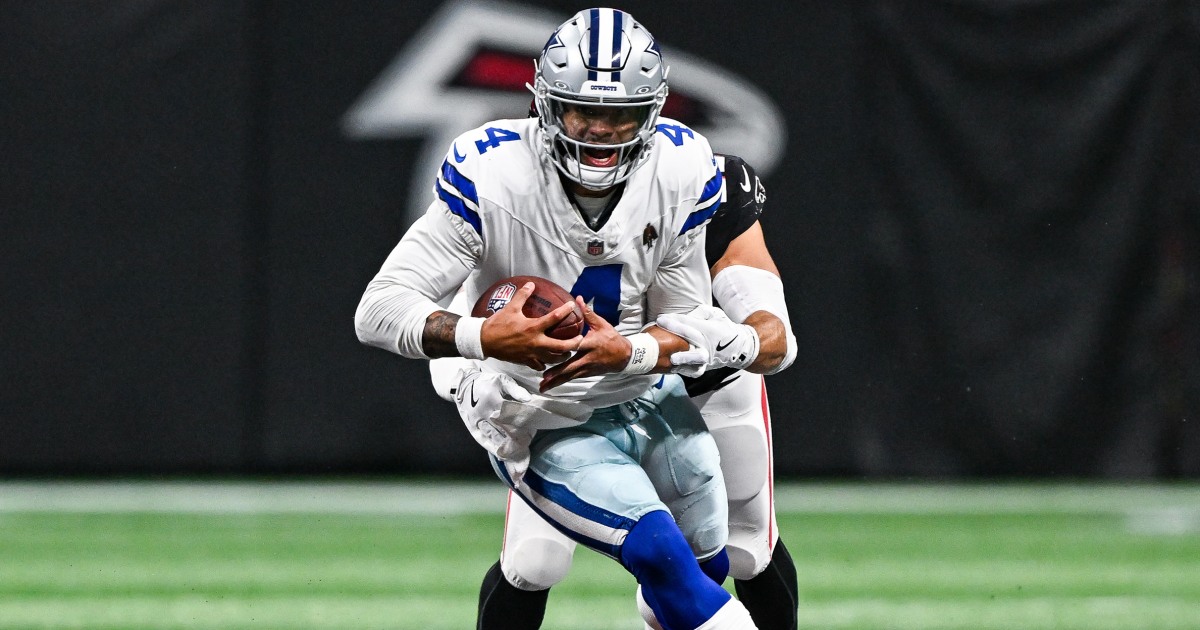
In the digital age, narratives are constructed and amplified with unprecedented speed. For a public figure like Prescott, controlling his own narrative is a constant battle. The media, driven by engagement and often sensationalism, can easily spin his performances, both good and bad, in ways that might not align with his intended personal brand. For example, a crucial interception might be framed as a career-defining failure, while a brilliant comeback might be dismissed as a fluke. This lack of consistent narrative control makes it challenging to build a cohesive and positive brand identity. The brand is constantly being shaped by external forces, often with a sensationalist bent.
The Double-Edged Sword of Endorsements
Prescott’s marketability is undeniable. His affable personality and status as the Cowboys’ quarterback have landed him lucrative endorsement deals with major brands. These partnerships are a vital component of his brand equity, projecting an image of success, trustworthiness, and mainstream appeal. However, this reliance on endorsements can also be a double-edged sword. When his on-field performance falters, or when controversies arise, the brands associated with him can become a point of criticism. The association between a struggling athlete and a premium brand can create a perception of declining value, impacting both his personal brand and the brands he represents. The “what’s wrong” question then extends to the brands themselves, as they are perceived to be aligning with a less-than-ideal product.
The Spectacle of Social Media
Social media has further complicated the brand landscape for athletes. While it offers a direct channel for communication, it also opens the door to unvarnished criticism and the amplification of negativity. Prescott, like many athletes, navigates this space carefully. However, the sheer volume of commentary can be overwhelming, and any perceived misstep or unpopular opinion can quickly escalate into a brand crisis. The line between authentic connection and public relations performance can become blurred, and misjudgments in this arena can have significant brand repercussions. The “what’s wrong” can quickly become a trending topic, fueled by unfiltered public opinion.
The Unrealistic Expectations of the Cowboys Brand
The brand of the Dallas Cowboys is steeped in a history of Super Bowl victories and legendary quarterbacks. This legacy creates an almost insurmountable benchmark for any signal-caller who follows. For Dak Prescott, the pressure to not only maintain but surpass this storied tradition is immense, and it significantly impacts how his “brand” is perceived.
The Ghost of Quarterbacks Past
The specter of Roger Staubach, Troy Aikman, and even Tony Romo looms large over the Cowboys’ quarterback position. Each of these figures, in their own way, became synonymous with the team’s success and a certain level of performance. When Prescott faces criticism, it is often framed against these historical benchmarks. The “what’s wrong” can then translate to a comparison against these larger-than-life figures, creating an unfair and often unattainable standard. The brand of the current quarterback is constantly being measured against the idealized brands of past legends, making it difficult to carve out a unique and positively perceived identity.
The “Super Bowl or Bust” Mentality
The Dallas Cowboys’ brand is inextricably linked to championship aspirations. For years, the mantra has been “Super Bowl or bust.” While this creates a powerful aspirational brand, it also sets the stage for inevitable disappointment if that ultimate goal is not achieved. For Dak Prescott, this “Super Bowl or bust” mentality means that even highly successful regular seasons can be overshadowed by playoff failures. The brand is then characterized by its inability to reach the pinnacle, leading to questions about his leadership and overall effectiveness in the most critical moments. The “what’s wrong” becomes a perennial question, regardless of individual statistics, because the ultimate brand promise of the Cowboys has not been fulfilled under his tenure.
The Franchise’s Strategic Choices
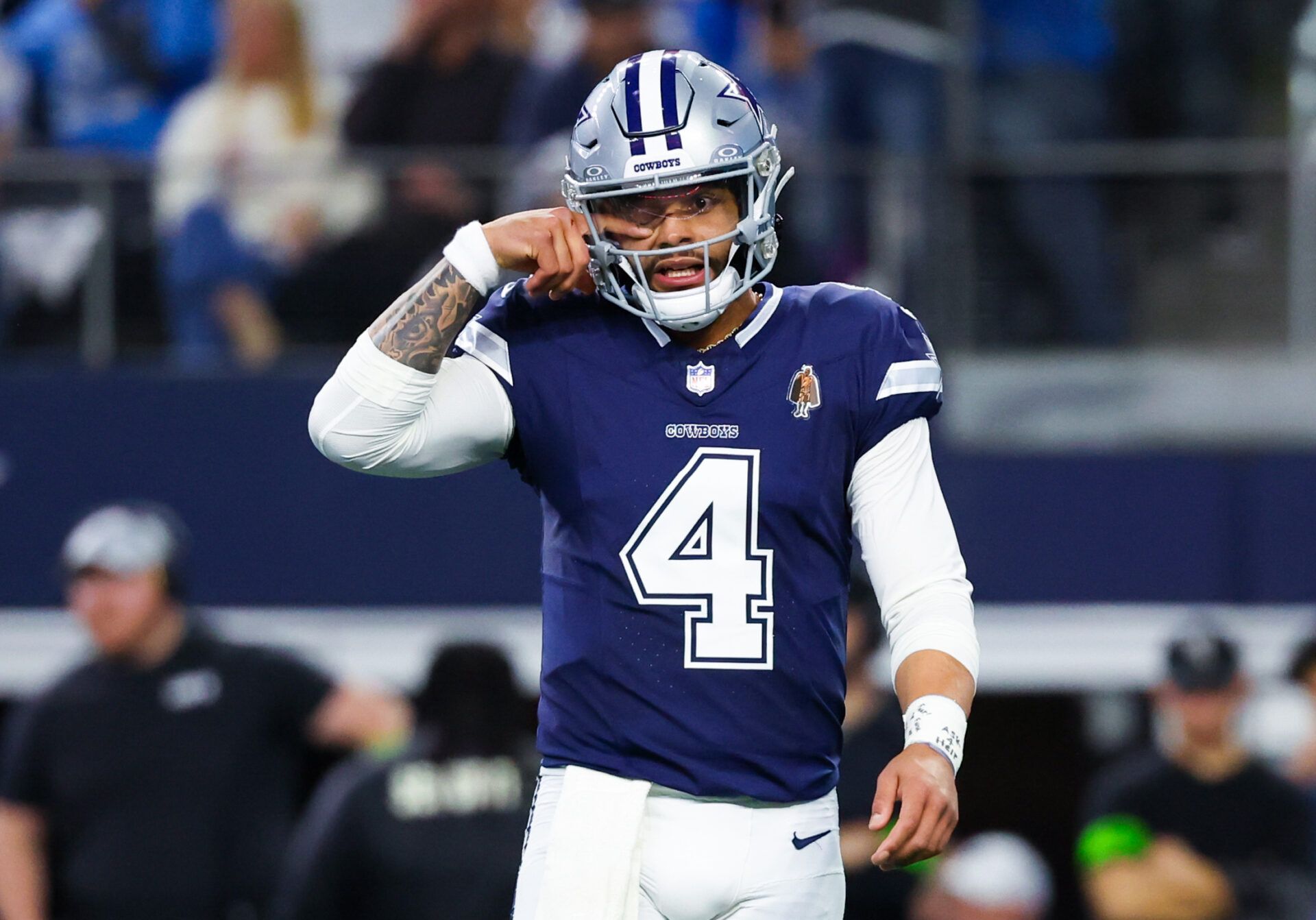
It’s crucial to acknowledge that a quarterback’s brand is not solely a reflection of their individual actions but also of the strategic decisions made by the franchise. The Cowboys’ front office has often been criticized for its personnel decisions, draft misses, and free-agent acquisitions. These organizational shortcomings can directly impact a quarterback’s ability to succeed and, consequently, influence the public’s perception of his brand. When the team around Prescott struggles to provide consistent support or when strategic missteps occur, it can be difficult for his brand to shine independently. The “what’s wrong” can inadvertently become a reflection of the entire organizational brand, but the quarterback, as the most visible player, often bears the brunt of the criticism. The brand of the quarterback is intrinsically linked to the brand of the team, and when the team’s brand is faltering, so too is the player’s.
In conclusion, the question of “what’s wrong with Dak Prescott” from a brand perspective is not about a single, definitive flaw. Instead, it’s a complex interplay of hyper-branding, media amplification, and the immense pressures of representing a legendary franchise. His brand is shaped by the expectations placed upon him, the narratives woven around him, and the inherent challenges of navigating the high-stakes world of professional sports. Understanding these dynamics offers a more nuanced perspective on why a talented quarterback, who has achieved considerable success, can still find his brand under constant scrutiny. The “wrong” often lies not just in his performance, but in the intricate web of perception and expectation that defines his place within the powerful brand of the Dallas Cowboys.
aViewFromTheCave is a participant in the Amazon Services LLC Associates Program, an affiliate advertising program designed to provide a means for sites to earn advertising fees by advertising and linking to Amazon.com. Amazon, the Amazon logo, AmazonSupply, and the AmazonSupply logo are trademarks of Amazon.com, Inc. or its affiliates. As an Amazon Associate we earn affiliate commissions from qualifying purchases.