
Easter Sunday represents a unique anomaly in the modern global economy. While most holidays encourage a surge in consumerism, Easter is one of the few days in the calendar year where the wheels of retail commerce partially grind to a halt. For the savvy consumer, the business owner, and the gig-economy participant, the question of “what is open on Easter Day” is not merely about convenience—it is about understanding market dynamics, supply and demand, and the financial implications of a national slowdown.
The financial impact of Easter is multifaceted. On one hand, it is a period of high expenditure in the weeks leading up to the day; on the other, the day itself is characterized by a significant contraction in the labor market and retail availability. Understanding the economic architecture of this holiday allows for better personal financial planning and the identification of unique income-generating opportunities.

The Retail Paradox: Understanding the Monetary Impact of Holiday Closures
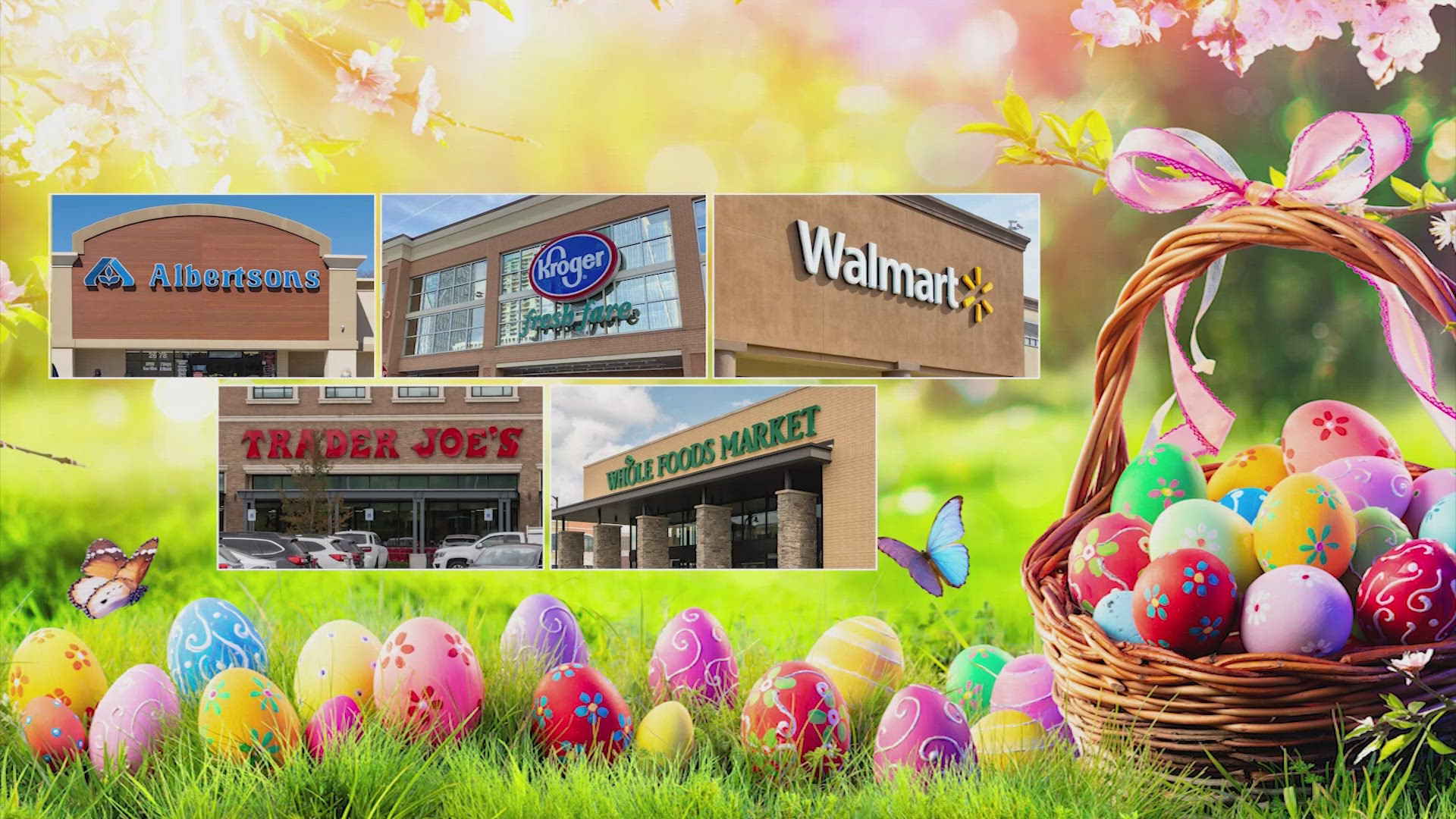
The decision for a major corporation to close its doors on a high-traffic Sunday is never taken lightly. From a purely financial perspective, every hour a store is closed represents a loss of potential revenue and a pause in capital rotation. However, many of the world’s largest retailers, including Target, Costco, and Lowe’s, consistently choose to remain closed on Easter Sunday.
The Cost of Closing: Why Major Retailers Choose Observation over Profit
For massive retail chains, the overhead costs of staying open on a day with traditionally lower foot traffic—due to religious or familial gatherings—can sometimes outweigh the potential profit margins. Furthermore, there is a “human capital” element involved in brand equity. By closing, companies reduce labor costs for a day that might otherwise see high absenteeism and require “holiday pay” premiums in certain jurisdictions.
From a corporate finance standpoint, closing on Easter can be a strategic move to boost employee morale and retention, which reduces long-term costs associated with staff turnover. The loss of a single day’s revenue is often offset by the surge in “stock-up” shopping that occurs on Good Friday and Holy Saturday, effectively front-loading the weekend’s earnings.
Consumer Spending Trends During the Easter Weekend
Despite the closures on Sunday, Easter is a multibillion-dollar economic engine. According to data from the National Retail Federation (NRF), Easter spending in the United States often exceeds $20 billion annually. This expenditure is concentrated in specific sectors: food, clothing, candy, and gifts.
For personal finance enthusiasts, this period requires a strategic approach to budgeting. Prices for seasonal commodities often peak in the ten days preceding the holiday. Those who practice sound financial management often utilize “seasonal arbitrage,” purchasing non-perishables and decorations in the post-holiday clearance sales of the previous year to avoid the inflationary pressures of the current season.
Navigating the Service Sector: Who Stays Open and Why?
While big-box retailers may shut their doors, the service and hospitality sectors operate on a different financial logic. For these businesses, Easter Sunday is not a day of rest, but a day of peak performance. The scarcity of open retail locations creates a localized monopoly for those that remain operational.
Essential Services and the Stability of the Service Economy
Pharmacies and convenience stores, such as CVS, Walgreens, and 7-Eleven, typically remain open. From a business finance perspective, these entities serve as the “lenders of last resort” for consumer goods. When a family realizes they are missing a crucial ingredient or medication on a day when Kroger or Publix is closed, they turn to these essential retailers.
Because these stores remain open when competitors are closed, they can maintain firm pricing and capture a larger share of the local market’s “emergency” spending. This resilience is a hallmark of the defensive investment category; these companies provide essential services that are decoupled from the standard holiday cycle, ensuring a steady stream of cash flow regardless of the calendar.
The Restaurant Industry: Capitalizing on the Holiday Dining Surge
Easter is one of the busiest days of the year for the restaurant industry, specifically for establishments offering brunch and formal dinner service. For many families, the financial trade-off of dining out—paying a premium for service and convenience—outweighs the labor and grocery costs of hosting a large meal at home.
For investors and business owners, this day represents a critical “revenue spike.” Restaurants often implement “prix fixe” menus on Easter, which serves two financial purposes: it simplifies kitchen operations to lower labor costs and guarantees a minimum “per-head” revenue, maximizing the profitability of every seat in the house.

The Gig Economy and Side Hustles: Profiting from Easter Closures
The modern digital economy has changed the answer to “what is open on Easter.” Even if a physical storefront is closed to the public, the digital marketplace remains hyper-active. This creates a significant opportunity for side hustles and gig-economy participants to generate substantial online income.
Last-Minute Delivery Demand: A Peak for On-Demand Services
On Easter Sunday, the demand for delivery services like DoorDash, UberEats, and Instacart often skyrockets. Because fewer drivers choose to work on a holiday, those who do remain active can take advantage of “surge pricing” or “peak pay” incentives.
From a personal finance perspective, working on Easter Sunday is a classic example of leveraging supply and demand. As the supply of labor decreases (drivers staying home) and the demand for convenience increases (families needing last-minute items or restaurant meals), the value of an hour of work increases. For those looking to boost their annual savings or pay down debt, the “opportunity cost” of resting on Easter is high compared to the potential earnings available during these peak hours.
Seasonal Arbitrage: Leveraging Holiday Needs for Extra Income
Beyond the gig economy, Easter presents opportunities for specialized side hustles. Independent contractors often find success in seasonal services such as professional holiday photography or event planning.
Furthermore, the “resale market” sees a significant uptick. Savvy entrepreneurs often purchase high-demand Easter items in bulk weeks in advance and sell them via local marketplaces (like Facebook Marketplace or Craigslist) on the Saturday and Sunday of the holiday when stores are sold out or closed. This form of micro-investing requires low capital but offers high percentage returns for those who accurately predict consumer desperation.
Strategic Financial Planning for Holiday Disruptions
For business owners and individual investors, holiday closures are more than a minor inconvenience; they are a logistical challenge that requires proactive financial management.
Managing Business Cash Flow Around Bank Holidays
One of the most overlooked aspects of Easter Sunday is that it precedes or follows bank holidays in many parts of the world (such as Easter Monday in Europe and Canada). For small business owners, this can lead to “cash flow bottlenecks.”
When banks are closed, ACH transfers, check clearances, and payroll processing can be delayed. A professional financial strategy involves ensuring that liquidity is managed well in advance of the holiday weekend. Business owners must account for the fact that while their digital storefront might be “open,” the traditional financial infrastructure supporting it is “closed.” Ensuring that there is a cash buffer to handle Friday-to-Tuesday operations is a fundamental rule of business finance during the Easter period.
Smart Consumerism: Maximizing Rewards and Savings on Easter Sunday
From a personal finance standpoint, the “open” status of certain retailers provides a chance to maximize credit card rewards and loyalty points. Many credit cards offer “seasonal” categories for increased cashback, often including restaurants or grocery stores during the spring quarter.
By strategically choosing to spend at establishments that are open on Easter—such as pharmacies that sell a wide range of general merchandise—consumers can trigger higher reward tiers that wouldn’t be available at a standard big-box retailer. Additionally, for those who are disciplined with their finances, using Easter Sunday to plan for the “Monday morning market” can be lucrative. Stocks in the retail and hospitality sectors often react to holiday weekend performance data; staying informed on which sectors thrived during the holiday can provide a competitive edge for retail investors looking at the week ahead.
Conclusion
The question of “what is open on Easter Day” is ultimately a question of economic strategy. For the massive corporations that close, it is a calculation of brand value and labor management. For the service industry and gig workers, it is an invitation to capture high-margin revenue in a low-competition environment. And for the consumer, it is a test of financial foresight and planning.
By viewing Easter through the lens of money and finance, we see that a “closed” sign is rarely just a stop in service—it is a shift in the flow of capital. Whether you are avoiding the inflationary surge of holiday shopping, earning “peak pay” on a delivery app, or managing business liquidity through a bank holiday, understanding the financial map of Easter Sunday is essential for anyone looking to master their personal or professional economy.
aViewFromTheCave is a participant in the Amazon Services LLC Associates Program, an affiliate advertising program designed to provide a means for sites to earn advertising fees by advertising and linking to Amazon.com. Amazon, the Amazon logo, AmazonSupply, and the AmazonSupply logo are trademarks of Amazon.com, Inc. or its affiliates. As an Amazon Associate we earn affiliate commissions from qualifying purchases.