
The world of technology relies on a robust and efficient supply chain to bring innovative products from concept to consumer. From the intricate components that power our smartphones to the massive servers that drive cloud computing, the physical movement of goods is a critical, yet often unseen, aspect of the tech industry. Within this complex ecosystem, Less Than Truckload (LTL) shipping plays a vital role, offering a flexible and cost-effective solution for transporting smaller quantities of goods. But what exactly is LTL, and why is it so relevant to the technology sector?
This article delves into the world of LTL shipping, demystifying its core principles and exploring its specific applications and benefits within the unique demands of the tech industry. We will navigate through the mechanics of LTL, its advantages over other shipping methods, and the crucial considerations for technology companies looking to optimize their logistics.
The Fundamentals of Less Than Truckload (LTL) Shipping
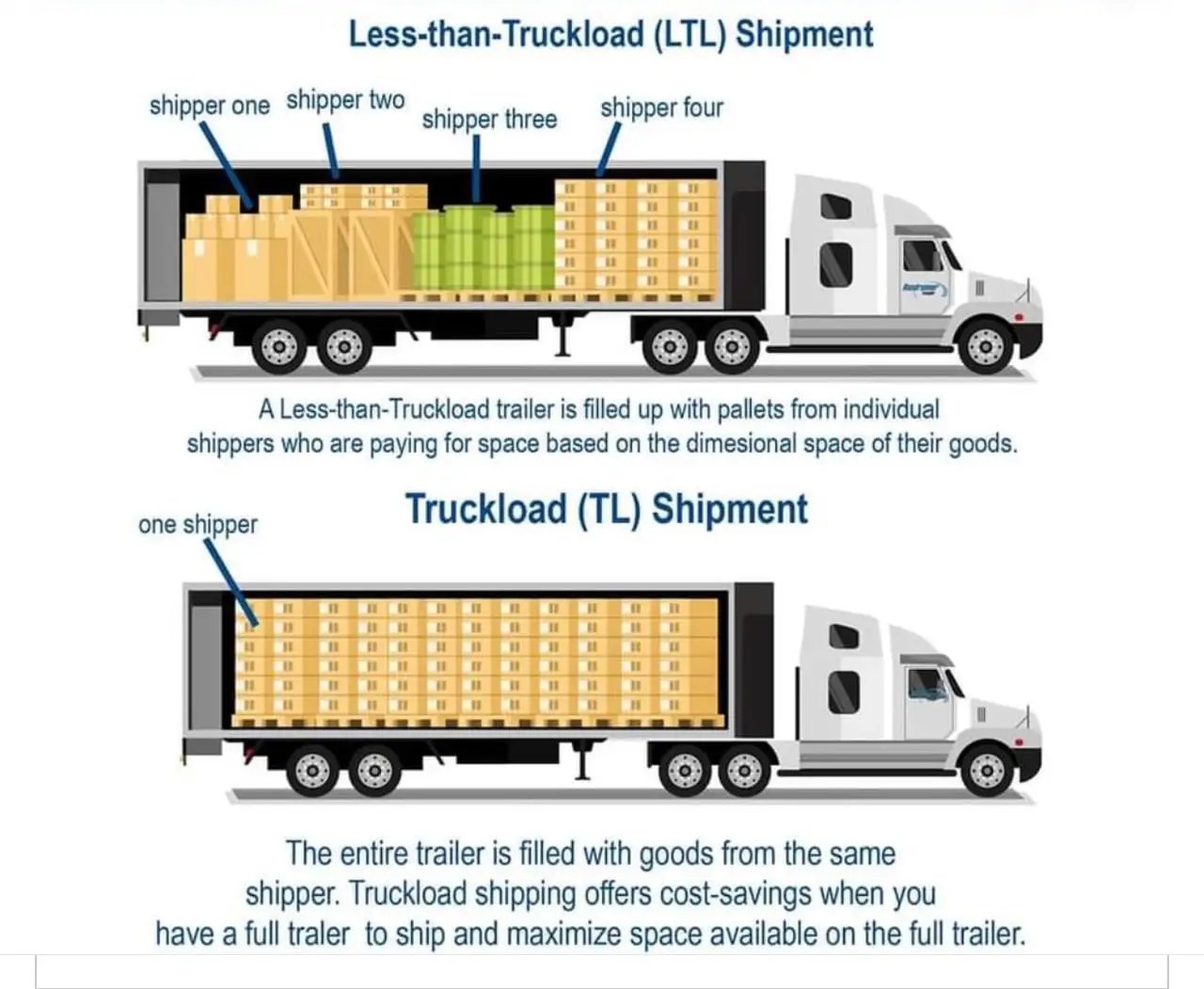
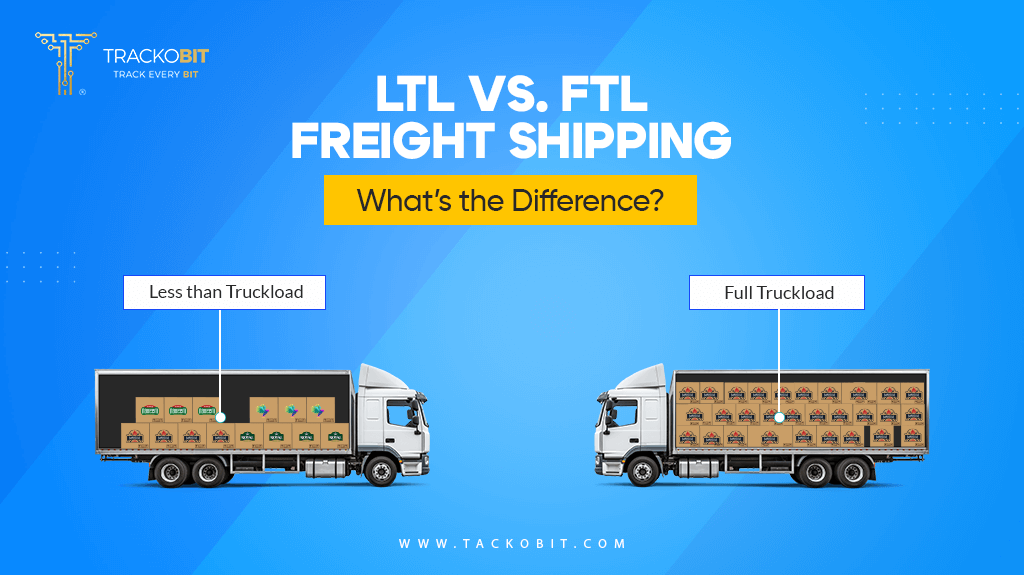
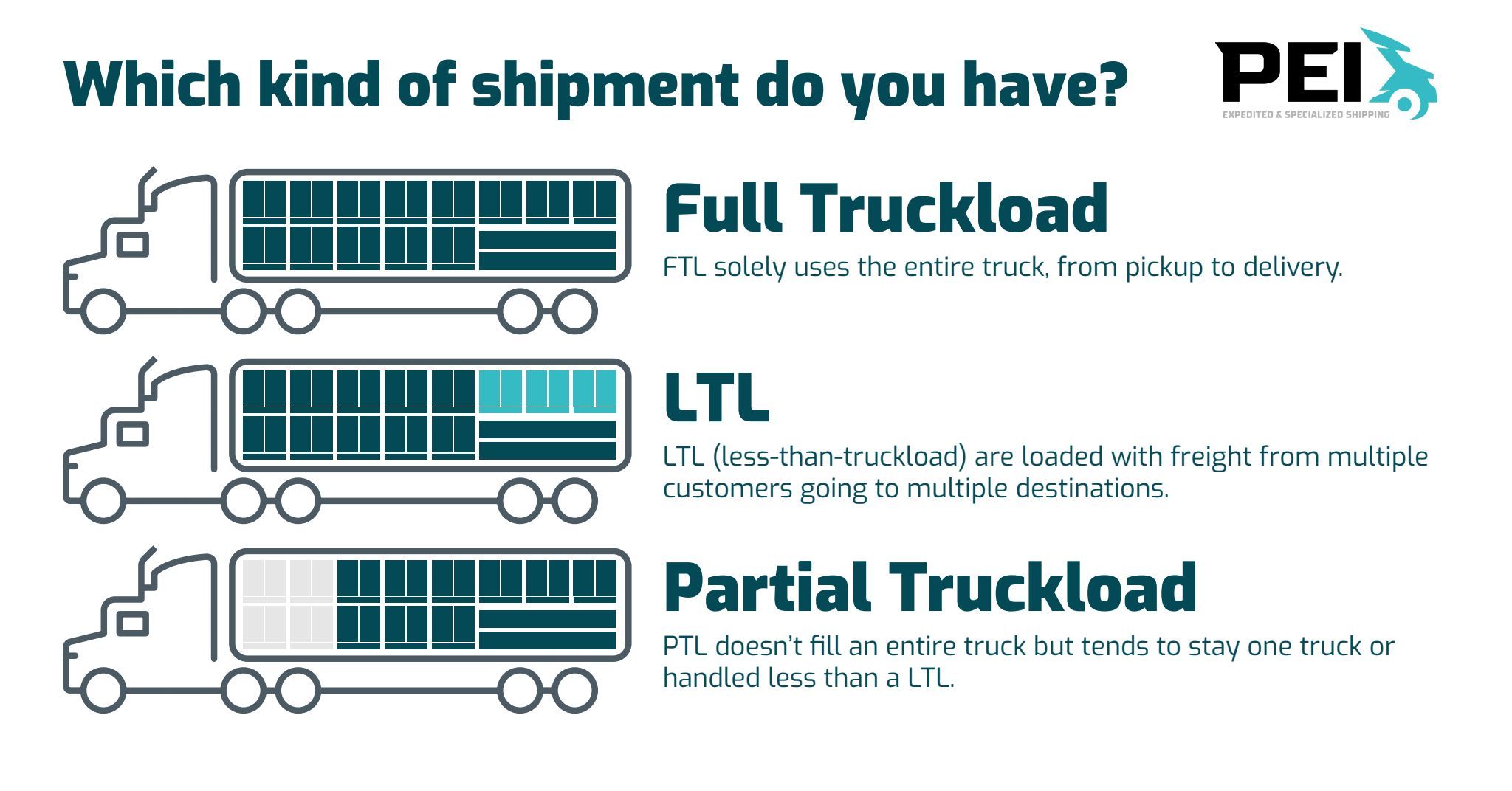
At its heart, LTL shipping is a method of freight transportation where multiple shipments from different companies are consolidated onto a single truck. This is in contrast to Full Truckload (FTL) shipping, where a single shipper occupies the entire trailer. The “less than truckload” designation signifies that the shipment does not require a full trailer’s capacity. This consolidation is the key to LTL’s economic viability.
How LTL Works: A Collaborative Approach to Freight
The process of LTL shipping involves several key players and stages. Freight carriers specializing in LTL services act as intermediaries, collecting shipments from various businesses. These shipments are then transported to a local or regional terminal, where they are sorted and consolidated with other compatible freight destined for similar geographic areas. Once a truck is filled to capacity with these consolidated shipments, it departs for its destination.
At the destination terminal, the process is reversed. Shipments are offloaded, sorted according to their final delivery points, and then transferred to local delivery trucks. This hub-and-spoke model, common in LTL operations, allows for efficient distribution across a wide network.
Key Components of the LTL Process:
- Shipper: The company sending the goods.
- Carrier: The LTL freight company that transports the goods.
- Terminal: A central hub where shipments are sorted, consolidated, and transferred.
- Dock: The loading and unloading area at the terminal or shipper/receiver’s location.
- Consolidation: The process of combining multiple LTL shipments onto a single truck.
- Deconsolidation: The process of separating consolidated shipments at the destination terminal.
Distinguishing LTL from Other Freight Modes
Understanding LTL requires differentiating it from other common freight transportation methods. The most significant comparison is with FTL.
LTL vs. FTL: Capacity and Cost
FTL shipping is ideal for large, single-origin shipments that can fill an entire truck. While it often offers faster transit times due to direct routes and fewer handling points, it comes with a higher price tag, as the shipper pays for the entire truck, regardless of whether it’s fully utilized.
LTL, on the other hand, is designed for smaller shipments. The cost is typically based on factors such as weight, density, freight class, and distance. Because multiple shippers share the cost of the truck, LTL becomes significantly more economical for businesses that don’t have enough freight to fill a full trailer. However, this consolidation also means more handling, potentially longer transit times, and a higher risk of damage due to multiple touchpoints.
Other modes, such as parcel shipping, are suited for very small, individual packages (typically under 150 lbs and with specific dimensional limits). LTL bridges the gap between parcel shipping and FTL, catering to shipments that are too large or heavy for parcel services but too small for FTL.
The Relevance of LTL in the Technology Sector
The technology industry presents a unique set of logistical challenges and opportunities. The rapid pace of innovation, the global nature of manufacturing and distribution, and the delicate nature of many electronic components make efficient and reliable shipping paramount. LTL shipping offers a compelling solution for many of these scenarios.
Supporting the Evolving Tech Supply Chain
The tech supply chain is characterized by its complexity. Components are sourced from various global suppliers, assembled in manufacturing hubs, and then distributed to warehouses, retailers, and directly to consumers worldwide.
Key areas where LTL excels within the tech supply chain:
- Component Distribution: Manufacturers of specialized tech components (e.g., microchips, circuit boards, displays) often ship smaller batches to assembly plants. LTL allows them to consolidate these shipments with other component orders, reducing per-unit shipping costs.
- Finished Goods Distribution to Retailers: While large retailers might receive FTL shipments of popular electronics, smaller retailers, specialized tech stores, or even local distribution centers often receive less frequent, smaller orders that are perfectly suited for LTL.
- Returns and Reverse Logistics: The tech industry experiences a significant volume of product returns. LTL is an efficient method for collecting returned devices from various customer locations or service centers and transporting them back to a central processing facility for repair, refurbishment, or disposal.
- Deployment of Specialized Equipment: IT departments and businesses often need to deploy specialized hardware like servers, networking equipment, or point-of-sale systems to multiple locations. LTL can facilitate the distribution of these units in manageable quantities.
- E-commerce Fulfillment: As e-commerce continues to grow, technology companies are increasingly shipping directly to consumers. For larger or bulkier tech items that exceed parcel carrier limits, LTL provides a cost-effective delivery solution for individual or small business customers.
The Advantages of LTL for Tech Companies
Beyond its general applicability, LTL shipping offers several specific advantages that resonate with the needs of the technology sector.
Cost-Effectiveness and Scalability
For many tech companies, particularly startups and those dealing with niche products, managing logistics costs is critical. LTL’s core benefit is its ability to share transportation expenses. Instead of paying for an entire truck for a few pallets of equipment, companies only pay for the space their shipment occupies, along with the associated handling. This significantly reduces shipping overhead, allowing for better budget allocation towards research, development, and marketing.
Furthermore, LTL offers inherent scalability. As a company’s sales volume fluctuates or as it expands into new markets, LTL can adapt. Businesses can easily increase or decrease their LTL shipments without the commitment or fixed costs associated with FTL.
Flexibility and Accessibility
LTL’s modular nature provides considerable flexibility. Shipments can be sent to a wide range of destinations, from large distribution centers to smaller businesses or even individual customer addresses (though final-mile delivery nuances apply). This accessibility is crucial for a dispersed tech ecosystem.
The ability to ship smaller, more frequent orders via LTL can also help tech companies manage inventory more effectively. Instead of holding large stocks in multiple locations, they can maintain leaner inventories and replenish them as needed, reducing warehousing costs and the risk of obsolescence.
Sustainability Considerations
In an era where environmental responsibility is increasingly important, LTL shipping can contribute to sustainability efforts. By consolidating multiple shipments onto a single truck, LTL reduces the overall number of vehicle miles traveled compared to if each shipment were transported individually. This leads to lower fuel consumption and reduced carbon emissions per unit of goods transported. For tech companies aiming to improve their environmental footprint, optimizing LTL usage can be a valuable strategy.
Key Considerations When Utilizing LTL for Tech Shipments
While LTL shipping offers significant benefits, its successful implementation within the tech industry requires careful planning and attention to detail. The unique characteristics of technology products and the demands of the market necessitate a nuanced approach.
Navigating Freight Classes and Pricing
A critical aspect of LTL shipping is understanding freight class. The National Motor Freight Traffic Association (NMFTA) categorizes freight into 18 classes, from Class 50 to Class 400, based on density, stowability, handling, and liability. Technology products, especially sensitive electronics, often fall into higher freight classes due to their fragility and value, which can impact shipping costs.
Factors influencing freight class for tech products:
- Fragility: Devices prone to damage (e.g., screens, delicate components) will have higher classes.
- Value: High-value items often incur higher insurance premiums, reflecting in their class.
- Packaging: Proper packaging is crucial not only for protection but also for influencing density and handling characteristics, which affect class.
- Stowability: The ability to stack items safely influences handling.
Tech companies must accurately determine the freight class of their products to ensure correct pricing and avoid potential surcharges. Working with experienced LTL carriers or freight brokers who understand tech-specific classifications is highly recommended.
Ensuring Product Protection and Minimizing Damage
The journey of an LTL shipment involves multiple transfers and handling points, increasing the risk of damage. For sensitive technology equipment, this risk is amplified. Therefore, robust packaging and careful handling are non-negotiable.
Best practices for protecting tech shipments via LTL:
- Appropriate Packaging: Utilize sturdy, impact-resistant boxes, sufficient cushioning materials (e.g., foam, bubble wrap), and secure internal bracing. Consider specialized crates for high-value or extremely fragile items.
- Palletization: Securely strap and shrink-wrap items onto pallets to prevent shifting during transit.
- Clear Labeling: Ensure all packages are clearly labeled with addresses, handling instructions, and any special requirements (e.g., “Fragile,” “This Side Up”).
- Documentation: Maintain accurate shipping manifests, bills of lading, and any necessary declarations, especially for international shipments.
- Carrier Selection: Choose LTL carriers with a proven track record in handling delicate or high-value goods, and inquire about their specific handling procedures and equipment.
- Insurance: Consider adequate freight insurance to cover potential losses or damages.
Leveraging Technology for LTL Optimization
The tech industry thrives on innovation, and this extends to logistics. Technology itself can be harnessed to optimize LTL shipping processes, improve visibility, and enhance efficiency.
Tracking and Visibility Solutions
Real-time tracking is no longer a luxury but a necessity. Modern LTL carriers offer advanced tracking systems that allow tech companies to monitor the location and status of their shipments at every stage of the journey. This visibility is invaluable for:
- Inventory Management: Knowing precisely when shipments are expected allows for better just-in-time inventory management, reducing storage needs and the risk of stockouts.
- Customer Service: Providing customers with accurate tracking information enhances their experience and reduces inquiries about shipment status.
- Proactive Problem Solving: Early detection of delays or potential issues allows companies to take corrective actions before they significantly impact operations.
Transportation Management Systems (TMS)
For companies managing a significant volume of LTL shipments, Transportation Management Systems (TMS) can be transformative. A TMS integrates various aspects of the shipping process, including:
- Carrier Rate Shopping: Comparing rates from multiple LTL carriers to secure the best pricing.
- Load Optimization: Planning how to best consolidate shipments for maximum efficiency.
- Automated Documentation: Generating bills of lading and other shipping documents.
- Performance Analytics: Tracking carrier performance, cost trends, and delivery times to identify areas for improvement.
- Route Planning: Optimizing delivery routes for local distribution.
By leveraging TMS and other digital tools, tech companies can gain greater control over their LTL operations, reduce manual effort, and make more informed logistical decisions.
The Future of LTL in Tech Logistics
The landscape of technology is constantly evolving, and so too are the demands placed upon its logistics. As the tech industry continues to push boundaries in areas like AI, IoT, and advanced manufacturing, the role of efficient and adaptable shipping methods like LTL will only become more pronounced.
Adapting to Emerging Tech and Supply Chain Trends
The increasing prevalence of Internet of Things (IoT) devices, for example, creates a need for the efficient distribution of smaller, connected devices to a multitude of locations. Similarly, the rise of 3D printing and additive manufacturing may lead to more localized production, requiring the movement of specialized materials and finished prototypes via LTL.
As supply chains become more globalized and yet also more localized, the flexibility of LTL will be crucial. The ability to move goods between various nodes in a complex network, whether it’s from a remote manufacturing facility to a regional distribution hub or from a cloud data center to a remote edge computing site, highlights the enduring value of LTL.
The Role of Automation and AI in LTL
The integration of automation and artificial intelligence (AI) into LTL operations is already underway and will likely accelerate. AI-powered algorithms can optimize load planning, predict transit times with greater accuracy, and even identify potential risks within the supply chain. Automation in terminals, from robotic sorting to autonomous vehicles for local drayage, could further enhance efficiency and reduce handling times.
For tech companies, embracing these advancements means partnering with LTL providers who are at the forefront of technological innovation in logistics. This ensures that their own sophisticated products are being transported using the most advanced and reliable methods available.
In conclusion, Less Than Truckload (LTL) shipping is far more than just a method for moving smaller freight. It is a vital, adaptable, and increasingly sophisticated component of the technology sector’s intricate supply chain. By understanding its fundamentals, appreciating its unique advantages, and diligently addressing its considerations, technology companies can leverage LTL to optimize costs, enhance flexibility, and ensure the seamless flow of their innovative products from creation to the hands of users worldwide. As technology continues its rapid advance, the humble LTL truck will remain an indispensable enabler of its global reach and impact.
aViewFromTheCave is a participant in the Amazon Services LLC Associates Program, an affiliate advertising program designed to provide a means for sites to earn advertising fees by advertising and linking to Amazon.com. Amazon, the Amazon logo, AmazonSupply, and the AmazonSupply logo are trademarks of Amazon.com, Inc. or its affiliates. As an Amazon Associate we earn affiliate commissions from qualifying purchases.