
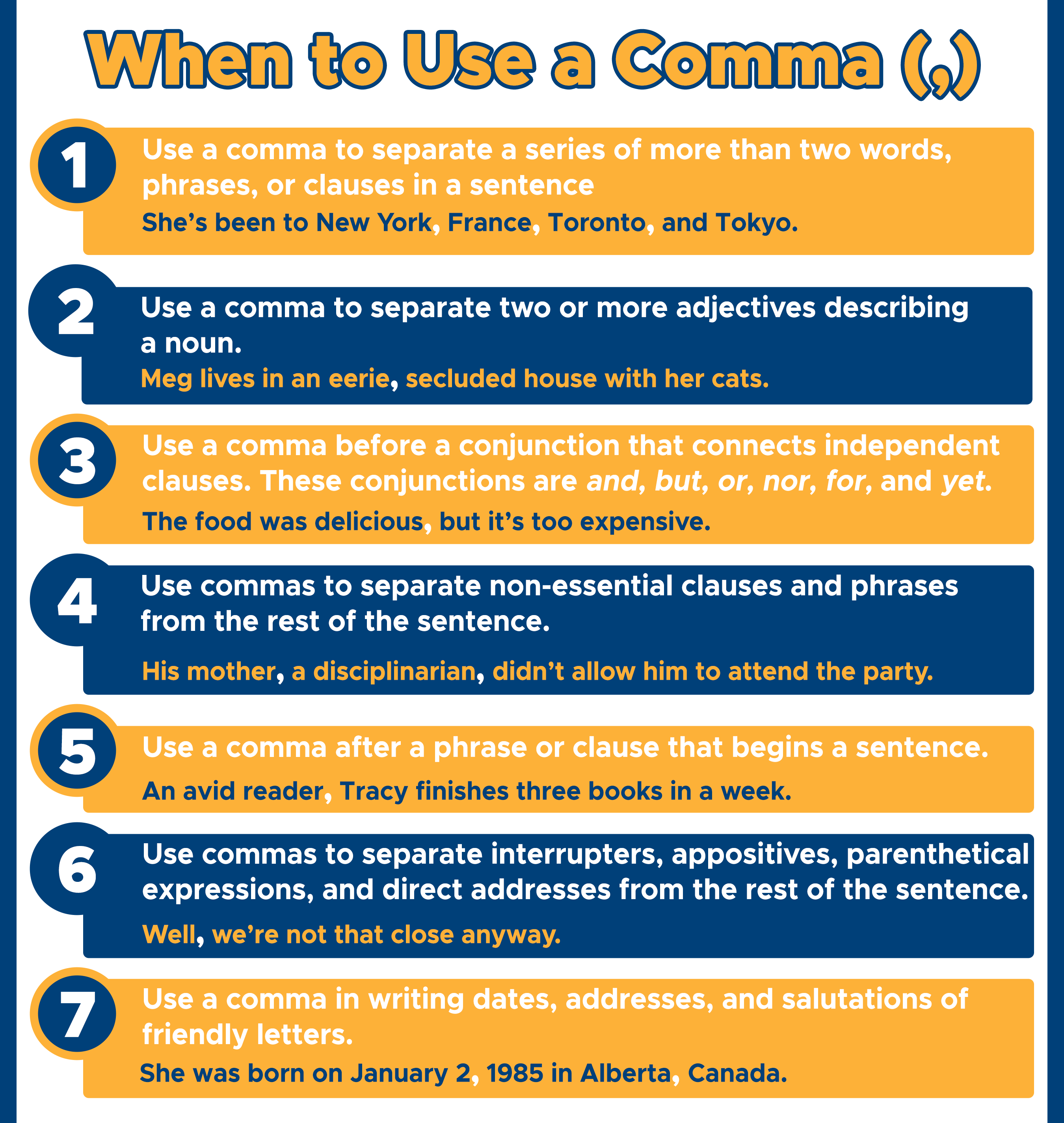
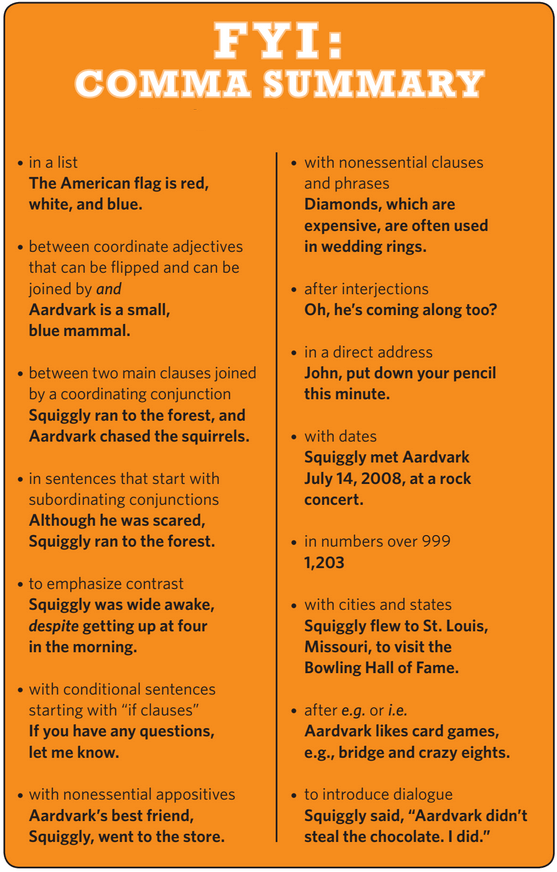
In the realm of traditional linguistics, the comma is a humble punctuation mark, a signal for a brief pause or a separator of items in a list. However, in the fast-evolving world of technology—spanning software development, data science, and artificial intelligence—the comma transcends its grammatical origins. It becomes a vital structural tool, a functional delimiter, and a critical component of code integrity. When we ask “what are commas used for” through a technological lens, we find that this small character is responsible for the seamless flow of data across the globe and the precise execution of complex algorithms.
From the architecture of data storage to the nuances of prompt engineering in generative AI, the comma is an indispensable asset. This article explores the multifaceted roles of the comma within the tech industry, illustrating how it serves as the silent engine behind digital efficiency.
Commas as the Architecture of Data: The Role of CSVs and Databases
At the foundational level of data management, the comma serves as the primary structural element for one of the world’s most ubiquitous file formats: the Comma-Separated Values (CSV) file. Despite the rise of complex database systems and cloud storage solutions, the CSV remains the “lingua franca” of data exchange between disparate software systems.
Understanding the Comma-Separated Values (CSV) Format
A CSV file is essentially a plain-text representation of a table. In this context, commas are used for delimiting fields. Each comma acts as a boundary, signaling to the software where one data point ends and the next begins. This simplicity is what makes CSVs so powerful; they are lightweight, human-readable, and can be processed by almost any analytical tool, from Microsoft Excel to high-end Python libraries like Pandas. Without the comma, the structured rows of a financial report or a customer database would collapse into an unintelligible string of text.
Why Data Structuring Relies on Precise Delimitation
In big data environments, precision is non-negotiable. If a comma is misplaced or forgotten in a dataset containing millions of entries, the entire data pipeline can fail. This is known as a parsing error. Tech professionals often utilize “escaped commas” or text qualifiers (like double quotes) to ensure that a comma within a specific data point—such as an address like “123 Silicon Valley, CA”—isn’t mistaken for a field separator. Understanding the functional use of commas in data structuring is a fundamental skill for data engineers and analysts who must ensure data integrity during ETL (Extract, Transform, Load) processes.
Syntax and Logic: The Comma in Programming Languages
In software engineering, the comma is more than a separator; it is a syntax requirement that defines logic and program flow. Every major programming language, from C++ and Java to Python and JavaScript, utilizes commas to organize instructions and handle data structures.
Separating Parameters in Function Calls
One of the most common uses for commas in programming is the separation of arguments or parameters within a function. When a developer writes a piece of code to perform a task—such as calculating the distance between two points—the comma is used to feed specific variables into that function. For example, calculateDistance(lat1, lon1, lat2, lon2). Here, the comma tells the compiler exactly which value corresponds to which variable. A missing comma in this sequence results in a “Syntax Error,” preventing the software from running entirely.
Managing Lists, Arrays, and Dictionaries
Modern software relies heavily on collections of data. Whether it is an array of user IDs or a dictionary of configuration settings, commas are used to define the boundaries between elements. In Python, a list is defined as [item1, item2, item3]. The comma ensures that the interpreter treats each item as a distinct entity. In the context of JSON (JavaScript Object Notation), which powers the vast majority of web APIs, commas are strictly required to separate key-value pairs. The failure to include a trailing comma in certain environments—or the inclusion of one where it isn’t expected—remains one of the most common “bugs” that developers hunt for during debugging sessions.
The Cost of a Missing Comma: The Mars Mariner 1 Incident
To understand the gravity of commas in tech, one must look at historical software failures. While often debated by historians, a legendary story in the tech community involves the Mariner 1 space probe. It is often cited that a “missing comma” (or a similarly small character like a hyphen) in the guidance software’s FORTRAN code caused the rocket to veer off course, leading to its intentional destruction. Whether apocryphal or literal, the “million-dollar comma” serves as a cautionary tale for software developers: in technology, punctuation is not a suggestion; it is a command.
Commas in the Era of AI: Prompt Engineering and NLP
As we move into the era of Large Language Models (LLMs) like GPT-4 and Claude, the role of the comma has shifted from hard-coded syntax to semantic influence. In Natural Language Processing (NLP) and prompt engineering, the comma is used to fine-tune how an AI interprets a user’s intent.
How Commas Alter LLM Interpretation
AI models process language through tokenization, where sentences are broken down into smaller chunks. Commas act as significant tokens that help the model understand the hierarchical structure of a prompt. For instance, there is a distinct difference between the prompts “Explain the project, manager” and “Explain the project manager.” In the first, the comma indicates that the user is addressing a manager; in the second, the user is asking about a job role. For developers building AI-driven applications, mastering the use of commas in “system prompts” is essential for ensuring the AI maintains a consistent and professional persona.
Semantic Clarity in Machine Learning Datasets
For data scientists training new models, commas are vital for clear labeling. When creating “Ground Truth” datasets, the way information is separated by commas can influence the model’s ability to recognize patterns. If a dataset is used to train an autonomous vehicle’s visual system, the comma-separated metadata describing an image (e.g., “pedestrian, sidewalk, 50 meters, stop sign”) must be perfectly formatted. This ensures that the machine learning algorithm correctly associates labels with visual features, ultimately leading to safer and more accurate AI systems.
Technical Documentation and UX Writing: Guiding the User Journey
Beyond the code and the data, technology relies on human understanding. Technical documentation, API references, and User Experience (UX) writing are the bridges between complex systems and the people who use them. Here, commas are used to improve the “Developer Experience” (DX) and user comprehension.
Enhancing Readability in Software Manuals
Technical writing is often dense with jargon and complex instructions. Commas are used to break these instructions into manageable parts. For a DevOps engineer following a tutorial on deploying a Kubernetes cluster, a well-placed comma can prevent “cognitive overload.” It allows the reader to pause and process a specific step before moving to the next. In documentation, the “Oxford Comma” (the final comma in a list of three or more items) is frequently mandated by tech style guides (like the Microsoft Writing Style Guide) to avoid any ambiguity that could lead to a user making a critical configuration error.
Microcopy and the User Interface: When to Pause
In UX writing, “microcopy” refers to the small bits of text on buttons, error messages, and tooltips. Commas in microcopy must be used sparingly and strategically. In a mobile app, space is at a premium. A comma might be used to separate a status update (“Uploaded, 2 minutes ago”) to provide immediate clarity. The goal is to guide the user through a digital interface with as little friction as possible. If a comma makes a notification easier to scan, it contributes directly to the app’s usability and retention rates.
Conclusion: The Comma as a Tool of Digital Precision
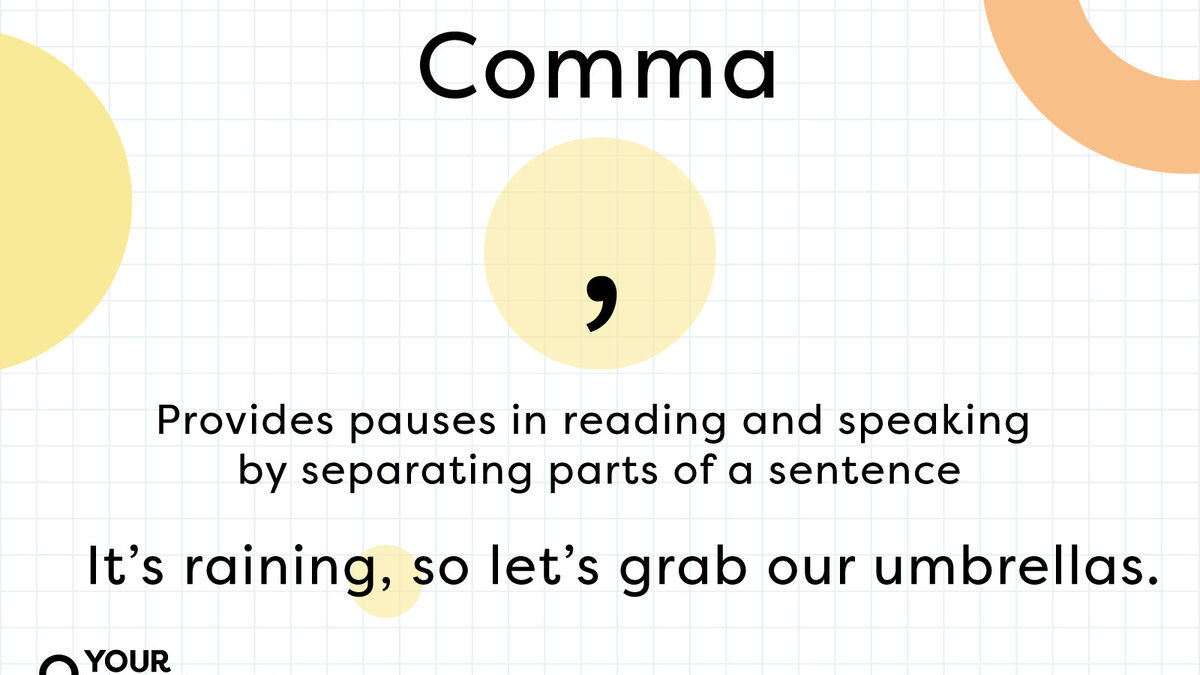
When examining what commas are used for in the tech industry, it becomes clear that this character is a pillar of digital infrastructure. It is the invisible fence that keeps our data organized in CSVs, the logical separator that allows our code to execute, the semantic guide for our most advanced AI models, and the clarifier for technical communication.
In an industry that moves at the speed of light, the comma represents the power of the pause and the necessity of structure. For developers, data scientists, and tech leaders, respecting the role of the comma is not about following antiquated grammar rules—it is about ensuring precision, preventing system failures, and building more intuitive technology. As we continue to innovate in fields like quantum computing and autonomous systems, the humble comma will remain a vital tool in the programmer’s toolkit, proving that even the smallest marks can have a monumental impact on the digital frontier.
aViewFromTheCave is a participant in the Amazon Services LLC Associates Program, an affiliate advertising program designed to provide a means for sites to earn advertising fees by advertising and linking to Amazon.com. Amazon, the Amazon logo, AmazonSupply, and the AmazonSupply logo are trademarks of Amazon.com, Inc. or its affiliates. As an Amazon Associate we earn affiliate commissions from qualifying purchases.