
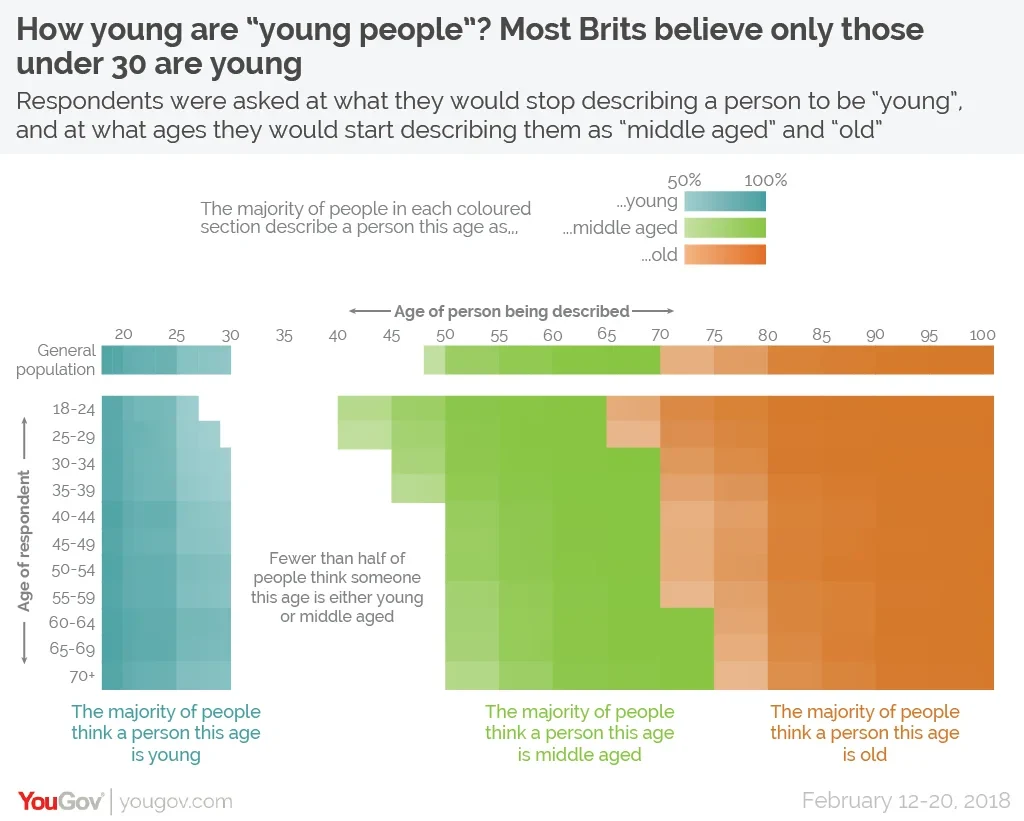
In the traditional landscape of marketing and corporate identity, “youth” was once a neatly packaged demographic. It was a chronological bracket, typically spanning from age 15 to 25, defined by a lack of financial responsibility and a high propensity for trend-adoption. However, in the modern era, the question “what age is youth?” has become increasingly complex. For brand strategists and marketing executives, youth is no longer just a biological stage; it is a psychographic profile, a cultural currency, and a strategic North Star.
As global demographics shift and digital connectivity blurs the lines between generations, brands that successfully navigate the “youth” market are those that understand youth as a state of mind rather than a date on a birth certificate. This article explores how brand strategy is evolving to address the fluid definition of youth, the rise of the “ageless” consumer, and the tactical maneuvers required to maintain a youthful brand identity in a rapidly aging world.

The Psychographic Shift: Why Youth is a Mindset, Not a Number
For decades, brand managers relied on the “18–34” demographic as the ultimate prize. This group was seen as the primary engine of consumption and the tastemakers of society. However, as life expectancy increases and social milestones (like marriage, homeownership, and parenthood) are delayed, the traditional markers of “adulthood” have shifted. This has led to the emergence of the “Perennial” consumer—individuals of all ages who live in the present, stay curious, and maintain a high level of digital fluency.
From Demographics to “Ageless” Branding
The most successful modern brands have realized that targeting by age is increasingly inefficient. Instead of asking “how old is our customer?”, brand strategists are asking “what does our customer value?” When we analyze the success of brands like Apple or Nike, we see that their appeal transcends age. They don’t target “youth”; they target “youthfulness.” By focusing on innovation, empowerment, and aesthetic excellence, these brands capture the spirit of youth, attracting both the 16-year-old student and the 60-year-old executive. This shift requires a move from demographic segmentation to psychographic clustering, where shared values and behaviors take precedence over biological age.
The Rise of the Perennial Consumer
The concept of the “Perennial,” coined by tech entrepreneur Gina Pell, describes people who are ever-blooming and relevant, regardless of age. In the context of brand strategy, this means recognizing that a 50-year-old might be just as interested in the latest AI-driven fitness app as a 20-year-old. When brands stop asking “what age is youth” and start asking “how can we foster curiosity and vitality?”, they unlock a much larger market share. Brands that lean into this “ageless” approach avoid the trap of alienating older loyalists while still remaining attractive to the younger generation.
Capturing the Gen Z and Gen Alpha Momentum
While “youth” as a mindset is expanding, brands cannot ignore the specific cohorts currently occupying the biological “young” category: Gen Z and the emerging Gen Alpha. These groups are the first true digital natives, and their expectations of brands are radically different from those of the Millennials or Gen Xers who preceded them. For these segments, youth is defined by digital sovereignty and ethical accountability.
The Digital Native Narrative
To Gen Z and Gen Alpha, technology is not a tool; it is an environment. A brand’s digital presence—its UX, its social media voice, and its transparency—is its primary identity. The “age of youth” today is an age of hyper-connectivity. If a brand cannot communicate effectively on platforms like TikTok or Roblox, it effectively does not exist for this demographic. However, “effective communication” does not mean “trying too hard.” Brand strategy for youth today requires a “lo-fi” aesthetic and a rejection of the overly polished corporate imagery of the early 2000s.
Authenticity as the New Youth Currency
If there is one word that defines the current youth demographic, it is “authenticity.” Having grown up in an era of “fake news” and influencer culture, young consumers have developed a sophisticated radar for corporate insincerity. They don’t just buy products; they buy into a brand’s “why.” To be considered a “youthful” brand today, a company must demonstrate a commitment to social justice, environmental sustainability, and radical transparency. For a brand to be “young,” it must be brave enough to take a stand, even if that stand is polarizing.
Strategic Rejuvenation: How Legacy Brands Stay Young
One of the greatest challenges in brand strategy is preventing a brand from “aging out” of the market. As a brand’s original customer base grows older, the brand risks becoming a “heritage” brand—respected, but no longer relevant to the cutting edge of culture. Staying young requires a constant process of strategic rejuvenation and the willingness to disrupt one’s own legacy.
Rebranding for a New Generation
Rejuvenation often involves a visual and verbal overhaul to align with contemporary sensibilities. This isn’t just about changing a logo; it’s about recalibrating the brand’s core message. Consider the evolution of luxury fashion houses like Gucci or Balenciaga. By embracing “streetwear” culture and subversive marketing, these decades-old institutions have reclaimed the mantle of youth. They didn’t change their heritage; they changed their context. They understood that the current age of youth values irony, comfort, and self-expression over traditional notions of “class” and “exclusivity.”
Leveraging Nostalgia to Bridge the Age Gap
Interestingly, one of the most effective ways to appeal to “youth” is through nostalgia. We are currently seeing a massive resurgence of 90s and Y2K aesthetics among Gen Z. Brand strategists can leverage this by “remixing” their own history. By bringing back vintage logos or discontinued product lines, a brand can trigger nostalgia in older consumers while appearing “retro-cool” to younger ones. This dual-track strategy allows a brand to maintain its foundation while staying vibrant and trendy.
The Economics of Youthfulness in Global Markets
The pursuit of the youth market is not just a matter of “coolness”; it is a matter of economic survival. The age of youth is the age of highest lifetime value (LTV). Capturing a consumer when they are young and maintaining that relationship as they age is the ultimate goal of any brand strategy.
Cultural Capital and Trendsetting
In the global marketplace, youth hold a disproportionate amount of “cultural capital.” Even if they do not yet have the highest purchasing power, they dictate what is desirable. Trends move from the bottom up—from the streets and digital subcultures to the boardroom. A brand that is “young” is a brand that is talked about. This organic visibility is more valuable than any multi-million dollar advertising campaign because it carries the weight of peer-to-peer recommendation.
The Lifetime Value of a Young Customer
From a financial perspective, the “age of youth” represents the beginning of a multi-decade revenue stream. Brand strategy in this phase is focused on “onboarding” the consumer into the brand ecosystem. Whether it’s a bank offering its first “student account” or a tech company offering “educational discounts,” the goal is to create friction-less entry points. Once a young consumer is integrated into a brand’s ecosystem, the cost of switching to a competitor increases, ensuring long-term profitability and brand loyalty.
Future-Proofing the Brand Identity
As we look toward the future, the definition of “youth” will continue to evolve. With the advent of the metaverse, AI-driven personalization, and a global focus on sustainability, the age of youth will likely become even more decentralized and value-driven.
Adapting to Rapidly Evolving Social Values
To remain “young,” a brand must be a living organism. It must listen more than it speaks. The social values of the youth—such as inclusivity, mental health awareness, and climate action—are not passing trends; they are the new baselines for corporate identity. A brand that fails to adapt to these values will find itself aging rapidly in the eyes of the public. Future-proofing requires an internal culture of agility, where feedback loops from younger employees and consumers are integrated into the highest levels of decision-making.

Building Community in the Post-Demographic Era
The final evolution of the “what age is youth” question leads us to the community model. In the future, brands will not just sell products to age groups; they will facilitate communities based on shared passions. Whether it’s a community of gamers, environmentalists, or creators, these groups are inherently youthful because they are centered on growth, exploration, and connection. By positioning itself as a community builder rather than just a vendor, a brand ensures its relevance for generations to come.
In conclusion, “youth” is no longer a fixed point on a timeline. In the world of brand strategy, youth is a dynamic confluence of energy, authenticity, and adaptability. To succeed, brands must look past the birth date and focus on the heartbeat of the culture. They must realize that staying young isn’t about chasing every passing fad, but about remaining true to a spirit of innovation and a commitment to the values that matter to the next generation. The age of youth is, and always will be, the age of what is next.
aViewFromTheCave is a participant in the Amazon Services LLC Associates Program, an affiliate advertising program designed to provide a means for sites to earn advertising fees by advertising and linking to Amazon.com. Amazon, the Amazon logo, AmazonSupply, and the AmazonSupply logo are trademarks of Amazon.com, Inc. or its affiliates. As an Amazon Associate we earn affiliate commissions from qualifying purchases.