
In the landscape of modern consumerism, few services have become as ubiquitous and deeply integrated into daily life as Amazon Prime. More than just a delivery service, it’s an ecosystem of benefits ranging from entertainment to exclusive shopping perks. For many, the question isn’t whether they use Amazon, but whether they can financially justify the cost of Prime membership. This article delves into the precise financial outlay for Amazon Prime, offering a comprehensive personal finance perspective on its value, costs, and strategic management. Understanding the multifaceted financial implications of this subscription is crucial for any savvy consumer looking to optimize their spending and maximize their financial well-being.
Understanding Amazon Prime’s Pricing Structure
At its core, Amazon Prime is a paid subscription service. While the perceived value often lies in its extensive list of benefits, the primary financial consideration for most consumers is the upfront membership fee. Amazon offers several payment tiers and discounts designed to cater to different segments of its user base. Dissecting these options is the first step in a thorough financial evaluation.
Annual vs. Monthly Membership
The most common decision for a potential Prime member revolves around the payment frequency. Amazon primarily offers two main subscription models for its standard Prime membership:
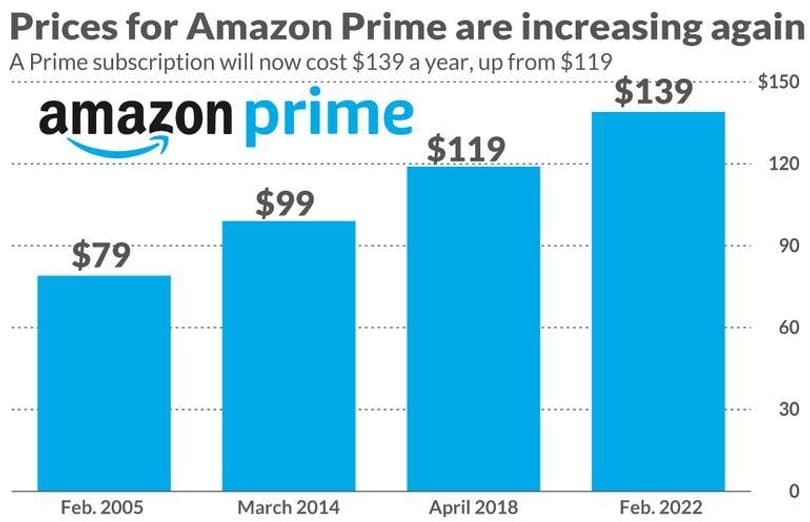
- Annual Membership: This is typically presented as the most cost-effective option for long-term users. Members pay a single lump sum upfront for a full year of access. As of early 2024, the annual fee generally hovers around $139 in the United States. From a financial planning perspective, this consolidates the expense into one transaction, which can be easier to budget for some, but requires a larger immediate outlay of cash. It often represents a discount compared to paying month-to-month over a year.
- Monthly Membership: For those who prefer greater flexibility or are uncertain about a year-long commitment, Amazon offers a monthly payment plan. This option typically costs around $14.99 per month. While seemingly more affordable on a per-month basis, accumulating 12 monthly payments results in a higher total cost over a year (approximately $179.88) than the annual plan. Financially, this model provides budget flexibility, allowing members to cancel at any time without having paid for unused future months, but it comes at a premium.
Choosing between these options requires a personal finance assessment: do you have the upfront capital for the annual saving, or do you prioritize cash flow and flexibility at a slightly higher overall yearly cost?
Student and Government Assistance Discounts (Prime Access/Prime Student)
Amazon demonstrates an understanding of diverse financial situations by offering discounted Prime memberships to eligible individuals. These programs are vital for budgeting-conscious groups:
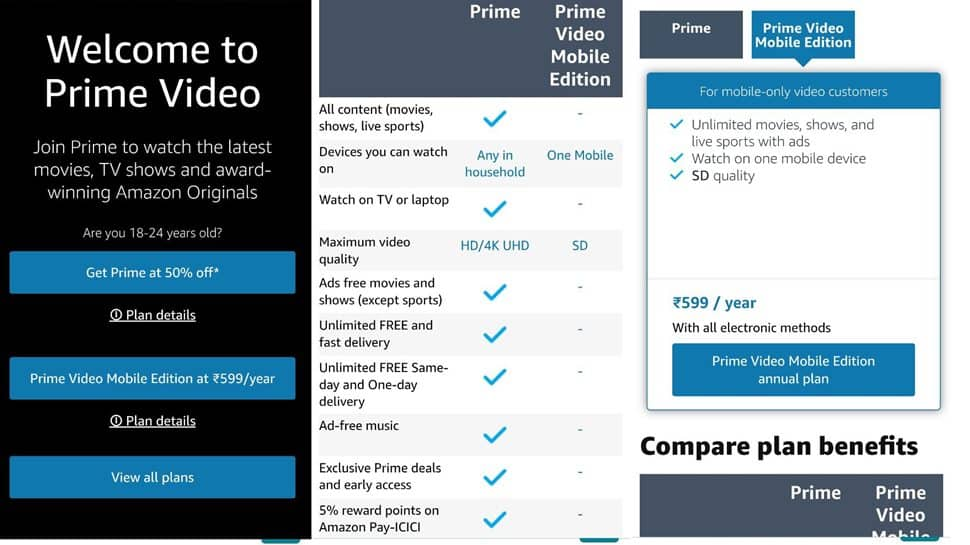
- Prime Student: For students enrolled in two- or four-year colleges, Amazon offers a significantly reduced annual membership. This program often includes an extended free trial period (typically six months) followed by a discounted rate, which can be around $69 per year. This represents a substantial saving of over 50% on the standard annual fee. From a personal finance perspective, this is an excellent opportunity for students to access valuable services like free shipping and streaming at a highly affordable rate, helping them manage their limited budgets more effectively.
- Prime Access (EBT/Medicaid Recipients): Amazon also provides a discounted monthly Prime membership for qualifying government assistance recipients, such as those with an EBT card or enrolled in Medicaid. This program typically reduces the monthly fee to approximately $6.99. This initiative is a clear acknowledgment of economic disparities, making essential services like affordable delivery and digital access more attainable for low-income households, directly aligning with principles of financial inclusion and accessibility.
These discount programs highlight Amazon’s strategic approach to expanding its subscriber base while also offering tangible financial relief to specific demographics, making Prime more financially accessible.
The Free Trial Period
A cornerstone of Amazon’s acquisition strategy is the free trial. Typically offering a 30-day period (or longer for Prime Student), this allows potential members to experience the full suite of Prime benefits without any immediate financial commitment. From a financial perspective, the free trial is a double-edged sword:
- Benefit: It allows consumers to conduct a real-world cost-benefit analysis before spending any money. Users can genuinely assess if the value they derive from free shipping, streaming, and other perks justifies the future financial outlay.
- Risk: It relies on inertia. Many users forget to cancel before the trial period ends and are automatically charged for the first month or year. This passive enrollment can lead to unexpected expenses and is a common pitfall in subscription management. Diligent calendar reminders and immediate cancellation if the service isn’t deemed valuable are crucial financial hygiene practices during a free trial.
Beyond the Sticker Price: Evaluating Prime’s True Financial Value
While the explicit cost of Amazon Prime is straightforward, its true financial impact extends far beyond the annual or monthly fee. A comprehensive financial analysis requires looking at both the tangible savings and potential hidden costs or missed opportunities.
The Cost-Benefit Analysis: Is It Worth It For You?
The core of any financial decision is determining whether the benefits outweigh the costs. For Amazon Prime, this involves a careful assessment of its myriad features against your personal spending habits and needs:
- Free Two-Day Shipping (or faster): For frequent Amazon shoppers, the savings on shipping fees can quickly offset the membership cost. If you regularly place orders that would individually incur shipping charges, Prime pays for itself. Calculate how many such orders you place in a year and compare the aggregate shipping costs to the Prime fee.
- Prime Video: If you’re paying for other streaming services, Prime Video might replace one or more of them, leading to direct savings. However, if it’s an “add-on” to existing services you won’t cancel, its financial value is diminished to pure entertainment utility.
- Prime Music: Similar to video, if it replaces a paid music streaming service, it’s a financial win. Otherwise, it’s just a bonus.
- Prime Reading/Gaming/Photo: These niche benefits offer value to specific users. Do you actively use them? Could they replace other paid services (e.g., cloud storage for photos)?
- Exclusive Deals & Early Access: While these can lead to savings on specific purchases, they can also trigger impulse buys that wouldn’t have occurred otherwise, potentially leading to increased overall spending.
A true financial assessment isn’t just about using the features; it’s about whether those features genuinely save you money or replace expenses you would have incurred elsewhere.
Hidden Savings: Shipping, Discounts, and Digital Perks
Beyond the obvious, Prime offers several less-advertised financial benefits that can add up:
- Reduced Gas & Time Costs: For items you might otherwise have driven to a physical store to purchase, Prime’s rapid delivery saves on fuel costs and valuable time, which can be monetized in personal finance.
- Prime Day & Other Exclusive Sales: While requiring careful management to avoid overspending, Prime Day often features significant discounts on popular items. Strategic shopping during these events can yield considerable savings on planned purchases.
- “Buy Now, Pay Later” (BNPL) Options: Prime membership often grants access to Amazon’s financing options or partner BNPL services. While convenient, these should be used with extreme financial caution to avoid debt.
- No Minimum Purchase for Free Shipping: For small, inexpensive items, free shipping is a substantial saving that would otherwise make a purchase uneconomical due to high shipping costs. This flexibility can be a major financial advantage for managing household needs.
These “hidden” savings contribute to the overall financial justification of Prime, but only if they align with your actual purchasing habits and lead to genuine cost avoidance rather than new expenditures.
Potential Financial Pitfalls: Impulse Buying and Unused Features
While Prime offers numerous benefits, it’s also important to acknowledge its potential downsides from a personal finance standpoint:
- Encouragement of Impulse Buying: The ease of “1-Click” ordering and the absence of shipping costs can lower the psychological barrier to purchasing, leading to more frequent, often unnecessary, purchases. This “Prime Effect” can significantly inflate your overall spending.
- Paying for Unused Features: Many Prime members primarily use the free shipping and perhaps one or two other services (e.g., Prime Video). Yet, they pay for the entire suite of benefits. If a significant portion of the included services goes unused, the perceived financial value diminishes, essentially meaning you’re paying for features you don’t need or want.
- Subscription Fatigue: Prime is just one of many subscriptions vying for your budget. The cumulative cost of multiple streaming, gaming, and delivery services can quickly become a significant monthly drain on finances if not regularly audited.
A critical financial self-assessment is necessary to determine if Prime’s convenience is leading to financial discipline or increased discretionary spending.
Strategic Financial Management of Your Prime Membership
To ensure Amazon Prime serves as a financial asset rather than a liability, proactive management is key. This involves conscious budgeting, maximizing the value of your subscription, and knowing when to make changes.
Budgeting for Recurring Subscriptions
Incorporating Prime into your personal budget requires a clear understanding of its annual or monthly cost.
- Allocate Funds: Treat Prime as a fixed monthly or annual expense. If on a monthly plan, factor in the $14.99 (or discounted rate) directly into your entertainment or shopping budget. For annual plans, consider setting aside a small amount each month (e.g., $11.58 for a $139 annual fee) into a dedicated savings account so the renewal isn’t a surprise hit to your finances.
- Subscription Audit: Regularly review all your recurring subscriptions, including Prime. Ask yourself: “Am I truly using this enough to justify its cost?” This practice, recommended quarterly or bi-annually, helps eliminate financial waste.
- Prioritize: In a tight budget, determine if Prime is a higher priority than other subscriptions or discretionary spending. Could the money be better allocated to debt repayment, savings, or other financial goals?
Effective budgeting ensures that Prime’s cost is a conscious decision, not an unnoticed drain on your financial resources.
Maximizing Value: Leveraging Included Benefits
To ensure you’re getting your money’s worth, actively utilize the full spectrum of Prime benefits.
- Consolidate Entertainment: If you’re paying for separate video or music streaming services, explore if Prime Video and Music Unlimited (the ad-free version may cost extra, but the basic ad-supported version is included) can meet your needs, allowing you to cancel other subscriptions.
- Cloud Storage: Utilize Prime Photos for unlimited full-resolution photo storage. This can eliminate the need for separate paid cloud storage solutions like Google One or iCloud, generating direct financial savings.
- Shopping Habits: Consciously direct your Amazon purchases to items eligible for Prime shipping. When making shopping lists, check Amazon first to see if Prime can offer better value (shipping, price, delivery speed) than local stores or other online retailers.
- Digital Content: Explore Prime Reading for free access to a rotating selection of ebooks and magazines, and Twitch Prime for free games and in-game content if you’re a gamer.
By actively engaging with the diverse offerings, you transform Prime from a shipping service into a multifaceted financial tool that provides value across several categories.
When to Cancel or Re-evaluate Your Membership
Not every subscription is forever. Recognizing when Prime no longer aligns with your financial interests is a crucial part of smart money management.
- Reduced Usage: If your shopping habits change, you find yourself ordering less frequently, or you’re no longer using the streaming or other digital benefits, it might be time to re-evaluate.
- Budgetary Constraints: During periods of financial hardship or when pursuing aggressive savings goals (e.g., paying off high-interest debt), cutting non-essential subscriptions like Prime can free up valuable funds.
- Better Alternatives: The market for online shopping, streaming, and digital services is constantly evolving. If a competitor offers a package that better suits your needs at a lower cost, switching might be financially prudent.
- Annual Renewal Reminder: Mark your calendar for a few weeks before your annual renewal date. This gives you time to assess your usage over the past year and make an informed decision about renewing or canceling. Remember, you can usually cancel and still use the benefits until the end of your current paid period.
Canceling Prime isn’t a permanent decision; you can always rejoin if your circumstances or needs change, ensuring you only pay for it when it genuinely provides financial value.
Prime’s Evolution and Future Financial Considerations
Amazon Prime is not a static product; its features, and consequently its costs, are subject to change. Understanding these dynamics is essential for long-term financial planning.
Inflation and Subscription Price Hikes
Historically, Amazon has periodically increased the price of Prime membership. These price hikes are influenced by:
- Inflation: The rising cost of doing business, including fuel for delivery, labor, and content acquisition, is often passed on to consumers.
- Value Proposition: As Amazon adds new features or enhances existing ones (e.g., higher quality streaming, faster delivery options), it may justify a price increase.
For personal finance, this means anticipating potential future increases. Always review renewal notices carefully for any changes in pricing. Factor in the possibility of future cost adjustments when making long-term financial commitments to the service.
Alternatives and Competing Services from a Financial Standpoint
The market for delivery and digital services is increasingly competitive. Financially savvy consumers should always consider alternatives:
- Other Retailer Memberships: Many retailers offer their own shipping programs (e.g., Walmart+). Compare their costs and benefits to Prime, especially if you frequently shop at a particular store.
- “Free Shipping” Thresholds: Many online retailers offer free shipping above a certain purchase amount, without a subscription fee. If your purchases are infrequent but large, this might be a more cost-effective strategy than Prime.
- Streaming Bundles: Consider bundles from telecommunications companies or other streaming providers that might offer better value for your combined entertainment needs.
A holistic financial review of your spending should include comparisons with competitors to ensure Prime remains the optimal choice for your budget and needs.

Long-Term Financial Planning with Digital Subscriptions
In an increasingly subscription-based economy, managing recurring digital expenses like Amazon Prime is a crucial component of sound long-term financial planning.
- Budget Line Item: Dedicate a specific line item in your monthly budget for “Digital Subscriptions.” This helps track the cumulative cost and prevents these expenses from silently eroding your disposable income.
- Automate Savings: If you rely heavily on Prime, consider automating a small monthly transfer to a “Subscription Fund” to cover annual renewals and potential price increases.
- Future Financial Goals: Periodically assess how your subscription spending aligns with your larger financial goals, such as saving for a down payment, retirement, or paying off debt. Could redirecting some of these funds accelerate your progress?
Ultimately, the cost of Amazon Prime is not just the price tag; it’s the sum of its direct fees, the value of its benefits, and its impact on your overall financial behavior. By approaching your Prime membership with a professional, insightful, and engaging financial mindset, you can ensure it remains a strategic asset in your personal finance toolkit.
aViewFromTheCave is a participant in the Amazon Services LLC Associates Program, an affiliate advertising program designed to provide a means for sites to earn advertising fees by advertising and linking to Amazon.com. Amazon, the Amazon logo, AmazonSupply, and the AmazonSupply logo are trademarks of Amazon.com, Inc. or its affiliates. As an Amazon Associate we earn affiliate commissions from qualifying purchases.