
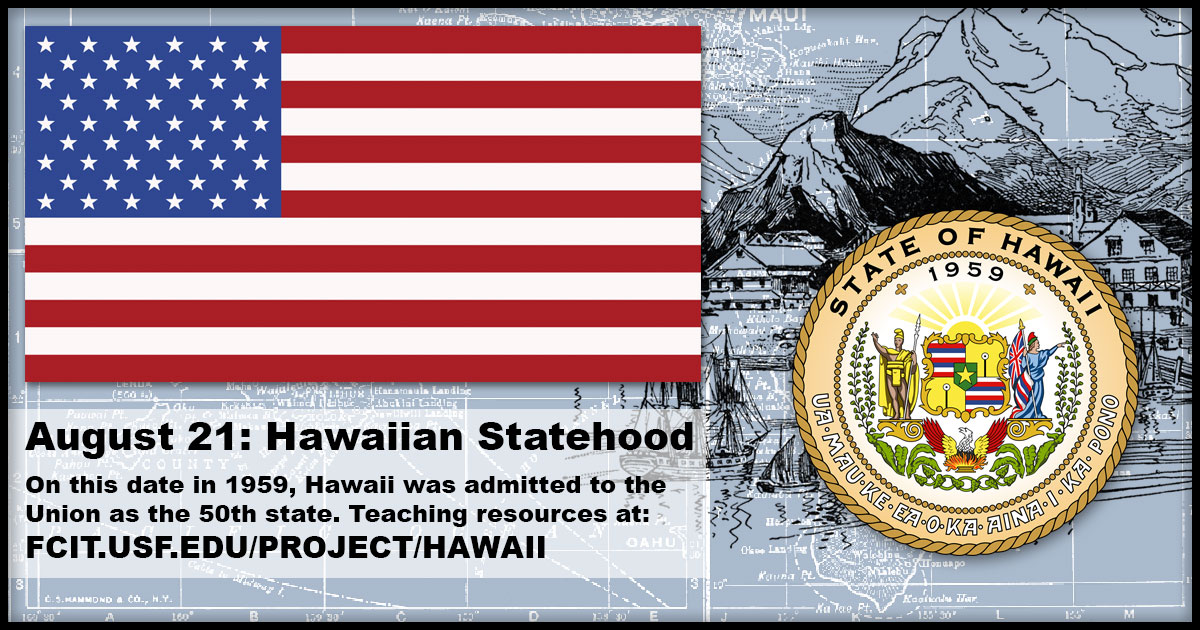
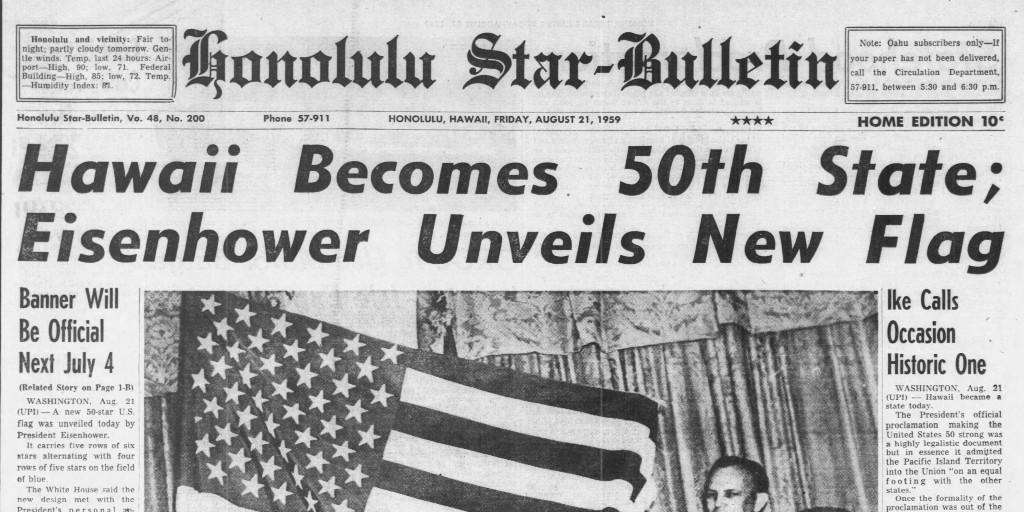
On August 21, 1959, Hawaii officially became the 50th state of the United States. While history books often treat this event as a political milestone, it represents one of the most successful and enduring rebranding exercises in modern history. The transition from an isolated island territory to a full-fledged member of the Union didn’t just change Hawaii’s legal status; it fundamentally altered the brand identity of the United States and created a global “Aloha” brand that remains a powerhouse in the marketing world today.
Understanding the “brand” of Hawaii requires looking beyond the date and into the strategic shifts that occurred when the islands were integrated into the American corporate and cultural identity. For brand strategists and marketing professionals, Hawaii’s statehood offers a masterclass in identity transition, market positioning, and the management of cultural equity.
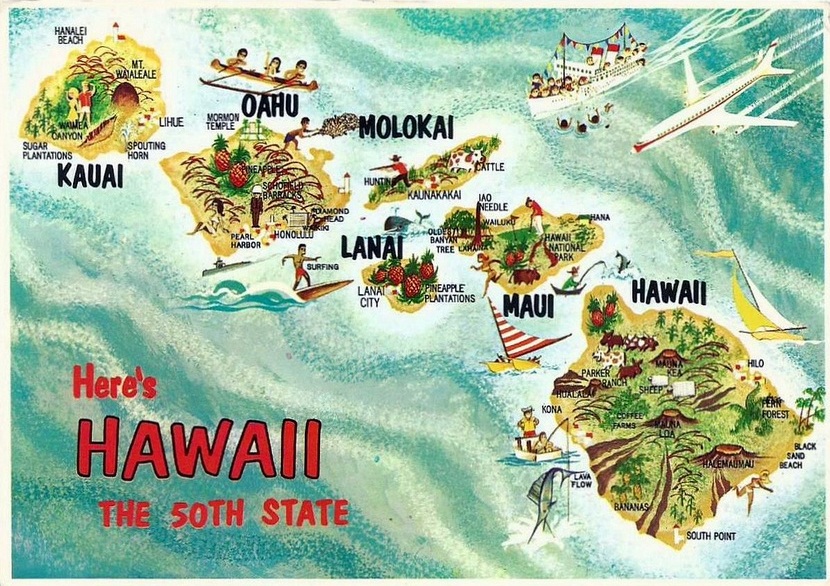
The Transition from Territory to State: A Global Rebranding Exercise
The move toward statehood in 1959 was far more than a legislative achievement; it was a pivot in how the world perceived the Pacific. Before statehood, Hawaii was viewed by many as an “exotic” and “distant” territory—terms that, while evocative, suggested a level of risk and unfamiliarity that hindered mass market appeal.
The Shift in Perception: From Exotic Outpost to Domestic Jewel
In the world of brand strategy, trust is the primary currency. As a territory, Hawaii’s “brand” suffered from a lack of standard American institutional confidence. By achieving statehood, the islands underwent an immediate repositioning. They were no longer a foreign-adjacent colony; they were part of the domestic core. This shift allowed the American brand to expand its horizons while providing a “safety seal” for travelers and investors.
For the average American consumer in the late 1950s, the “State of Hawaii” brand signified a familiar legal framework, a unified currency, and a shared national identity. This rebranding lowered the barrier to entry for the mainland market, transforming Hawaii from a niche, luxury destination for the elite into an aspirational yet accessible “homegrown” paradise.
Standardizing the Image: The Role of 1950s Media in Brand Alignment
The 1950s marked the dawn of the television era, a tool that proved indispensable in Hawaii’s rebranding efforts. As statehood approached, the American media machine began a concerted effort to align Hawaii’s image with the broader American narrative.
Through films, newsreels, and the burgeoning advertising industry, the “50th State” was marketed as the ultimate achievement of the American dream. This brand alignment was critical. It wasn’t enough for Hawaii to be a state; it had to be seen as the ideal state. The branding focused on the “Melting Pot” narrative, positioning Hawaii as a beacon of diversity and harmony during a period when the mainland was grappling with civil rights issues. This strategic positioning helped the U.S. brand project an image of progressiveness and global inclusivity.
Building the “Aloha” Brand Strategy
Once statehood was solidified, the focus shifted from political integration to commercial differentiation. The challenge was unique: how to maintain the islands’ unique cultural allure while making it compatible with the high-octane commercialism of 20th-century America. The result was the development of the “Aloha” brand—a strategy so successful it has become synonymous with hospitality worldwide.
Strategic Hospitality: How Statehood Fueled the Tourism Identity
Statehood provided the political stability necessary for massive infrastructure investment, particularly in the airline and hotel industries. As brands like Hilton and United Airlines moved in, they didn’t just sell flights and rooms; they sold the “Hawaii Experience.”
The Aloha brand was built on a foundation of “Strategic Hospitality.” Every touchpoint of the consumer journey—from the lei greeting at the airport to the hula performances at resorts—was curated to deliver a consistent brand promise of warmth, relaxation, and welcome. By standardizing these experiences, Hawaii’s tourism board and private stakeholders created a brand equity that could be marketed globally. The “Aloha Spirit” became a trademarked sentiment, a psychological trigger that promised a specific emotional ROI for every visitor.
Cultural Preservation vs. Commercial Appeal: The Branding Tightrope
One of the most complex aspects of Hawaii’s rebranding as a state was the commodification of Indigenous culture. From a brand strategy perspective, the “Indigenous” element provided the USP (Unique Selling Proposition) that no other state could match. However, this created a tension between authentic cultural preservation and commercial “Disneyfication.”
In the decades following 1959, the Hawaii brand had to navigate the “Brand Authenticity” trap. Strategies shifted toward integrating more genuine Hawaiian language and traditions into the brand narrative, moving away from the “tiki culture” caricatures of the 1960s. This evolution reflects a broader trend in brand management: the need to evolve from a surface-level aesthetic to a deep, values-based identity to maintain long-term consumer loyalty.
The Economic Brand: Hawaii as a Gateway to the Pacific
Statehood didn’t just change Hawaii’s identity for tourists; it redefined its role in the global corporate landscape. By becoming the 50th state, Hawaii became the American brand’s strategic headquarters in the Pacific, serving as a bridge between the East and the West.
Attracting Foreign Investment through Legal Stability
Before 1959, foreign investors—particularly those from Asia—faced the uncertainties associated with territorial governance. Statehood changed the “Investment Brand” of Hawaii overnight. It signaled that the islands were governed by the U.S. Constitution, federal regulations, and a stable judicial system.
This rebranding as a “Safe Harbor” for capital led to a surge in foreign direct investment, particularly from Japan. The “Hawaii Brand” became a symbol of prestige for international corporations. Owning property or doing business in the 50th state wasn’t just a financial move; it was a branding statement, signaling that a company had “arrived” on the American stage while remaining geographically and culturally connected to the Pacific Rim.
The Logo of the 50th State: Symbolism in the Modern Era
In branding, symbols matter. The addition of the 50th star to the American flag in 1960 was a powerful visual update to the national corporate identity. For Hawaii, the state seal, the flag, and even the “Aloha State” license plate became icons of a brand that stood for paradise-meets-patriotism.
These symbols have been leveraged in everything from agriculture (the “Made in Hawaii” seal) to high-end fashion. The branding strategy here is clear: leverage the state’s geographic and cultural “halo effect” to add value to local products. Whether it is Kona coffee or Hawaiian sea salt, the brand of the 50th state acts as a premium label, allowing producers to command higher price points in the global market based on the perceived quality and heritage of the “Hawaii” origin.
Modern Brand Challenges: Navigating Heritage and Modernity
As we move further away from the 1959 statehood date, the Hawaii brand faces new challenges. In an era where “Conscious Branding” and “Sustainability” are the primary drivers of consumer choice, the 50th state is once again undergoing a transformation.
Reclaiming Authenticity in the Digital Age
The modern consumer is skeptical of mass-produced, “canned” experiences. For the Hawaii brand to remain relevant, it is currently pivoting toward “Regenerative Tourism” and “Mālama Kuʻu Home” (caring for our home). This is a significant brand shift from “come and consume” to “come and contribute.”
By focusing on sustainability and the protection of natural resources, the Hawaii brand is aligning itself with the values of Gen Z and Millennial travelers. This isn’t just a PR move; it is a necessary evolution of the brand’s identity to ensure its survival. The “Statehood” brand is being updated to reflect a more nuanced, respectful, and ecologically conscious Hawaii that honors its pre-statehood roots while thriving in a post-modern economy.
Lessons for Corporate Identity from Hawaii’s Integration
The story of Hawaii’s statehood offers several vital takeaways for any organization looking to manage a major identity shift:
- Consistency is Key: Hawaii’s successful integration depended on aligning local culture with national standards without losing the “unique” factor.
- Narrative Control: The transition was supported by a powerful media narrative that framed change as progress.
- Trust as a Foundation: Legal and political stability (statehood) provided the “trust” necessary for the brand to scale.
- Adaptation: A brand that doesn’t evolve, dies. Hawaii’s transition from an exotic outpost to a luxury destination, and now to a center for regenerative travel, shows the power of continuous rebranding.
In conclusion, the year 1959 was more than a date on a calendar; it was the launch of a multi-generational brand strategy. Hawaii’s journey as the 50th state demonstrates that when a clear identity is paired with strategic positioning and cultural respect, it creates a brand that is not only profitable but also iconic. Hawaii remains one of the world’s most recognizable brands, proving that the move to statehood was the ultimate exercise in successful long-term brand building.
aViewFromTheCave is a participant in the Amazon Services LLC Associates Program, an affiliate advertising program designed to provide a means for sites to earn advertising fees by advertising and linking to Amazon.com. Amazon, the Amazon logo, AmazonSupply, and the AmazonSupply logo are trademarks of Amazon.com, Inc. or its affiliates. As an Amazon Associate we earn affiliate commissions from qualifying purchases.