
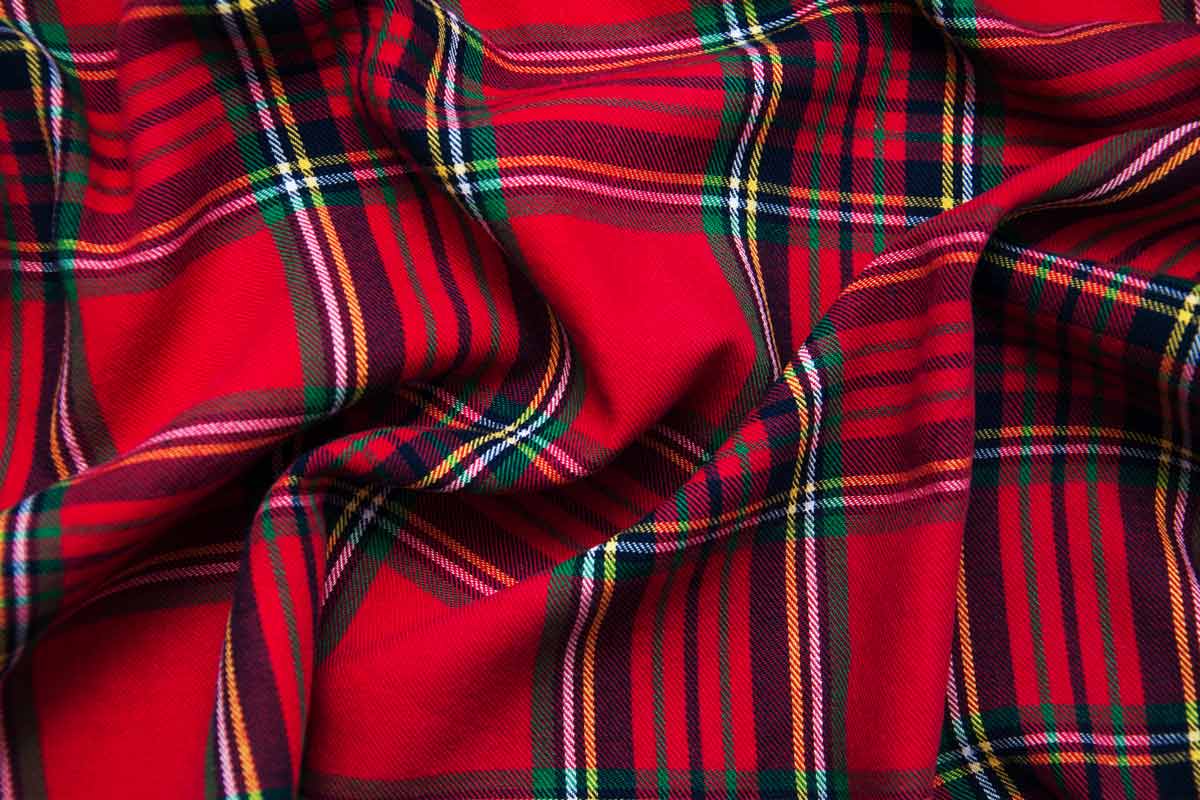
The word “tartan” conjures images of kilts, Scottish heritage, and vibrant, interlocking patterns. But beyond its iconic cultural associations, what precisely is a tartan? At its core, a tartan is a woven cloth characterized by a distinctive pattern of crisscrossed horizontal and vertical bands in multiple colors. This seemingly simple description belies a rich history, intricate design principles, and a surprising breadth of application that extends far beyond the Highlands of Scotland. Understanding a tartan involves delving into its construction, its historical evolution, and the modern contexts in which it thrives.
The Anatomy of a Tartan: Weaving the Threads of Identity
At its most fundamental level, a tartan is a textile. The magic lies not just in the colors, but in the precise arrangement and weaving of threads that create its unique and instantly recognizable designs.

The Grid and the Set: The Blueprint of a Tartan
Every tartan, regardless of its complexity, is built upon a fundamental grid system. This grid dictates the width of the stripes and the number of threads of each color used in a repeating sequence. This sequence is known as the “set” or “pattern.” The set is typically recorded as a series of numbers, representing the number of threads of each color in sequence. For example, a simplified set might read “6 black, 4 white, 2 red, 8 black.” This set, when woven, creates a specific visual rhythm and proportion.
The threads themselves are crucial. Tartans are traditionally woven from wool, which provides a rich texture and allows for vibrant dye retention. The warp threads (running lengthwise) and the weft threads (running widthwise) interlace at right angles. The way these threads of different colors are arranged within the warp and weft determines the final pattern. When the same thread color appears in both the warp and weft in the same position within the grid, it creates a solid block of color. When different colors are present, they can blend or contrast depending on their proximity and the weaving technique.
The “Sett” as a Signature: Uniqueness in Every Design
What makes each tartan distinct is its unique “sett” – the specific sequence and width of threads that form the pattern. This sett is the blueprint, the DNA of a tartan. Even subtle variations in the number of threads or the order of colors can result in a completely different visual outcome. Historically, tartans became associated with specific Scottish clans, and the clan sett was a powerful symbol of lineage and belonging. Families would develop their own variations, often passed down through generations.
The “crossing” of threads is another key element. When the warp and weft threads of the same color intersect, they create a square or rectangular block. When threads of different colors intersect, the resulting color can be a blend or a strong contrast, depending on the dye and weave. This interplay of intersecting threads creates the characteristic crisscross effect. The precision in the weaving process is paramount; any deviation can alter the intended visual harmony of the tartan.
From Clan Symbols to Global Icons: The Evolution of the Tartan
The tartan’s journey from a practical garment to a cultural emblem is a fascinating narrative of history, politics, and cultural rediscovery. Its origins are debated, but its rise to prominence is undeniable.
The Early Days: Practicality and Regional Identity
The earliest forms of tartan likely emerged out of necessity, with communities in the Scottish Highlands using locally available wool and dyes to create practical clothing for protection against the elements. The patterns, while perhaps not as formalized as today’s, would have been influenced by local traditions and available resources. It’s believed that these early tartans served as regional identifiers, distinguishing people from different glens or areas rather than specific clans. The dyes would have been derived from natural sources like plants, lichens, and minerals, leading to a more earthy and varied color palette.
The word “tartan” itself is thought to have Celtic origins, possibly derived from the Gaelic “tireadh-an” or “tarsainn,” referring to threads that cross over or a checkered pattern. Early descriptions of tartan-clad Highlanders often referred to them as wearing “plaid,” which can be a large blanket or cloak woven in tartan cloth, worn over the shoulder or wrapped around the body. The functional aspect of tartan as durable, warm, and adaptable to varying weather conditions was undoubtedly a primary driver of its adoption.
The Jacobite Rebellions and the Forbearance Act: A Period of Suppression

A significant turning point in the history of tartan came with the Jacobite Rebellions of the 18th century. Tartan became strongly associated with the Jacobite cause, and following the decisive defeat of the Jacobites at the Battle of Culloden in 1746, the British government enacted the Dress Act (often mistakenly referred to as the Forbearance Act). This act outlawed the wearing of Highland dress, including tartan, by civilians in Scotland. The intention was to suppress Highland culture and prevent future uprisings. This period of proscription, lasting for over three decades, forced many to abandon their traditional attire and, in some cases, led to the loss of specific clan sett designs as knowledge was not passed down.
The act, however, did not extinguish the spirit of tartan. Instead, it created a sense of clandestine pride and fostered a desire for its revival. During this period of suppression, tartan continued to be worn by the military, particularly in Highland regiments of the British Army, where it was seen as a symbol of martial prowess and distinctiveness.
The Romantic Revival and the Modern Tartan Renaissance: Reclaiming Heritage
The repeal of the Dress Act in 1782 marked the beginning of a dramatic resurgence for tartan, fueled by the Romantic movement and a renewed interest in Scottish heritage. Figures like Sir Walter Scott played a pivotal role in popularizing Highland culture. His lavish portrayal of Scottish traditions, including the reintroduction of tartans, captured the imagination of the public.
The visit of King George IV to Scotland in 1822, meticulously orchestrated by Scott, cemented tartan’s place in the national consciousness. The King himself wore tartan, and the event sparked a widespread adoption of tartans by Scots as a symbol of national pride and identity. This era saw the formalization of many clan tartans, with organizations and tartan societies working to research, record, and register specific patterns. This period of revival also saw the rise of new tartans commissioned for specific purposes, such as the Royal Tartan, designed for the royal family.
The development of synthetic dyes in the 19th century also played a role, offering a wider and more vibrant range of colors than had been previously possible with natural dyes, further enhancing the visual appeal of tartans. Today, tartan is not just a historical artifact; it is a dynamic and evolving element of cultural identity, continuously being reinterpreted and adopted.
Beyond Scotland: The Global Reach and Diverse Applications of Tartan
While deeply rooted in Scottish heritage, the tartan pattern has transcended its origins to become a globally recognized and versatile design element, finding its way into fashion, branding, and even technology. Its enduring appeal lies in its inherent visual structure and its ability to evoke a sense of tradition, luxury, and belonging.
Fashion and Lifestyle: A Timeless Design Aesthetic
In the world of fashion, tartan is a perennial favorite, appearing on everything from haute couture garments to everyday accessories. Its bold patterns and rich color combinations lend themselves to a wide array of styles, from classic and sophisticated to edgy and avant-garde. Designers frequently incorporate tartan into their collections, reimagining its traditional use in contemporary ways. A tartan scarf can add a touch of heritage to a modern outfit, while a tartan kilt remains a powerful symbol of Scottish identity and celebration.
Beyond clothing, tartan finds its way into home décor, such as upholstery, cushions, and rugs, adding warmth and character to living spaces. It’s also a popular choice for accessories like bags, ties, and even stationery. The versatility of tartan means it can be scaled and recolored to suit diverse tastes and trends, ensuring its continued relevance in the lifestyle market. The inherent structure of the tartan also makes it visually appealing in graphic design, offering a sense of order and tradition that can be adapted for various branding purposes.
Branding and Corporate Identity: Symbolizing Heritage and Quality
The tartan pattern has been adopted by numerous brands, not only those with Scottish connections but also those seeking to imbue their identity with qualities of heritage, tradition, reliability, and a touch of luxury. A well-chosen tartan can evoke a sense of established quality and timeless appeal. For example, luxury brands might use tartan to convey a sense of heritage and exclusivity.
The Scottish government and various Scottish organizations leverage tartan as a powerful symbol of national identity in their branding and marketing efforts. Tartan is often used in tourism campaigns, official emblems, and promotional materials to visually communicate Scotland’s rich cultural heritage. Even companies with no direct Scottish ties have embraced tartan for its aesthetic appeal and the associations it can convey. The recognizable visual language of tartan allows brands to create a distinct and memorable identity that can resonate with consumers seeking a connection to history and craftsmanship.
The Future of Tartan: Digital Design and New Expressions
The digital age has opened up new frontiers for tartan design and appreciation. While traditional weaving methods remain paramount for authentic tartans, digital tools allow for the creation and manipulation of tartan patterns in unprecedented ways. Graphic designers can now easily generate intricate tartan variations, experiment with color palettes, and integrate them into digital media.
Furthermore, the concept of the tartan set is being explored in new contexts. In the realm of art and technology, artists and designers are using the mathematical principles behind tartan to create generative art, interactive installations, and even explore data visualization. The inherent grid structure and repeating motifs of tartan offer a unique framework for these creative explorations. As technology advances, we can expect to see even more innovative applications of this ancient pattern, ensuring its continued evolution and relevance for generations to come. From its humble beginnings as functional cloth to its status as a global design icon, the tartan continues to weave a rich tapestry of history, culture, and creativity.
aViewFromTheCave is a participant in the Amazon Services LLC Associates Program, an affiliate advertising program designed to provide a means for sites to earn advertising fees by advertising and linking to Amazon.com. Amazon, the Amazon logo, AmazonSupply, and the AmazonSupply logo are trademarks of Amazon.com, Inc. or its affiliates. As an Amazon Associate we earn affiliate commissions from qualifying purchases.