
In an era of economic volatility and fluctuating market conditions, the ability to build a liquidity cushion quickly is more than just a financial goal—it is a critical survival skill. Whether you are preparing for an unforeseen emergency, capitalizing on a sudden investment opportunity, or simply aiming to break the cycle of living paycheck to paycheck, saving cash fast requires a combination of surgical expense reduction and aggressive income optimization.
This guide moves beyond basic platitudes about “buying fewer lattes” to provide a professional, high-level framework for reclaiming your capital. By focusing on high-impact strategies across four core pillars—structural audits, lifestyle optimization, financial technology, and immediate income generation—you can accelerate your savings rate significantly within a 30-to-90-day window.

1. The Structural Audit: Identifying and Plugging Invisible Leaks
The fastest way to save cash is to stop it from leaving your accounts in the first place. Most individuals suffer from “lifestyle creep” and “subscription fatigue,” where small, recurring expenses quietly erode their net worth. A structural audit involves a deep dive into your fixed and semi-variable costs to identify inefficiencies.
The Subscription and SaaS Purge
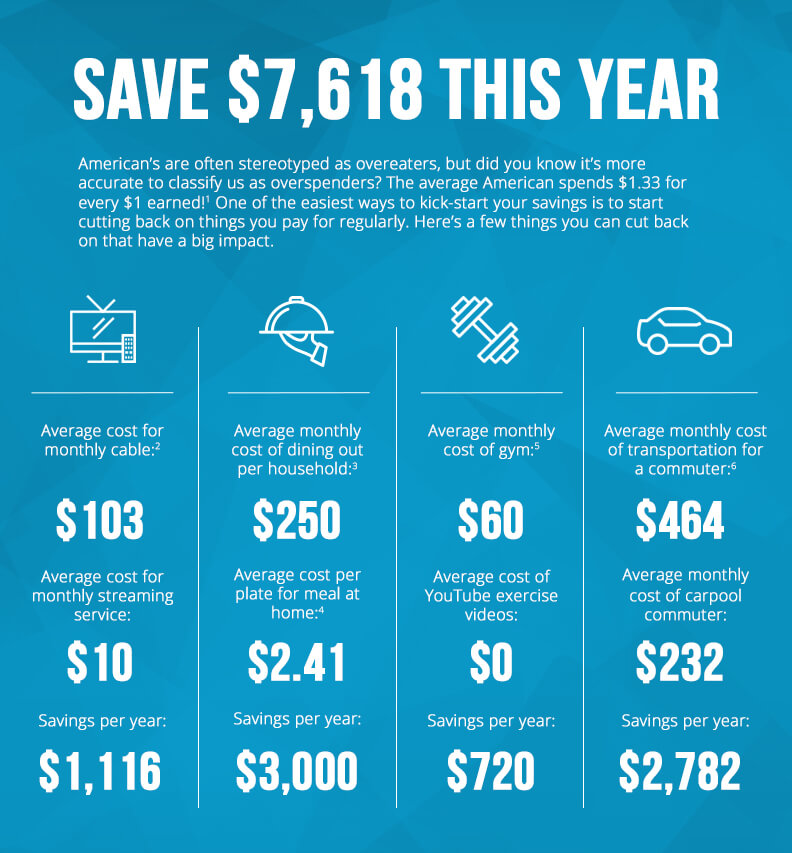
In the digital economy, we are often billed for services we no longer utilize. According to recent financial studies, the average consumer underestimates their monthly subscription spend by several hundred dollars. To save cash fast, you must perform a “zero-based” review of your bank statements from the last three months.
Identify every recurring charge—from streaming services and gym memberships to professional software and premium news tiers. If you haven’t used the service in the last 30 days, cancel it immediately. For services you do use, check for “downgrade” opportunities. Many platforms offer lower-tier plans that provide 90% of the value for 50% of the cost.
Negotiating Fixed Liabilities
Many people assume that bills like internet, insurance, and cellular service are non-negotiable. This is a fallacy. Service providers often have “retention departments” authorized to offer significant discounts to keep customers from churning.
Spend one afternoon calling your utility and service providers. Armed with quotes from competitors, request a rate reduction. This “negotiation hour” can often result in $100–$300 in immediate monthly savings, which, when redirected into a savings account, provides a permanent boost to your cash accumulation speed without changing your quality of life.
Refinancing and Interest Rate Management
If you are carrying high-interest debt, such as credit card balances, the interest payments are actively sabotaging your ability to save. One of the most effective “fast” moves is to execute a balance transfer to a 0% APR introductory card or to consolidate high-interest debt into a lower-interest personal loan. By reducing the “cost of money,” you ensure that more of your monthly payment goes toward the principal, freeing up cash flow for your savings goals.
2. Tactical Lifestyle Optimization and “Financial Fasting”
While structural audits handle the background noise of your finances, tactical lifestyle optimization focuses on the discretionary spending that occurs in real-time. To save cash at an accelerated pace, one must adopt a “warroom” mentality toward spending.
The “No-Spend” Challenge and Financial Fasting
One of the most effective psychological tools for rapid saving is the “No-Spend Month.” During this period, you commit to spending money only on absolute essentials: housing, basic groceries, and transit. All “wants”—including dining out, entertainment, and new apparel—are suspended.
This “financial fast” serves two purposes. First, it provides an immediate, significant injection of cash into your savings. Second, it resets your “dopamine baseline” regarding consumption. You quickly realize how much of your spending is driven by habit or boredom rather than necessity. The capital saved during a single month of fasting can often form the bedrock of an emergency fund.
Strategic Grocery Procurement and Bulk Rationalization
Food is typically the largest variable expense in a household budget. Saving cash fast requires a shift from “convenience shopping” to “strategic procurement.” This involves meal planning around loss-leaders (items sold at a loss by grocery stores to entice customers) and buying staples in bulk.
Avoid pre-packaged or processed foods, which carry a significant markup for convenience. Instead, focus on high-nutrient, low-cost foundations like grains, legumes, and seasonal produce. By reducing dining out and optimizing grocery spend, a household can often reclaim $400 to $800 per month.
Energy and Transportation Efficiency
Small adjustments in home energy consumption and transportation habits can yield surprisingly fast results. Adjusting your thermostat by just three degrees, sealing air leaks, and switching to LED lighting can reduce utility bills by 10-15%.
In terms of transportation, consider the “proximity rule.” For any trip under two miles, walk or bike. If you live in an urban area with robust public transit, consider “pausing” your car usage to save on fuel and parking fees. If you have two vehicles and realize you only need one, selling the second car is perhaps the fastest way to inject thousands of dollars into your cash reserves.
3. Leveraging Financial Tools and Automation
In the modern financial landscape, your choice of tools can dictate the speed at which your savings grow. Using the right accounts and automation strategies ensures that your money is working for you 24/7.
High-Yield Savings Accounts (HYSA) and Money Market Funds
Keeping your “fast savings” in a traditional big-bank savings account is a mistake, as these accounts often pay negligible interest. To maximize your momentum, move your funds to a High-Yield Savings Account (HYSA) or a Money Market Fund.
With interest rates currently at decade-highs, these accounts can offer 4% to 5% APY. While this won’t make you wealthy overnight, it ensures that your savings are protected against inflation and are earning a meaningful return with zero risk. Liquidity is key here; ensure the account allows for quick transfers should you need the cash.
The “Pay Yourself First” Automation
The greatest enemy of saving fast is human willpower. To bypass this, you must automate your savings. Set up a split-deposit with your employer so that a specific percentage of your paycheck goes directly into your high-yield savings account before it ever touches your checking account.
If you don’t see the money, you won’t spend it. This creates a “forced scarcity” in your primary spending account, compelling you to adhere to your budget while your savings grow quietly in the background.
Micro-Saving and Cashback Portals
While they may seem small, micro-saving apps that “round up” your purchases to the nearest dollar can add an extra $50–$100 to your savings monthly without any effort. Furthermore, using cashback portals and credit card rewards (only if you pay the balance in full) can act as a “rebate” on your essential spending. Redirecting these rewards into your savings account rather than using them for more spending is a professional move that compounds over time.
4. Accelerating Inflow: Immediate Income Generation
There is a floor to how much you can cut, but there is no ceiling to how much you can earn. To save cash truly fast, you must attack the problem from both sides of the balance sheet.
Monetizing Underutilized Assets
The fastest way to generate a lump sum of cash is to sell assets that are depreciating or sitting idle. High-value electronics, designer clothing, furniture, or specialized equipment can be liquidated through online marketplaces.
Adopt the “Minimalist Audit”: walk through your home and identify anything you haven’t used in six months. Selling these items not only declutters your environment but can easily generate $1,000 to $5,000 in a matter of weeks.
High-Velocity Freelancing and the “Gig” Pivot
If you have a professional skill—such as writing, coding, graphic design, or bookkeeping—you can leverage “gig economy” platforms to find immediate contract work. Unlike long-term career moves, high-velocity freelancing focuses on “quick-turn” projects that pay within 7 to 14 days.
Alternatively, look for local opportunities for immediate labor. Task-based apps offer opportunities for manual labor, deliveries, or administrative tasks that pay out almost instantly. While not a long-term career strategy, committing 10–15 hours a week to a side hustle for a short period can significantly accelerate your savings timeline.
Reclaiming “Forgotten” Money
A surprising amount of cash is often tied up in forgotten places. Check for unclaimed property through state databases, which hold uncashed checks, forgotten utility deposits, and old bank accounts. Additionally, look at your tax withholdings. If you consistently receive a large tax refund, you are essentially giving the government an interest-free loan. Adjusting your W-4 to increase your take-home pay allows you to put that money into your high-yield savings account immediately, earning interest for yourself instead.
Conclusion: Developing a Wealth-Building Momentum
Saving cash fast is not merely an exercise in deprivation; it is a strategic reorganization of your financial life. By combining the structural discipline of an audit, the tactical aggression of a “no-spend” period, the intelligence of modern financial tools, and the drive of auxiliary income, you create a powerful synergy.
The “fast” aspect of this strategy is vital because it provides immediate positive reinforcement. Seeing your balance grow by thousands of dollars in a single quarter creates the psychological momentum necessary to transition from “saving for an emergency” to “investing for wealth.” Once the initial goal is met, the habits you’ve developed—mindful spending, automated saving, and income diversification—become the foundation of a sophisticated and resilient financial future. Professional wealth management begins with the mastery of your own cash flow; start today, and the results will compound sooner than you think.
aViewFromTheCave is a participant in the Amazon Services LLC Associates Program, an affiliate advertising program designed to provide a means for sites to earn advertising fees by advertising and linking to Amazon.com. Amazon, the Amazon logo, AmazonSupply, and the AmazonSupply logo are trademarks of Amazon.com, Inc. or its affiliates. As an Amazon Associate we earn affiliate commissions from qualifying purchases.