
The concept of popular sovereignty—the principle that the authority of a state and its government are created and sustained by the consent of its people—was once a revolutionary political theory that toppled monarchies and birthed modern democracies. However, as we navigate the third decade of the 21st century, the definition of “the people” and “governance” is shifting from physical territories to digital ecosystems. In the realm of technology, popular sovereignty is no longer just a historical term found in textbooks; it has become the foundational blueprint for the decentralized web, data privacy, and the future of human coordination.
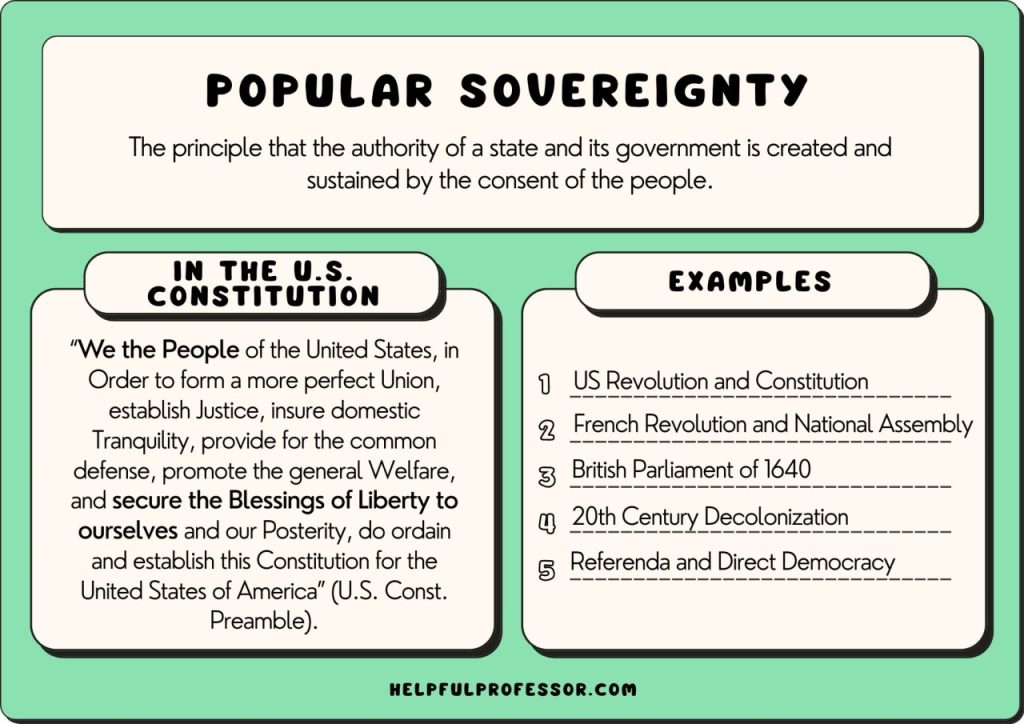
In this tech-centric exploration, we examine how the spirit of popular sovereignty has been encoded into blockchain protocols, decentralized autonomous organizations (DAOs), and self-sovereign identity systems. We are witnessing a transition from the sovereignty of the nation-state to the sovereignty of the digital individual.
The Evolution of Sovereignty: From Political Theory to Digital Protocol
To understand the modern tech application of popular sovereignty, one must first recognize its shift from a legal status to a functional capability. Historically, popular sovereignty was exercised through the ballot box once every few years. In the digital age, technology allows for a more granular, real-time expression of collective will.
Defining Traditional Popular Sovereignty
In its original context, popular sovereignty was the antidote to the “divine right of kings.” It proposed that legitimacy flows from the bottom up, not the top down. While this worked for territorial governance, it struggled to scale in the digital world, where centralized tech giants—the “digital monarchs” of the 20th century—began to aggregate power, data, and influence without a direct mandate from their users.
The Shift Toward Digital Autonomy
As internet users grew weary of “platform risk” (the danger of a centralized entity changing rules or deleting accounts unilaterally), a new movement emerged. This movement sought to use cryptography to return power to the edges of the network. Technology like Bitcoin and Ethereum introduced the idea that a network could be governed by its participants through code rather than by a board of directors. This is the birth of digital popular sovereignty: a system where the “consent of the governed” is written into the software itself.
Decentralized Autonomous Organizations (DAOs): Popular Sovereignty in Code
The most direct technological manifestation of popular sovereignty today is the Decentralized Autonomous Organization, or DAO. A DAO is a community-led entity with no central authority. It is fully autonomous and transparent: smart contracts lay the foundational rules, execute the agreed-upon decisions, and at any point, the code, the votes, and the treasury can be publicly audited.
Governance Tokens and Voting Power
In a DAO, popular sovereignty is exercised through governance tokens. Unlike traditional shares in a company, which often grant limited influence, governance tokens allow users to propose changes, vote on upgrades, and decide how resources are allocated. This mimics the democratic process but operates at the speed of the internet. Whether it is a protocol like Uniswap or a social club like Friends With Benefits, the users are the sovereign owners of the platform’s future.
Smart Contracts: The New Social Contract
Jean-Jacques Rousseau once wrote of the “Social Contract,” an implicit agreement among members of a society to cooperate for social benefits. In tech, the smart contract makes this agreement explicit and immutable. Once a community votes on a proposal, the smart contract executes the result automatically. There is no need for a middleman to “interpret” the will of the people. This “code is law” approach ensures that the sovereignty of the collective is protected from the whims of powerful individuals.
Data Sovereignty and the Individual in Web3
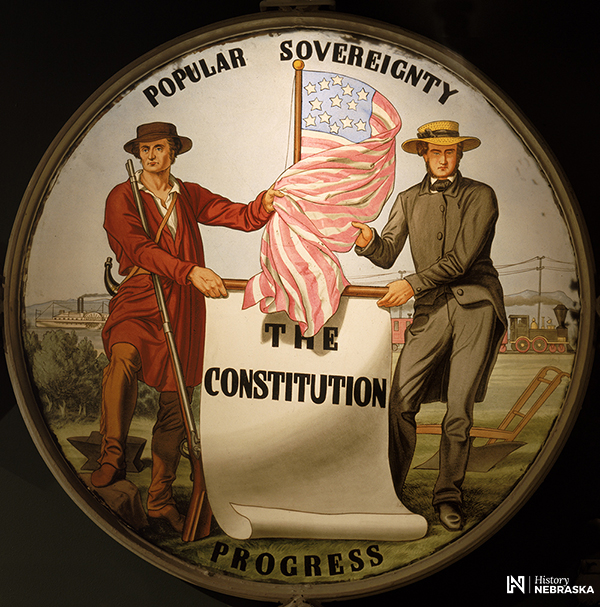
Beyond organizational governance, popular sovereignty is fundamentally about the individual’s right to own their digital life. For decades, the tech industry operated on a “feudal” model: users lived on land owned by Google, Meta, or Amazon, paying for their stay with their data. The shift toward digital sovereignty seeks to end this data serfdom.
Breaking the Centralized Monopoly
Centralized platforms treat user data as a corporate asset. In contrast, the tech movement toward “Self-Sovereign Identity” (SSI) posits that individuals should own their identity, credentials, and personal information. By using decentralized identifiers (DIDs) and zero-knowledge proofs, users can interact with services without surrendering their entire digital history. This is the ultimate expression of popular sovereignty: the right of the individual to control their own digital boundaries.
Self-Sovereign Identity (SSI)
SSI technology allows users to carry their “sovereignty” across different platforms. Instead of having a dozen different passwords managed by different corporations, a user holds their own keys. This tech stack ensures that if a platform becomes tyrannical or fails to serve the user’s interest, the user can “exit” with their data and reputation intact. This ability to exit is a critical component of sovereignty that was previously impossible in the “walled gardens” of Web2.
The Challenges of Digital Democracy
While the technological tools for popular sovereignty are more powerful than ever, they are not without significant hurdles. Implementing a truly democratic and sovereign system in code presents unique risks that developers and tech theorists are still struggling to solve.
The Plutocracy Risk in Tokenomics
One of the primary criticisms of current DAO structures is the “one token, one vote” model. This often leads to a plutocracy, where the wealthiest participants have the most influence, mirroring the very systems the technology sought to replace. To achieve true popular sovereignty, the tech community is experimenting with “Quadratic Voting” and “Soulbound Tokens”—assets that represent reputation or personhood rather than just financial wealth. These innovations aim to ensure that the voice of the many outweighs the capital of the few.
Technical Barriers to Participation
For popular sovereignty to be effective, the “populace” must be able to participate. Currently, the complexity of managing private keys, interacting with blockchain interfaces, and understanding smart contract audits creates a high barrier to entry. If only a small, technical elite can exercise sovereignty, the system remains exclusionary. Improving User Experience (UX) and “Account Abstraction” (making crypto wallets as easy to use as email) are essential technological steps to making digital sovereignty accessible to the masses.
The Future of Popular Sovereignty: Towards a Global Digital Commons
As we look toward the future, the concept of popular sovereignty is expanding into the “Digital Commons.” This refers to shared resources—software, data, and internet infrastructure—that are collectively owned and managed by their users rather than private corporations or specific governments.
Open Source as a Sovereign Act
Open-source software is perhaps the longest-running experiment in digital popular sovereignty. Projects like Linux or the core Ethereum protocol are not owned by anyone, yet they are maintained by thousands. This model proves that global communities can build and govern complex systems without a central sovereign. In a world where AI and automation are becoming central to life, ensuring that the underlying algorithms are open-source and community-governed is a matter of civil liberty.
Building Resilient Digital Infrastructure
The ultimate goal of modern tech sovereignty is resilience. By decentralizing the web’s infrastructure—through technologies like IPFS (InterPlanetary File System) for storage or Mesh Networks for connectivity—we create a system that cannot be easily shut down by a single point of failure or a single authority. This infrastructure provides a permanent home for the “popular will,” ensuring that digital expression remains free from censorship.
In conclusion, “what was popular sovereignty” is a question that finds its most exciting answers in the world of technology. While it began as a political movement to reclaim power from monarchs, it has evolved into a technological movement to reclaim power from centralized algorithms. Through DAOs, self-sovereign identity, and decentralized protocols, we are building a world where the people don’t just “consent” to be governed—they own the systems of governance themselves. The challenge for the next generation of technologists is to ensure these systems remain fair, inclusive, and truly sovereign.
aViewFromTheCave is a participant in the Amazon Services LLC Associates Program, an affiliate advertising program designed to provide a means for sites to earn advertising fees by advertising and linking to Amazon.com. Amazon, the Amazon logo, AmazonSupply, and the AmazonSupply logo are trademarks of Amazon.com, Inc. or its affiliates. As an Amazon Associate we earn affiliate commissions from qualifying purchases.