
Spinning, or indoor cycling, has long been revered as a high-intensity, low-impact cardiovascular workout. Born from the vision of professional cyclist Jonathan Goldberg in the late 1980s, it quickly evolved from a niche training method into a global fitness phenomenon. Initially, the core concept was simple: a stationary bicycle, a motivating instructor, and a room full of participants synchronized to music, pedaling through simulated terrains and intervals. However, in the 21st century, the definition of “spinning exercise” has expanded dramatically, transforming into a sophisticated blend of physical exertion and digital innovation. Far from being a mere static bike session, modern spinning is a deeply integrated technological experience, leveraging advancements in hardware, software, connectivity, and data analytics to deliver unparalleled engagement, personalization, and performance tracking. It is a testament to how technology has not just enhanced, but fundamentally redefined, the very essence of a traditional fitness activity.
The Core Mechanics: Spinning’s Foundation and Early Tech Integration
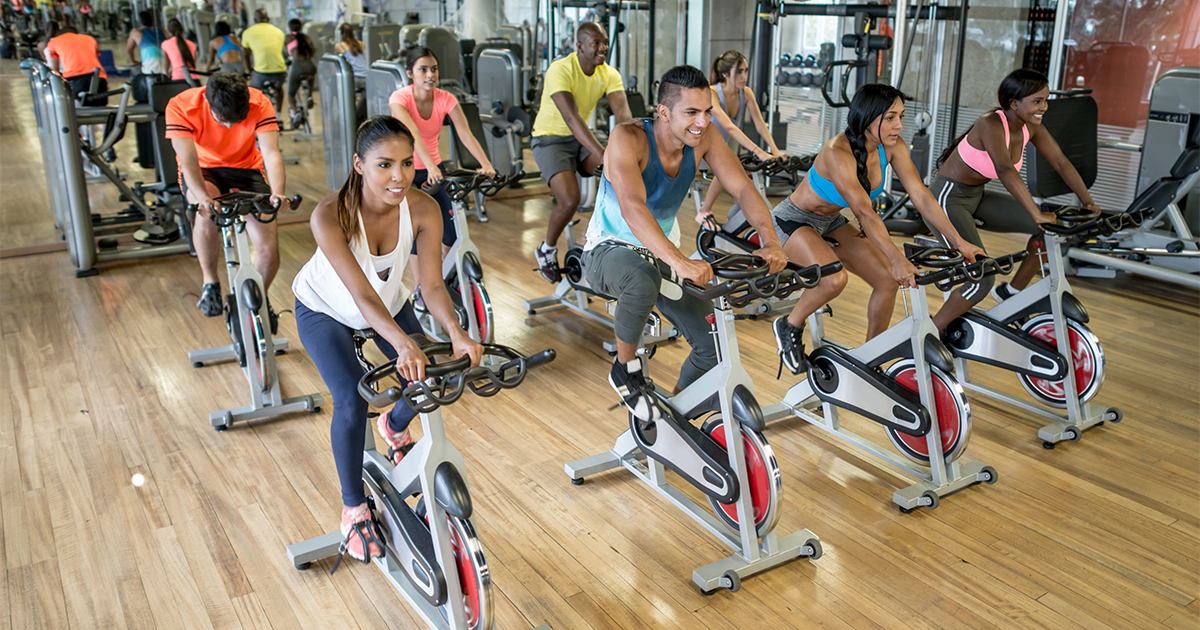
At its heart, spinning remains an endurance exercise performed on a specialized stationary bicycle. Yet, even the foundational elements of this equipment have undergone significant technological evolution, setting the stage for the immersive experiences we see today. Understanding these core mechanics is crucial to appreciating the subsequent technological revolution that has swept through the spinning world.
Understanding the Stationary Bike: Beyond Basic Pedals
The foundational piece of equipment, the stationary indoor cycle, distinguishes itself from traditional exercise bikes by design choices optimized for group fitness and intensity. Key components include a heavy flywheel, often front-mounted, which provides momentum and a smooth, road-like feel. Resistance mechanisms, originally friction-based pads, have largely evolved into more precise and durable magnetic resistance systems. These modern systems offer quieter operation, finer adjustments, and eliminate wear and tear on the flywheel. The saddle and handlebars, designed to mimic road bikes, allow for various riding positions—seated flats, standing climbs, and jumps—each engaging different muscle groups and intensity levels. Early bikes featured basic consoles displaying rudimentary metrics like time and distance. The shift to magnetic resistance, combined with more sophisticated sensors, marked the initial foray into integrating more advanced technology, enabling precise control and measurement unheard of in the early days.
The Group Fitness Phenomenon: Early Digital Aids
The magic of early spinning lay in the group dynamic, driven by an energetic instructor and synchronized to curated playlists. In this initial phase, technology primarily served to amplify the experience rather than quantify it. High-quality sound systems were paramount, ensuring every beat and instruction resonated throughout the studio. Basic visual cues, perhaps simple timers or intensity indicators projected onto a screen, were the extent of digital integration. The focus was on collective motivation, rhythmic cadence, and the shared challenge. While lacking the granular data we now expect, this era established the communal and engaging atmosphere that would later be augmented by sophisticated digital platforms, proving that even nascent technological aids could significantly enhance a physical activity.
From Basic Consoles to Smart Displays: The Dawn of Data
The true technological leap began with the evolution of the bike’s console. What started as simple digital readouts for time, distance, and perhaps estimated calories, rapidly transformed into sophisticated smart displays. These displays moved beyond mere passive information, incorporating backlit screens, user-friendly interfaces, and the ability to track more nuanced metrics like RPM (revolutions per minute) or cadence. The ability to see your real-time effort translated into tangible numbers was a game-changer, fostering a sense of accountability and direct feedback. This transition from basic, isolated feedback to more comprehensive, integrated data presentation laid the groundwork for the fully connected smart bikes and ecosystems that define contemporary spinning, empowering riders with actionable insights into their performance.
Smart Bikes and Connected Ecosystems: The Modern Spin Experience
The contemporary spinning exercise is largely defined by the advent of smart bikes and their seamless integration into vast digital ecosystems. These innovations have moved spinning beyond a purely physical endeavor, transforming it into a highly interactive, data-rich, and personalized experience.
Integrated Sensors and Performance Metrics: The Data Revolution
Modern smart bikes are veritable powerhouses of sensor technology. Gone are the days of estimation; today, riders can track an array of precise performance metrics in real-time. Power meters, often integrated into the crank arms or pedals, provide a highly accurate measurement of effort in watts, the gold standard for cycling training. Cadence sensors precisely measure RPM, crucial for optimizing efficiency and intensity. Integrated heart rate monitors, or seamless connectivity to external chest straps and optical sensors, offer vital insights into cardiovascular exertion. Furthermore, advanced algorithms estimate calories burned based on individual user profiles and power output. All this data is not merely displayed; it’s collected, analyzed, and often used to drive personalized feedback and future workout recommendations, turning every ride into a data-driven training session.
Interactive Screens and Virtual Worlds: Immersive Training
Perhaps the most visually striking innovation is the integration of large, interactive touchscreens directly onto smart bikes. These screens transform the cycling experience from a static workout into an immersive journey through virtual worlds. Platforms like Zwift offer gamified, multiplayer environments where riders can race, train, and explore alongside others from around the globe, all while physically pedaling at home. Peloton and iFit, on the other hand, provide access to vast libraries of on-demand classes led by charismatic instructors, often filmed in stunning real-world locations or dynamic studios. These virtual rides allow users to simulate climbing mountains, sprinting through cityscapes, or cruising along scenic coastal roads, complete with realistic visual and auditory feedback, making the workout feel less like exercise and more like an adventure.
Ecosystem Integration: Apps, Wearables, and Cloud Data
The true power of modern spinning lies in its connectivity. Smart bikes are no longer standalone machines; they are integral components of a larger digital fitness ecosystem. They connect wirelessly (via Bluetooth or ANT+) to a myriad of third-party fitness apps like Strava, MyFitnessPal, and Apple Health. This enables automatic logging of workout data, allowing users to track progress over time, participate in virtual challenges, and share achievements with a global community. Furthermore, smart bikes often integrate with wearable devices such as smartwatches and fitness trackers, consolidating all health and wellness data into a single, comprehensive profile. This cloud-based data storage and synchronization provide a holistic view of a user’s fitness journey, allowing for deeper analysis, trend identification, and more informed decision-making regarding training and recovery.
AI and Personalization in Spinning: Adaptive Workouts
The synergy of advanced sensors, cloud data, and powerful algorithms has paved the way for artificial intelligence (AI) to revolutionize personalization in spinning. AI-driven platforms can analyze a rider’s historical performance, current fitness levels, and stated goals to generate dynamically adaptive workouts. This means the resistance, duration, and intensity of a session can be automatically adjusted in real-time based on the rider’s physiological response and progress. For instance, if a user consistently exceeds their target power, the AI might subtly increase resistance for the next interval. Conversely, if fatigue is detected, it might suggest a recovery period. This level of personalized coaching, previously only available through expensive personal trainers, is now embedded directly into the spinning experience, optimizing performance and preventing plateouts.
The Rise of Digital Platforms and At-Home Spinning
The convergence of smart bike technology with robust digital content platforms has fundamentally reshaped the landscape of spinning, most notably by facilitating the boom of at-home fitness and fostering global communities.
Subscription Services and On-Demand Classes: Content is King
Companies like Peloton, Echelon, and NordicTrack (with iFit) have pioneered a new business model that combines high-quality hardware with premium digital content subscription services. This model provides users with an extensive library of on-demand classes, live streaming sessions, and curated training programs led by world-class instructors. Subscribers gain access to a constantly updated repository of diverse workouts—from intense interval training and simulated climbs to recovery rides and themed classes—all accessible from the comfort of their home. This “content is king” approach ensures a fresh, engaging, and continuously evolving workout experience, making repetitive gym routines a thing of the past.
The “Netflix of Fitness”: Accessibility and Convenience
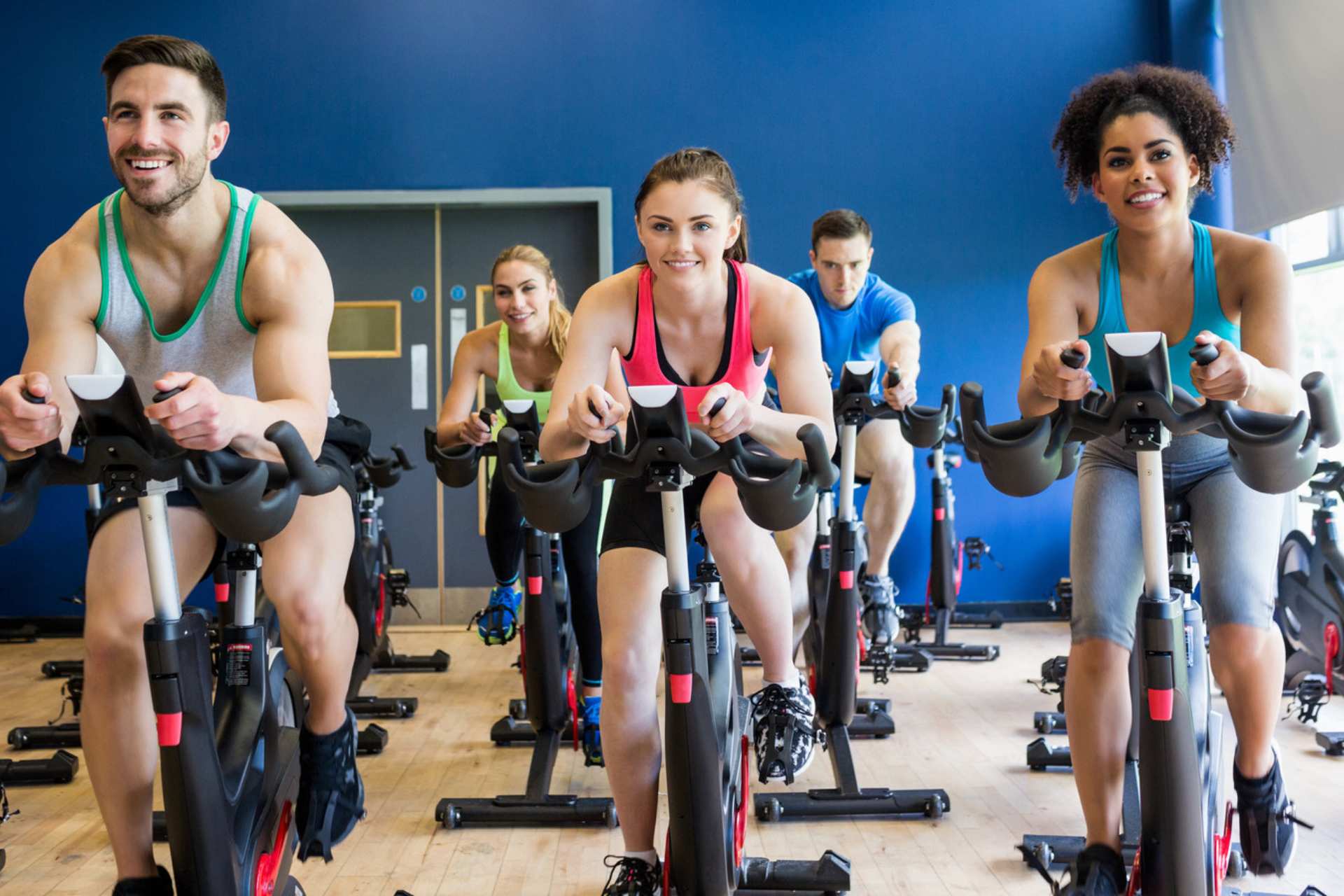
This subscription-based, on-demand model has effectively created a “Netflix of fitness,” democratizing access to boutique studio experiences. Geographic limitations, rigid class schedules, and the intimidation factor of traditional gyms are virtually eliminated. Users can now enjoy high-caliber spinning instruction anytime, anywhere, fitting their workouts seamlessly into busy lifestyles. This unprecedented level of accessibility and convenience has been a major driver in spinning’s recent surge in popularity, bringing the benefits of structured, expert-led training to millions who might not otherwise have access.
Community and Social Features: Connecting Through Code
Despite being an individual workout at home, digital platforms have ingeniously replicated and even enhanced the communal aspect of spinning studios. Features like live leaderboards, virtual high-fives, and in-class messaging allow riders to connect and compete with friends and strangers alike. Dedicated online forums, social media groups, and integrated sharing capabilities foster a sense of belonging and camaraderie. Many platforms also offer multi-rider features, allowing friends to “ride together” remotely, adding a social dimension to solo workouts. This digital community aspect provides motivation, accountability, and a shared experience that transcends physical distance, proving that technology can build bridges even in seemingly isolated activities.
Advanced Gadgets and Accessories Enhancing the Ride
Beyond the smart bike itself, a plethora of peripheral gadgets and accessories further elevate the technological sophistication of the spinning exercise, offering deeper insights and more personalized control.
Smart Pedals and Cadence Sensors: Precision at Your Feet
For the truly data-driven enthusiast, smart pedals with integrated power meters and cadence sensors offer even more granular data than what’s often built into the bike. These external devices can provide independent power readings for each leg, revealing imbalances that can lead to injury or inefficiency. They offer extremely precise cadence measurements, allowing riders to fine-tune their pedaling technique for optimal power output and endurance. Such precision tools cater to serious athletes and those committed to optimizing every aspect of their ride, feeding crucial data back into the overall fitness ecosystem.
Heart Rate Monitors (HRM): Chest Straps vs. Optical Sensors
Accurate heart rate data is indispensable for effective cardiovascular training. While many smart bikes have built-in HR capabilities, external HRMs often offer superior accuracy. Chest strap monitors, utilizing electrical signals, are generally considered the gold standard for precision. Optical wrist or arm sensors, found in smartwatches and dedicated trackers, offer convenience with varying degrees of accuracy. These devices seamlessly connect to smart bikes and fitness apps, allowing riders to train within specific heart rate zones, track their recovery, and monitor their overall cardiovascular health, transforming a casual ride into a scientifically informed workout.
Virtual Reality (VR) and Augmented Reality (AR) in Spinning: The Next Frontier
While still in nascent stages, the integration of Virtual Reality (VR) and Augmented Reality (AR) promises to be the next frontier in immersive spinning. Imagine wearing a VR headset and truly feeling like you’re cycling through the Swiss Alps, with the visuals reacting directly to your speed and steering. AR could overlay digital data or virtual instructors onto a real-world view of your living room, creating a hybrid experience. These technologies aim to enhance the sensory experience, making virtual rides even more realistic and engaging, potentially introducing new dimensions of gamification and personalized environmental feedback.
The Future of Spinning: A Continuously Evolving Tech Landscape
The evolution of spinning is far from over. As technology continues its relentless march forward, the “spinning exercise” of tomorrow promises to be even more intelligent, personalized, and seamlessly integrated into our overall health and wellness narratives.
Hyper-Personalization and Predictive Analytics: The Ultimate Coach
The future will see AI playing an even more dominant role, moving beyond adaptive workouts to truly hyper-personalized experiences. Predictive analytics, fueled by vast datasets of individual performance, biometric data, and even genetic predispositions, could anticipate an individual’s needs, prevent overtraining, and proactively recommend optimal training plans. This would effectively put a super-intelligent, virtual cycling coach on every bike, offering nuanced, real-time advice tailored to every rider’s unique physiology and goals.
Seamless Integration with Health & Wellness Platforms: Holistic Health
Future spinning tech will likely integrate even more deeply with broader health and wellness platforms. This means spinning data won’t just live in fitness apps but will seamlessly connect with nutritional trackers, sleep monitoring systems, mental wellness apps, and even medical records. The goal is to provide a holistic view of an individual’s well-being, where a spinning workout is understood not in isolation, but as a crucial component influencing and being influenced by every other aspect of health, leading to truly integrated wellness strategies.
The Role of Haptics and Advanced Feedback: Feeling the Ride
To further blur the lines between virtual and real, advanced haptic feedback systems could become standard. Imagine a smart bike seat that subtly vibrates to simulate road texture, or handlebars that provide resistance variations corresponding to virtual headwinds. Such tactile feedback, combined with improved visual and auditory immersion, would create an unparalleled sense of presence, making virtual rides indistinguishable from their real-world counterparts and deepening the emotional and physical engagement.
Accessibility Innovations: Spinning for Everyone
Technology also holds the key to making spinning more accessible to diverse populations. Adaptive technologies, customized interfaces, and AI-driven modifications could cater to individuals with physical limitations, cognitive differences, or specific health conditions. Voice-controlled systems, larger print options, and adjustable bike geometries could broaden the appeal and inclusivity of spinning, ensuring that the benefits of this dynamic exercise are available to an even wider demographic.
Conclusion
What began as a straightforward, instructor-led group fitness class has blossomed into a sophisticated technological marvel. The spinning exercise, as we know it today, is less about a static bike and more about a dynamic, interconnected ecosystem of hardware, software, and data. From smart bikes bristling with sensors to immersive virtual worlds, AI-driven personalization, and thriving digital communities, technology has not just enhanced spinning; it has fundamentally redefined its scope and potential. It has transformed a simple workout into a measurable, engaging, accessible, and deeply personal journey. As innovations continue, the spinning exercise promises to remain at the forefront of fitness technology, perpetually evolving to deliver increasingly insightful, engaging, and effective experiences for riders around the globe, solidifying its place as a cornerstone of the modern tech-driven wellness landscape.
aViewFromTheCave is a participant in the Amazon Services LLC Associates Program, an affiliate advertising program designed to provide a means for sites to earn advertising fees by advertising and linking to Amazon.com. Amazon, the Amazon logo, AmazonSupply, and the AmazonSupply logo are trademarks of Amazon.com, Inc. or its affiliates. As an Amazon Associate we earn affiliate commissions from qualifying purchases.