
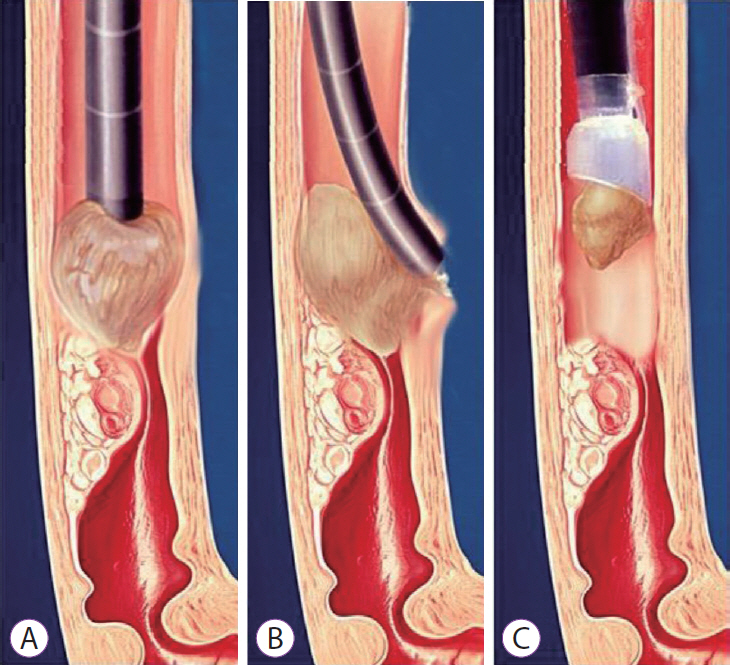
In the traditional biological sense, a food bolus refers to the small, rounded mass of chewed food at the moment of swallowing. However, in the modern landscape of healthcare technology and digital therapeutics, the term “bolus” has undergone a digital transformation. For engineers, software developers, and MedTech innovators, the food bolus represents a critical data event—a precise calculation of medication or a physiological trigger that requires a sophisticated technological response.
As we move toward a world of personalized medicine, the “food bolus” is no longer just a biological occurrence; it is a catalyst for automated insulin delivery (AID) systems, smart wearable sensors, and AI-driven nutritional tracking. This article explores the technological architecture behind bolus management, the evolution of delivery hardware, and the future of smart-tech integration in metabolic health.

The Evolution of Bolus Delivery in Medical Technology
Historically, managing a food bolus—specifically the glycemic impact of a meal—was a manual, error-prone process. It required patients to perform complex mental arithmetic based on carbohydrate counts and insulin sensitivity factors. The tech industry has stepped in to bridge this gap, evolving from rudimentary delivery tools to interconnected digital ecosystems.
From Manual Injections to Smart Pens
The first generation of technology aimed at managing the food bolus focused on precision hardware. Traditional syringes were replaced by “Smart Pens.” These devices are integrated with Bluetooth connectivity to log the exact timing and dosage of a bolus delivery. The software component of these pens syncs with mobile applications, allowing for historical data analysis. This prevents “insulin stacking”—a common user error where multiple doses are delivered too close together—by using local storage and timestamps to calculate active medication levels.
The Integration of Software and Dosing Algorithms
The true leap in technology occurred when the focus shifted from the delivery mechanism to the software governing it. Modern bolus calculators are sophisticated algorithms that reside within smartphone apps or integrated medical devices. These calculators factor in real-time data, including current blood glucose levels, anticipated physical activity, and historical metabolic trends. By utilizing “Bolus Advisors,” software can suggest the optimal dose to counteract the glucose rise associated with a specific food bolus, significantly reducing the cognitive load on the user.
Intelligent Insulin Pumps: Automating the Food Bolus
The most significant advancement in this niche is the development of Continuous Subcutaneous Insulin Infusion (CSII) pumps. These gadgets are essentially miniature computers designed to automate the delivery of a bolus in response to nutritional intake.
How Closed-Loop Systems Interpret Nutritional Data
We are currently in the era of the “Closed-Loop” system, often referred to as the Artificial Pancreas. These systems consist of a glucose sensor, an insulin pump, and an algorithm that facilitates communication between the two. When a user consumes a food bolus, the sensor detects the rising glucose levels and communicates this via a low-energy radio frequency or Bluetooth to the pump’s processor.
The technology uses Proportional-Integral-Derivative (PID) or Model Predictive Control (MPC) algorithms to adjust the delivery in real-time. Unlike manual delivery, these automated systems can “micro-bolus”—delivering tiny, frequent increments of medication to maintain stability, effectively replicating the organic function of biological organs through silicon and code.

The Role of Carbohydrate Counting Apps and Computer Vision
A major hurdle in bolus technology is the accuracy of input data. If a user incorrectly estimates the carbohydrate content of their food bolus, the algorithm will fail. To solve this, the tech industry has introduced AI-powered computer vision. Apps are now being integrated with pump software that allows users to take a photo of their meal. Using neural networks and massive databases of nutritional information, the software identifies the food items, estimates the volume through depth-sensing camera tech, and automatically exports the carb count to the pump’s bolus calculator. This creates a seamless data pipeline from the physical plate to the medical device.
The Future of Digestion Tech: Smart Sensors and AI Diagnostics
Beyond insulin delivery, the concept of the food bolus is being revolutionized by innovations in ingestible sensors and predictive analytics. The technology is moving inside the body to monitor the bolus as it moves through the digestive tract.
Wearable Tech and Continuous Glucose Monitoring (CGM)
The CGM is perhaps the most transformative gadget in the metabolic tech space. These wearables utilize an enzyme-coated filament that sits just under the skin. The hardware converts the chemical reaction of glucose oxidation into a digital signal. This data is transmitted every few minutes to a receiver or smartwatch. For the user, this provides a high-resolution view of how a specific food bolus (e.g., a bowl of pasta vs. a salad) affects their unique physiology. This “biometric feedback loop” is a cornerstone of the burgeoning field of personalized nutrition technology.
Machine Learning and Predictive Glycemic Response
The next frontier is the move from reactive technology to predictive technology. Developers are currently training machine learning models on vast datasets of glucose responses. Future iterations of these tools will be able to predict the impact of a food bolus before it is even consumed. By analyzing the user’s microbiome data, sleep patterns, and stress levels (harvested from other wearables like Oura or Apple Watch), the AI can provide a “Glycemic Forecast.” This enables the tech ecosystem to pre-emptively adjust basal rates or suggest a “pre-bolus” timing to flatten the glucose curve entirely.
Cybersecurity and Data Privacy in Bolus Delivery Devices
As bolus management becomes increasingly reliant on the Internet of Medical Things (IoMT), the focus on digital security has never been more critical. When a piece of software is responsible for delivering medication that can have life-altering consequences, the “code” becomes a matter of physical safety.
Protecting IoT Medical Hardware
Medical devices that manage food bolus delivery are potential targets for cybersecurity threats. A “man-in-the-middle” attack could theoretically intercept the communication between a glucose sensor and a pump, leading to incorrect dosing. Consequently, MedTech companies are implementing robust encryption standards, such as AES-128 or higher, for all Bluetooth communications. Furthermore, the hardware is designed with “fail-safes”—hard-coded limits within the firmware that prevent the device from delivering a lethal dose, regardless of what the external software commands.
Regulatory Standards for Health Data Encryption
The data generated by a user’s food bolus habits is highly sensitive. It reveals lifestyle choices, health status, and daily routines. In the United States, the FDA’s “Software as a Medical Device” (SaMD) regulations require rigorous validation of data integrity. Tech firms must ensure that health data is anonymized before it is used to train AI models. This has led to the adoption of “Edge Computing” in medical devices, where the bolus calculations and data processing happen locally on the device rather than in the cloud, minimizing the surface area for data breaches and ensuring real-time performance without relying on an internet connection.
Conclusion: The Convergence of Biology and Bits
The question “what is a food bolus?” now has two answers. To a doctor, it remains a mass of food. To a technologist, it is a complex data point in a high-stakes digital health ecosystem. The transition from manual management to automated, AI-driven systems represents one of the most successful applications of the Internet of Things in the modern era.
As hardware becomes more discreet—moving from bulky pumps to patch-like wearables—and software becomes more intelligent through machine learning, the friction of managing one’s health is disappearing. We are entering an age where “Smart Bolus” technology will work silently in the background, utilizing cloud computing, advanced sensors, and secure data protocols to ensure that our biological needs are met with mathematical precision. The food bolus is no longer just a step in digestion; it is the input variable for a sophisticated, life-saving technological machine.
aViewFromTheCave is a participant in the Amazon Services LLC Associates Program, an affiliate advertising program designed to provide a means for sites to earn advertising fees by advertising and linking to Amazon.com. Amazon, the Amazon logo, AmazonSupply, and the AmazonSupply logo are trademarks of Amazon.com, Inc. or its affiliates. As an Amazon Associate we earn affiliate commissions from qualifying purchases.