
In the contemporary travel landscape, the question “What is the best cruise line?” is rarely answered with a single name. Instead, the answer lies within the sophisticated world of brand strategy, market positioning, and consumer psychology. For a traveler, “the best” might mean high-energy water slides and family-friendly buffets; for another, it implies silent, minimalist luxury and destination-focused lectures. From a brand perspective, the cruise industry represents one of the most complex exercises in identity management. It is an industry where a company must not only sell a transport service but a curated lifestyle, a community, and an emotional promise.
Understanding which cruise line reigns supreme requires looking past the tonnage of the ships and into the strategic frameworks that define their corporate identities. This article explores how the leading players in the maritime industry utilize brand strategy to carve out niches, foster intense loyalty, and redefine the luxury and mass-market experience.
The Pillars of Identity: How Cruise Lines Build Brand Equity
At its core, a brand is a promise kept. In the cruise industry, where the product is an intangible experience that lasts only a few days but costs thousands of dollars, brand equity is the most valuable asset a company owns. The “best” cruise line is often the one that most successfully aligns its operational reality with its marketing narrative.
Defining the Value Proposition
A successful brand strategy begins with a clear value proposition. For instance, Carnival Cruise Line has masterfully positioned itself as “The Fun Ships.” Their brand strategy does not aim for sophistication or exclusivity; instead, it focuses on accessibility, high energy, and value for money. By contrast, a brand like Seabourn or Silversea focuses on “Ultra-Luxury,” where the value proposition is rooted in privacy, personalized service, and refinement. The strategic brilliance lies in the refusal to be everything to everyone. By narrowing their focus, these brands ensure that their target demographic feels “at home” the moment they step on board.
Emotional Branding and the Guest Journey
Cruise lines are masters of emotional branding. They do not just sell cabins; they sell “milestones”—honeymoons, silver anniversaries, and multi-generational family reunions. The branding extends into the guest journey through “sensory signatures.” This includes everything from the specific scent pumped into the ship’s atrium to the curated musical playlists in the lounges. These elements create a cohesive corporate identity that lingers in the traveler’s mind long after they have returned to land, reinforcing the brand’s position as the “best” in its specific category.
Visual Identity and Naval Architecture
The physical ship is the largest billboard a cruise line possesses. Brand strategy dictates the very design of the vessel. Celebrity Cruises, for example, utilizes “Modern Luxury” as its guiding light, reflected in the outward-facing design of its Edge-series ships and the inclusion of high-end art galleries. This visual consistency ensures that even from a distance, the ship communicates the brand’s core values of innovation and chic sophistication.
Case Studies in Differentiation: Market Leaders and Their Strategies
To understand who is “the best,” we must analyze how different brands have successfully disrupted the market or solidified their dominance through distinct strategic pivots.
Royal Caribbean: The Innovation Powerhouse
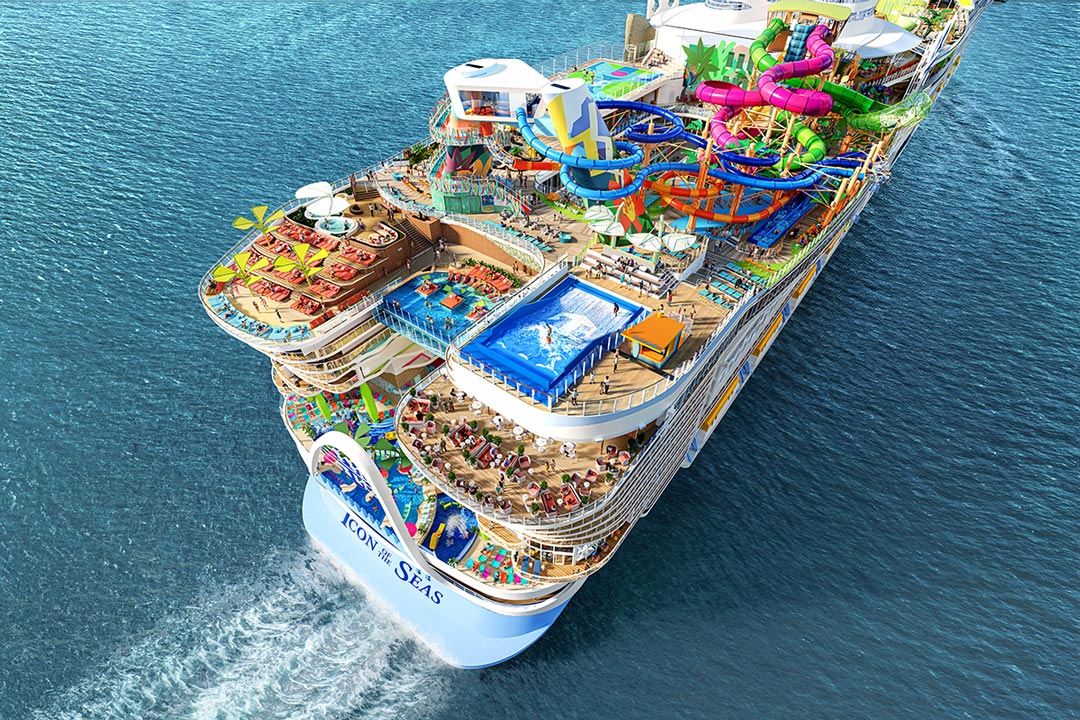
Royal Caribbean International has secured its spot as a leader by leaning heavily into a brand identity centered on “The Impossible Made Possible.” Their strategy is built on being the “biggest and the boldest.” By introducing industry-firsts—like skydiving simulators, ice skating rinks, and robotic bartenders—they have positioned themselves as the ultimate choice for active families and tech-savvy travelers. Their brand message is clear: if you want the cutting edge of entertainment, you choose Royal Caribbean.
Viking: The Power of Omission
Perhaps no brand has a more disciplined strategy than Viking. Their “best” status in the river and ocean categories comes from what they don’t have. Viking’s brand identity is built on being the “Thinking Person’s Cruise.” Their strategy famously includes: no casinos, no children under 18, and no “umbrella drinks.” By stripping away the traditional trappings of cruising, Viking created a massive blue ocean (pun intended) of affluent, culturally curious travelers who felt alienated by the mass-market approach. This is a masterclass in brand positioning through exclusion.
Virgin Voyages: Disrupting the Status Quo
Virgin Voyages entered the market with a brand strategy designed to challenge the very concept of cruising. By targeting “the young at heart” and utilizing an “Adult-by-Design” approach, they leveraged Richard Branson’s existing brand equity—rebellion, glamour, and fun. Their strategy replaced traditional buffets with high-end food halls and traded Broadway shows for immersive, fringe-style theater. They aren’t trying to be the best cruise line; they are trying to be the best vacation for people who hate cruises.
The Psychology of Loyalty: Creating Brand Evangelists
The cruise industry enjoys some of the highest repeat-customer rates in the travel sector. This is not accidental; it is the result of meticulously designed loyalty ecosystems that turn casual passengers into brand evangelists.
Tiered Rewards and Social Status
Most cruise lines operate “Past Guest” programs that are central to their brand strategy. These programs do more than offer discounts; they offer social currency. Higher-tier members receive distinct luggage tags, private cocktail parties, and early access to new itineraries. This creates a “clubhouse” effect where the brand becomes part of the traveler’s social identity. When a traveler asks what the best cruise line is, they are often biased by the status they have worked to achieve within a specific brand’s ecosystem.
Personalization and Data-Driven Branding
In the digital age, the “best” brands are those that use data to personalize the experience. Through wearable technology—like Princess Cruises’ MedallionClass—brands can track guest preferences in real-time. If a guest enjoys a specific vintage of wine or prefers a certain pillow type, the brand remembers. This level of personalization strengthens the brand’s “Reliability” pillar, making it difficult for a competitor to lure the customer away. The brand stops being a vendor and starts being a concierge who “knows” the customer.
Navigating the Future: Sustainability and Brand Evolution
The definition of “the best” is currently undergoing a radical shift as global priorities change. Brand strategy in the 2020s is no longer just about the onboard experience; it is about the brand’s impact on the world.
The Green Transition as a Brand Asset
As environmental concerns become a primary driver for consumer choice, cruise lines are racing to position themselves as leaders in sustainability. Brands like Hurtigruten and Ponant have built their entire identity around “Eco-Conscious Exploration.” For these companies, being the best means having the smallest carbon footprint. Larger lines are also pivoting, investing in Liquefied Natural Gas (LNG) and shore-power connectivity. In the near future, the “best” cruise line will likely be the one that most convincingly demonstrates its commitment to preserving the oceans it traverses.
Brand Resilience in Times of Crisis
The cruise industry has faced significant headwinds, from global health crises to geopolitical shifts. A brand’s strategy during a crisis defines its reputation for decades. Companies that prioritized transparent communication, flexible refund policies, and enhanced safety protocols emerged with higher brand trust. This “Crisis Branding” proved that the best cruise lines are those that view their passengers not as transactions, but as a community to be protected.

Conclusion: The Subjectivity of Excellence
Ultimately, identifying the “best” cruise line is an exercise in matching a consumer’s personal brand with a corporation’s strategic identity. The industry is no longer a monolith; it is a diverse ecosystem of highly specialized brands.
Whether it is the family-centric innovation of Royal Caribbean, the quiet intellectualism of Viking, or the rebellious spirit of Virgin Voyages, each “best” line is a product of a rigorous brand strategy. These companies understand that in a crowded market, the most dangerous place to be is in the middle. By choosing a clear niche, staying consistent in their messaging, and fostering deep emotional connections with their guests, these maritime giants prove that the best cruise line isn’t just the one with the biggest ship—it’s the one with the clearest vision. For the savvy observer, the answer to “what is the best cruise line” is simple: it is the one that most successfully delivers on the dream it promised.
aViewFromTheCave is a participant in the Amazon Services LLC Associates Program, an affiliate advertising program designed to provide a means for sites to earn advertising fees by advertising and linking to Amazon.com. Amazon, the Amazon logo, AmazonSupply, and the AmazonSupply logo are trademarks of Amazon.com, Inc. or its affiliates. As an Amazon Associate we earn affiliate commissions from qualifying purchases.