
The world of investing can often feel like navigating a complex labyrinth, filled with specialized jargon and intricate concepts. For those venturing into the realm of fixed-income securities, understanding the fundamental components of a bond is crucial. Among these, the bond coupon rate stands out as a key determinant of its income-generating potential and overall value. This article will delve deep into what a bond coupon rate is, how it functions, its significance for investors, and the factors that influence it, providing a comprehensive understanding for both novice and seasoned investors.
Understanding the Fundamentals of a Bond Coupon Rate
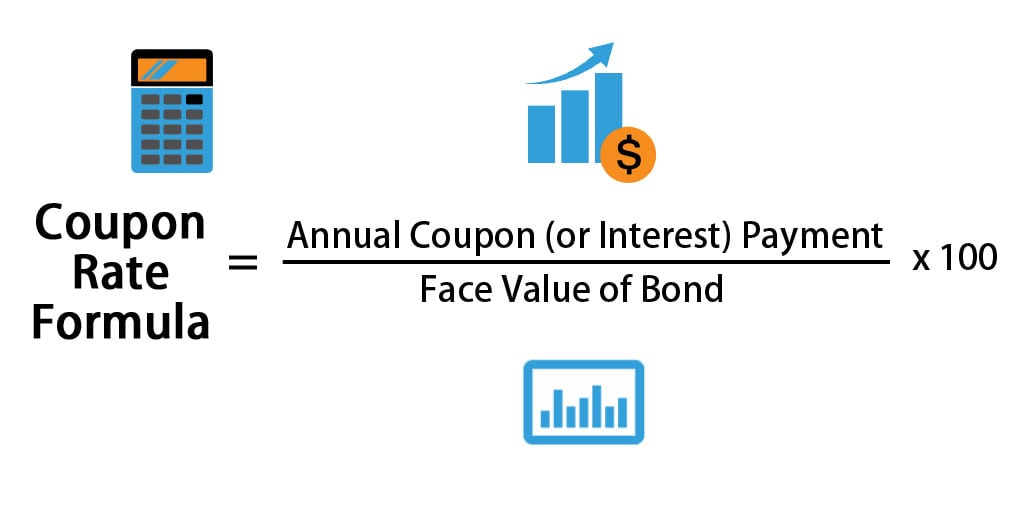
At its core, a bond coupon rate is the annual interest rate that a bond issuer promises to pay to the bondholder. It’s a fixed percentage of the bond’s face value (also known as par value) that is paid out to the investor on a regular schedule, typically semi-annually. This interest payment is often referred to as a “coupon payment” or “coupon.”

The Anatomy of a Bond and its Coupon
To fully grasp the coupon rate, it’s essential to understand the basic structure of a bond. A bond is essentially a loan made by an investor to a borrower, which can be a corporation, government, or municipality. In exchange for lending money, the issuer agrees to:
- Pay periodic interest payments (coupons): This is where the coupon rate comes into play. For instance, if a bond has a coupon rate of 5% and a face value of $1,000, the issuer will pay $50 in interest per year. This $50 is usually divided into two $25 payments, disbursed every six months.
- Repay the principal amount (face value) at maturity: When the bond reaches its maturity date, the issuer is obligated to return the original amount borrowed to the bondholder.
The coupon rate is a pre-determined percentage and, in most cases, remains fixed throughout the life of the bond. This predictability is a significant attraction for investors seeking stable income streams. It’s crucial to distinguish the coupon rate from the bond’s yield. While the coupon rate dictates the fixed interest payment, the yield reflects the actual return an investor receives, which can fluctuate based on the bond’s market price.
Distinguishing Coupon Rate from Yield
The relationship between coupon rate and yield is a common point of confusion for new investors. While they are related, they are not interchangeable.
- Coupon Rate: This is the stated interest rate set by the issuer at the time the bond is issued. It’s calculated as a percentage of the bond’s face value and determines the amount of interest paid. For example, a $1,000 bond with a 4% coupon rate will always pay $40 in annual interest, regardless of its market price.
- Yield: This represents the actual return an investor earns on a bond. The most common measure is the Yield to Maturity (YTM), which accounts for the coupon payments, the bond’s current market price, and the time remaining until maturity.
Here’s how they diverge:
- If a bond is trading at its face value (par value): The coupon rate and the yield will be the same.
- If a bond is trading at a discount (below face value): The yield will be higher than the coupon rate. This is because the investor is buying the bond for less than its face value, and in addition to the coupon payments, they will also receive a capital gain when the bond matures.
- If a bond is trading at a premium (above face value): The yield will be lower than the coupon rate. The investor is paying more than the face value, and this “extra” cost eats into their overall return, offsetting some of the coupon payments.
Understanding this distinction is vital for making informed investment decisions, as it directly impacts the profitability of a bond holding.
How Bond Coupon Rates are Determined and Influenced
The coupon rate offered on a bond is not set in a vacuum. It’s a reflection of several key factors that influence the issuer’s borrowing costs and the market’s demand for the bond.
Factors Influencing Coupon Rate Determination
When a company or government decides to issue bonds, they consider a range of elements to establish the most attractive and feasible coupon rate:
- Creditworthiness of the Issuer: This is perhaps the most significant factor. Issuers with strong credit ratings (e.g., AAA, AA) are seen as less risky, meaning they are more likely to repay their debts. Consequently, they can typically offer lower coupon rates because investors are willing to accept a lower return for a higher degree of security. Conversely, issuers with lower credit ratings (often referred to as “junk bonds” or high-yield bonds) are considered riskier and must offer higher coupon rates to compensate investors for the increased probability of default. Credit rating agencies like Standard & Poor’s, Moody’s, and Fitch play a crucial role in assessing and assigning these ratings.
- Prevailing Interest Rate Environment: The overall level of interest rates in the economy significantly impacts coupon rates. If prevailing interest rates are high, new bond issuances will generally have higher coupon rates to remain competitive. Conversely, when interest rates are low, issuers can offer lower coupon rates. This is because investors have a benchmark to compare returns against, and issuers must align their offerings to attract capital.
- Maturity of the Bond: Bonds with longer maturities typically offer higher coupon rates than those with shorter maturities. This is due to the increased risk associated with lending money for a longer period. Investors demand a higher premium for tying up their capital for an extended duration, as there’s more uncertainty about future economic conditions and the issuer’s financial health over a longer timeframe.
- Supply and Demand for Bonds: Like any other market, the bond market is subject to the forces of supply and demand. If there is a high demand for bonds (meaning many investors want to buy them) and a limited supply, issuers may be able to offer lower coupon rates. Conversely, if there is a large supply of bonds and low demand, issuers will need to offer higher coupon rates to attract investors.
- Inflation Expectations: Inflation erodes the purchasing power of future interest payments. If investors anticipate high inflation, they will demand higher coupon rates to ensure that their real return (the return after accounting for inflation) remains positive. Issuers will factor these inflation expectations into their coupon rate calculations to make their bonds attractive.
Types of Coupon Structures
While the traditional coupon bond pays a fixed interest rate, there are variations in how coupon payments are structured, offering different risk-return profiles:
- Fixed-Rate Bonds: This is the most common type, where the coupon rate is set at issuance and remains unchanged for the life of the bond. This provides a predictable income stream, making them popular for conservative investors.
- Floating-Rate Bonds (Floaters): The coupon rate on these bonds is not fixed but adjusts periodically based on a benchmark interest rate, such as LIBOR (now largely replaced by SOFR) or a Treasury bill rate, plus a predetermined spread. These bonds are attractive in a rising interest rate environment, as their coupon payments will increase, providing a higher income.
- Zero-Coupon Bonds: These bonds do not pay periodic interest payments. Instead, they are sold at a deep discount to their face value, and the investor’s return comes from the difference between the purchase price and the face value received at maturity. The “coupon” is effectively built into the discount.
- Callable Bonds: These bonds give the issuer the right to redeem the bond before its maturity date, typically when interest rates have fallen. If a bond has a 6% coupon and current rates drop to 3%, the issuer can call back the 6% bond and issue new debt at the lower rate. For the investor, this presents reinvestment risk, as they will have to reinvest their principal at a lower rate. Callable bonds usually offer a slightly higher coupon rate to compensate investors for this call risk.
- Puttable Bonds: Conversely, puttable bonds give the bondholder the right to sell the bond back to the issuer before maturity under specific conditions. This provides protection to the investor if interest rates rise significantly.
The Role of Coupon Rate in Investment Strategy
The coupon rate is a fundamental piece of information that investors use to evaluate bonds and integrate them into their overall investment portfolios. Its significance lies in its direct impact on income generation and its influence on a bond’s market price.
Income Generation and Portfolio Diversification
For many investors, particularly retirees or those seeking a steady income stream, bonds are a cornerstone of their portfolios. The coupon payments from bonds provide a predictable source of income that can supplement other earnings or cover living expenses.
- Predictable Income Stream: The fixed nature of coupon payments on traditional bonds offers a level of certainty that is often lacking in other investment vehicles. This predictability allows investors to plan their finances with greater confidence.
- Portfolio Diversification: Bonds have historically exhibited lower volatility than stocks, meaning their prices tend to fluctuate less dramatically. Including bonds with varying coupon rates and maturities in a portfolio can help to diversify risk. When stock markets are performing poorly, bonds may hold their value or even appreciate, providing a cushion against losses. Different coupon rates can cater to different income needs and risk appetites within a diversified strategy.
Impact on Bond Valuation and Trading
The coupon rate is a critical factor in determining a bond’s market value and its attractiveness to potential buyers.
- Primary Market: When bonds are first issued (in the primary market), the coupon rate is set by the issuer in conjunction with investment banks, aiming to find a balance that will attract sufficient buyers at a price close to the face value.
- Secondary Market: Once issued, bonds are traded in the secondary market. Here, their prices fluctuate based on changes in prevailing interest rates, the issuer’s creditworthiness, and market demand. As discussed earlier, a bond with a higher coupon rate will generally be more attractive in the secondary market, especially if market interest rates have fallen since its issuance. Conversely, a bond with a low coupon rate might trade at a discount if market rates have risen.
For investors looking to buy or sell bonds, understanding how the coupon rate interacts with current market conditions is essential for making profitable trades. A bond with a high coupon rate, issued when interest rates were high, can become quite valuable if interest rates subsequently decline, as it offers a superior income stream compared to newly issued bonds.
Managing and Maximizing Returns with Bond Coupons
While coupon rates are largely fixed once a bond is issued, investors can employ various strategies to manage their bond holdings and potentially maximize their returns derived from coupon payments.
Strategic Selection and Holding Periods
The choice of bonds and the duration for which they are held can significantly impact the overall returns generated by coupon payments.
- Matching Coupon Payments to Financial Goals: Investors should carefully consider their income needs when selecting bonds. For instance, someone needing regular income might opt for bonds with higher coupon rates and shorter maturities to ensure frequent payments and quicker access to principal. Those with a longer-term perspective might choose longer-maturity bonds with potentially higher coupon rates to lock in income for an extended period.
- Reinvestment of Coupon Payments: A key strategy for compounding returns is the reinvestment of coupon payments. When investors receive their periodic coupon payments, they can choose to reinvest this money in new bonds, other income-generating assets, or even back into the same bond if it’s trading at a discount. Over time, reinvesting these payments can significantly boost the total return of a bond portfolio.
- Considering Market Timing: While bonds are generally considered less volatile than stocks, understanding market cycles can still be beneficial. If an investor anticipates rising interest rates, they might favor shorter-term bonds or floating-rate bonds to minimize the impact of price declines on their existing holdings. Conversely, if they expect rates to fall, locking in higher coupon rates through longer-term fixed-rate bonds can be advantageous.
Active Management vs. Passive Investing in Bonds
The approach an investor takes with their bond holdings, whether active or passive, will influence how they interact with coupon rates.
- Passive Bond Investing: This typically involves investing in broad-based bond index funds or ETFs. These funds hold a diverse portfolio of bonds, and the investor benefits from the aggregate coupon payments from all the bonds in the index. While there’s no active selection of individual bonds based on their coupon rates, the diversification provided by these funds offers a stable and diversified income stream. The coupon rate of the fund is essentially an average of the coupon rates of its underlying holdings.
- Active Bond Investing: This involves individual investors or fund managers actively selecting specific bonds based on their coupon rates, credit quality, maturity, and market price. Active investors might seek out bonds with higher-than-average coupon rates (yields) or those they believe are undervalued. They might also actively manage their holdings, selling bonds when they believe their value has peaked or buying bonds when they anticipate favorable market movements. This approach requires a deeper understanding of bond markets and more frequent monitoring.
In conclusion, the bond coupon rate is a foundational element in understanding fixed-income investments. It represents the issuer’s commitment to pay a specified rate of interest on the bond’s face value, providing a predictable income stream for investors. By understanding how coupon rates are determined, the various types of coupon structures, and how they influence bond valuation, investors can make more informed decisions to align their bond holdings with their financial goals and risk tolerance, ultimately contributing to a more robust and diversified investment strategy.
aViewFromTheCave is a participant in the Amazon Services LLC Associates Program, an affiliate advertising program designed to provide a means for sites to earn advertising fees by advertising and linking to Amazon.com. Amazon, the Amazon logo, AmazonSupply, and the AmazonSupply logo are trademarks of Amazon.com, Inc. or its affiliates. As an Amazon Associate we earn affiliate commissions from qualifying purchases.