
The sudden departure of Prue Halliwell from the hit television series Charmed in 2001 remains one of the most significant case studies in the intersection of personal branding, corporate identity, and reputation management. While fans were devastated by the death of the eldest Halliwell sister, industry analysts saw something different: a high-stakes rebranding exercise. The transition from the “Prue Era” to the “Paige Era” provides invaluable insights into how a personal brand can influence a corporate entity and what happens when a brand’s core identity is forced to pivot under pressure.

To understand what happened to Prue from a brand perspective, we must look beyond the scripted plot points and examine the real-world branding strategies that shaped the show’s legacy and the actors’ careers.
The Architect of an Icon: How Shannen Doherty Defined the Prue Halliwell Brand
Before the “Power of Three” became a multi-million dollar global franchise, it relied heavily on the established brand equity of its lead actress, Shannen Doherty. Coming off the massive success of Beverly Hills, 90210, Doherty brought a specific type of star power that served as the foundational pillar for the Charmed brand.
Establishing the “First Daughter” Identity
In the world of brand positioning, Prue Halliwell was designed as the “Responsible Leader.” Her character archetype was the protective, hyper-competent, and emotionally guarded eldest sibling. This was not just a narrative choice; it was a strategic one. For the show to work, the audience needed a stable anchor to believe in the supernatural elements. By positioning Prue as the serious, professional career woman (first at Buckland’s Auction House, then as a photographer), the show’s creators anchored the brand in a relatable, aspirational reality.
The Synergy Between Actor Persona and Character
Personal branding often works best when there is a blur between the performer and the role. Doherty’s public persona—widely characterized by the media as intense, perfectionistic, and formidable—aligned perfectly with Prue’s character traits. This synergy created a powerful brand resonance. Viewers didn’t just see a character; they saw a reflection of Doherty’s perceived real-world strength. This alignment is what made Prue’s eventual exit so disruptive to the overall franchise brand; she was the literal and figurative “head” of the corporate entity known as the Halliwell sisters.
Crisis Management and the “Difficult” Label: A Personal Branding Case Study
When Prue was written out of the show at the end of Season 3, it wasn’t due to a lack of popularity. Instead, it was the result of a classic branding crisis: internal friction that spilled over into the public eye. The reported tension between Shannen Doherty and Alyssa Milano created a “toxic brand environment” that the production company, Spelling Television, had to manage.
The Media Narrative and Reputation Risk
In the early 2000s, the “difficult” label was often weaponized against female stars. From a brand strategy perspective, Doherty faced a significant reputation risk. The narrative surrounding her exit suggested that she was a liability to the “workplace brand” of the set. When a personal brand becomes synonymous with conflict, it can diminish the individual’s marketability, regardless of their talent or the revenue they generate. This period of Charmed history serves as a reminder that a brand is not just what you deliver to the consumer (the performance), but how you interact with stakeholders (co-stars and producers).

Pivoting the Brand Post-Exit
Following her departure, Shannen Doherty’s personal brand underwent a series of shifts. For years, the “Prue” brand remained a shadow over her career, a reminder of what was perceived as a missed opportunity for a ten-year run. However, in more recent years, Doherty has successfully reclaimed her brand narrative. Through her public battle with cancer and her more recent podcast, Let’s Be Clear, she has pivoted from the “difficult actress” to a “courageous truth-teller.” This is a masterclass in brand evolution—taking control of one’s story to overwrite decades of third-party media narratives.
Corporate Branding: Maintaining Franchise Value After a Lead Departure
From the perspective of The WB (the network) and the producers, the loss of Prue Halliwell was a threat to the corporate brand of Charmed. The show’s central hook was “The Power of Three.” If you remove one-third of the product, does the brand still exist?
The Risks of Rebranding (Introducing Paige)
Replacing a lead character is one of the riskiest moves a brand can make. It is the television equivalent of a major corporation changing its flagship logo or flagship product ingredient (like the “New Coke” debacle). The introduction of Rose McGowan as Paige Matthews was a strategic rebranding effort. Rather than trying to find a “New Prue,” the producers introduced a character who was the polar opposite. Paige was independent, free-spirited, and inexperienced. This allowed the brand to reset its internal dynamics without inviting direct comparison to the “Prue” brand, which would have been a losing battle.
Preserving the “Power of Three” Intellectual Property
The brilliance of the Charmed rebranding was its focus on the “Power of Three” as a trademarked concept rather than the specific individuals. By framing the magic as a hereditary brand that could extend to a long-lost half-sister, the show’s creators successfully decoupled the franchise’s value from Shannen Doherty’s personal brand. This ensured that the merchandise, syndication deals, and overall IP (Intellectual Property) remained intact. The “Charmed Ones” became a brand that was greater than the sum of its parts, allowing the show to run for five more successful seasons.
The Digital Legacy: Long-Tail Brand Awareness in the Streaming Era
Decades after Prue Halliwell was killed off in the Season 3 finale, “All Hell Breaks Loose,” her brand continues to generate revenue and engagement. In the age of streaming, the “Prue vs. Paige” debate is a primary driver of fan engagement, proving that controversy can lead to brand longevity.
Nostalgia as a Brand Asset
Nostalgia is one of the most powerful tools in modern marketing. The “Prue Era” of Charmed is often viewed through a nostalgic lens as the show’s peak creative period. For the streaming platforms that host the series today—such as Netflix, Peacock, or Paramount+—the Prue episodes represent a high-value asset. The aesthetic of the late 90s and early 2000s, which Prue’s character epitomized, has seen a resurgence in “Y2K Branding,” making her character more relevant to Gen Z audiences than ever before.
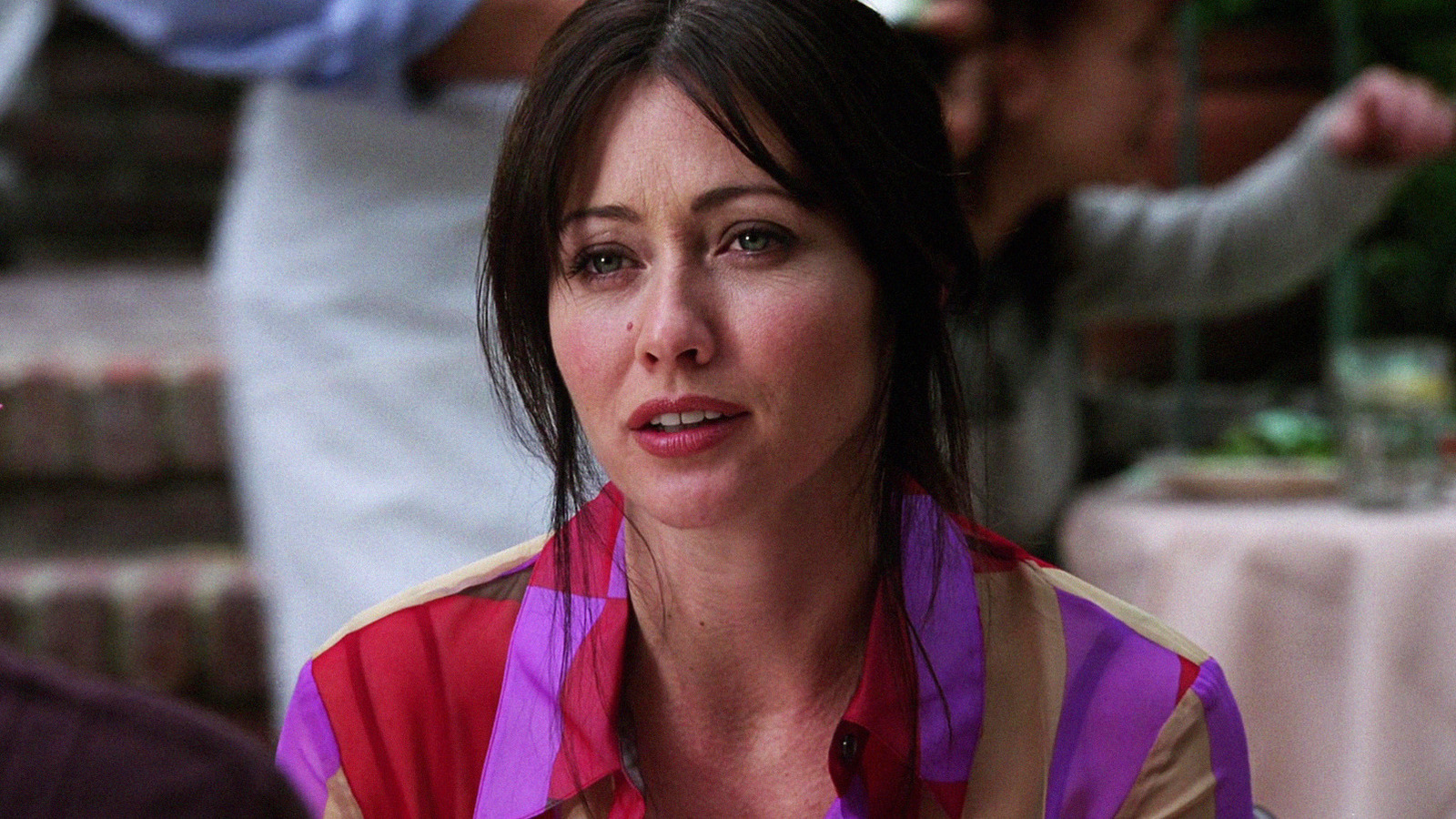
Navigating the Halliwell Brand in 2024 and Beyond
Today, the Charmed brand exists in a complex space. There is the original series, the 2018 reboot, and a plethora of books and comics. However, the original “Halliwell Brand” remains the most potent. Recent public discussions between the original cast members on podcasts have brought the “what happened to Prue” conversation back into the mainstream.
From a brand management standpoint, this is a “legacy brand” that refuses to fade. The ongoing interest in Prue’s departure proves that when a character brand is built with enough depth and authenticity, it creates a permanent footprint in the cultural zeitgeist. The lesson for personal brands and corporate entities alike is clear: how you leave a project is often just as important as how you lead it. The “Prue Halliwell” brand is a testament to the fact that even an untimely exit can be transformed into a lasting legacy if the foundation of the brand is strong enough.
In conclusion, what happened to Prue from Charmed was more than a plot twist; it was a pivotal moment in entertainment branding. It demonstrated the power of a lead actor to define a show’s identity, the risks associated with internal brand conflict, and the incredible resilience of a well-constructed corporate IP. Whether you are a fan of the show or a brand strategist, the story of Prue Halliwell offers a fascinating look at the lifecycle of an icon.
aViewFromTheCave is a participant in the Amazon Services LLC Associates Program, an affiliate advertising program designed to provide a means for sites to earn advertising fees by advertising and linking to Amazon.com. Amazon, the Amazon logo, AmazonSupply, and the AmazonSupply logo are trademarks of Amazon.com, Inc. or its affiliates. As an Amazon Associate we earn affiliate commissions from qualifying purchases.