
The question, “What was Columbus’s nationality?” seems like a straightforward historical inquiry, a simple matter of biographical fact. Yet, beneath its surface lies a fascinating case study in branding, identity, and the geopolitical leveraging of historical figures. Christopher Columbus, the controversial mariner whose voyages fundamentally reshaped global understanding, remains an iconic, if polarizing, historical “brand.” His perceived nationality, far from being a mere footnote, has been a battleground for national pride, cultural heritage, and competing historical narratives, each seeking to align his formidable legacy with their own brand identity.
In an era where personal and corporate branding are meticulously crafted, it’s insightful to consider how the “brand” of a historical figure like Columbus has been shaped, claimed, and contested over centuries. His origin story, whether definitively proven or shrouded in ambiguity, serves as a powerful testament to how national identity, cultural influence, and even tourism industries are built upon the narratives we construct around our historical giants. The enduring debate about where Columbus truly hailed from isn’t just about genealogy; it’s about who gets to claim a piece of one of history’s most impactful and complex brands.
The Branding of a Pioneer: Crafting Columbus’s Identity
From the moment he set sail, Columbus began to forge a brand of intrepid exploration and groundbreaking discovery. However, the precise geographical origin of this pioneer has been a subject of persistent scholarly debate and popular speculation, transforming his foundational identity into a contested brand asset.
The Conventional Narrative: Genoese by Default?
For centuries, the prevailing “brand narrative” has presented Christopher Columbus as a native of Genoa, a prominent maritime republic in what is now Italy. This narrative is primarily supported by the writings of Columbus’s son, Ferdinand, and a handful of contemporary documents that refer to him as “Cristoforo Colombo” (the Italianized name) and link him to Genoa. The “Genoese Columbus” brand is potent: it evokes the rich seafaring tradition of Italy, the intellectual fervor of the Renaissance, and a lineage of explorers, artists, and innovators.
This attribution has allowed Italy to brand itself as the ancestral home of a man who initiated the Age of Discovery. It ties into a broader national brand identity centered on heritage, cultural contribution, and a storied past. For Italy, claiming Columbus reinforces a narrative of historical grandeur and influence, a valuable asset for cultural diplomacy, tourism, and national pride. The “Genoese brand” of Columbus is therefore not just a historical fact, but a carefully nurtured component of Italy’s national self-image, offering a clear, recognizable origin for a figure whose impact was undeniably global.
Competing Claims: Portugal, Spain, and Beyond
Despite the strength of the Genoese brand, the vacuum of truly definitive, irrefutable documentation regarding Columbus’s birth has allowed numerous alternative origin stories to emerge, each attempting to “rebrand” Columbus for various national and regional interests. Among the most prominent are claims that he was Portuguese, Catalan, or even Spanish.
The Portuguese theory suggests Columbus was a noble from Portugal, possibly exiled or operating under an assumed identity. Proponents argue that his extensive knowledge of Portuguese maritime techniques and his early years spent in Portugal point towards a deeper, native connection. If true, this would dramatically enhance Portugal’s brand as the pioneering nation of oceanic exploration, aligning Columbus with figures like Vasco da Gama and Ferdinand Magellan and solidifying its historical claim to global maritime dominance.
Similarly, the Catalan theory posits he was a member of a prominent Catalan family, perhaps involved in the Mediterranean trade. This rebrands Columbus as a product of Catalonia’s vibrant medieval merchant culture, offering a distinct regional identity within Spain and strengthening Catalonia’s historical narrative of independence and maritime power. Even more esoteric theories propose he was Greek, Polish, or of Jewish descent, each seeking to embed Columbus within a particular cultural or ethnic brand, often to highlight a marginalized group’s historical contribution or to rewrite accepted historical narratives. These competing claims highlight the immense brand value attached to Columbus, demonstrating how various entities vie for association with his legacy to bolster their own historical and cultural standing.
The Geopolitical Brand Battle: Nations Laying Claim
The quest to definitively answer “what was Columbus’s nationality?” is more than an academic exercise; it’s a geopolitical brand battle, where nations and regions leverage his image to enhance their international standing, cultural tourism, and historical narratives.
Italy’s Enduring Connection: Heritage and Tourism
Italy, particularly Genoa, has consistently and vigorously maintained its claim on Columbus. For Genoa, he is a hometown hero, his memory enshrined in monuments, museums, and historical narratives. This enduring connection is a cornerstone of Genoa’s local brand identity and a significant draw for cultural tourism. The casa di Cristoforo Colombo, while not definitively his birthplace, serves as a powerful symbol, a physical manifestation of his “Italian brand.”
On a national level, Columbus is celebrated as an Italian figure who achieved global renown, contributing to Italy’s broader brand as a cradle of civilization, innovation, and artistic genius. This association helps to project an image of a nation deeply connected to a rich past, providing a cultural anchor that resonates worldwide. The brand equity derived from Columbus contributes to Italy’s soft power, enhancing its image as a destination of historical and cultural significance.
Spain’s Imperial Narrative: Patronage and Legacy
While the debate over his birth nation persists, there is no dispute that Columbus sailed under the flag of Castile, patronized by the Spanish monarchs Ferdinand and Isabella. This incontrovertible fact allows Spain to lay a powerful claim on Columbus’s legacy, not as his birthplace, but as the orchestrator of his monumental voyages. This positions Spain as the nation that enabled the Age of Discovery, framing Columbus as a key instrument in the expansion of its imperial brand.
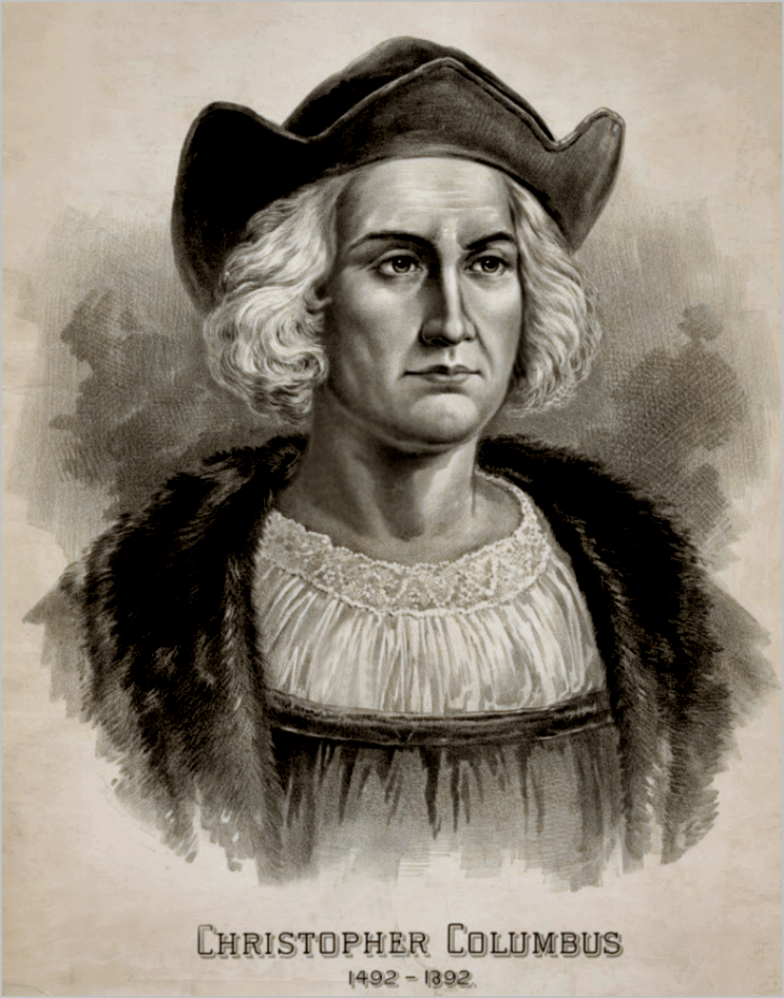
Spain’s branding of Columbus emphasizes its historical role as a global power, the architect of a vast empire, and a patron of world-changing exploration. The emphasis shifts from his individual origin to the state sponsorship that made his journeys possible. This narrative is crucial for Spain’s national brand, associating it with courage, ambition, and the creation of a vast cultural and linguistic sphere across the Americas. The “Spanish Columbus” brand is less about his birth and more about the historical narrative of Spanish exceptionalism and its enduring legacy.
The Americas: A Complex Brand Inheritance
The “brand” of Christopher Columbus in the Americas is perhaps the most complex and contested. For centuries, he was celebrated as the “discoverer” of the New World, a heroic brand figure embodying courage and pioneering spirit. Towns, cities, and even a national capital bear his name, reflecting this celebratory brand. Columbus Day, though increasingly controversial, traditionally marked a national holiday in many American nations, solidifying his brand as a foundational figure in their history.
However, in recent decades, this celebratory brand has undergone a profound transformation. A growing awareness of the devastating impact of colonization on Indigenous populations has led to a critical re-evaluation of Columbus’s legacy. He is now increasingly seen as a symbol of conquest, brutality, and the onset of centuries of oppression. This dramatic shift represents a “rebranding” of Columbus, from hero to a more nuanced, often villainous, figure. The ambiguity of his nationality, in this context, adds another layer of complexity, as various groups in the Americas grapple with an inherited “brand” that is simultaneously foundational and deeply problematic, irrespective of his precise origins.
The Evolving Personal Brand of Christopher Columbus
Like any enduring public figure, Christopher Columbus’s personal brand has not been static. It has evolved, been challenged, and even undergone radical transformations, reflecting changing societal values and historical perspectives.
From Hero to Controversial Figure: A Brand Transformation
For centuries, Columbus enjoyed a largely positive, heroic personal brand. He was lauded as the intrepid navigator, the visionary who “discovered” new lands, a symbol of progress and human endeavor. This brand was cultivated through textbooks, monuments, and national celebrations, portraying him as a figure worthy of universal admiration. His specific nationality, while a point of scholarly interest, did not significantly detract from this overarching heroic image.
However, the late 20th and early 21st centuries have witnessed a dramatic shift in his personal brand. As historical narratives became more inclusive and critical, focusing on the perspectives of indigenous peoples and the realities of colonization, Columbus’s brand suffered. He is now often viewed through a lens of exploitation, slavery, and genocide. This “rebranding” from hero to controversial figure has been profound, making him a lightning rod for debates about colonialism, historical justice, and cultural memory. The ambiguity of his origins, while not directly causing this shift, perhaps contributes to the ease with which different narratives can attach themselves to him, making his brand identity less stable and more open to reinterpretation.
Brand Authenticity and Historical Fact-Checking
In an age of transparency and demands for brand authenticity, the ongoing debate about Columbus’s nationality mirrors the scrutiny applied to modern brands. Just as consumers demand authenticity and verifiable claims from corporations, historians and the public now demand a more accurate and complete picture of historical figures. The lack of definitive proof regarding Columbus’s birthplace creates a gap in his “brand authenticity.”
This absence of irrefutable fact allows for speculation and competing narratives, much like a brand without a clear origin story or consistent messaging. While it fuels academic debate, it also contributes to the instability of his public image. In a world increasingly driven by data and verifiable information, the inability to definitively “fact-check” his nationality makes his overall historical brand more vulnerable to challenge and reinterpretation, highlighting the importance of clear, verifiable origins for establishing and maintaining a robust brand identity, even for figures from the distant past.
Lessons in Historical Branding and Narrative Management
The persistent question of Columbus’s nationality, and the fervent debates it sparks, offers invaluable lessons in the power of branding, narrative construction, and the complexities of managing historical identities.
The Power of Narrative Over Fact
Perhaps the most significant lesson is the immense power of narrative in shaping a brand, even when facts are scarce or contested. For centuries, the “Genoese Columbus” narrative persisted, not always due to overwhelming evidence, but because it served a coherent and powerful story for Italy and for the broader Western historical narrative. Similarly, the “heroic discoverer” brand of Columbus endured for a long time because it fit a prevailing worldview. This demonstrates how compelling narratives can override or even minimize the impact of ambiguous facts, at least for a time, illustrating a core principle of effective branding: a strong story often resonates more deeply than a dry collection of facts.
Managing Contradictory Brand Perceptions
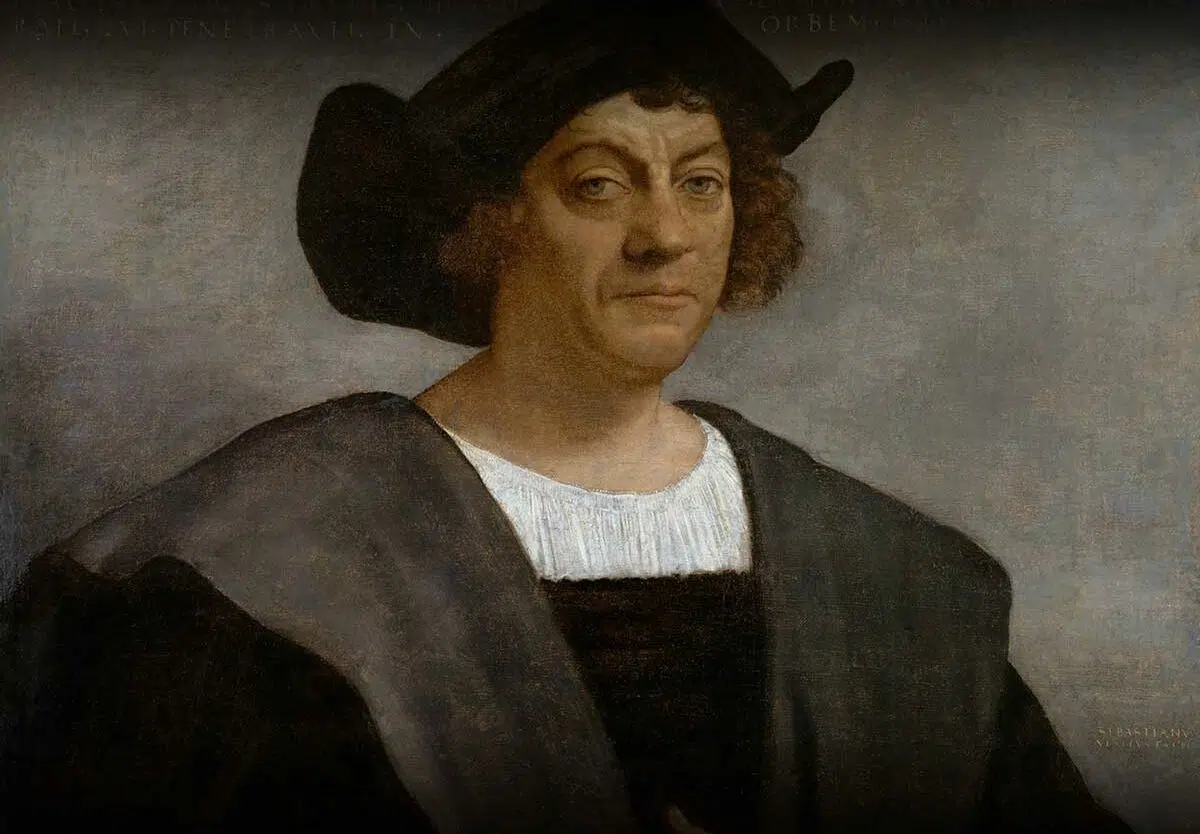
Ultimately, the case of Christopher Columbus exemplifies the challenge of managing a brand with contradictory perceptions. He is a figure celebrated by some and condemned by others, an icon of discovery for one group and a symbol of destruction for another. The dispute over his nationality further fragments his brand, making it difficult for any single entity or nation to present a unified narrative.
This is a challenge modern brands often face in a diverse and interconnected world. Understanding how the “Columbus brand” has been managed (or mismanaged) through history – celebrated, contested, and re-evaluated – provides insight into the dynamic nature of brand perception. His story underscores that brands, whether commercial or historical, are not static entities but living narratives, constantly being renegotiated in the public consciousness, and deeply influenced by the cultural, political, and social contexts of their time. The question of his nationality, therefore, is not merely historical minutia, but a profound illustration of how identities are crafted, claimed, and contested in the marketplace of ideas.
aViewFromTheCave is a participant in the Amazon Services LLC Associates Program, an affiliate advertising program designed to provide a means for sites to earn advertising fees by advertising and linking to Amazon.com. Amazon, the Amazon logo, AmazonSupply, and the AmazonSupply logo are trademarks of Amazon.com, Inc. or its affiliates. As an Amazon Associate we earn affiliate commissions from qualifying purchases.