
In the landscape of global commerce, few names evoke as much immediate emotional resonance as Sanrio. To the casual observer, the name is synonymous with Hello Kitty, the mouthless feline who has graced everything from pencil cases to EVA Air jets. However, for brand strategists and corporate historians, the question “What does Sanrio mean?” unlocks a deeper narrative about cultural export, emotional branding, and the sophisticated engineering of a multi-billion dollar intellectual property (IP) empire.
Sanrio is not merely a manufacturer of “cute” products; it is a masterclass in identity design and emotional communication. By dissecting the meaning behind the name and the strategic framework that supports it, we can understand how a small Japanese silk company transformed into a global pillar of the “kawaii” (cute) economy.
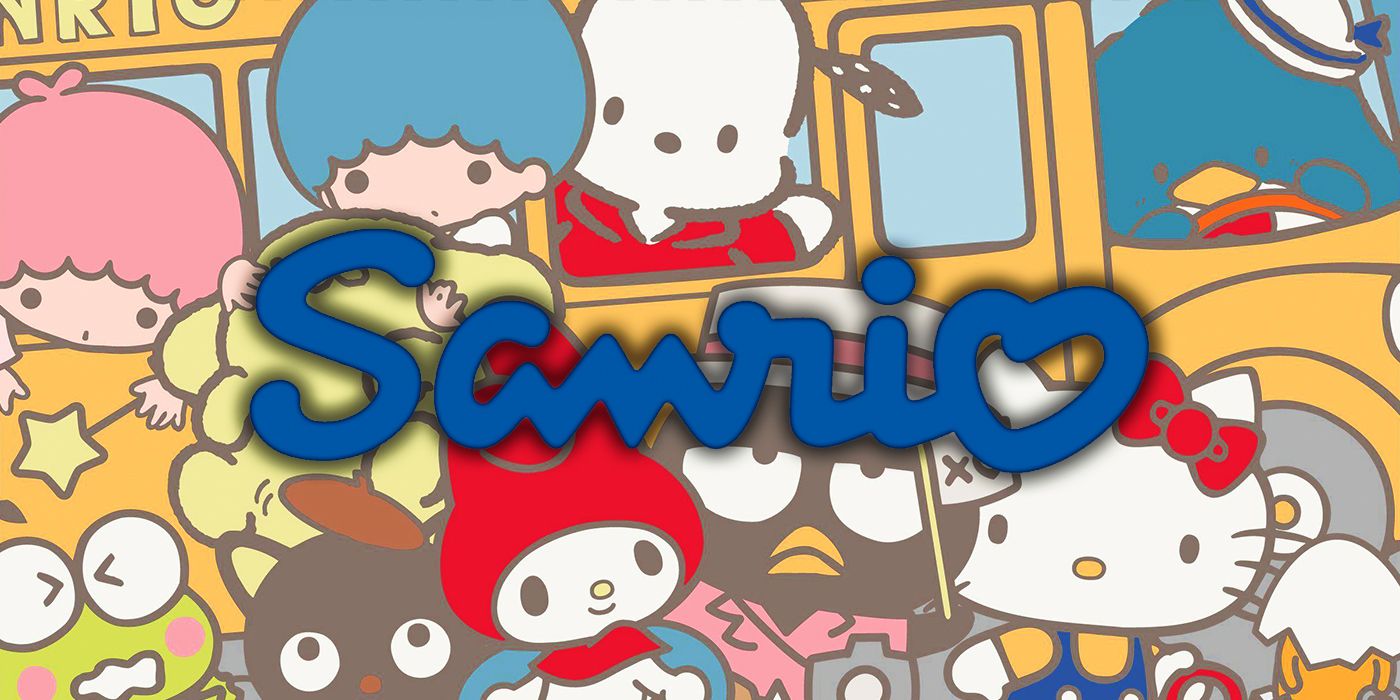
The Etymology and Linguistic Identity of Sanrio
To understand what Sanrio means, one must first look at the linguistic and historical roots of the word itself. Unlike many corporate names that are acronyms or surnames, Sanrio was a deliberate construct designed to evoke a specific sense of purity and internationalism.
From Yamanashi Silk to “Saint River”
The company was founded in 1960 by Shintaro Tsuji as the Yamanashi Silk Center. In 1973, as the business pivoted from textiles to giftware, Tsuji sought a name that felt more global and sophisticated. The most widely accepted etymology—and the one often promoted by the company—is derived from the Spanish words San (Saint) and Rio (River).
This “Saint River” imagery was intended to represent a “sacred culture” or a “saintly” flow of communication between people. It reflects Tsuji’s original vision: creating a business centered on the flow of human kindness and social harmony. The name was chosen to sound pleasant in multiple languages, a forward-thinking branding move that facilitated the company’s expansion into the North American and European markets just years later.
The Semantic Power of Minimalist Naming
In brand strategy, short, punchy, and vowel-heavy names (like Sony, Lego, or Sanrio) often perform better in global markets because they are easy to pronounce and remember across different linguistic backgrounds. By moving away from the geographically specific “Yamanashi,” the brand detached itself from a localized industrial identity and embraced a poetic, abstract identity. This abstraction allowed Sanrio to become a “vessel” brand—one that could hold various characters and meanings without being tied to a single product category.
The “Small Gift, Big Smile” Philosophy: Core Brand Strategy
The meaning of Sanrio is perhaps best articulated through its long-standing corporate motto: “Small Gift, Big Smile.” This is more than a tagline; it is the fundamental brand strategy that has dictated every corporate decision for over six decades.
Emotional Branding Through Social Communication
Sanrio identifies itself as a “social communication” business. In the mid-20th century, Tsuji observed that people felt a distinct sense of joy when exchanging small, inexpensive gifts. He realized that the value of the product was not in its utility or its price tag, but in the emotional bridge it built between the giver and the receiver.
By focusing on “the gift,” Sanrio positioned its products as tools for relationship building. This strategy shifted the consumer’s perception from “I am buying a plastic trinket” to “I am buying a gesture of friendship.” From a branding perspective, this created an incredibly high level of brand loyalty, as the Sanrio logo became an endorsement of sentiment and social connection.
The Psychology of “Kawaii” as a Market Driver
A significant part of what Sanrio “means” is its role as the primary architect of the global kawaii aesthetic. “Kawaii” translates to “cute,” but in a branding context, it refers to a specific design language characterized by simplicity, rounded shapes, and large eyes.
Sanrio’s mastery of this aesthetic is rooted in the psychological concept of “neoteny”—the retention of juvenile features. These features trigger an instinctive nurturing response in humans. By standardizing this design language across thousands of products, Sanrio created a brand identity that bypasses rational consumer critique and speaks directly to emotional impulses. This has allowed the brand to penetrate demographics ranging from toddlers to high-fashion enthusiasts.
Character Architecture: Beyond Hello Kitty
While the name Sanrio is inextricably linked to Hello Kitty, the company’s true strategic genius lies in its diverse character architecture. Sanrio doesn’t just create characters; it creates archetypes that resonate with different facets of the human experience.

Narrative Branding and Identity Design
The “meaning” of Sanrio is distributed across a portfolio of over 450 characters. Each character serves a specific niche in the brand’s ecosystem. Hello Kitty, for instance, famously has no mouth. This is a deliberate design choice: she reflects the emotions of the viewer. If you are sad, she looks sad; if you are happy, she looks happy. This “blank slate” branding allows for maximum consumer projection and global adaptability.
Diversification and Sub-Branding: Aggretsuko and Gudetama
In recent years, Sanrio has evolved its brand meaning to include more complex, modern narratives. Characters like Aggretsuko (a red panda who vents office frustration through death metal) and Gudetama (an unmotivated, depressed egg) represent a shift toward “relatable” branding.
These characters acknowledge the stresses of modern life, allowing Sanrio to maintain relevance with the Millennial and Gen Z demographics. By expanding its character roster to include “negative” or “realistic” emotions, Sanrio has transitioned from a brand that sells pure escapism to one that provides a commentary on the contemporary human condition. This diversification ensures that the Sanrio brand remains a “living” entity, capable of pivoting with cultural shifts.
Licensing and Global Distribution: A Case Study in Brand Equity
The commercial meaning of Sanrio is perhaps most evident in its transition from a retail-heavy model to a licensing powerhouse. Sanrio is consistently ranked among the world’s top global licensors, alongside giants like Disney and Warner Bros.
The Master-Licensor Model
Sanrio’s brand strategy revolves around the “long tail” of licensing. Instead of manufacturing everything themselves, they license their characters to partners across every conceivable industry. This strategy has two major benefits:
- Market Saturation: It allows the brand to be present in grocery stores, high-end boutiques, theme parks, and digital storefronts simultaneously.
- Risk Mitigation: Sanrio collects royalties while the manufacturing and inventory risks are borne by the licensees.
This model has turned the Sanrio name into a seal of aesthetic approval. When a consumer sees the Sanrio copyright on a third-party product, it immediately communicates a specific set of brand values: quality, cuteness, and emotional resonance.
Collaborations: Bridging Luxury and Streetwear
Sanrio’s branding brilliance is further evidenced by its “high-low” collaboration strategy. By partnering with luxury brands like Balenciaga and Dr. Martens, as well as mass-market retailers like Target, Sanrio has maintained an “omnipresent luxury” status. These collaborations prevent the brand from becoming “dated” or “kiddie,” positioning Sanrio as a versatile design house rather than just a toy company.
Sustaining Relevance in the Modern Digital Landscape
As we look toward the future, the meaning of Sanrio is being redefined by digital transformation. The brand is no longer confined to physical stationery and plush toys; it is a major player in the digital IP space.
Cross-Generational Appeal and Nostalgia Marketing
Sanrio excels at the “multi-generational lifecycle.” A woman who grew up with Hello Kitty in the 1970s is now buying Sanrio products for her grandchildren, while simultaneously purchasing “retro” collections for herself. This cycle of nostalgia is a powerful brand anchor. Sanrio leverages this by constantly re-releasing vintage designs while simultaneously launching digital-first characters for younger audiences.
The Future of Sanrio’s Corporate Identity
Under the leadership of Tomokuni Tsuji (the founder’s grandson), the brand is leaning heavily into digital experiences, including the Metaverse, NFTs, and mobile gaming. The “Small Gift” of the future may be a digital skin for an avatar or an AR filter, but the “Big Smile” remains the core objective.
The company is also focusing on the “Total Brand Experience,” integrating their physical theme parks (like Sanrio Puroland) with digital engagement. This omnichannel approach ensures that the meaning of Sanrio stays consistent across both the physical and virtual worlds.
Conclusion: The Enduring Legacy of the Saintly River
What does Sanrio mean? Linguistically, it is a “Saintly River” of communication. Philosophically, it is the belief that a small gesture can foster global harmony. Strategically, it is a masterclass in IP management, emotional design, and licensing.
By focusing on the universal human need for connection and the psychological power of the kawaii aesthetic, Sanrio has built a brand that transcends borders, languages, and generations. It serves as a reminder to the corporate world that the most successful brands are not those that simply sell products, but those that facilitate an emotional exchange. As Sanrio continues to evolve, its core identity remains unchanged: it is the global ambassador of the “Small Gift, Big Smile,” proving that in the world of branding, emotion is the ultimate currency.
aViewFromTheCave is a participant in the Amazon Services LLC Associates Program, an affiliate advertising program designed to provide a means for sites to earn advertising fees by advertising and linking to Amazon.com. Amazon, the Amazon logo, AmazonSupply, and the AmazonSupply logo are trademarks of Amazon.com, Inc. or its affiliates. As an Amazon Associate we earn affiliate commissions from qualifying purchases.