
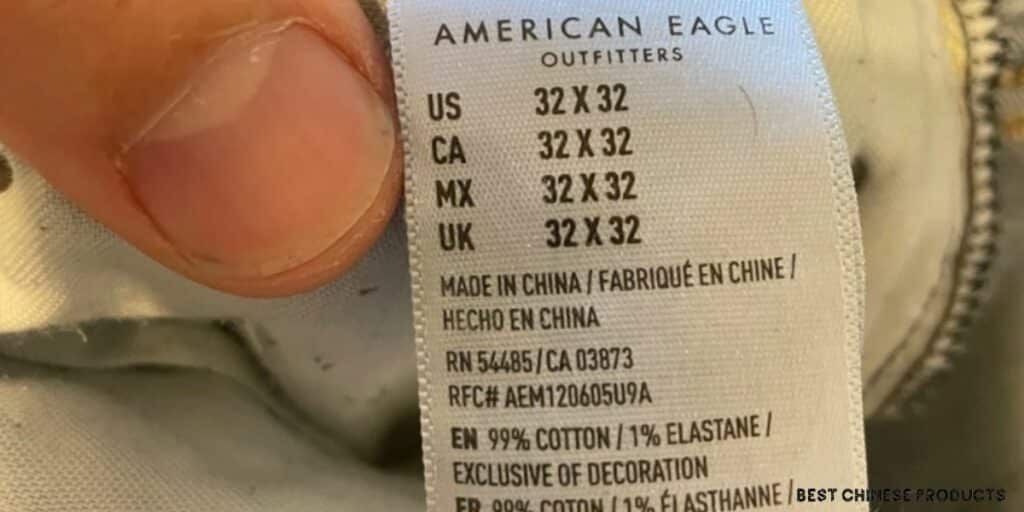
In the competitive landscape of retail apparel, the question “Where are American Eagle jeans made?” serves as more than just a logistical query for the curious consumer. For a brand like American Eagle Outfitters (AEO), which has successfully positioned itself as a champion of authenticity and inclusivity, the origins of its products are inextricably linked to its corporate identity and brand strategy.
As global supply chains become increasingly transparent, modern branding is no longer just about the logo on the pocket; it is about the ethics, efficiency, and sustainability of the journey from raw cotton to finished denim. For American Eagle, managing a global manufacturing footprint while maintaining a cohesive brand image is a masterclass in strategic operations.

The Strategic Global Supply Chain of American Eagle
Unlike some luxury houses that pride themselves on localized, artisanal production, American Eagle utilizes a sophisticated, diversified global supply chain. This approach is not merely a cost-saving measure but a strategic move to ensure brand resilience and market adaptability.
Diversification as a Brand Safeguard
American Eagle does not own its manufacturing facilities. Instead, it partners with third-party vendors across various continents. This model of diversification is a cornerstone of their brand strategy, allowing the company to mitigate risks associated with geopolitical instability, trade tariffs, or localized economic downturns. By spreading production across multiple regions, AEO ensures that its brand promise—the consistent availability of high-quality, trendy denim—is never compromised by a single point of failure in the supply chain.
Key Manufacturing Hubs: From Southeast Asia to the Americas
The production of American Eagle jeans primarily takes place in countries known for their robust textile infrastructure. This includes Vietnam, China, India, Bangladesh, and Mexico. Each region serves a specific strategic purpose:
- Vietnam and China: These regions offer unparalleled scale and technical expertise in denim washing and distressing, which are essential for AEO’s “lived-in” aesthetic.
- Mexico: Proximity to the North American market allows for “nearshoring,” enabling the brand to react quickly to fast-changing fashion trends and replenish stock with shorter lead times.
- India and Bangladesh: These hubs provide cost-efficiency and specialized cotton processing, allowing American Eagle to maintain its position as an accessible, mid-tier lifestyle brand.
Ethical Sourcing and the “Real” Brand Promise
For American Eagle, the “Real” campaign isn’t just a marketing slogan; it is a core brand value that must be reflected in how their jeans are manufactured. In an era where “fast fashion” is often synonymous with poor labor practices, AEO’s brand strategy relies heavily on maintaining a reputation for ethical sourcing.
The Impact of Transparency on Consumer Trust
Today’s Gen Z and Millennial consumers—American Eagle’s primary demographics—are more likely to scrutinize a brand’s backend operations. A brand that fails to account for its manufacturing origins risks significant reputational damage. American Eagle has leaned into this by publishing comprehensive lists of their Tier 1 factories. This transparency is a branding tool in itself, signaling to the consumer that the brand has nothing to hide and is committed to accountability.
Supplier Code of Conduct: Protecting Brand Integrity
To ensure that “Where they are made” aligns with “What the brand stands for,” AEO enforces a strict Supplier Code of Conduct. This document outlines mandatory standards for fair wages, safe working conditions, and the prohibition of forced labor. By auditing these factories through third-party organizations, American Eagle protects its brand equity. The cost of a scandal in a remote factory far outweighs the savings of cutting corners; thus, ethical oversight is viewed as a vital investment in brand longevity.

Sustainability as a Modern Brand Identity
The environmental footprint of denim production is notoriously high, requiring thousands of gallons of water and heavy chemical usage. For American Eagle, transforming their manufacturing process to be more eco-friendly is a pivotal part of their brand evolution.
Water Conservation and the “Real Good” Label
To differentiate itself in a crowded market, American Eagle introduced the “Real Good” label. This branding designates products made in factories that meet specific environmental standards, such as water recycling and reduced chemical output. By identifying exactly which jeans are made using sustainable practices, AEO allows consumers to make “value-based” purchases. This strategy transforms the manufacturing location from a mere factory into a site of innovation and environmental stewardship.
The Shift Toward Circularity
Brand strategy in the 2020s requires looking beyond the point of sale. American Eagle has begun integrating recycled materials—such as polyester made from plastic bottles and recycled cotton—into their denim blends. This move toward a circular economy reinforces the brand’s image as a forward-thinking, responsible leader in the apparel industry. When a consumer asks where their jeans are made, the brand can increasingly answer: “They are made from the future of fashion.”
How Supply Chain Locations Influence Brand Positioning
The decision of where to manufacture is a delicate balancing act between quality, cost, and speed. How American Eagle manages this balance determines its competitive positioning against rivals like Levi’s, Abercrombie & Fitch, and Gap.
Balancing Quality and Cost-Effectiveness
American Eagle has carved out a niche for “premium-feel” denim at an accessible price point. This is achieved by selecting manufacturing partners who can execute complex washes and high-stretch fabrics (like the Ne(x)t Level Stretch line) at scale. By leveraging the technical capabilities of top-tier factories in Southeast Asia, AEO can offer a product that rivals more expensive designer brands, reinforcing their brand identity as the “authority in denim.”
Responding to the Rise of the Conscious Consumer
The “Made in…” label has become a badge of honor or a mark of shame depending on the context. American Eagle’s strategy involves moving away from the “Made in [Country]” narrative and toward a “Made Responsibly” narrative. This shift is crucial for brand survival. By focusing on the conditions and methods of production rather than just the geography, American Eagle successfully navigates the complexities of globalism. They acknowledge that while their jeans are made globally, their standards are maintained universally.
Conclusion: The Brand is the Supply Chain
In the modern marketplace, a brand is no longer just the sum of its advertisements; it is the sum of its actions. For American Eagle, the question of where their jeans are made is answered by a complex, global network of partners who must adhere to the brand’s rigorous standards for ethics and sustainability.
By diversifying their manufacturing base, committing to transparency, and innovating in the realm of sustainable denim, American Eagle has turned its supply chain into a pillar of its brand identity. The strategic selection of manufacturing hubs allows the company to remain agile, cost-competitive, and, most importantly, trusted by a generation of consumers who demand more from their clothing than just a good fit. Ultimately, American Eagle jeans are made in a global ecosystem where brand values and industrial efficiency intersect, ensuring that the company remains a dominant force in the world of denim for years to come.
aViewFromTheCave is a participant in the Amazon Services LLC Associates Program, an affiliate advertising program designed to provide a means for sites to earn advertising fees by advertising and linking to Amazon.com. Amazon, the Amazon logo, AmazonSupply, and the AmazonSupply logo are trademarks of Amazon.com, Inc. or its affiliates. As an Amazon Associate we earn affiliate commissions from qualifying purchases.